Skagit Valley Tulip Capital
Welcome to Mount Vernon, the Skagit County seat in Washington's fertile Skagit Valley, home of the annual Tulip Festival and a gateway between Seattle and the North Cascades.
Mount Vernon is a city in Skagit County, Washington, serving as the county seat and its largest municipality. It sits in the Skagit River Valley, a broad, fertile plain between Puget Sound and the Cascade foothills, about sixty miles north of Seattle and fifty-one miles south of the Canadian border. The Skagit River runs through the city, and Interstate 5 passes along its edge, making Mount Vernon both the agricultural heart of northwest Washington and a practical crossroads of the region. The city's identity is inseparable from the land around it. The Skagit Valley is one of the nation's most productive agricultural areas, known for tulips, berries, vegetables, and dairy. Each spring, the Skagit Valley Tulip Festival—begun in 1984 and now the largest tulip festival in North America—draws visitors from across the country, with its street fair filling historic downtown Mount Vernon while the surrounding fields bloom in color. This agricultural heritage, combined with the river, gives the city a grounded, working character distinct from the suburban communities closer to Seattle. Mount Vernon functions as the commercial, government, and services center for the valley. Its downtown, set along the river, holds shops, restaurants, and civic buildings, and the Skagit Riverwalk provides a landscaped path through the center. Skagit Valley College anchors education and workforce training, while the Mount Vernon School District serves local students. The city's population of roughly 35,000 is diverse, and its economy blends agriculture, retail, health care, and manufacturing. The location offers a rare combination: valley farmland and a small-city downtown, with Interstate 5 providing a direct route to Seattle, Bellingham, and Vancouver, and the North Cascades, San Juan Islands, and Puget Sound all within easy reach. Mount Vernon suits families, agricultural and industrial workers, commuters seeking affordability, and anyone drawn to a genuine farm-country city with a signature spring festival and year-round access to the Northwest's landscapes.
Mount Vernon is the county seat of Skagit County, Washington, located in the fertile Skagit River Valley. It is about sixty miles north of Seattle and roughly fifty-one miles south of the Canadian border.
Mount Vernon lies about sixty miles north of Seattle, directly along the Interstate 5 corridor. The drive to Seattle typically takes about an hour, making it a practical base for commuters to the northern Puget Sound region.
Mount Vernon is the heart of the Skagit Valley Tulip Festival, which began in 1984 and has grown into the largest tulip festival in North America. Each spring, the festival's street fair fills historic downtown Mount Vernon while tulip fields bloom across the surrounding valley.
Public school students in Mount Vernon attend the Mount Vernon School District, which serves the city and surrounding area. Skagit Valley College, a community college, is also located in the city, providing higher education and workforce training.
Mount Vernon offers the Skagit Riverwalk Park along the downtown riverfront, city parks and trails, and access to the Skagit Valley's farms, tulip fields, and outdoor recreation. The North Cascades, Padilla Bay, and Puget Sound are all within easy driving distance.
City Guide
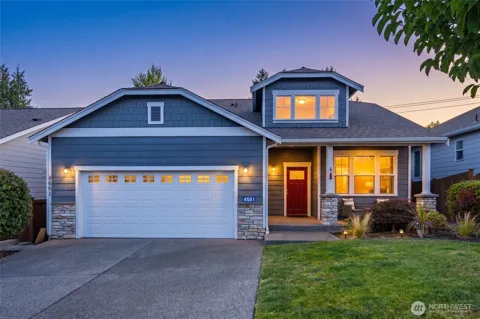
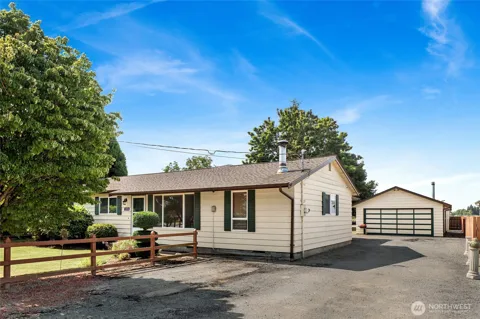
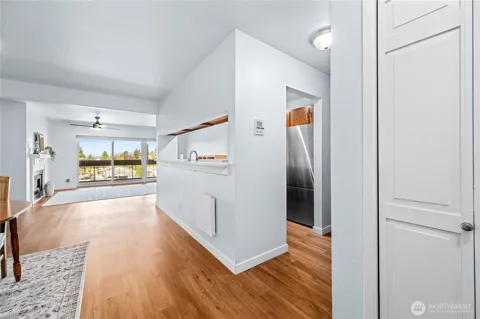
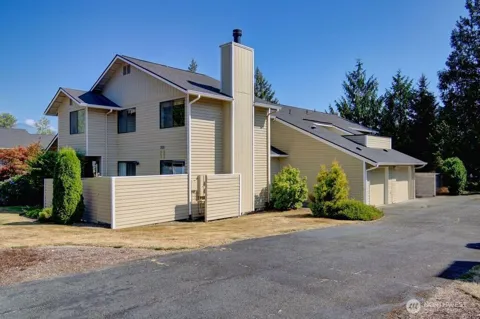
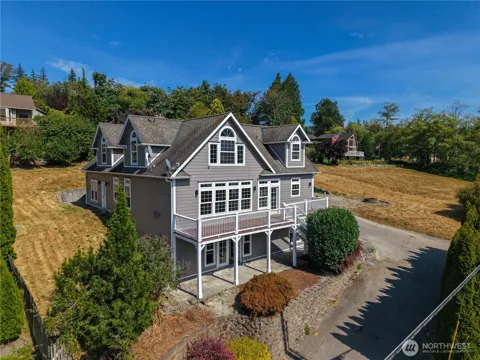
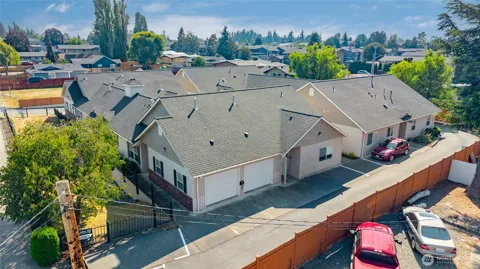
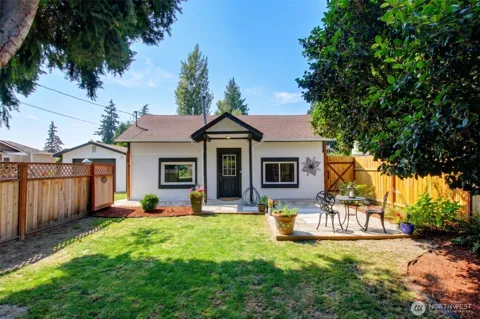
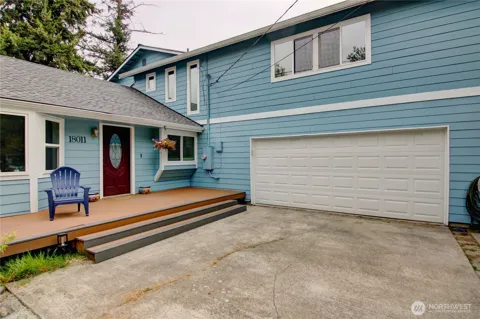
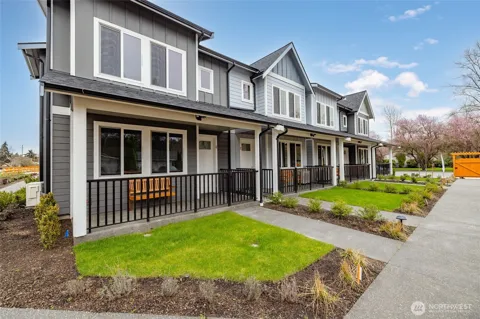
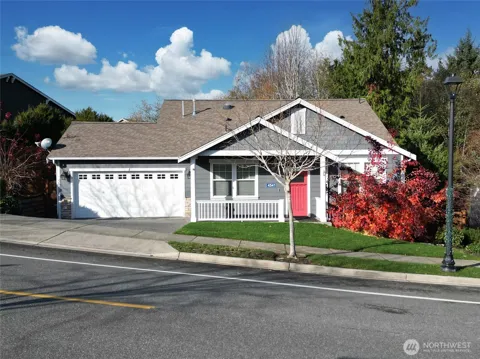
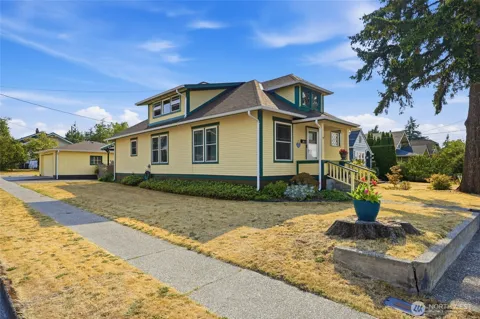
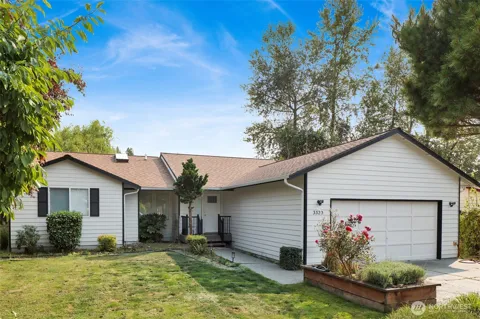
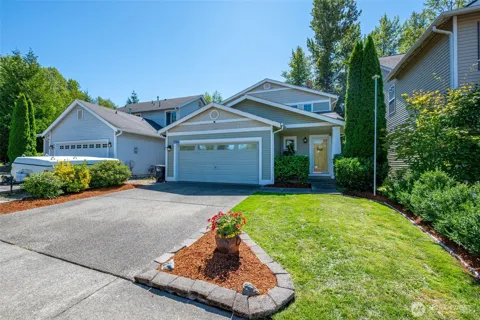
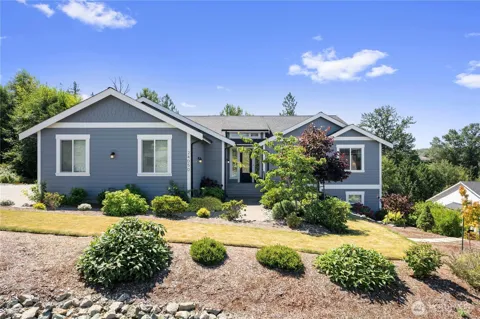
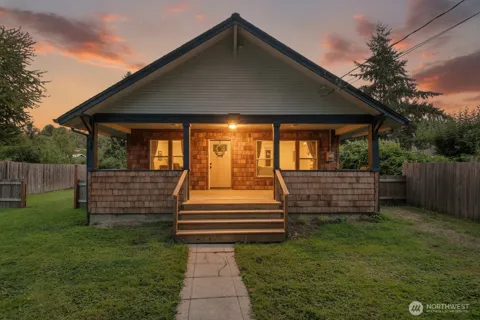
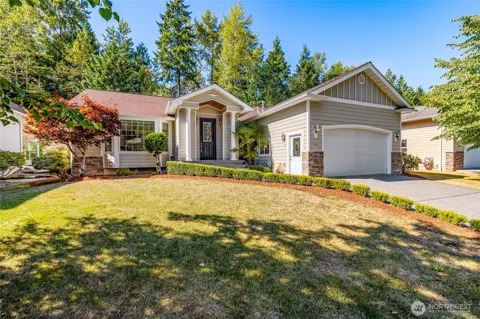
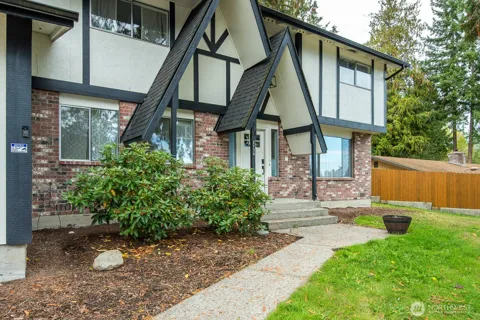
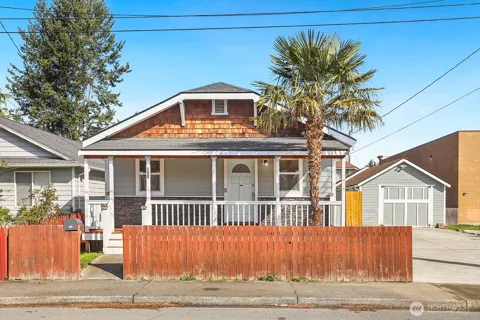
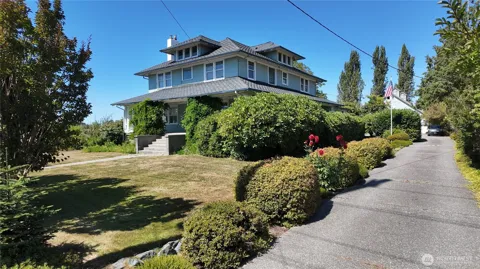
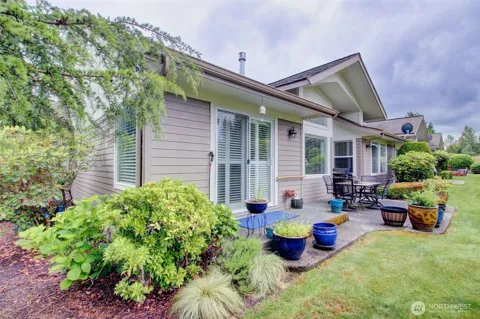
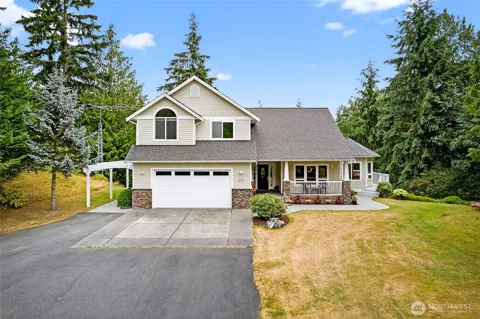
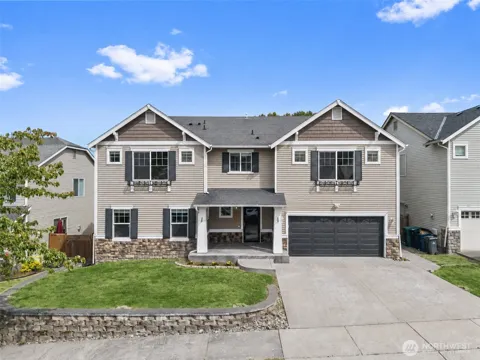
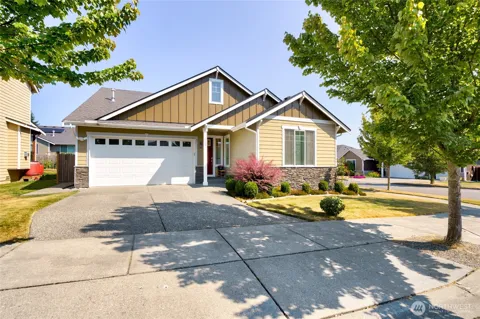
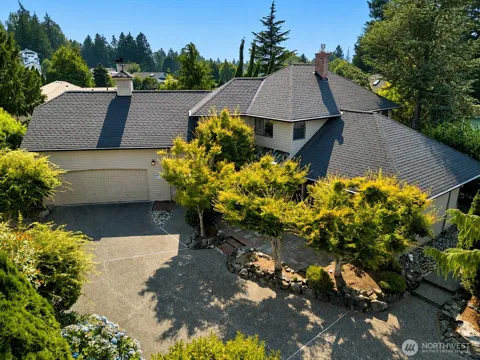
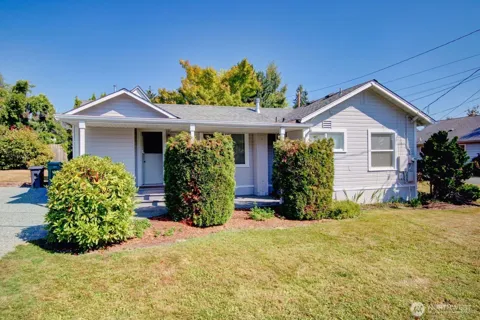
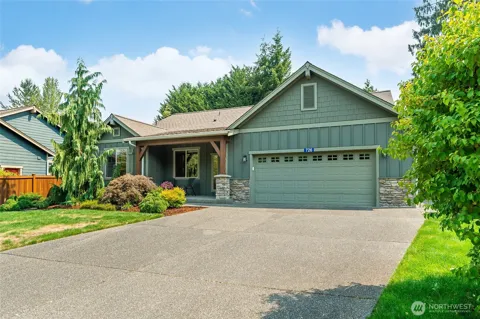
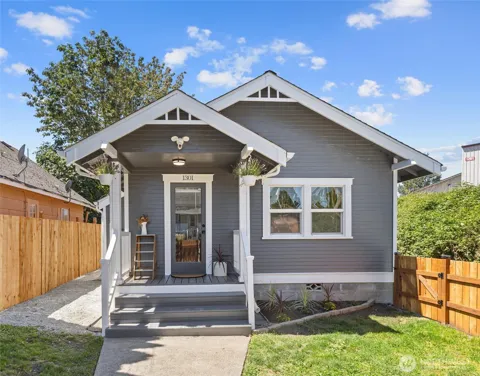
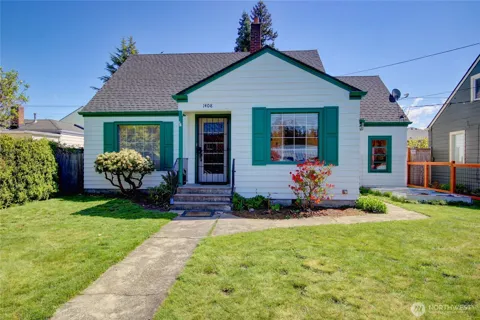
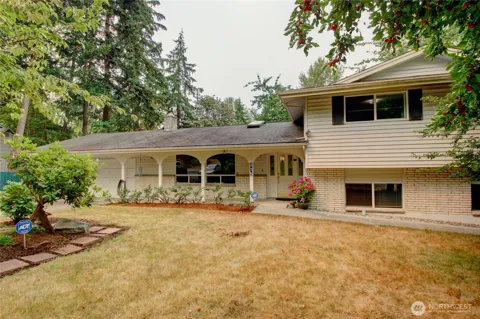
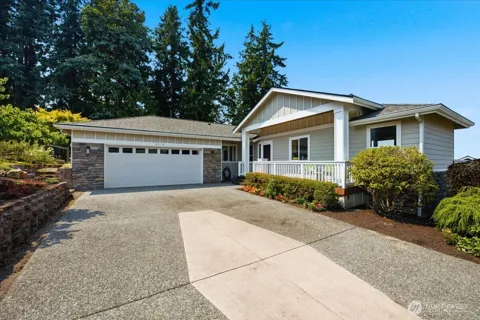
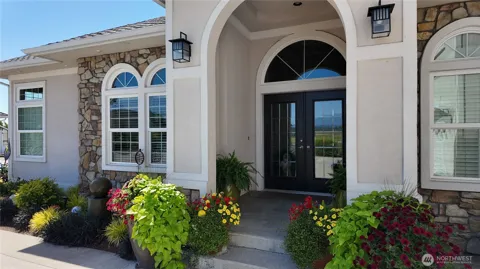
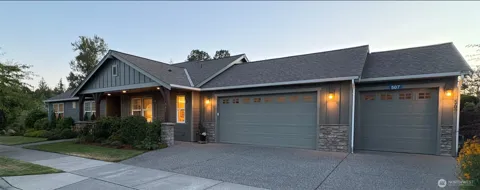
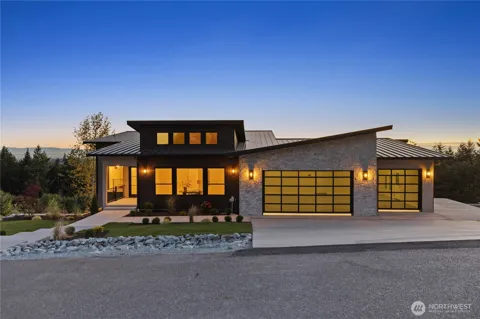
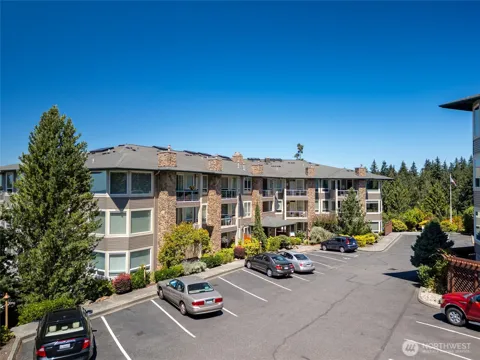
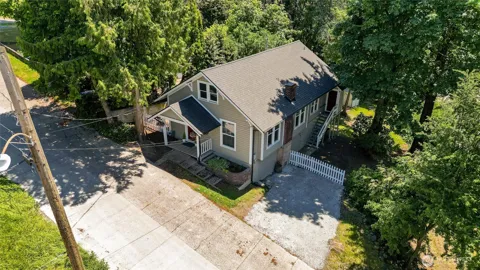
Mount Vernon's housing stock spans a full range of eras and styles, reflecting its history as a Skagit Valley service center that has grown steadily through the 20th and 21st centuries. Buyers find older craftsman and bungalow homes near the historic downtown, mid-century ranch houses in established neighborhoods, and newer subdivisions on the city's edges and hillsides. Hillside areas such as Waugh Hill and Seneca Highlands offer views across the valley, while riverfront and near-downtown properties provide walkability. The market also includes townhomes, condominiums, and a growing share of new construction as the city has expanded. Compared with Seattle and its inner suburbs, Mount Vernon offers considerably more affordability and space, drawing commuters and first-time buyers. The city's compact scale keeps most neighborhoods within a short drive of schools, downtown, and the I-5 interchanges.
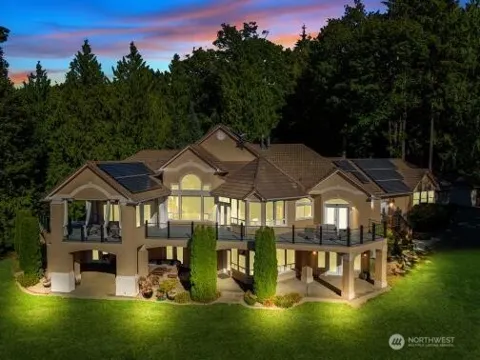
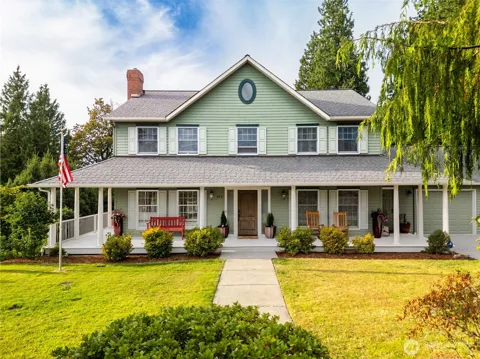
Mount Vernon's neighborhoods are organized around the Skagit River, the historic downtown, and the surrounding valley hills. The downtown and riverfront area contains the city's oldest homes, many craftsman and early-20th-century styles, within walking distance of shops, the Riverwalk, and the library. To the west and north, established mid-century subdivisions form the bulk of the residential fabric. Hillside neighborhoods such as Waugh Hill and Seneca Highlands occupy elevated ground with valley and mountain views, while newer developments on the city's east and south edges offer contemporary construction. The Riverside and College Way corridors provide commercial services, and Skagit Valley College anchors the northern part of the city. Because Mount Vernon is compact, neighborhoods blend together, and the practical distinctions for buyers are between historic in-town character, established suburban streets, hillside views, and newer construction near the city's growth areas.
Mount Vernon's lifestyle is rooted in the rhythm of the Skagit Valley. Spring transforms the surrounding fields into seas of tulips, and the Skagit Valley Tulip Festival—with its downtown street fair, farm tours, and month-long schedule—is the community's signature event. The historic downtown along the Skagit River offers local shops, restaurants, and a farmers market, while the Riverwalk provides a riverside path through the heart of the city. Agriculture shapes daily life, from berry and dairy farms to farm-to-table dining and seasonal harvests. Residents enjoy a small-city pace with genuine civic amenities, and the location between Seattle and the North Cascades means weekend options range from Puget Sound shorelines to mountain trails. The community appeals to families, agricultural workers, commuters, and people who want an authentic, working-valley character with easy interstate access.
Mount Vernon's public school students are served by the Mount Vernon School District, which operates elementary, middle, and high schools across the city and surrounding area. The district serves a diverse population and is a central institution in the community. Skagit Valley College, located in Mount Vernon, provides two-year degrees, technical programs, and continuing education, anchoring higher education and workforce development for the valley. The city's location also places larger institutions—including Western Washington University in Bellingham and the universities of the Seattle area—within commuting distance. For families, the combination of a full local K-12 district and an in-city community college creates a strong educational base, with the district's school zones and programs an important factor when comparing neighborhoods. The area's agricultural and technical economy is also supported by career training at the college.
Mount Vernon is situated directly on the Interstate 5 corridor, with multiple interchanges serving the city and connecting it north to Bellingham and the Canadian border and south to Everett and Seattle, about sixty miles away. State Route 536 (Kincaid Street) and State Route 538 (College Way) provide the main local access and cross-valley connections. Amtrak's Cascades service stops in Mount Vernon, offering passenger rail along the Seattle-to-Vancouver corridor, and Skagit Transit operates local and regional bus service. The city is car-oriented for daily life, but the presence of I-5, rail, and bus access gives it more transportation options than many similarly sized cities. Commuters to the northern Puget Sound region, as well as those heading toward the San Juan ferries or the North Cascades, find Mount Vernon a convenient and well-connected base.
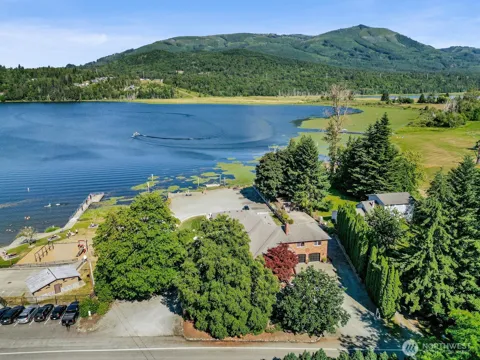
Mount Vernon's recreation spans the river, the valley, and the region's great outdoors. The Skagit Riverwalk Park offers a paved path along the downtown riverfront, popular for walking and cycling, while the city's parks and recreation department maintains a network of neighborhood parks, sports fields, and community facilities. The Skagit River supports fishing and boating, and the surrounding valley's flat farm roads are favored by cyclists. Seasonally, the tulip fields themselves become a recreational destination, drawing visitors to walk the farms and attend festival events. Beyond the city, Padilla Bay and the Puget Sound shoreline, the San Juan Islands ferries, and the North Cascades' hiking and skiing are all within an hour or two. This combination of a central riverwalk, an active parks system, and exceptional regional access makes outdoor life a defining part of living in Mount Vernon.
MARKET SNAPSHOT
How homes have been selling here over the last 90 days.
Market data reflects closed sales over the last 90 days and is provided for informational purposes.
BROWSE BY ZIP
Browse listings by postal code in this area.