Cascade Foothills Gateway
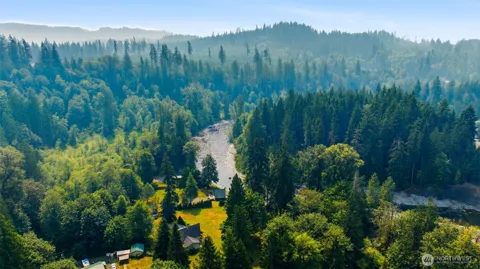
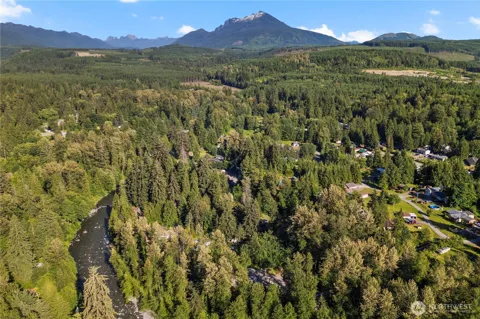
Welcome to Granite Falls, a Snohomish County city in the Cascade foothills between the Pilchuck and Stillaguamish rivers, gateway to the Mountain Loop Highway.
Granite Falls is a city in Snohomish County, Washington, in the western foothills of the Cascade Range, set between the Pilchuck and Stillaguamish rivers and northeast of Lake Stevens and Marysville. The city takes its name from a waterfall on the Stillaguamish River, a striking natural feature north of downtown that has long defined the community's identity. The falls include a 540-foot fishway and a 280-foot tunnel built in 1954 that was, at the time, the longest fish tunnel in the world. The town's origins lie in the late-19th-century resource economy of the Cascades. The discovery of mines and the arrival of rail service in 1892 — built to ship minerals from foothill mines — spurred Granite Falls' early growth, and timber and mining shaped its first decades. In the late 20th century, the city transitioned into a residential community, growing rapidly through the 1990s and 2000s as new development and annexations expanded its footprint. The 2020 census recorded a population of about 4,450. Granite Falls is best known today as the western gateway to the Mountain Loop Highway, a scenic route that winds through the Cascade foothills past waterfalls, old-growth forest, and historic ghost towns. Nearby destinations include the Big Four Ice Caves, the Lake Twenty-Two Trail, and Mount Pilchuck, making the city a launch point for some of Snohomish County's most popular hiking and outdoor recreation. Education is provided by the Granite Falls School District, which operates six schools serving about 2,300 students. With Lake Stevens and Marysville to the southwest and Everett within commuting distance, Granite Falls offers a foothill-town lifestyle with convenient access to the larger communities and employment centers of Snohomish County.
Granite Falls is a city in Snohomish County, Washington, in the western foothills of the Cascade Range. It sits between the Pilchuck and Stillaguamish rivers, northeast of Lake Stevens and Marysville.
Granite Falls is the western gateway to the Mountain Loop Highway, a scenic route through the Cascade foothills. Along and near the highway, visitors find the Granite Falls waterfall and fish ladder, the Big Four Ice Caves, the Lake Twenty-Two Trail, Mount Pilchuck, and historic ghost towns.
Granite Falls is served by the Granite Falls School District, a public district of about 2,300 students across six schools, based at 205 North Alder Avenue. The district operates the city's elementary, middle, and high schools, including Mountain Way Elementary School.
Granite Falls is named for a waterfall on the Stillaguamish River north of downtown. The falls feature a 540-foot fishway and a 280-foot tunnel built in 1954, which at the time was the longest fish tunnel in the world, and the falls are an easy first stop on the Mountain Loop Highway.
Granite Falls grew from late-19th-century mining and timber in the Cascade foothills, with rail service reaching the town by 1892 to ship minerals. Today it is a residential and recreation-oriented community whose economy and daily life are tied to nearby Lake Stevens, Marysville, and Everett.
City Guide
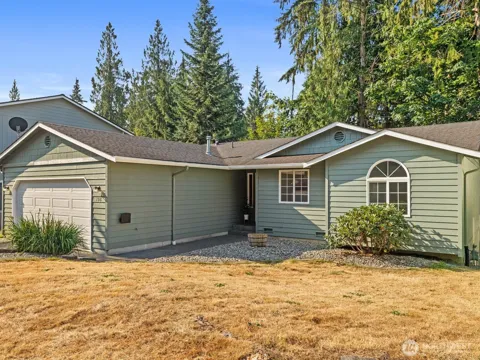
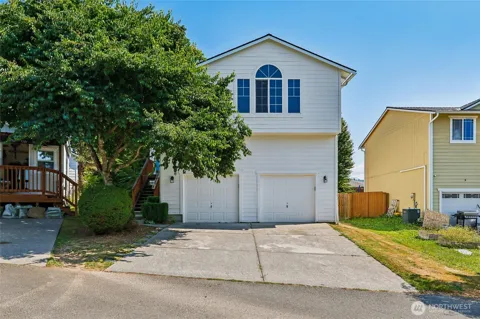
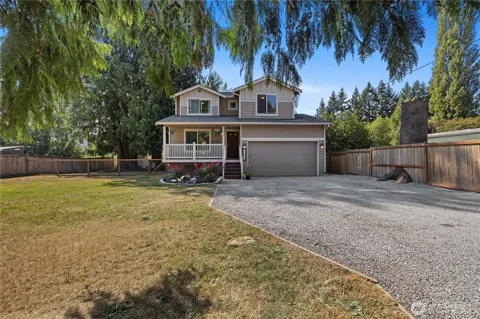
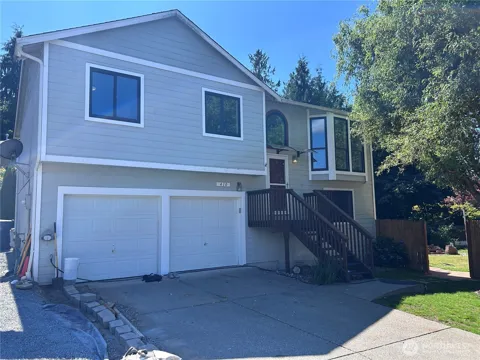
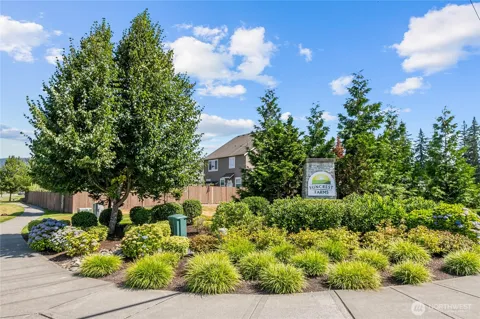
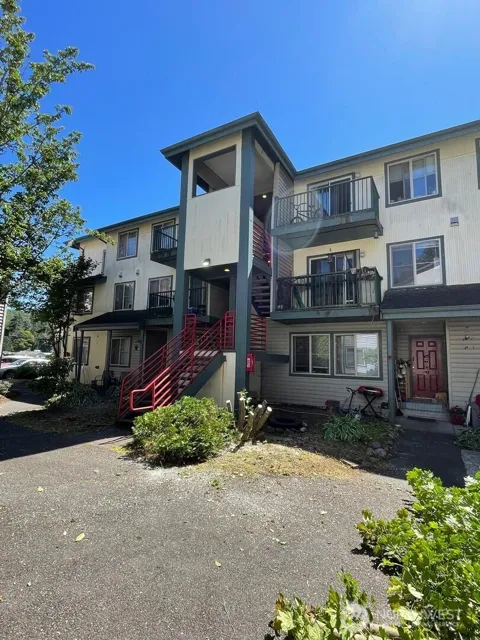
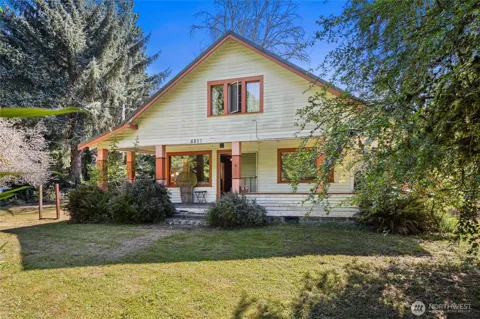
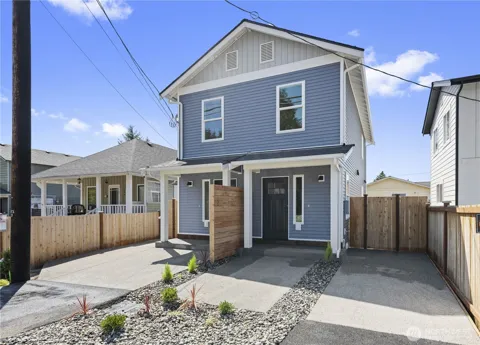
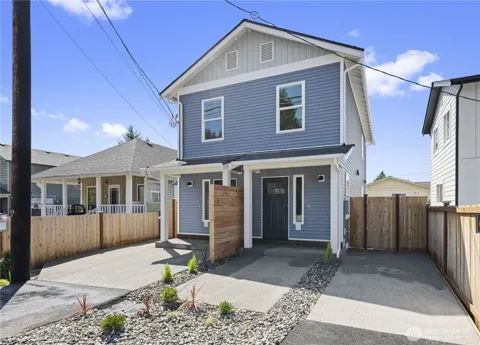
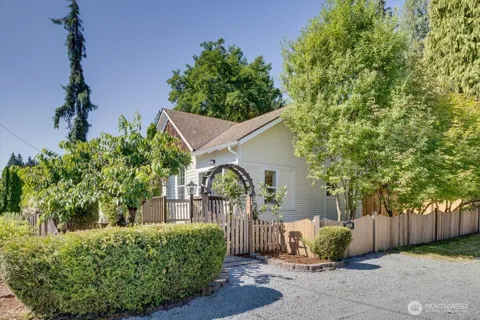
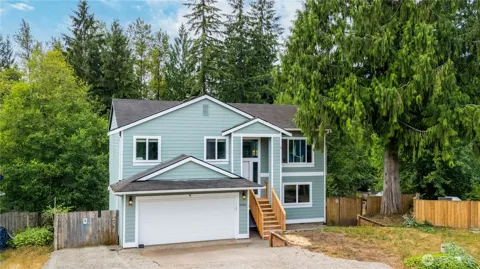
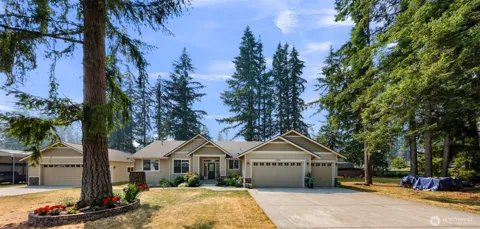
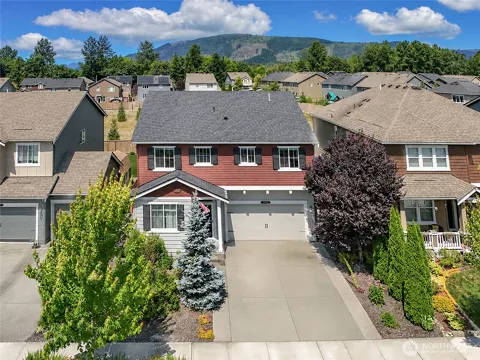
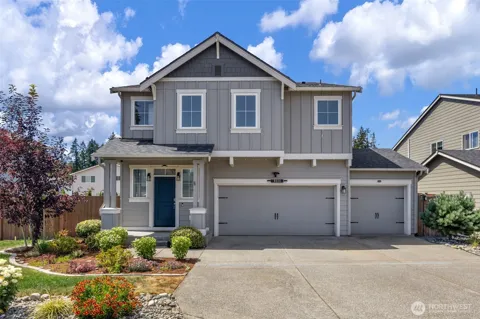
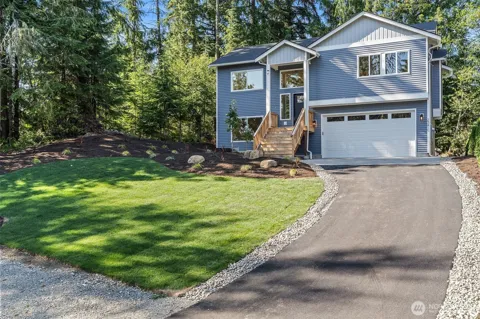
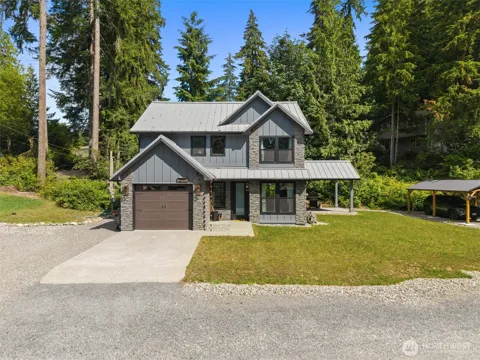
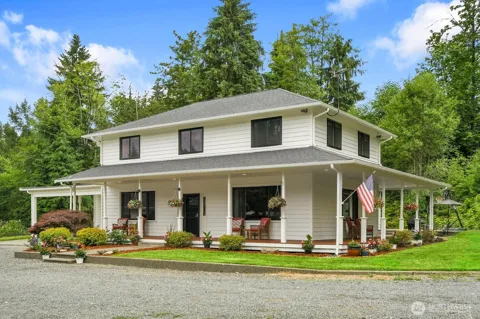
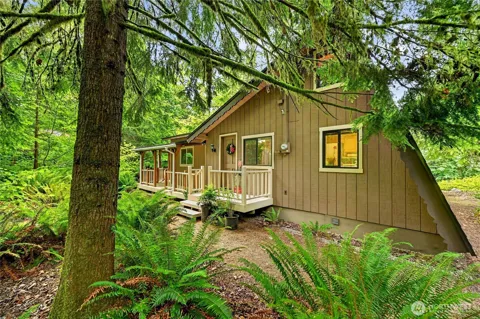
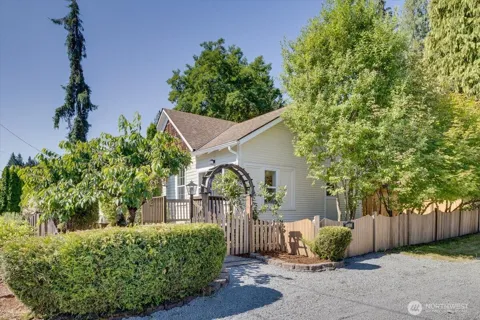
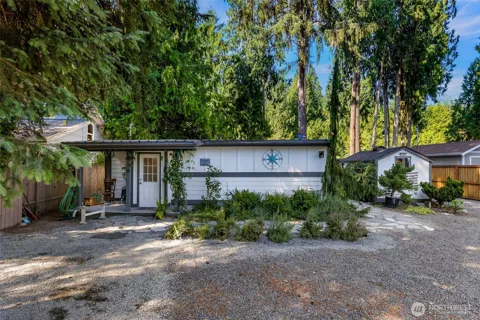
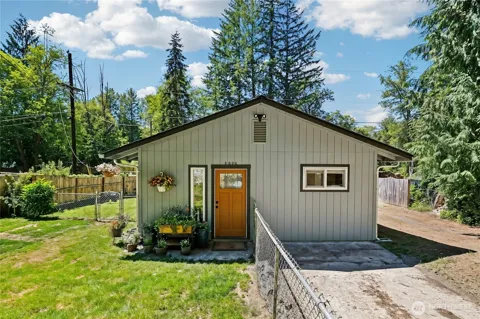
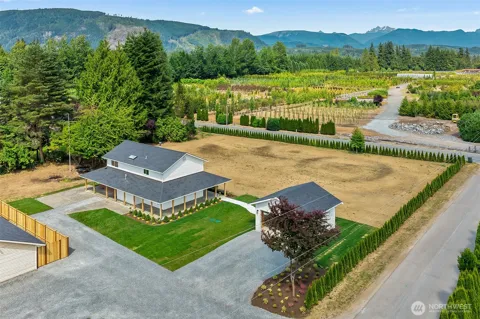
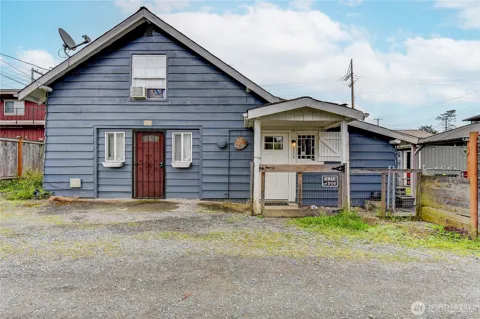
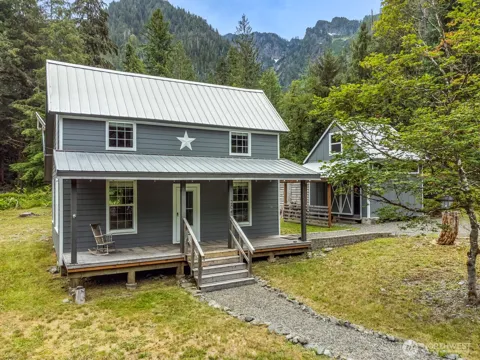
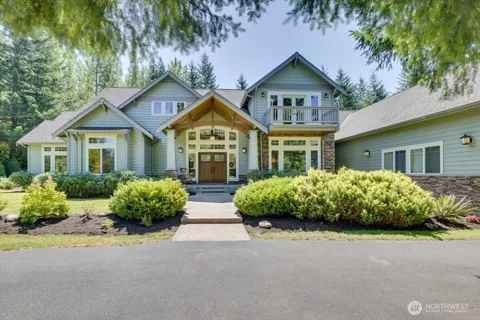
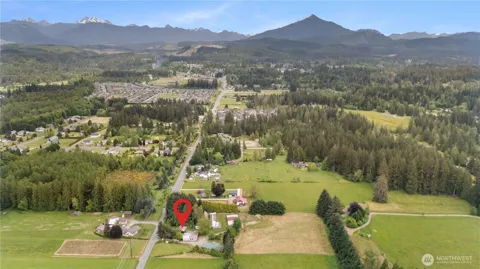
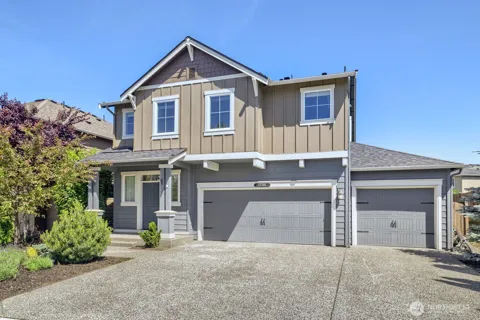
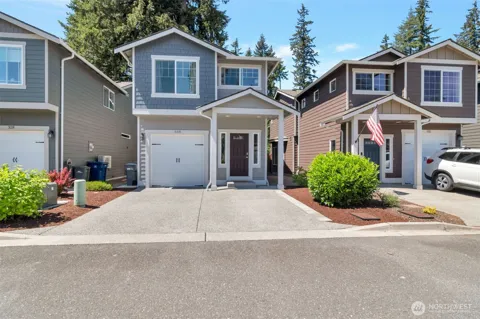
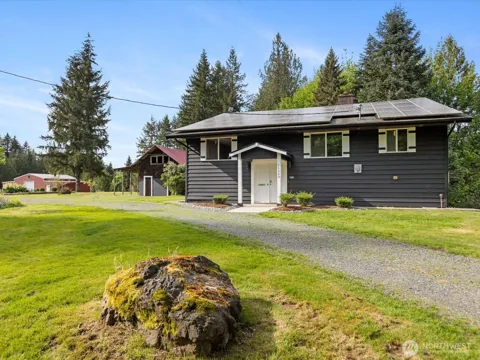
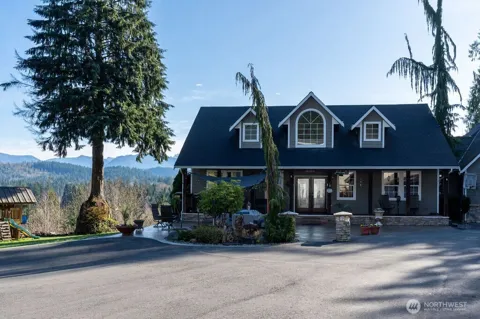
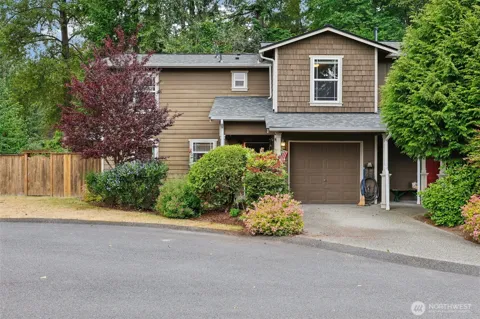
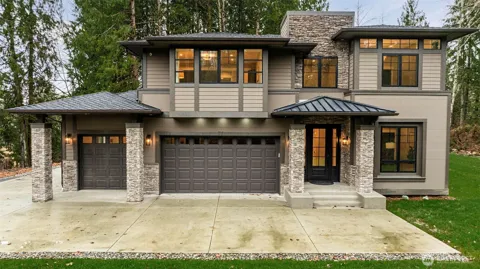
Granite Falls' housing reflects its growth from a small foothill town into a residential community. The city offers a mix of older homes in its established core and newer single-family subdivisions that developed as the area grew rapidly through the 1990s and 2000s, when new development and annexations expanded the city. The 2.2-square-mile city provides a range of single-family housing, often with views of the surrounding foothills and proximity to the Stillaguamish and Pilchuck rivers. Its location northeast of Lake Stevens and Marysville makes it a more affordable, lower-density alternative for buyers who want Cascade foothill living while remaining within commuting distance of Everett and the Puget Sound corridor.
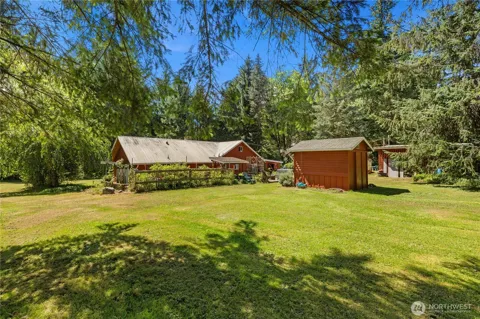
Granite Falls is organized around its compact downtown, with residential streets extending outward toward the Stillaguamish and Pilchuck rivers and into the surrounding foothills. The city's growth in recent decades has added newer subdivisions to its older, established core, so buyers can choose between the character of the original town center and more recently developed neighborhoods. Beyond the city limits, the landscape opens into the forested foothills and rural acreage of the Mountain Loop corridor. This layout keeps the schools and downtown central to community life, while the Cascade foothills and their trailheads remain close at hand for residents across the city.
Granite Falls offers an outdoors-oriented lifestyle shaped by its position at the edge of the Cascades. The Mountain Loop Highway begins at the city's doorstep, putting waterfalls, old-growth forests, alpine lakes, and mountain trails within minutes of home, and residents routinely hike, fish, and explore the surrounding foothills. The city itself is named for the granite falls on the Stillaguamish River, a local landmark with a fish ladder and viewing walk that remains a popular first stop. Community life is grounded in the schools and local events, while nearby Lake Stevens and Marysville supply larger shopping and services, and Everett provides regional employment. It is a community for those who want mountain access with small-town living.
Granite Falls is served by the Granite Falls School District, headquartered at 205 North Alder Avenue. The district operates six schools — including Mountain Way Elementary School and the city's middle and high schools — serving about 2,300 students from Granite Falls and the surrounding foothill communities. The district emphasizes the individual development of each student and is a focal point for community events and athletics in the city. For higher education, residents are within reach of Everett Community College and the broader institutions of the Puget Sound region, including the University of Washington's Bothell campus.
Granite Falls sits at the western gateway of the Mountain Loop Highway, which begins at the city and winds east into the Cascade foothills and national forest. To the west, the city is connected by state and county roads to Lake Stevens, Marysville, and the broader Snohomish County highway network, with Everett and the Interstate 5 corridor within commuting distance. The city's location northeast of Lake Stevens places it a short drive from regional shopping and employment while keeping mountain recreation immediately accessible. Daily travel is by car, and the Mountain Loop Highway's seasonal mountain portions add a scenic, recreation-oriented dimension to local transportation.
Granite Falls is a hub for Cascade recreation, anchored by the Mountain Loop Highway, which begins at the city and climbs into the foothills. The namesake Granite Falls on the Stillaguamish River offers a short walk to a fish ladder and viewing area overlooking the waterfall, and beyond it the highway leads to the Big Four Ice Caves, the Lake Twenty-Two Trail through old-growth forest to an alpine lake, Mount Pilchuck, and numerous waterfalls, campgrounds, and historic ghost towns. The Pilchuck and Stillaguamish rivers support fishing and riverside access, and the surrounding national forest provides year-round hiking, snowshoeing, and mountain scenery. The city's parks and schools round out local recreation.
MARKET SNAPSHOT
How homes have been selling here over the last 90 days.
Market data reflects closed sales over the last 90 days and is provided for informational purposes.
BROWSE BY ZIP
Browse listings by postal code in this area.