Fair City in the Puyallup Valley
Welcome to Puyallup, a Pierce County city in the fertile Puyallup Valley that hosts the Washington State Fair and sits on Sounder commuter rail between Tacoma and Seattle.
Puyallup is a city in Pierce County, Washington, located in the broad, fertile Puyallup Valley about six miles east of Tacoma and 30 miles south of Seattle. The valley's rich soil, formed by Mount Rainier's volcanic history, made the area an agricultural center from its earliest settlement, and the city takes its name from the Puyallup people, who inhabited the valley and the waters of the nearby sound long before European-American settlement. That agricultural heritage still shapes the community's identity and its signature event. The Washington State Fair is the defining institution of Puyallup. Founded in 1900 as a modest agricultural and livestock showcase by local farmers, it grew into one of the largest fairs in the country, drawing more than a million visitors each September to its fairgrounds on the edge of downtown. The phrase "Do the Puyallup" is embedded in Pacific Northwest culture, and the fair anchors a year-round event center that hosts concerts, trade shows, and community gatherings. The city of roughly 42,500 residents is the center of a much larger suburban area that extends onto South Hill and across the eastern reaches of Pierce County, with a combined population far exceeding the city proper. Downtown Puyallup retains a walkable, historic commercial core with early-20th-century buildings, local restaurants, and a strong sense of place, while newer residential and retail development spreads across the surrounding plateau. Puyallup is closely tied to the broader Puget Sound region through the Sounder commuter rail, which stops at Puyallup Station and connects the city to Tacoma, Seattle, and points north. The Puyallup School District is one of Washington's largest, serving the city and its surroundings. Together, the fair, the valley's farmland, strong schools, and rail access give Puyallup a distinctive role as a family-oriented South Sound city with deep roots and direct links to the region's urban core.
Puyallup is in Pierce County, Washington, located in the Puyallup Valley about six miles east of Tacoma and 30 miles south of Seattle. It is a principal city of the South Sound region and the center of a larger suburban area that extends onto the South Hill plateau.
Puyallup is best known for the Washington State Fair, founded in 1900 as the Puyallup Fair and now one of the largest fairs in the country, drawing more than a million visitors each September. The city is also known for its fertile valley setting, its large school district, and its Sounder commuter rail station linking it to Tacoma and Seattle.
Puyallup is served by the Puyallup School District, one of the largest districts in Washington state. Formed in 1854, it enrolls roughly 23,000 students across many elementary, middle, and high schools serving the city and the surrounding South Hill area. Families should verify the specific attendance zone for a given address.
Puyallup is about 30 miles south of Seattle and roughly six miles east of Tacoma. Sound Transit's Sounder commuter rail runs from Puyallup Station north through Auburn, Kent, and Tukwila to downtown Seattle, while State Route 167 and SR 512 connect drivers to I-5 and the regional freeway network.
Yes. Puyallup Station is served by Sound Transit's Sounder commuter rail S Line, which runs from Lakewood through Tacoma, Puyallup, Sumner, Auburn, Kent, and Tukwila to downtown Seattle and Everett. The station sits just northwest of downtown Puyallup and provides a direct rail option for commuting into the Puget Sound's urban core.
City Guide
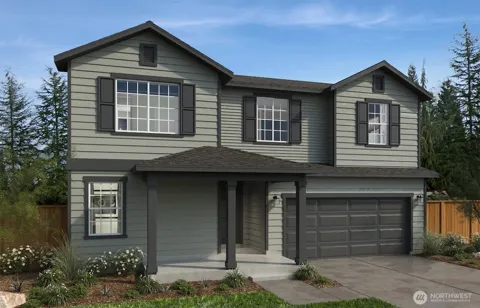
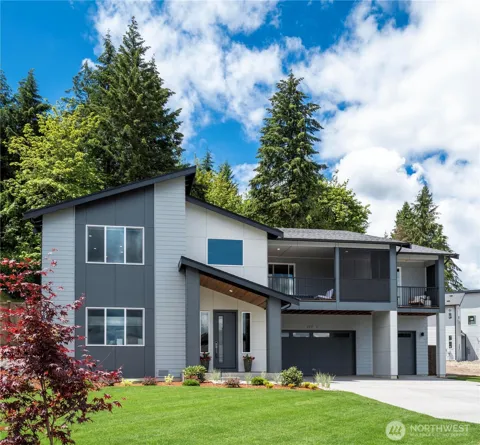
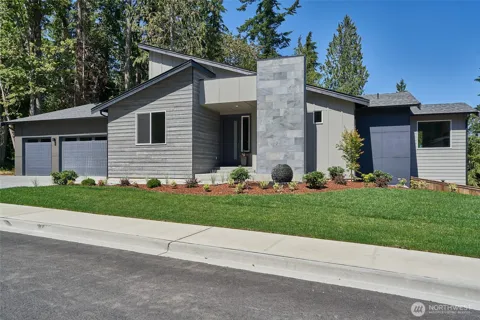
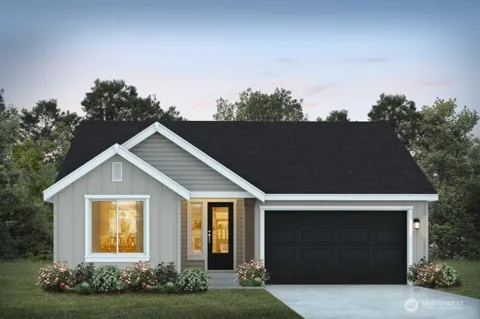
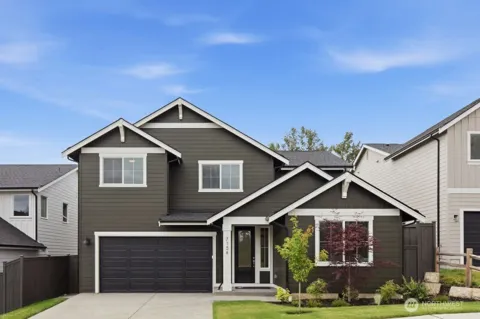
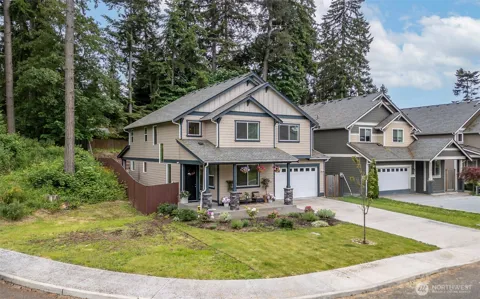
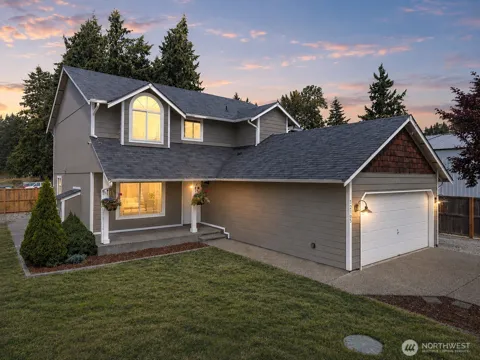
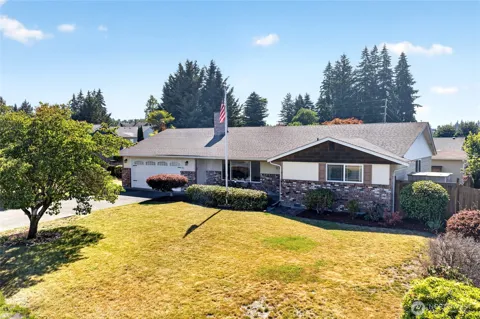
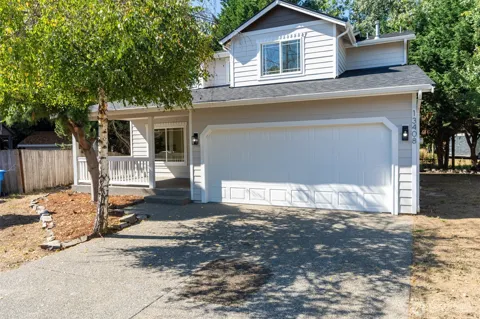
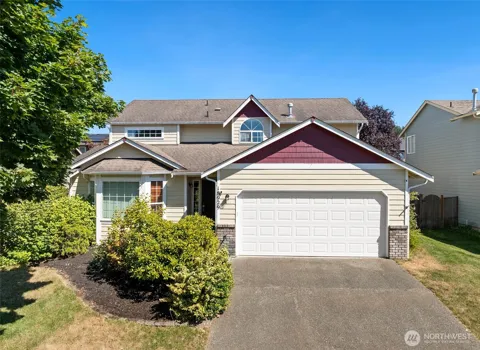
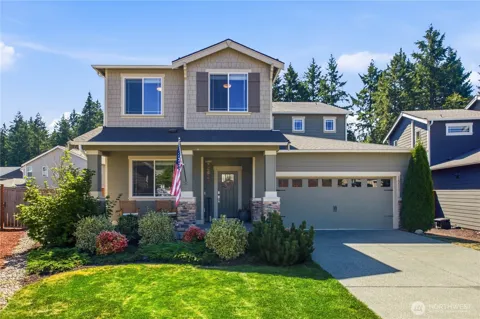
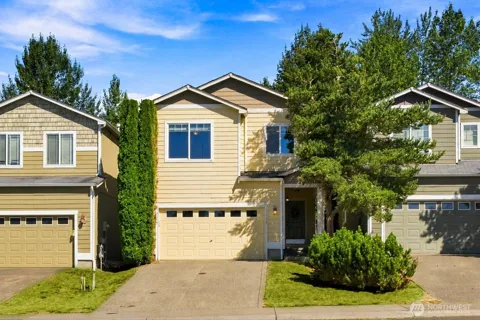
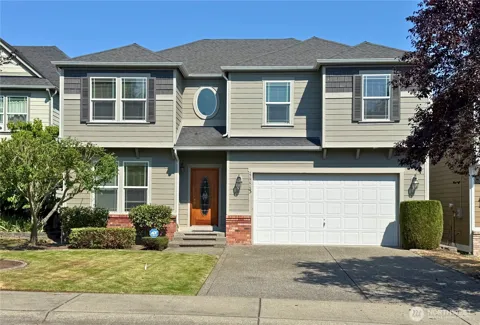
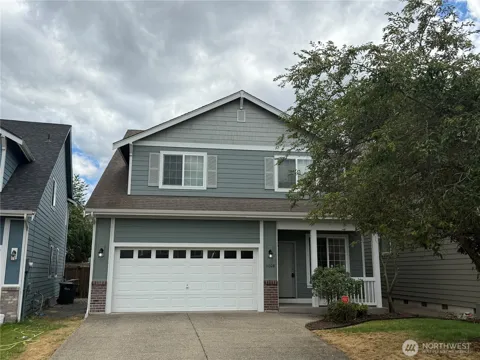
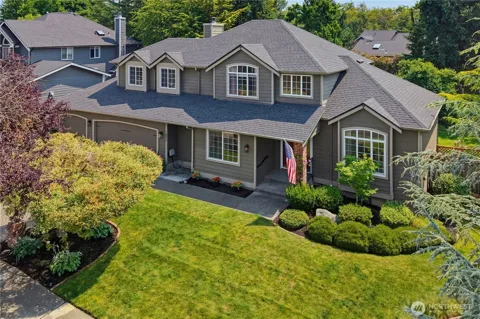
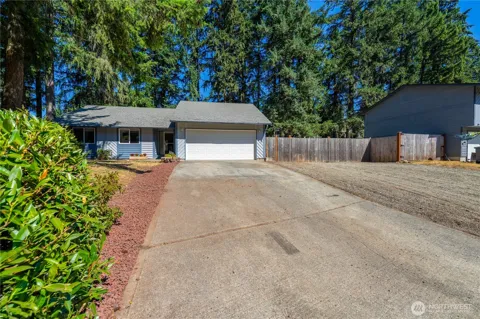
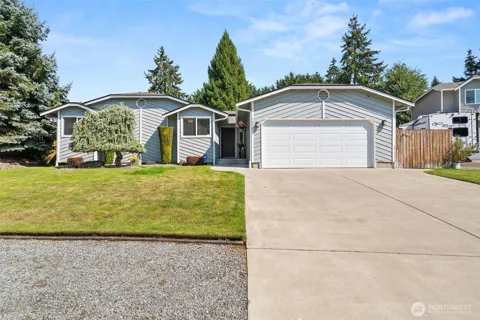
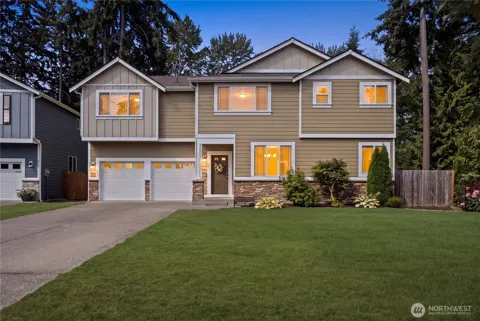
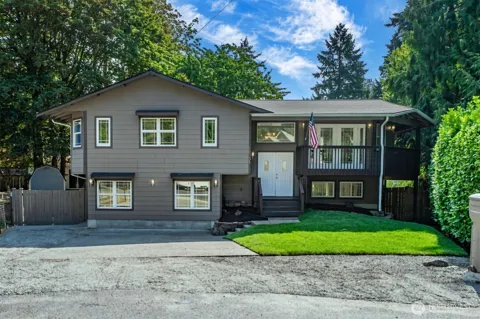
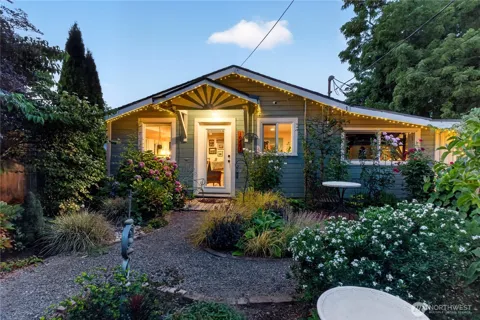
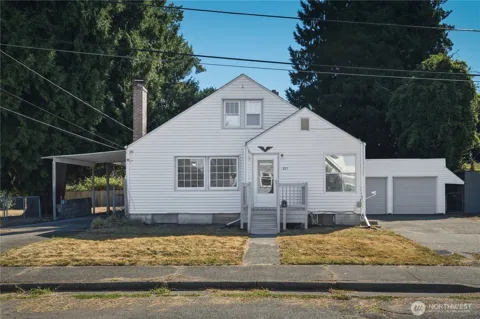
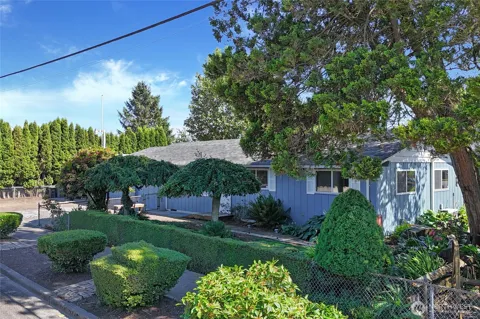
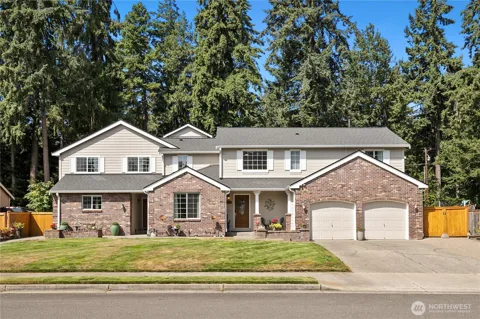
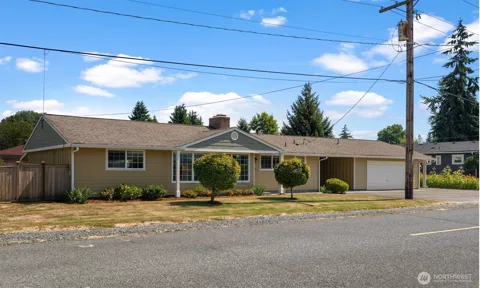
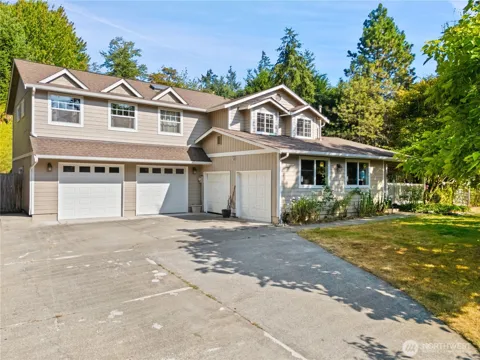
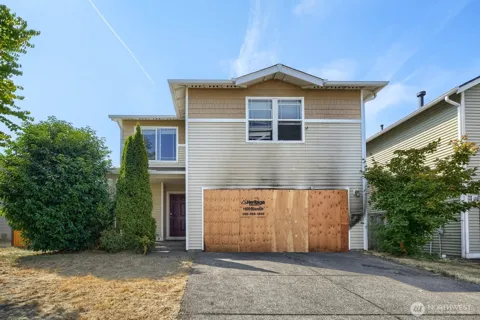
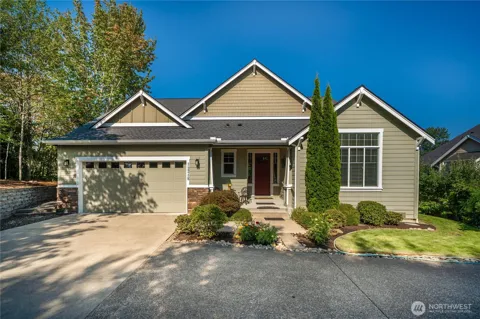
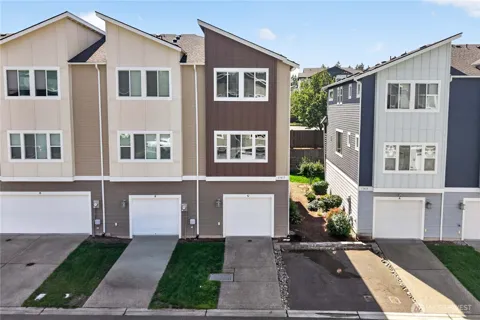
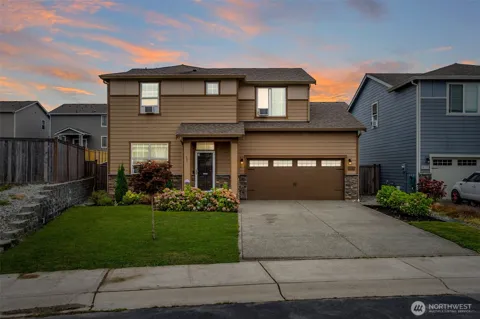
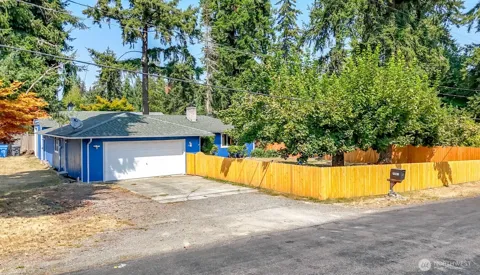
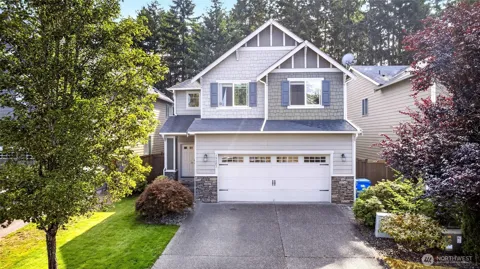
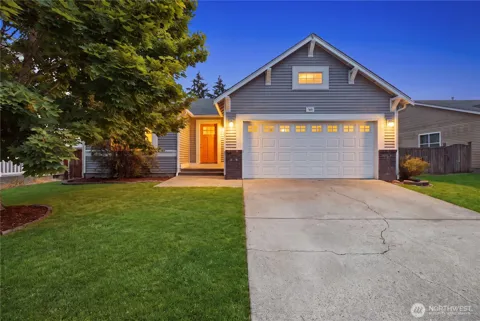
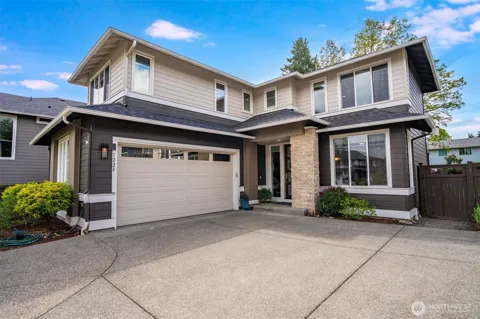
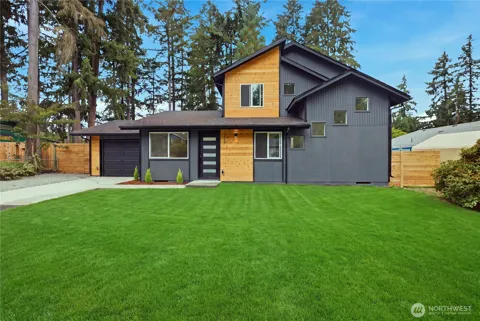
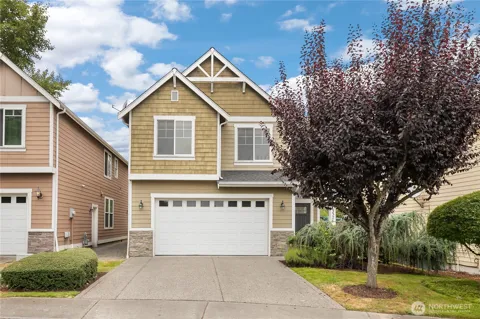
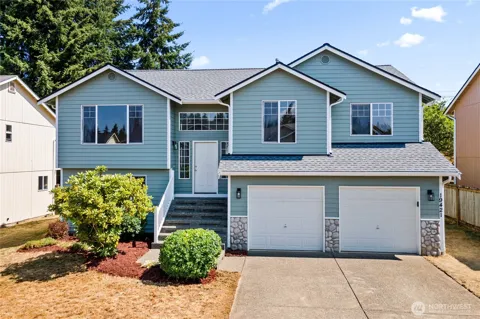
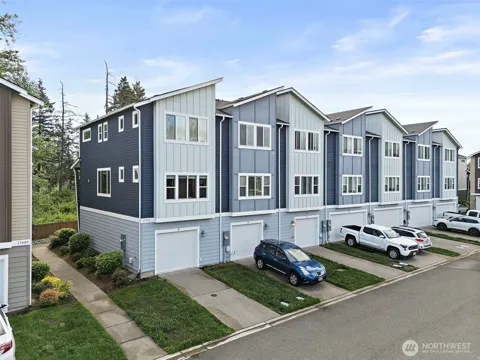
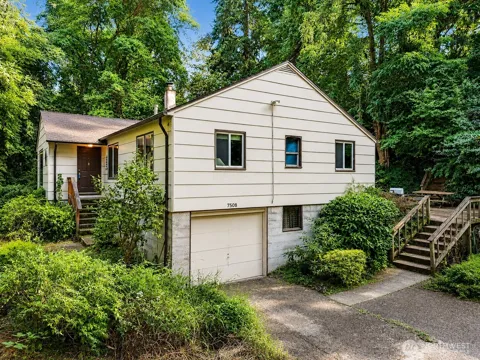
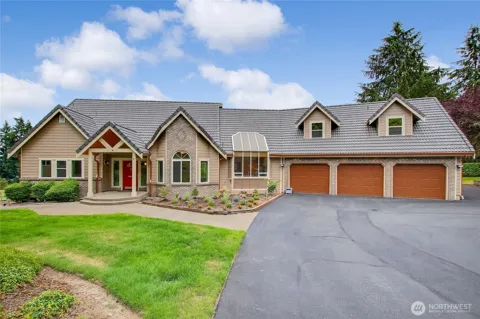
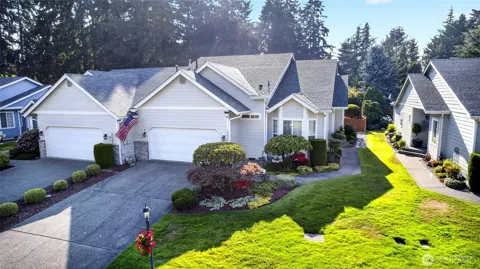
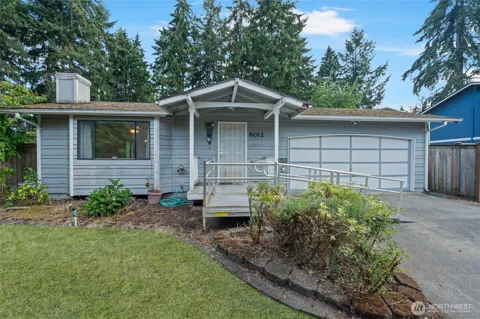
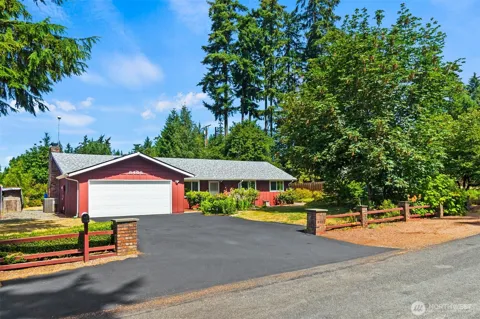
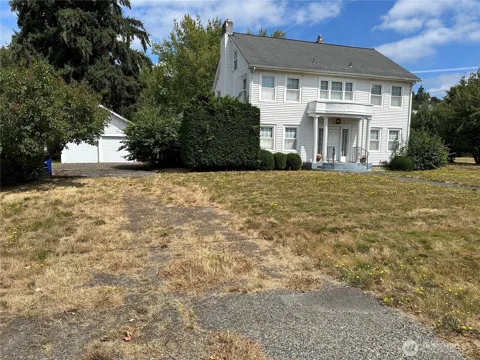
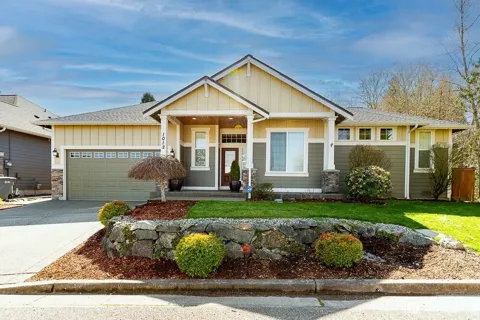
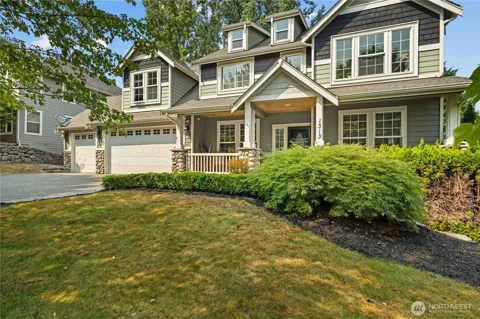
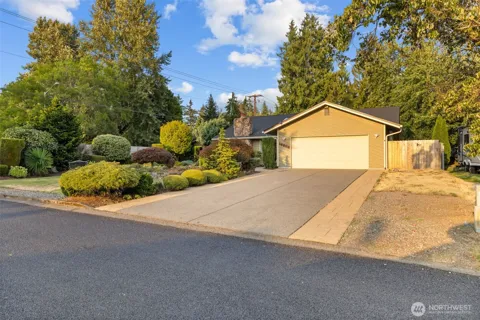
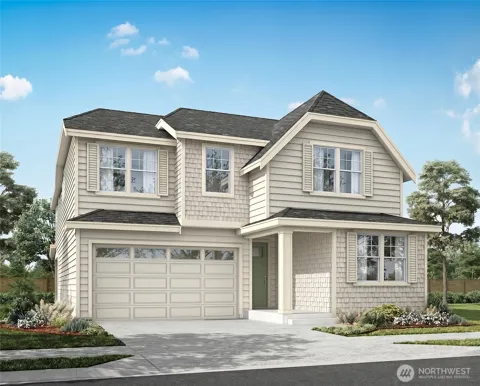
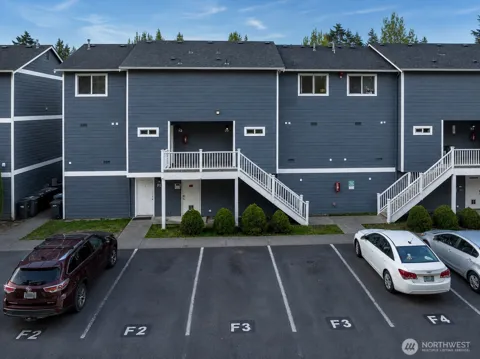
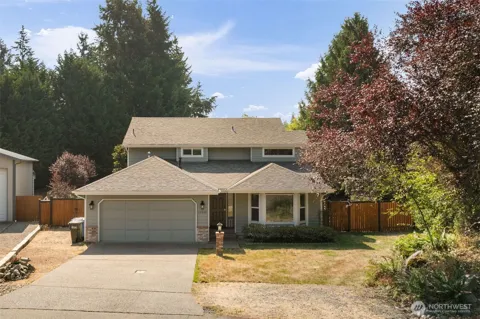
Puyallup's housing stock spans more than a century of development. The area around downtown features older homes from the early and mid-20th century, including Craftsman and classic Northwest bungalow styles on tree-lined streets, alongside more recent infill. Beyond the core, the city and the surrounding South Hill area contain a large supply of single-family subdivisions built primarily from the 1960s through the 2000s, with contemporary construction continuing on the area's edges. The mix includes ranch homes, split-levels, and newer two-story residences on suburban lots, along with townhomes and apartments near the downtown and transit corridors. Views of Mount Rainier and the valley, plus mature landscaping in many established neighborhoods, are defining features of the local housing character.
Downtown Puyallup is the city's historic and civic center, a compact, walkable district of early-20th-century commercial buildings, local shops, and the transit hub that anchors the area. Around it, older residential streets give way to established mid-century neighborhoods that form the city's core. The South Hill area, rising to the east, is one of the region's largest suburban communities, with extensive subdivision housing, schools, and commercial development that function as an extension of Puyallup. Farther out, the valley and foothills include more rural and acreage properties, reflecting the area's agricultural past. This layering—from historic downtown to sprawling plateau neighborhoods to remaining farmland—defines the Puyallup area's residential landscape.
Puyallup offers a family-centered lifestyle grounded in community tradition. The Washington State Fair shapes the local calendar and culture, bringing a season of concerts, rodeo, and events that generations of residents have shared, while the downtown's restaurants, farmers market, and shops anchor everyday life. The valley setting provides views of Mount Rainier and easy access to Pierce County's parks and trails, and the city's role as a regional hub means daily needs are well served without leaving town. Commuters value the Sounder rail link to Tacoma and Seattle, which lets them live in a more relaxed, community-oriented setting while working in the urban core. The area is known for its active youth sports, strong schools, and a distinctly Pacific Northwest, all-seasons outdoor culture.
Puyallup is served by the Puyallup School District, one of the largest districts in Washington state. The district was formed in 1854—among the first in the state—and now enrolls roughly 23,000 students across dozens of elementary, middle, and high schools serving the city of Puyallup and the surrounding area, including much of South Hill. Its scale supports a wide range of academic, athletic, and career programs. Because the district covers a large geographic area with multiple comprehensive high schools, families relocating to Puyallup commonly review the specific attendance zone for an address. The district's size and long history make it a central part of the community's identity and a key consideration for families.
Puyallup's standout transportation asset is Sound Transit's Sounder commuter rail. Puyallup Station, just northwest of downtown, sits on the S Line that runs from Lakewood through Tacoma, Puyallup, Sumner, Auburn, Kent, and Tukwila to downtown Seattle and Everett, giving residents a genuine rail option for commuting into the region's job centers. For drivers, State Route 167 and State Route 512 connect the city to the regional freeway network, including I-5 to the west, while the valley's roads link Puyallup to Tacoma, Sumner, and the South Hill plateau. Pierce Transit provides local bus service, and Seattle-Tacoma International Airport is reachable by car or rail connection. The combination of rail, bus, and freeway access makes Puyallup one of the better-connected suburban cities in the South Sound.
The Washington State Fair is Puyallup's defining attraction, bringing an annual season of concerts, exhibitions, and community events to its fairgrounds, which also host year-round activities at the Washington State Fair Events Center. The city's park system includes neighborhood parks, sports fields, and trail access, while the surrounding Pierce County offers abundant outdoor recreation, from the Foothills Trail to lakes and Mount Rainier's eastern approach. The valley's remaining farmland and the city's views of Mount Rainier give residents a scenic, outdoors-oriented setting. Community events, the downtown farmers market, and the fair's traditions create a full calendar of recreation and celebration that anchors local life throughout the year.
MARKET SNAPSHOT
How homes have been selling here over the last 90 days.
Market data reflects closed sales over the last 90 days and is provided for informational purposes.
BROWSE BY ZIP
Browse listings by postal code in this area.