North Cascades River Town
Welcome to Concrete, a North Cascades river town where the Baker and Skagit rivers meet, built on a century of cement and hydropower history at the gateway to the mountains.
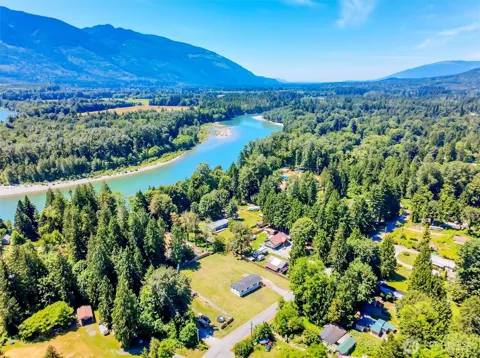
Concrete is a town in north-central Skagit County, Washington, in the North Cascades at the confluence of the Baker and Skagit rivers. Its population was 801 at the 2020 census, and it is part of the Mount Vernon-Anacortes metropolitan area. The town's name reflects its industrial origins. Concrete became a leading center for cement production after the Washington Portland Cement Company was established in 1905 on the east bank of the Baker River, exploiting local limestone and clay deposits. Cement manufactured in Concrete was used in major construction projects, and the industry remained central from the early 1900s through the 1960s. Today, the Concrete Heritage Museum preserves that history, and the town remains home to Puget Sound Energy's Baker River Hydroelectric Project, with the Upper and Lower Baker dams nearby. The rivers are the community's defining natural feature. The Baker and Skagit rivers meet at Concrete, providing fishing, river access, and a scenic setting at the edge of the North Cascades, with State Route 20 — the North Cascades Highway — running through the area and connecting it to the Skagit Valley and the mountains beyond. Public schools are provided by the Concrete School District, a small district serving roughly 500 students. The town's housing mixes older homes near the historic core with rural properties along the river valleys, and the surrounding forested terrain and mountain scenery shape the landscape. Residents value the quiet pace, the mountain setting, and the sense of history that the town's industrial past leaves in its streets and buildings. The result is a small, historically rooted mountain community offering river recreation, industrial heritage, and a gateway location to the North Cascades and the Skagit Valley.
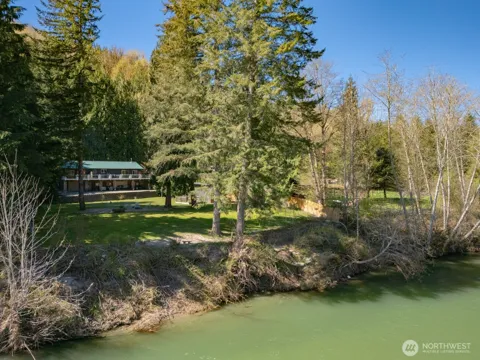
Concrete is a town in north-central Skagit County, Washington, in the North Cascades at the confluence of the Baker and Skagit rivers. It is part of the Mount Vernon-Anacortes metropolitan area.
Concrete grew as a cement-producing center after the Washington Portland Cement Company was established in 1905, using local limestone and clay deposits. Cement production was central to the town from the early 1900s through the 1960s.
Concrete is served by the Concrete School District, a small and community-focused district with four schools serving roughly 500 students in preschool through twelfth grade across the rural Skagit County area.
Concrete sits at the confluence of the Baker and Skagit rivers, offering fishing and river recreation, and it is a gateway to the North Cascades for hiking and outdoor activity. State Route 20 runs through the area.
Concrete is the site of Puget Sound Energy's Baker River Hydroelectric Project, with the Upper and Lower Baker dams nearby. The Concrete Heritage Museum preserves the town's industrial and cement history.
City Guide
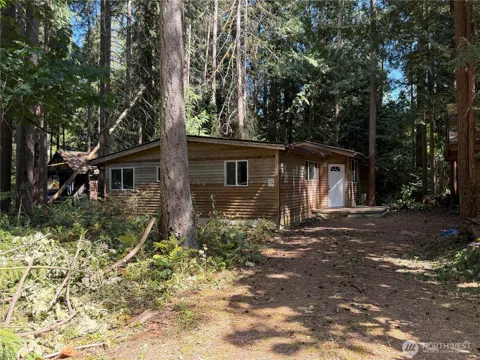
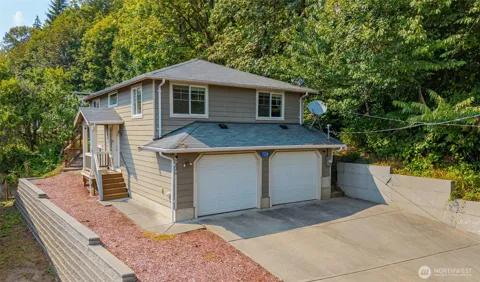
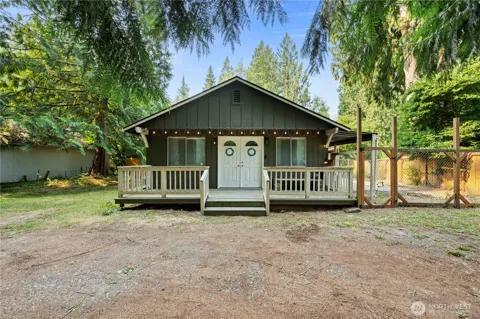
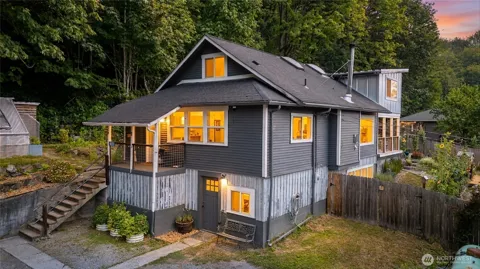
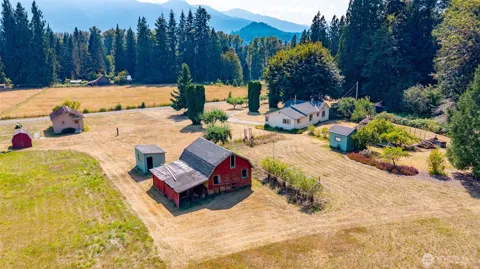
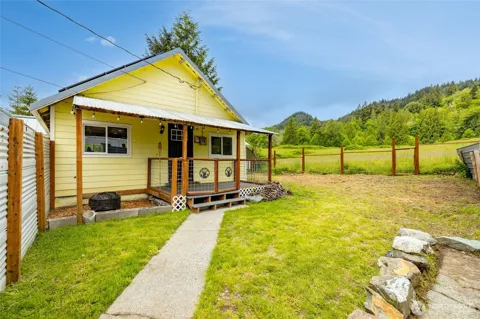
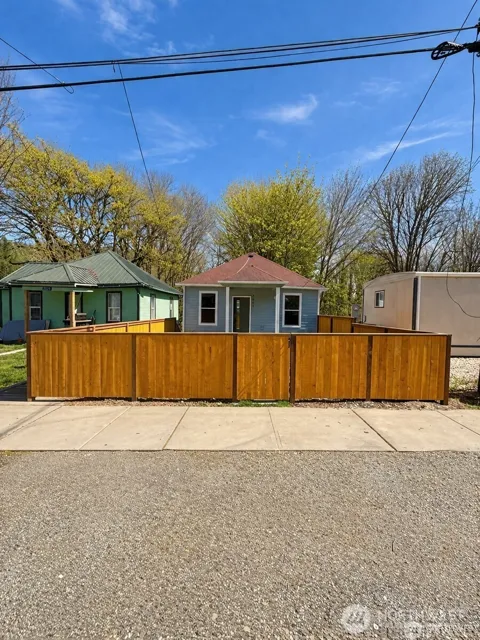
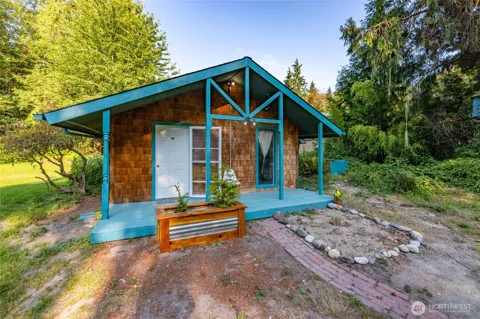
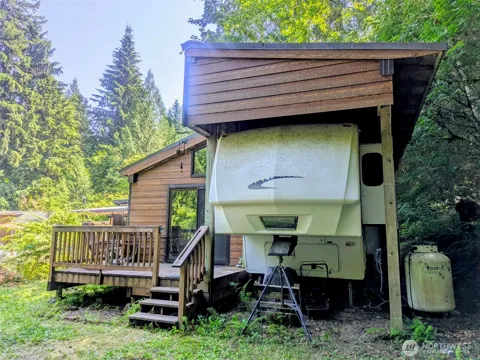
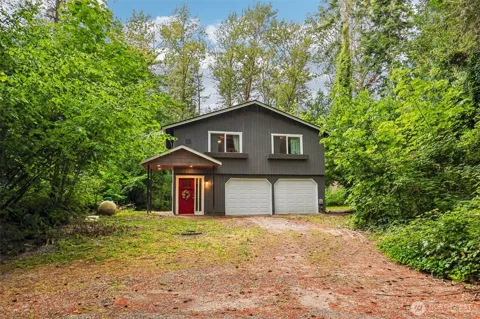
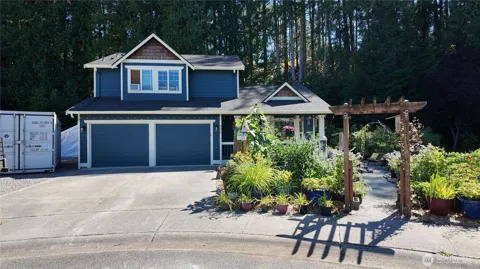
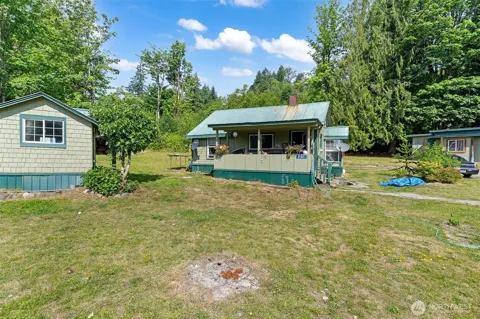
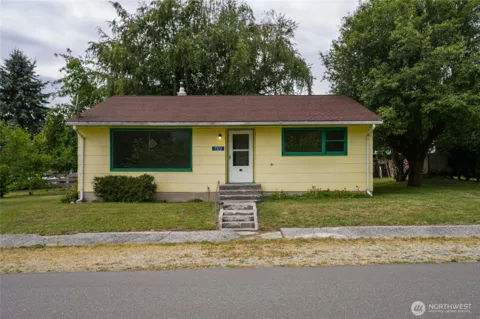
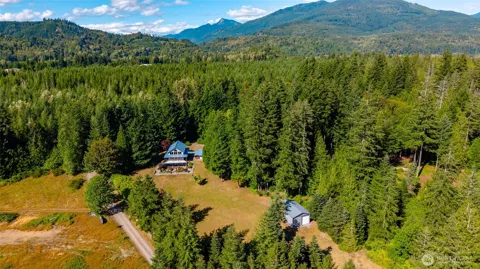
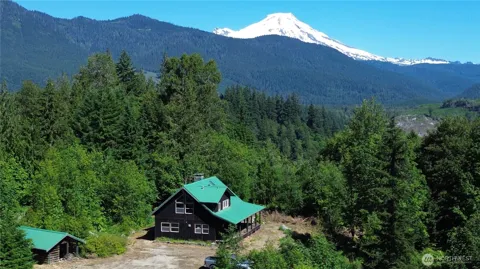
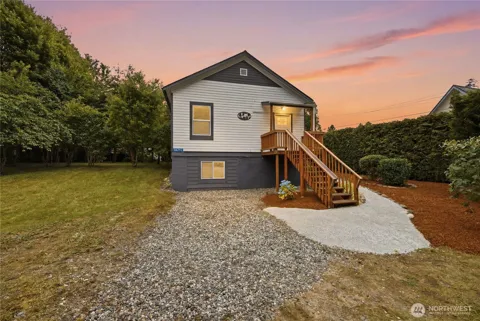
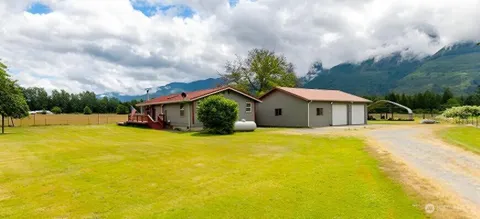
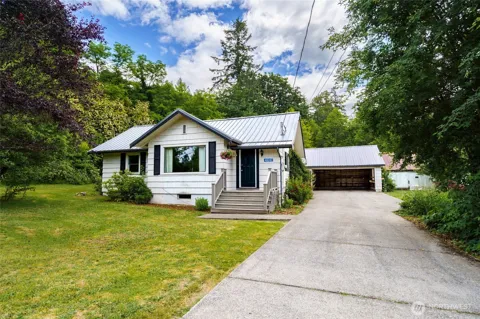
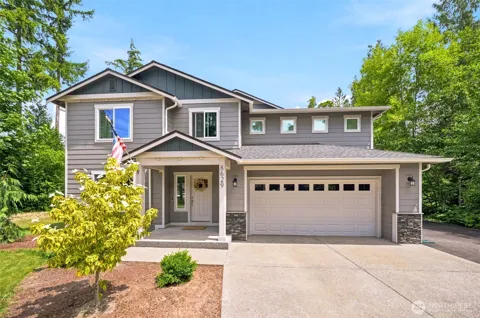
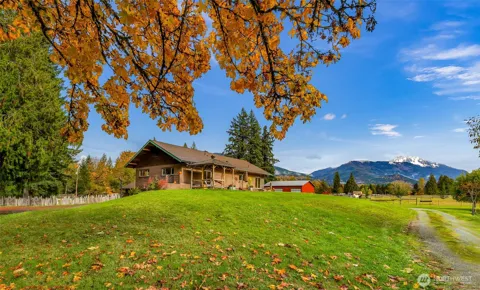
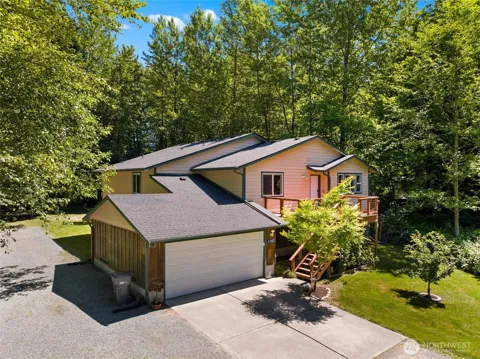
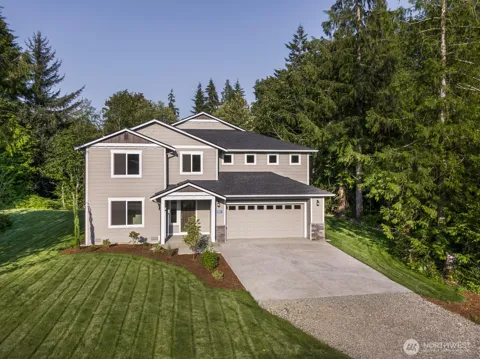
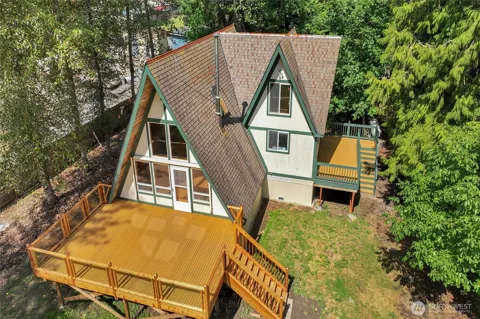
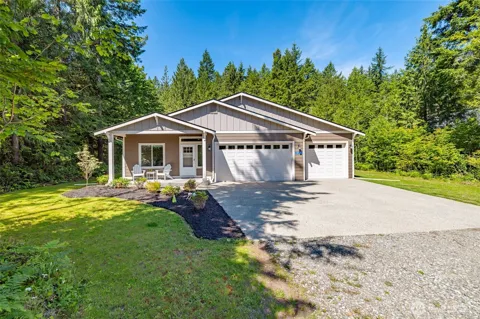
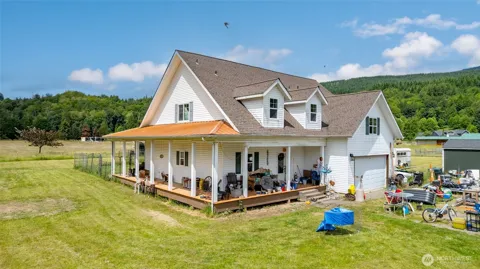
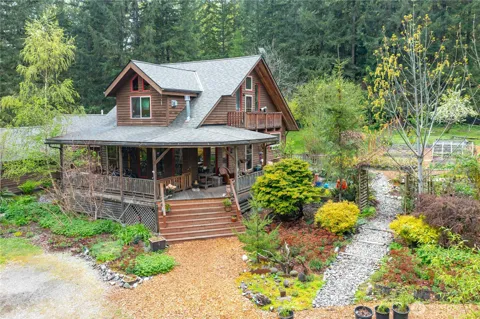
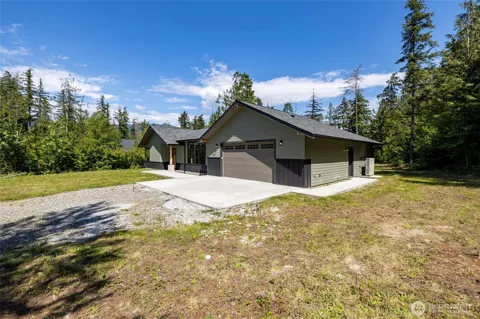
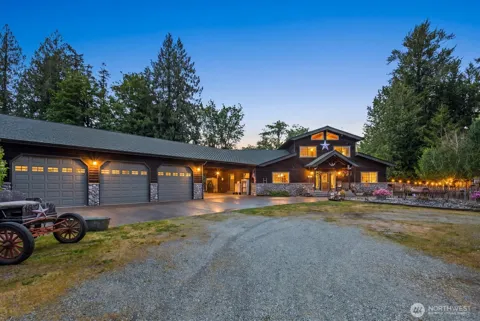
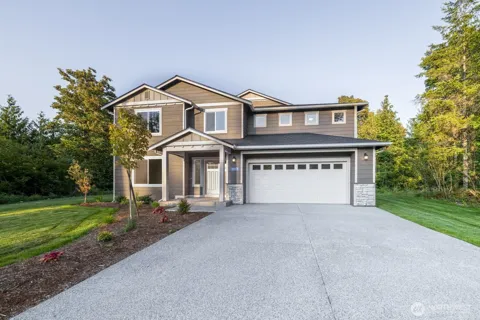
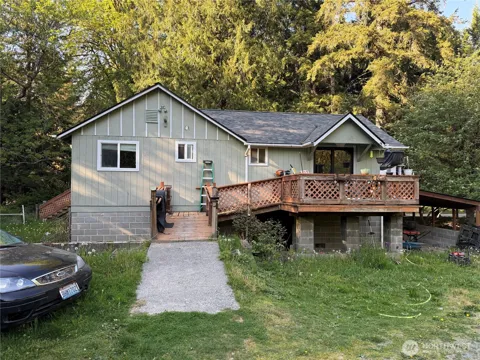
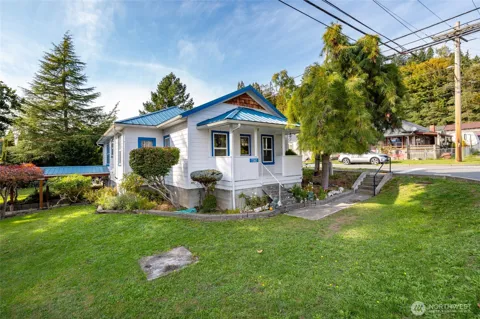
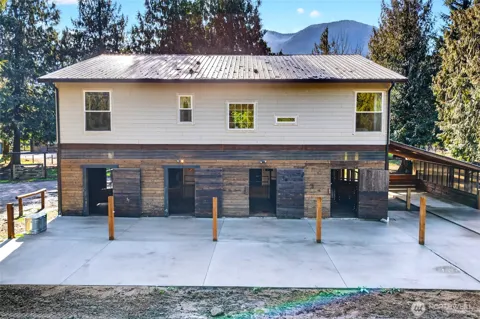
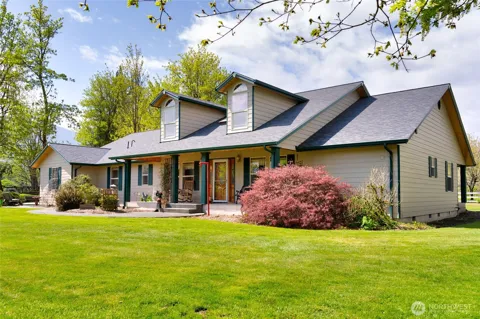
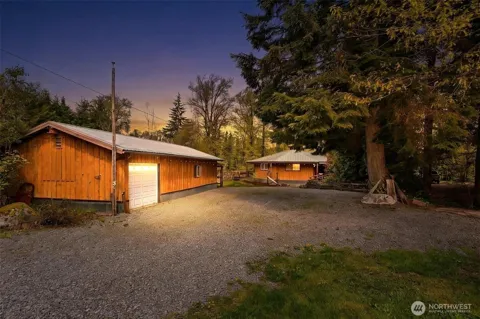
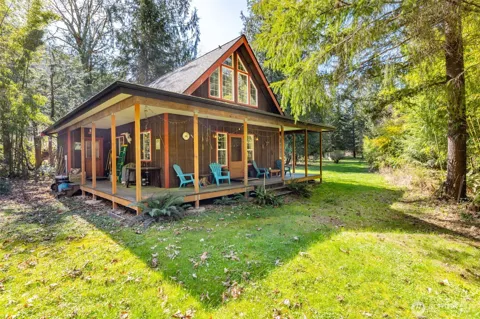
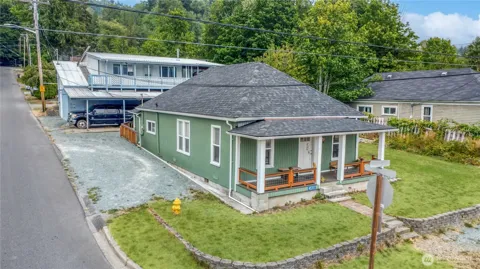
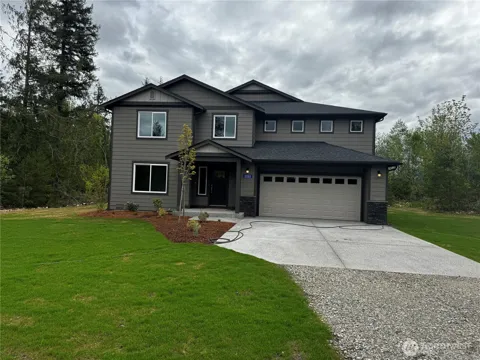
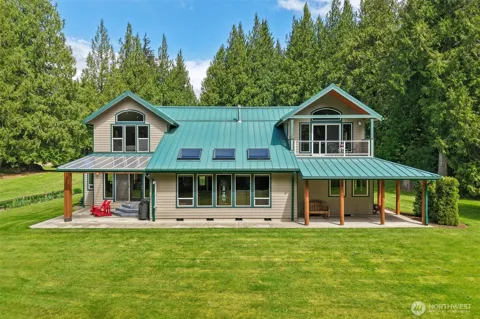
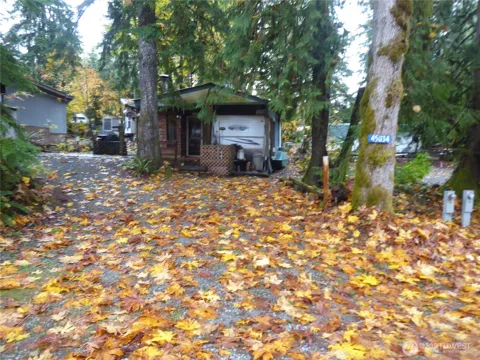
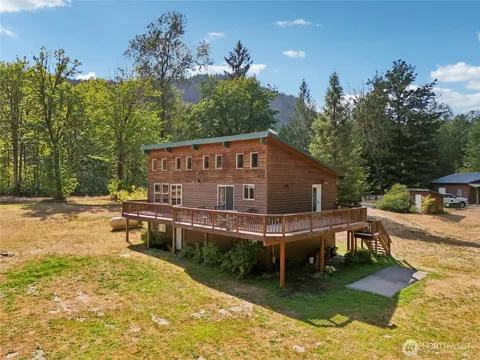
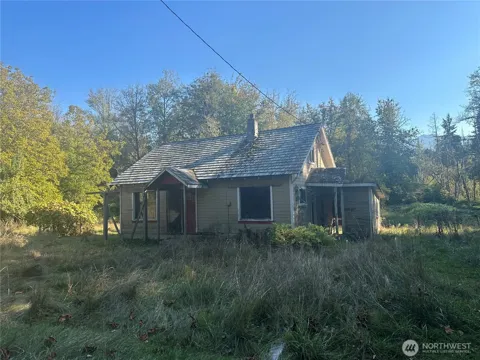
Concrete's housing reflects its character as a small industrial-era river town. The community holds a mix of older single-family homes near the historic core, modest residences, and some newer construction, with acreage and rural homesites available in the surrounding Skagit County countryside. The market is oriented toward local families, retirees, and those seeking affordable mountain living within reach of the Skagit Valley. Housing demand is modest, and the stock skews toward established homes rather than large subdivisions, with the surrounding forested terrain and river valleys shaping lot patterns.
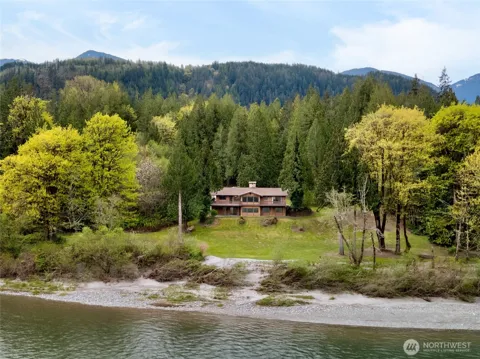
Concrete is a compact town without distinct subdivisions, organized around its historic core near the Baker River and the State Route 20 corridor. The older commercial and residential streets sit close to the river, with the cement-era heritage buildings and the Concrete Heritage Museum anchoring the center. Residential streets extend outward into the surrounding forested terrain, and rural homes spread along the river valleys beyond the town limits. The Skagit and Baker rivers frame the landscape, with the North Cascades rising to the east. The overall feel is that of a small, close-knit river town set within dramatic mountain scenery.
Concrete offers a quiet, rural lifestyle set against the North Cascades. As a town of about 800 people at the confluence of two rivers, daily life is unhurried and connected to the outdoors, with fishing, river access, and mountain recreation close at hand. The town's industrial past — cement production and the Baker River dams — gives it a working, historic character distinct from the region's more tourist-oriented communities, and the Concrete Heritage Museum preserves that story. Residents reach Sedro-Woolley and Mount Vernon for larger shopping and services, while State Route 20 provides access to the North Cascades and the Skagit Valley. The result is a small, scenic community suited to those seeking mountain living and river access.
Concrete is served by the Concrete School District, a small, community-focused district with four schools serving roughly 500 students. The district provides preschool through twelfth grade education in a close-knit rural setting, with a strong connection between the schools and the community. Because the town is small and the district serves a broad rural area, school sites are shared across the region. For additional educational options and higher education, residents look to Sedro-Woolley, Mount Vernon, and the larger Skagit Valley communities.
Concrete sits along State Route 20, the North Cascades Highway, which runs through the town and provides the main road connection west to Sedro-Woolley, Mount Vernon, and the Interstate 5 corridor, and east into the North Cascades. The town is part of the Mount Vernon-Anacortes metropolitan area, with Mount Vernon providing the nearest larger shopping, healthcare, and services. The surrounding highways and rural roads serve the Skagit Valley and the mountain communities to the east. The town's location at the gateway to the North Cascades gives it a distinct role as a stopping point and base for mountain travel.
Recreation around Concrete centers on the rivers and the mountains. The Baker and Skagit rivers offer salmon and steelhead fishing, boating, and river access, with the confluence at the heart of town. The North Cascades provide hiking, camping, and outdoor exploration, and State Route 20 connects the town to the national park complex and the broader Cascade recreation network. Baker Lake, formed by the Baker River dams, adds boating and fishing, while the Skagit Valley to the west offers birding and seasonal attractions. The town's position at the river confluence makes it a natural base for anglers, hikers, and outdoor enthusiasts.
MARKET SNAPSHOT
How homes have been selling here over the last 90 days.
Market data reflects closed sales over the last 90 days and is provided for informational purposes.
BROWSE BY ZIP
Browse listings by postal code in this area.