Port City on Commencement Bay
Welcome to Tacoma, a Pierce County port city on Puget Sound's Commencement Bay, about 30 miles south of Seattle with Mount Rainier on the horizon.
Tacoma is the county seat and largest city of Pierce County, Washington, situated on Commencement Bay, an inlet of Puget Sound roughly 30 miles south of Seattle. Its 2020 census population of about 219,000 makes it Washington's third-largest city and the urban, economic, and cultural center of the South Sound. The city's skyline and daily life are framed by two powerful geographic features: the deep-water bay that built its economy, and Mount Rainier, whose summit rises some 45 miles to the southeast and gives Tacoma one of the Pacific Northwest's most memorable settings. Tacoma's origins lie in the 19th-century competition for Pacific trade. Settled in 1864 and platted in 1868 as Commencement City, it was soon renamed Tacoma, a Coast Salish name for Mount Rainier. The city's fortunes turned when the Northern Pacific Railroad chose Tacoma as its western terminus in the 1870s, and by 1890 the population had surged from about 1,100 to 36,000. Sawmills, grain elevators, a smelter, and deep-water wharves made Tacoma a major port, and that maritime-industrial heritage endures in the modern Port of Tacoma, a significant container and international trade gateway. Today Tacoma's economy is more diversified, resting on the port, health care, education, government, and a growing arts and tourism sector. The city's museum district — anchored by the Museum of Glass, the Tacoma Art Museum, and the LeMay–America's Car Museum — draws regional and national visitors, while the University of Washington Tacoma and the University of Puget Sound anchor higher education. Joint Base Lewis-McChord to the south adds a substantial military and civilian workforce to the regional economy. Residentially, Tacoma is prized for its historic neighborhoods and waterfront parks. The North End and Stadium District hold some of the region's finest early-20th-century architecture, Point Defiance Park offers old-growth forest, a zoo, and shoreline trails, and the Sounder commuter rail links the city to Seattle. For homebuyers, Tacoma combines urban amenities, deep history, and relative value within one of the nation's most dynamic metropolitan regions.
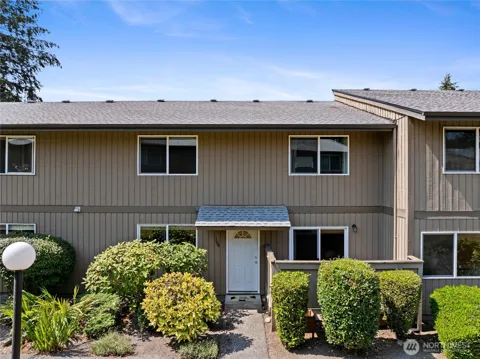
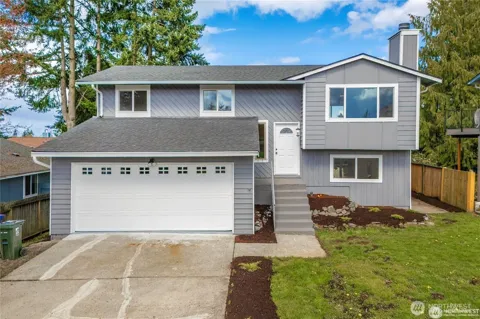
Tacoma is in Pierce County, Washington, on the southern end of Puget Sound. Pierce County is the second-most populous county in the state, and Tacoma serves as its county seat and largest city.
Tacoma sits roughly 30 miles south of Seattle along the Interstate 5 corridor. Sounder commuter rail and regional bus service connect the two cities, making Tacoma a practical base for commuters to the Seattle area.
Tacoma is known for its deep-water port on Commencement Bay, its glass-art heritage anchored by the Museum of Glass, and its setting beneath Mount Rainier. The city also features Point Defiance Park, one of the largest urban parks in the region, and the Tacoma Dome.
Public schools in Tacoma are operated by Tacoma Public Schools, the third-largest district in Washington. The district serves roughly 30,000 students across dozens of elementary, middle, and high schools, along with early learning centers.
Tacoma's population was about 219,346 at the 2020 census, making it Washington's third-largest city after Seattle and Spokane. The broader Pierce County area holds roughly 905,000 residents, reflecting the city's role as the South Sound's urban core.
Yes. Tacoma is a major deep-water port city on Commencement Bay, an inlet of Puget Sound. The Port of Tacoma handles containerized cargo and international trade and has been central to the city's economy since the late 19th century.
City Guide
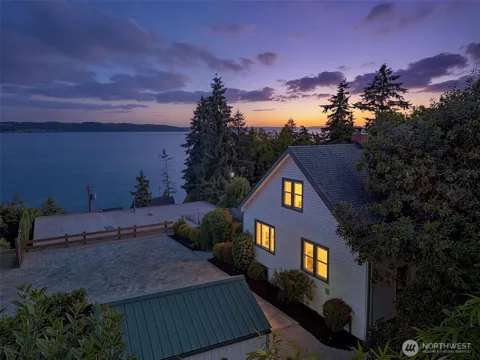
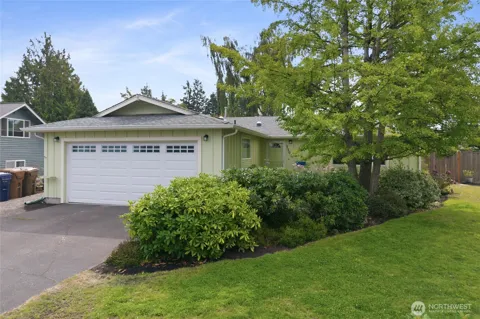
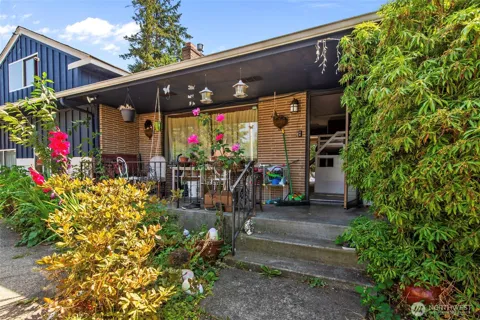
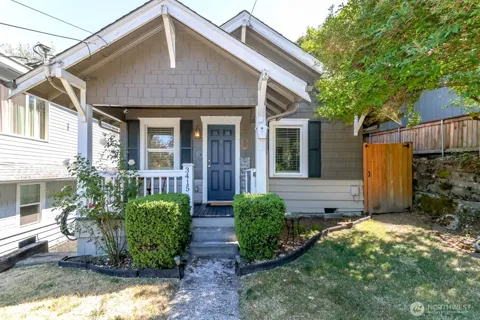
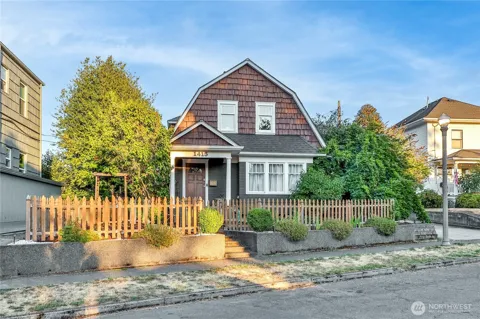
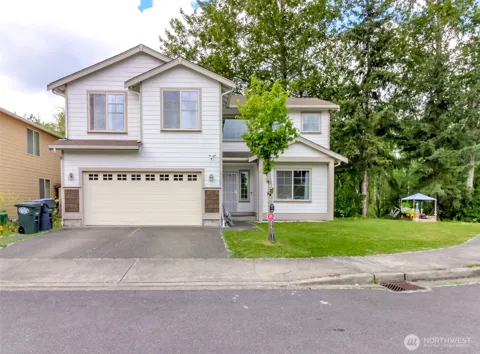
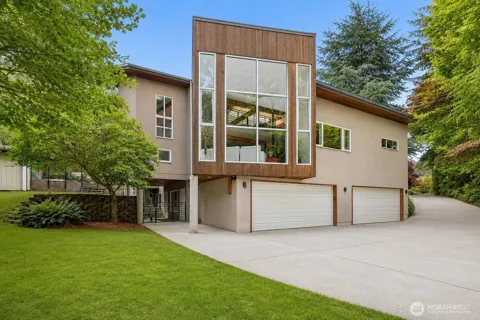
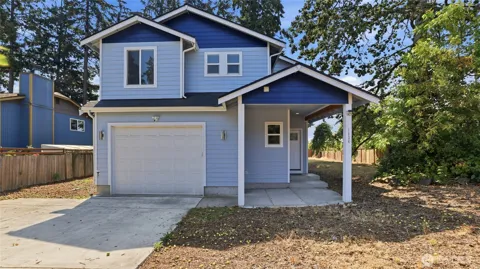
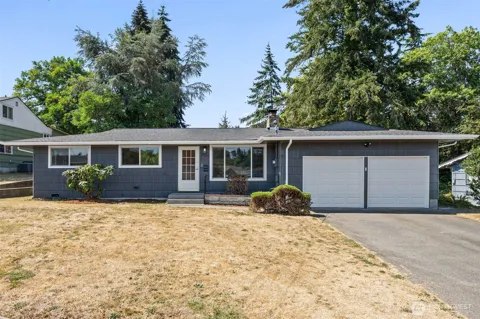
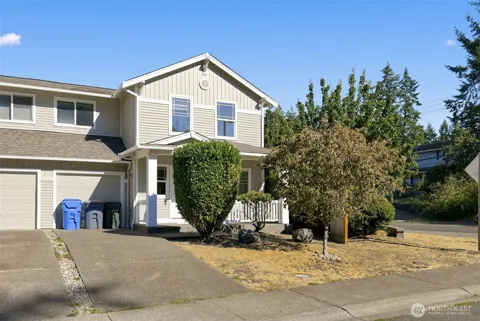
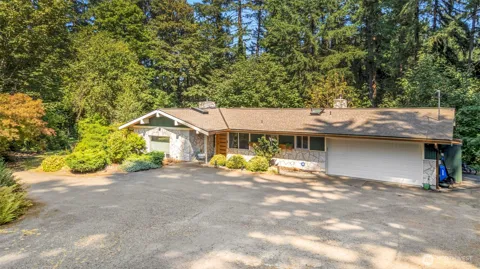
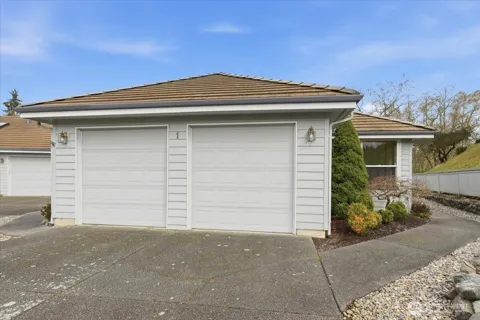
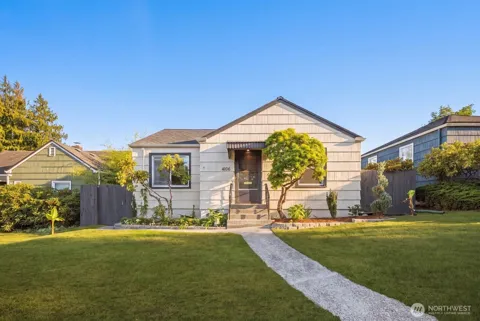
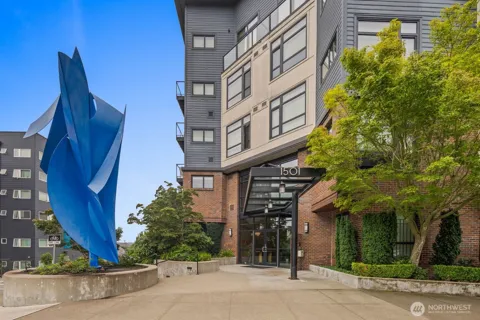
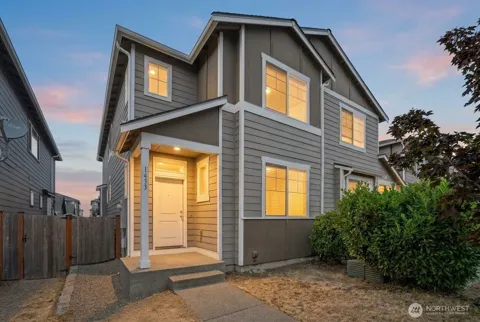
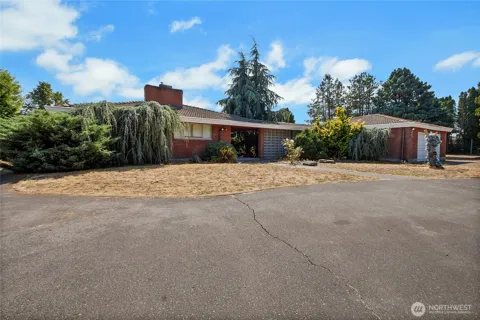
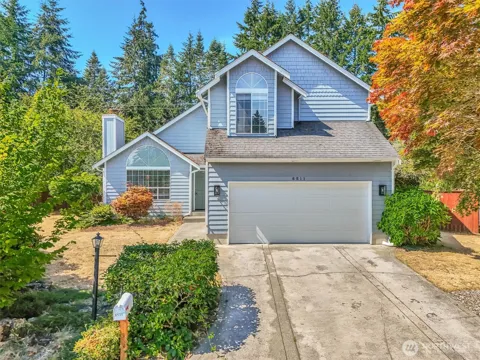
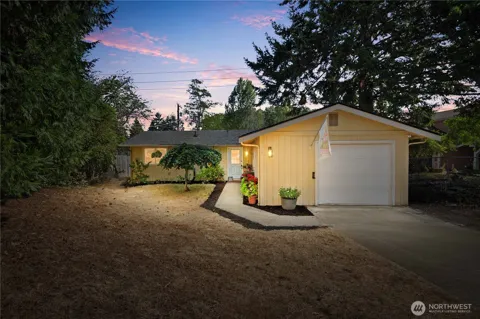
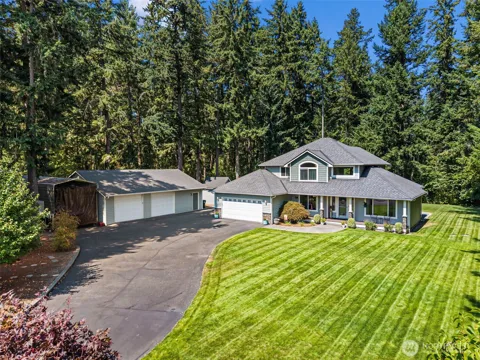
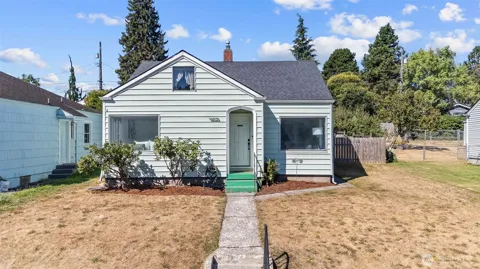
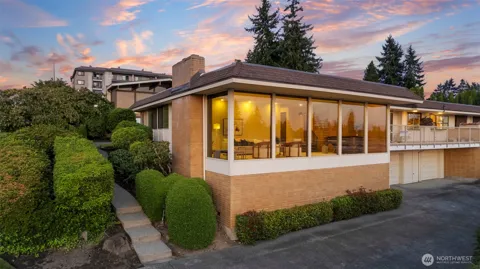
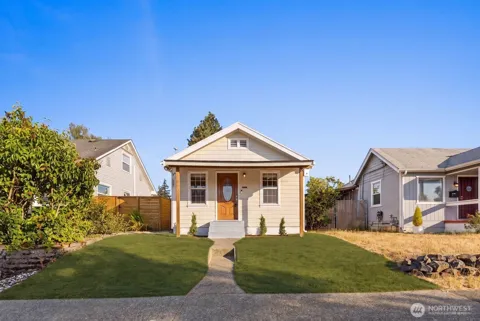
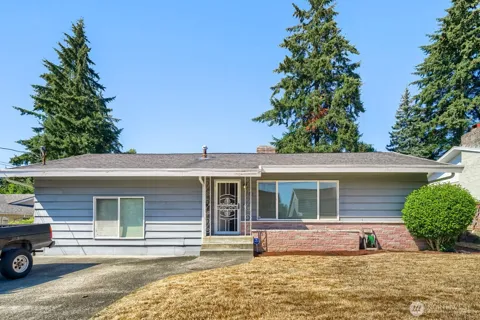
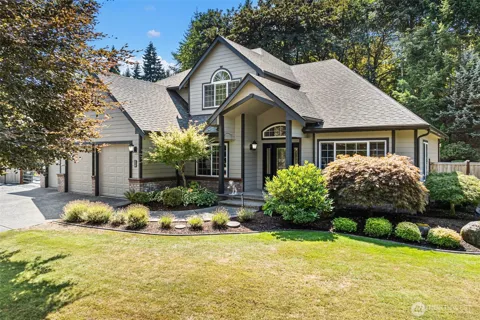
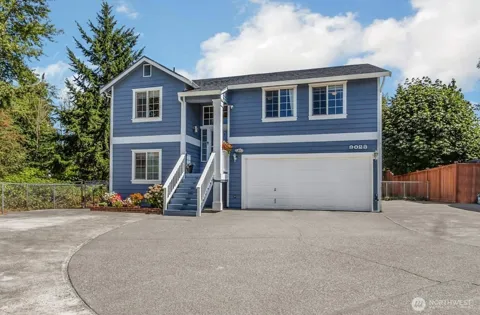
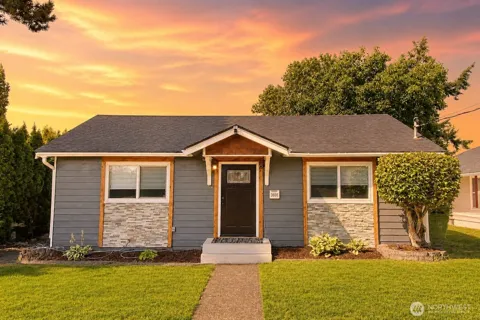
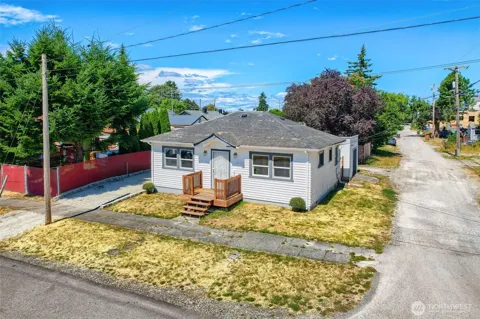
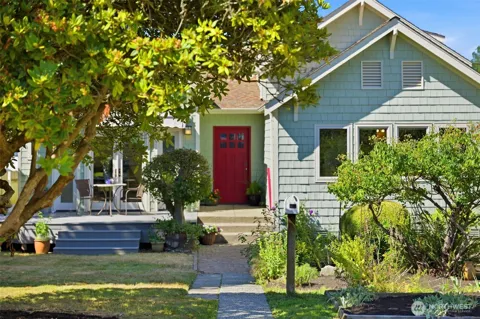
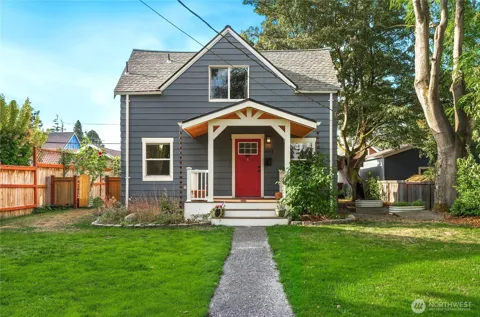
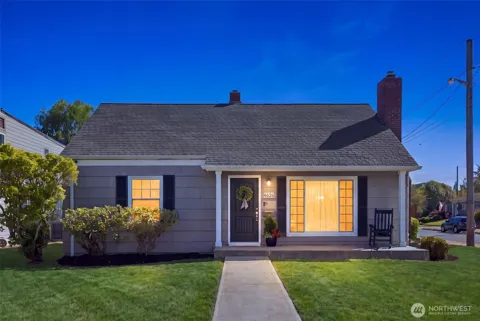
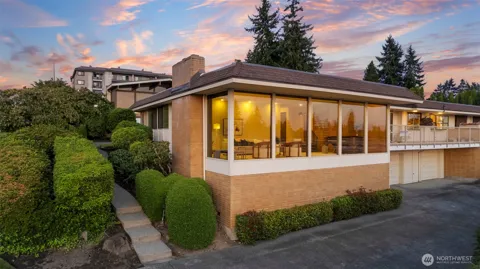
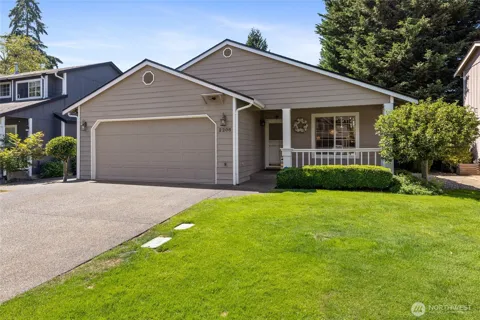
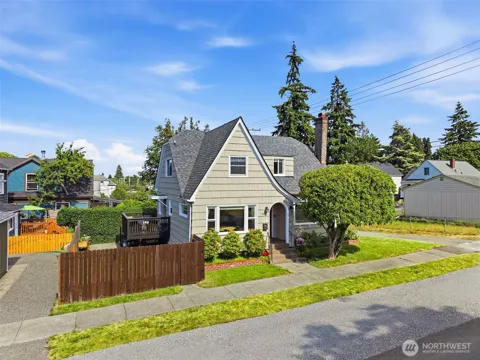
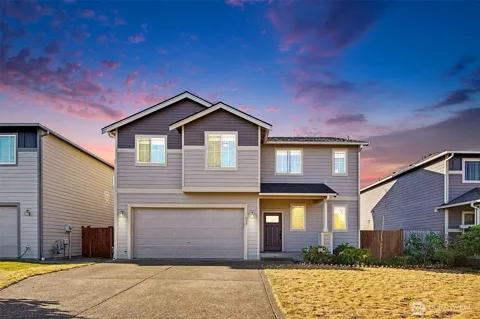
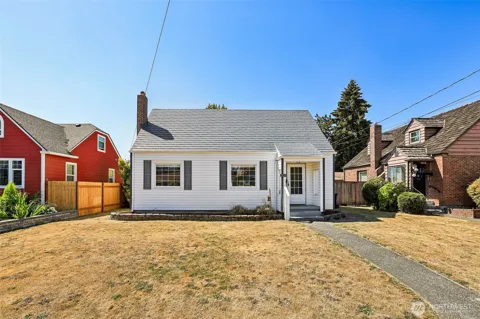
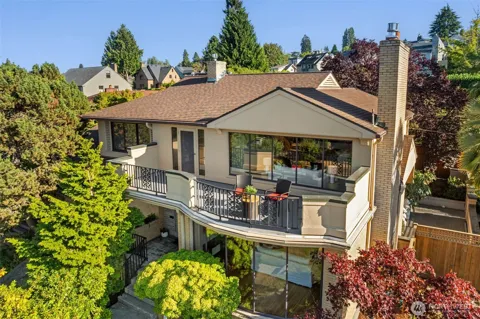
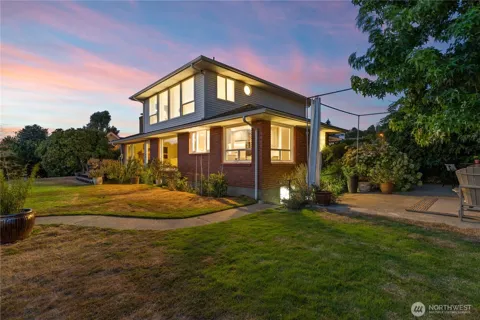
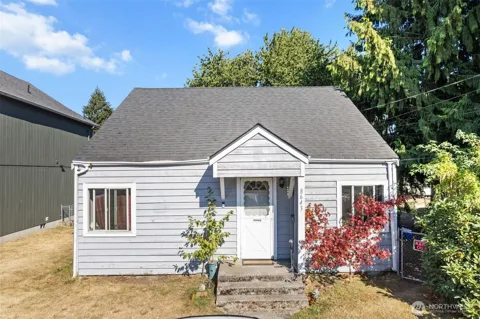
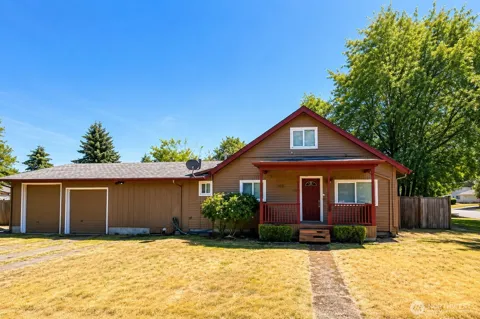
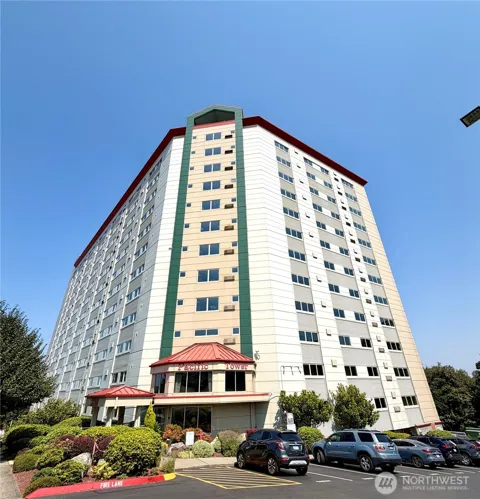
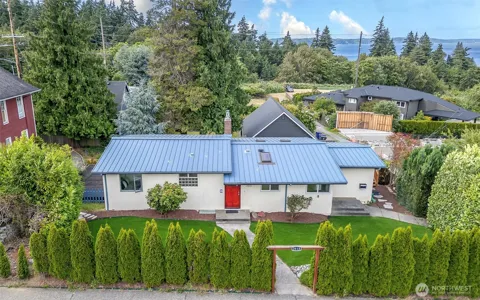
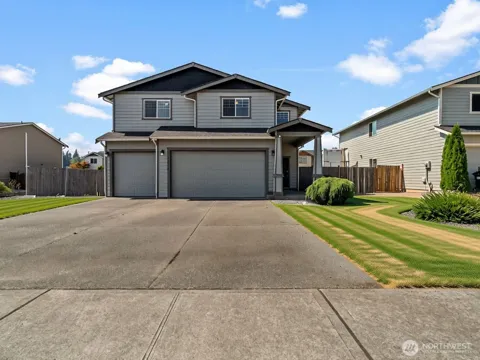
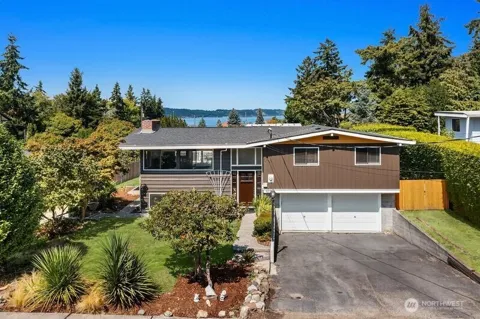
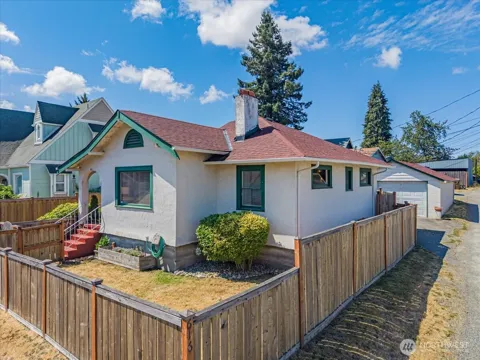
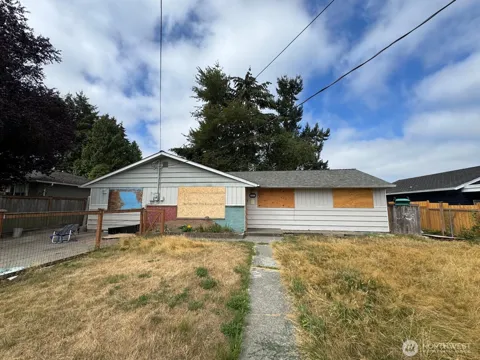
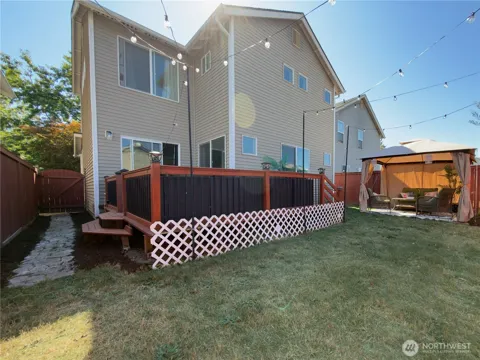
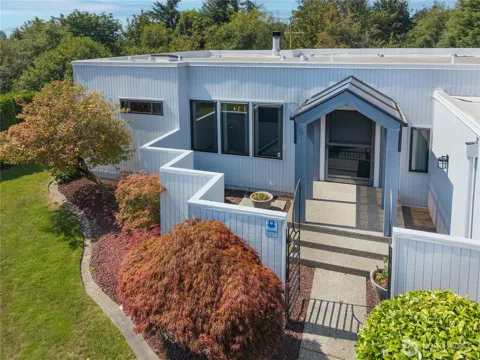
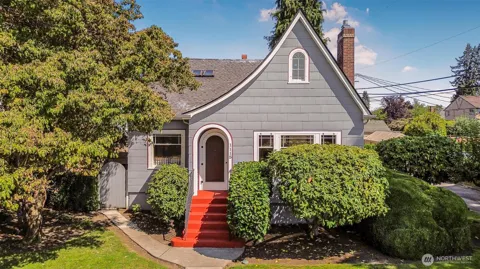
Tacoma's housing stock is one of the most architecturally distinctive in the Pacific Northwest. The North End and Stadium District contain extensive early-20th-century homes — Craftsman, Tudor, Queen Anne, Colonial, Cape Cod, and Victorian styles — many of them well preserved and set on tree-lined streets, with condominiums offering Commencement Bay views. Hilltop and other older neighborhoods feature a mix of early-20th-century and mid-century single-family homes, while downtown has added newer condominium and apartment construction. The city's housing is generally more accessible than Seattle's, drawing buyers and renters seeking historic character and waterfront proximity. From restored bungalows to bay-view condos, the market spans a broad range of eras and types.
Tacoma's neighborhoods are defined by geography and architectural history. The North End, wrapping around Point Defiance and Commencement Bay, is known for its collection of Craftsman, Victorian, and period homes, along with the Proctor District's neighborhood shopping street. The Stadium District, just north of downtown, is a walkable area of historic homes and bay-view condos centered on the landmark Stadium High School. Old Tacoma and Prospect Hill preserve some of the city's earliest residential fabric. Downtown Tacoma combines theaters, museums, and the University of Washington Tacoma campus with newer residential buildings, while Point Ruston, on the former smelter site along the waterfront, has become a modern mixed-use district with shops, dining, and water views.
Tacoma offers an urban, waterfront lifestyle at a more approachable scale than Seattle. The city's arts identity runs deep, anchored by the Museum of Glass, the Tacoma Art Museum, and the LeMay–America's Car Museum, while the waterfront promenades of Ruston Way and Point Ruston frame daily life against views of Commencement Bay and Mount Rainier. Historic neighborhoods with tree-lined streets, a thriving craft brewery and coffee scene, and a growing downtown give the city a distinctive South Sound character. Commuter rail to Seattle supports a substantial population that works north but lives in Tacoma for its housing value and community feel. The combination of cultural institutions, waterfront parks, and neighborhood character defines the city's appeal.
Tacoma is served by Tacoma Public Schools, the third-largest school district in Washington, enrolling roughly 30,000 students across 36 elementary schools, 13 middle schools, 11 high schools, and early learning centers. The district offers a range of magnet and choice programs, including specialized high school pathways. Higher education is a significant presence: the University of Washington Tacoma occupies a downtown campus along Pacific Avenue, and the private University of Puget Sound is located in the North End. Tacoma Community College and other institutions round out the post-secondary landscape, giving the city a strong educational infrastructure from K–12 through graduate study.
Tacoma sits at a major transportation crossroads on the Puget Sound. Interstate 5 runs north-south through the city, connecting it to Seattle about 30 miles north and to the broader South Sound, while State Route 16 links Tacoma to Gig Harbor and the Kitsap Peninsula across the Tacoma Narrows Bridge. The Sounder commuter rail and regional express bus service operate from Tacoma Dome Station, providing rail connections to Seattle and the surrounding region, and the Tacoma Link light rail serves the downtown and Stadium District. The Port of Tacoma anchors freight movement, and the city's deep-water harbor has shaped its transportation identity since the railroad era.
Tacoma's recreation is anchored by Point Defiance Park, one of the region's largest urban parks, with old-growth forest, a five-mile scenic drive, the Point Defiance Zoo & Aquarium, the Fort Nisqually Living History Museum, and Owen Beach along Puget Sound. The Ruston Way waterfront promenade connects parks, restaurants, and shoreline paths with views of Commencement Bay, the Tacoma Narrows Bridge, and Mount Rainier. The city's museum district offers indoor cultural recreation, and the surrounding South Sound provides hiking, boating, and mountain access, with Mount Rainier National Park within a day trip. Community parks, trails, and waterfront access make outdoor recreation a defining part of life in Tacoma.
MARKET SNAPSHOT
How homes have been selling here over the last 90 days.
Market data reflects closed sales over the last 90 days and is provided for informational purposes.
BROWSE BY ZIP
Browse listings by postal code in this area.