
Puget Sound Metropolis
Listings in Seattle, WA
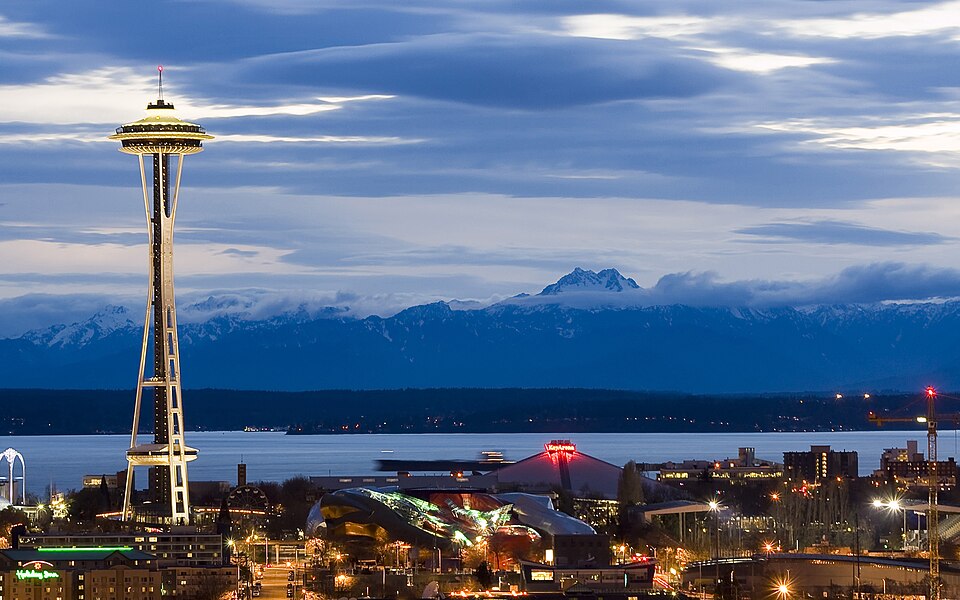
Welcome to Seattle, Washington's largest city, set between Puget Sound and Lake Washington and framed by the Olympic and Cascade ranges.
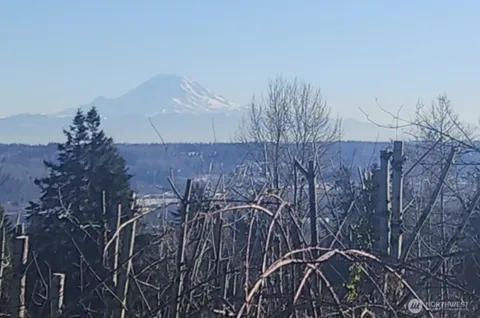
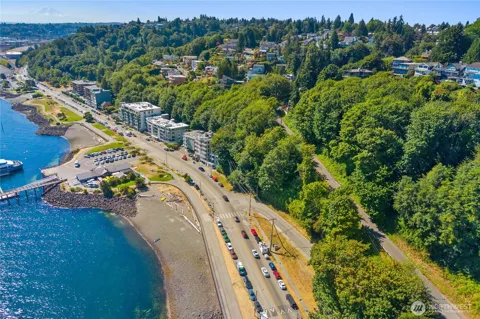
Seattle is the largest city in Washington and the seat of King County, occupying a narrow isthmus between Puget Sound on the west and Lake Washington on the east. The city's geography is its defining trait: steep hills climb from Elliott Bay, neighborhoods wrap around lakes and greenbelts, and on clear days Mount Rainier and the Olympic and Cascade ranges frame the skyline. Ferries, bridges, and a web of waterfronts make Seattle feel inseparable from the water around it. Founded as a timber and port town, Seattle grew through successive waves tied to shipbuilding, aviation, and later software and internet technology. Today its economy is anchored by technology—most visibly Amazon, headquartered in the city—alongside established industrial, maritime, aerospace, and life-sciences employers. The result is a large, highly educated workforce and a dense core surrounded by distinctive residential neighborhoods. The city's character is often described through its neighborhoods rather than a single downtown identity. Capitol Hill, Ballard, Queen Anne, Fremont, and West Seattle each carry their own commercial districts, housing styles, and cultural reputations, from Ballard's Scandinavian-rooted waterfront and restaurant scene to Capitol Hill's nightlife and arts. Pioneer Square, the city's oldest neighborhood, preserves redbrick buildings from the late 19th century near the waterfront. Daily life is oriented around water and the outdoors. The Seattle Parks system manages more than 400 parks, led by Discovery Park's bluffs and forest and the busy 2.8-mile loop at Green Lake. Pike Place Market, open since 1907 and overlooking Elliott Bay, remains a working public market and a civic anchor. The climate is famously temperate and marine, with mild, wet winters and dry summers. Getting around relies on Sound Transit's expanding Link light rail, an extensive King County Metro bus network, the Seattle Streetcar, and Washington State Ferries connecting the city to Bainbridge Island and Bremerton across the Sound. Seattle Public Schools serves students across the city, and the University of Washington and other institutions add an educational and research dimension. For residents, Seattle offers an unusual combination of major-city economy and close-at-hand mountains, water, and trails.

Get more information about Seattle
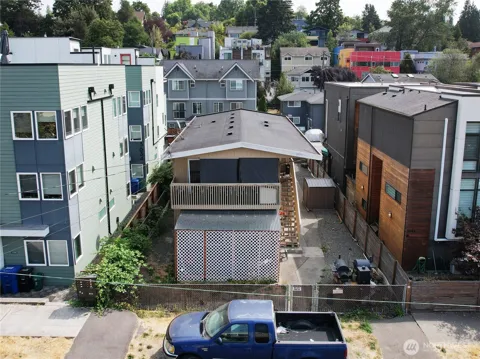
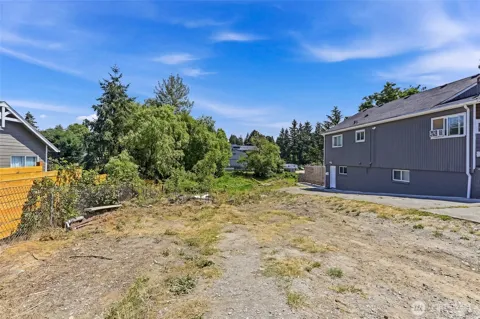
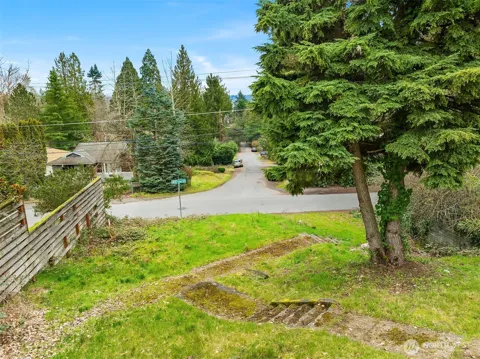
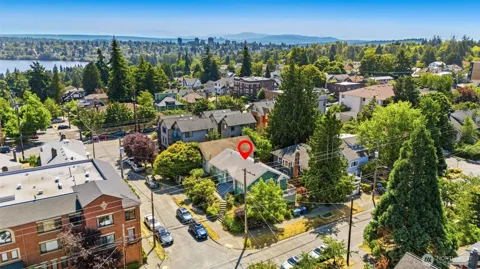
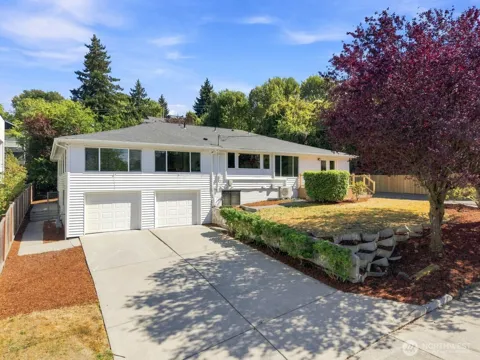
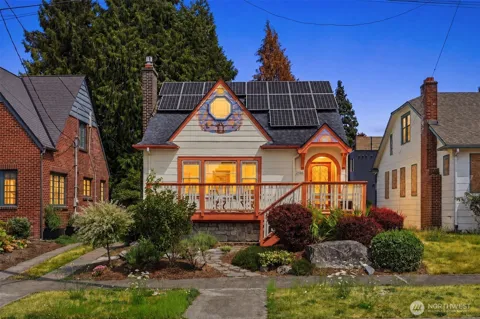
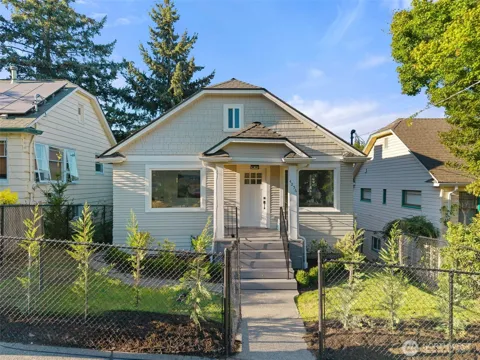
 4 photos
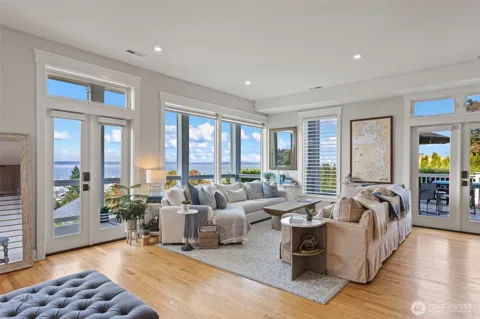
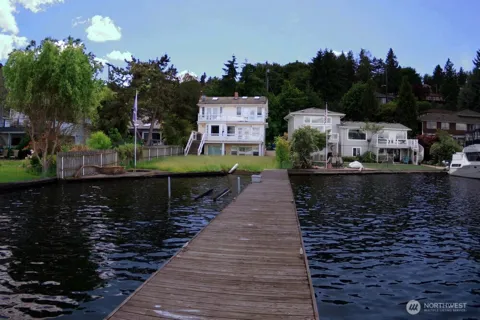
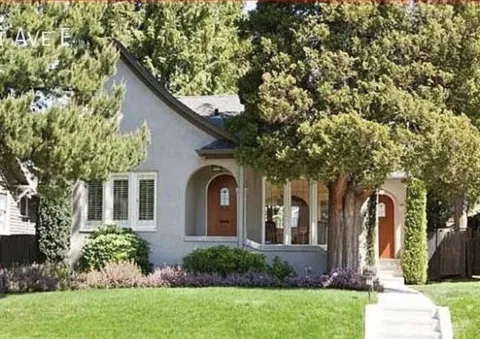
Houses in Seattle, WA
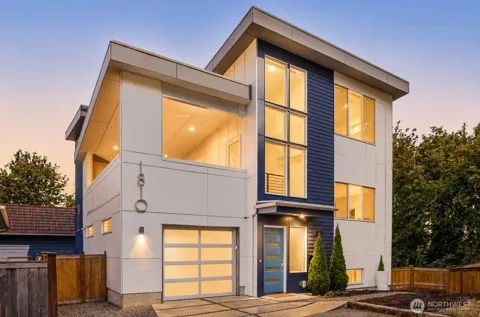

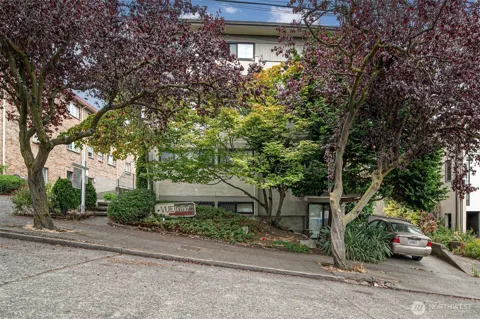
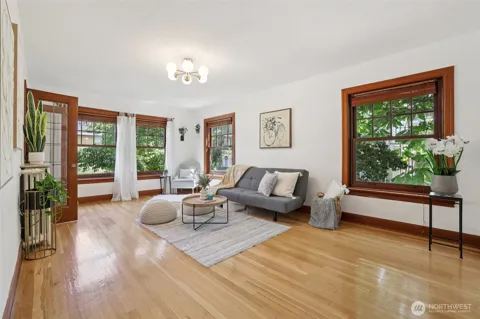
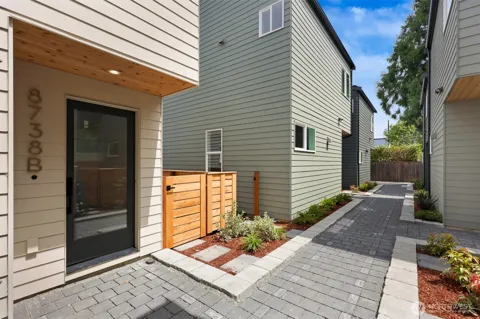
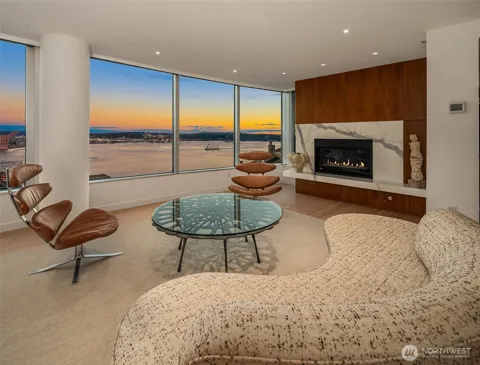
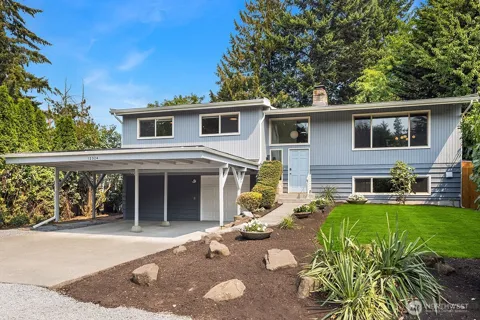
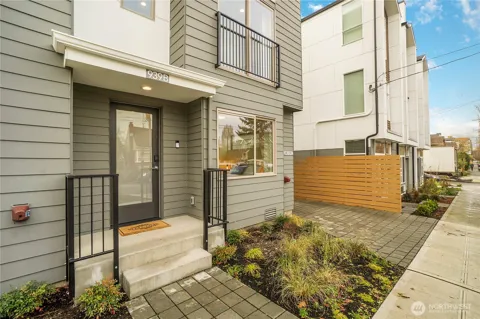
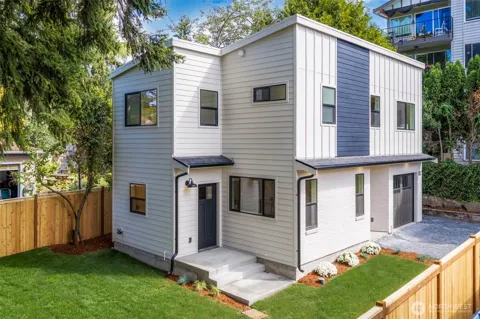
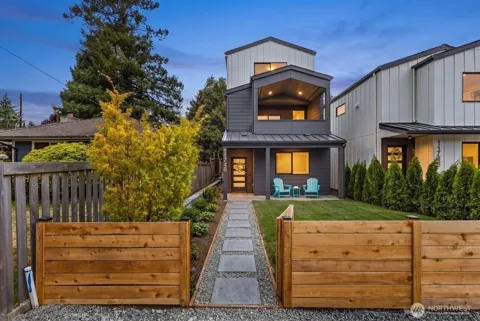

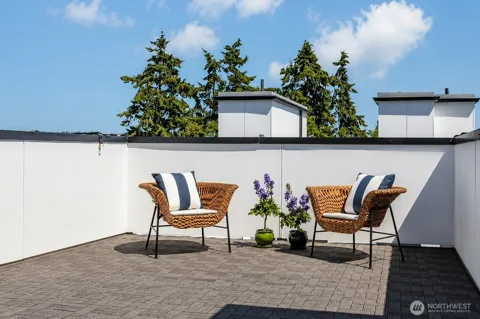
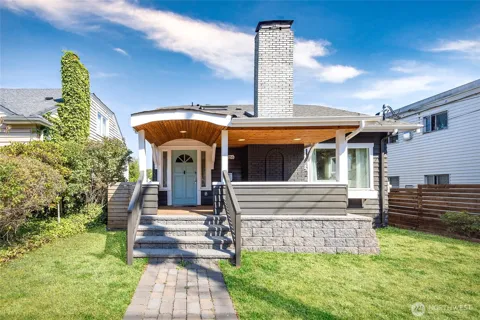
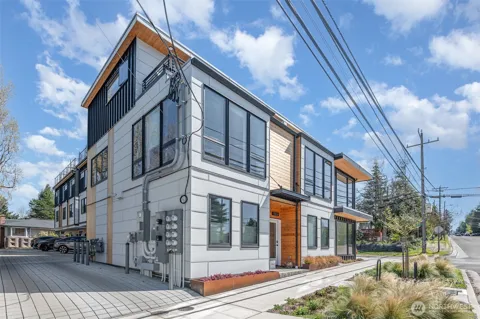
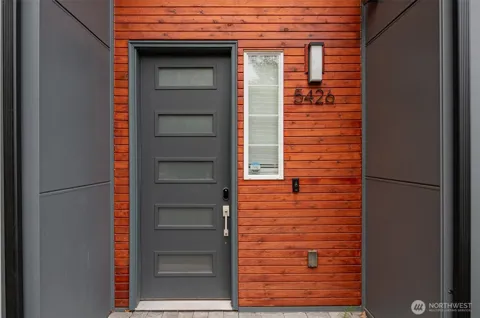
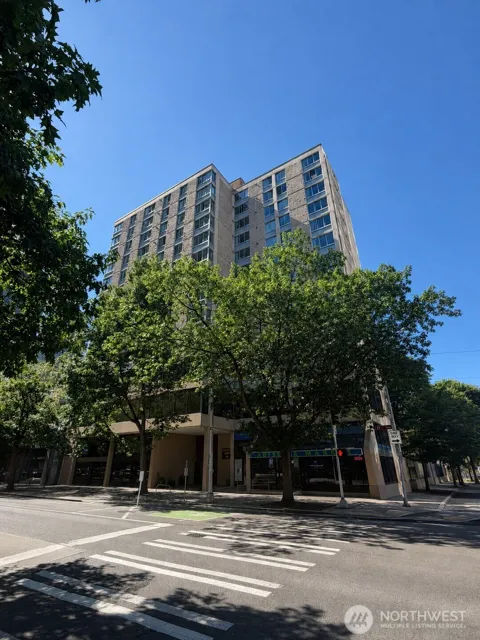
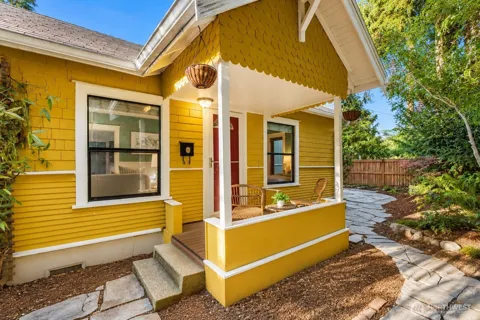
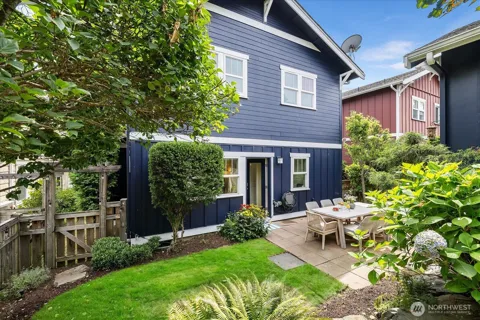
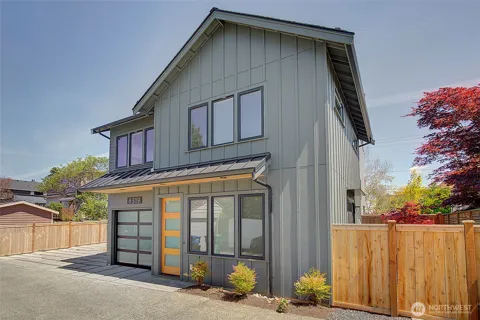
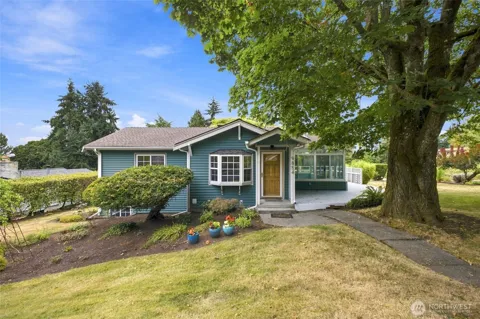
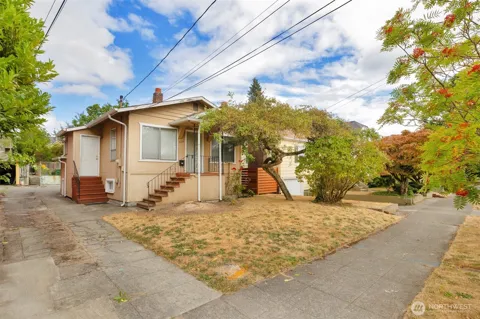
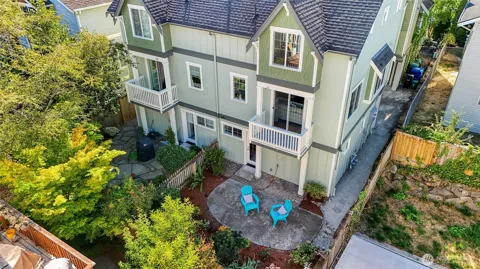
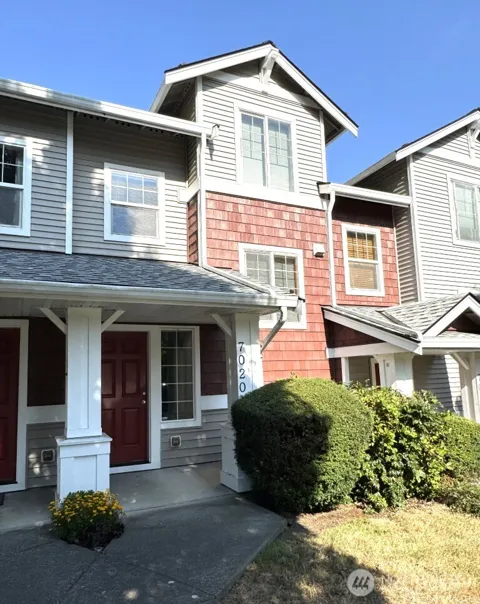
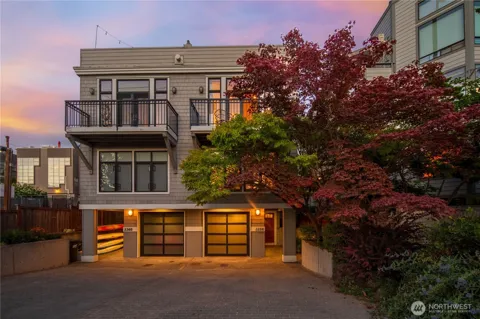
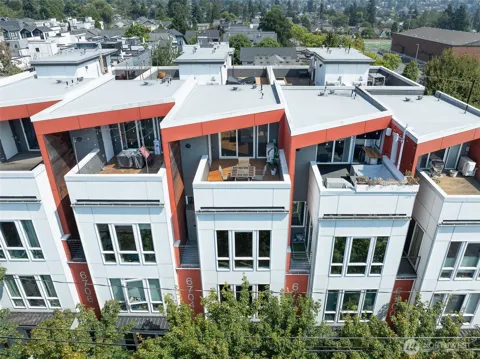
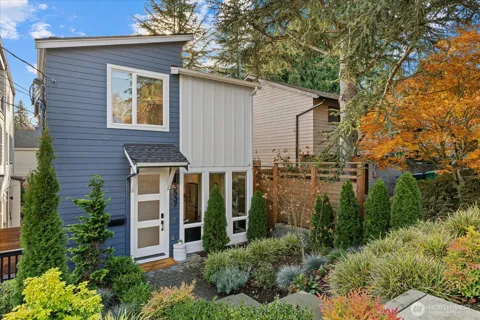
Townhouses & Duplexes in Seattle, WA
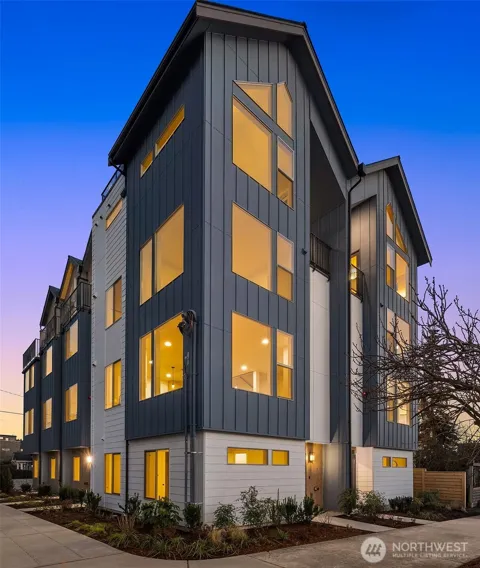
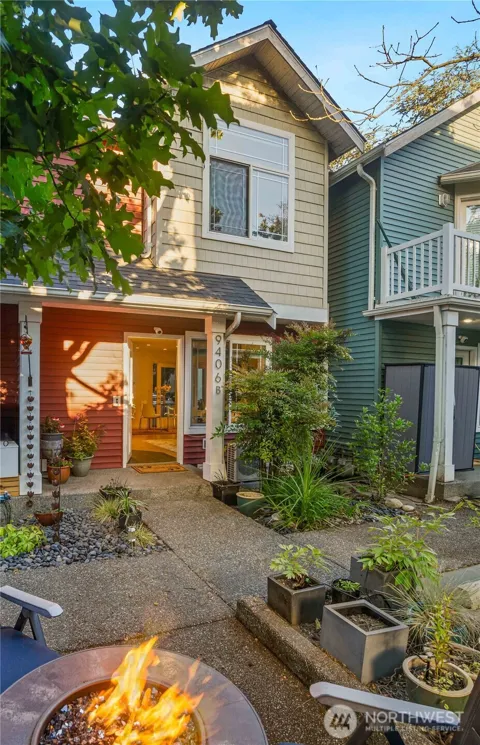
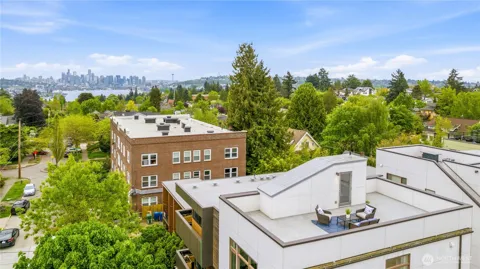
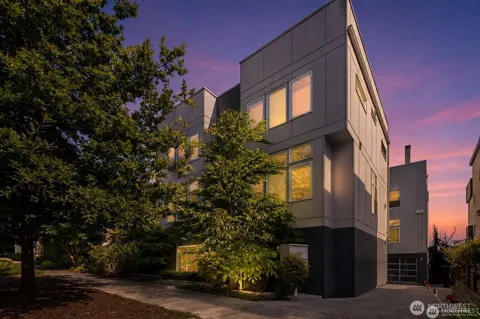
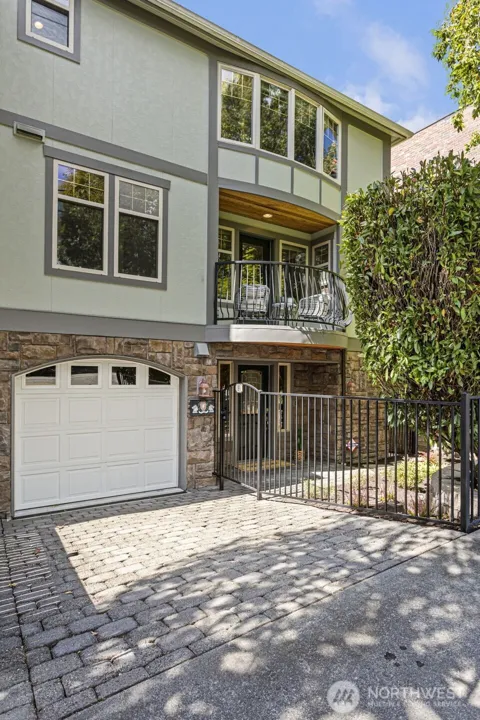
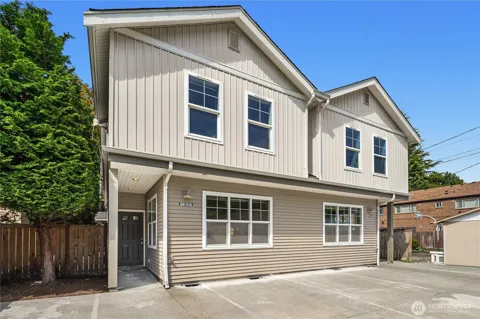
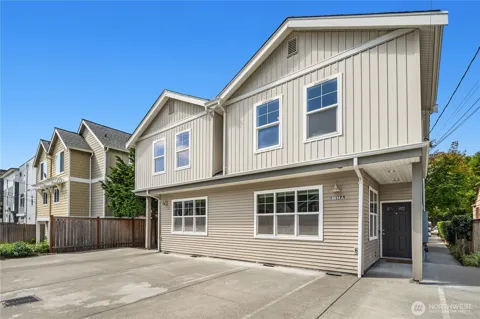
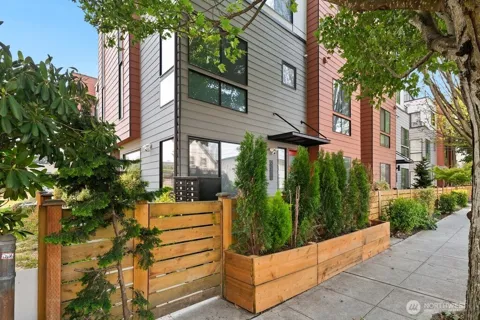
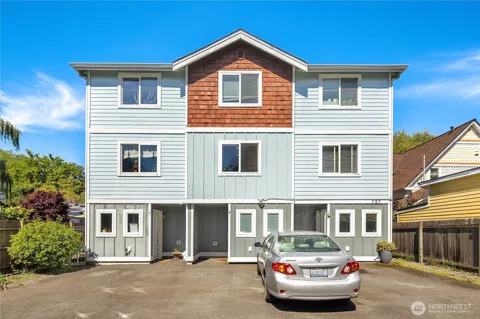
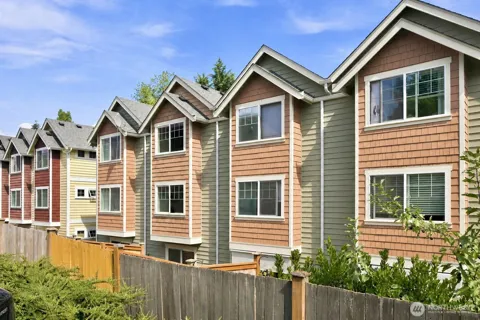
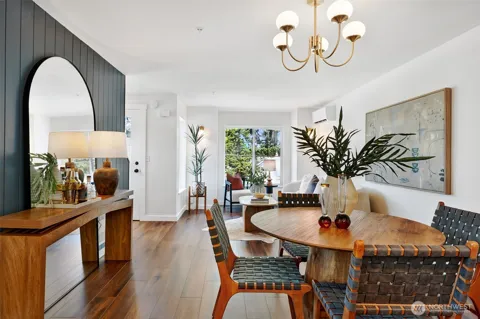
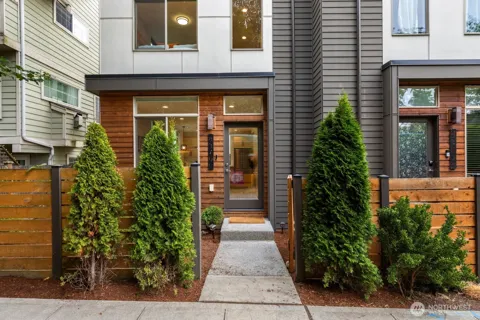
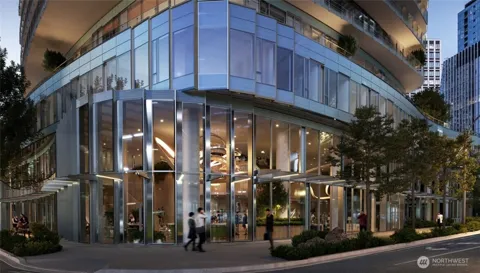
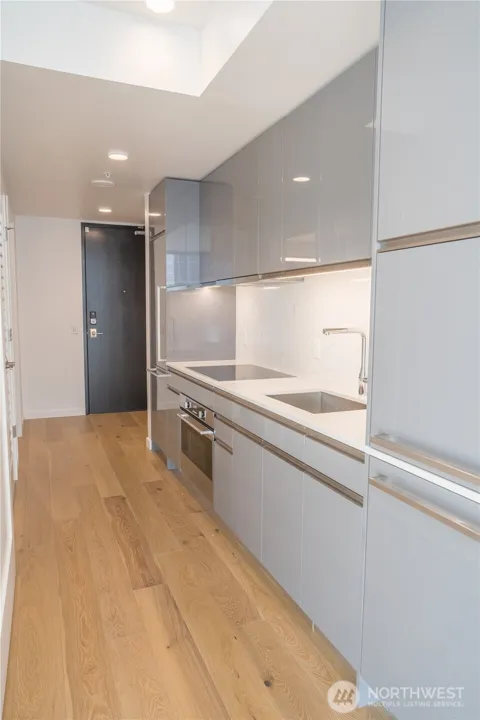
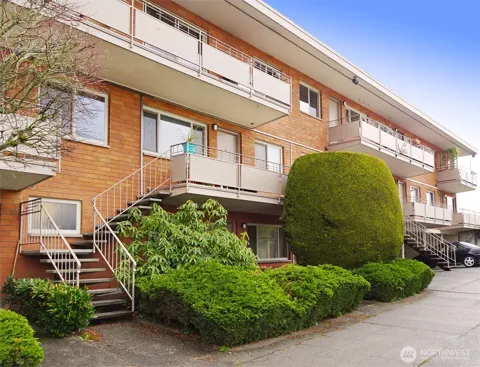
Condos & Apartments in Seattle, WA
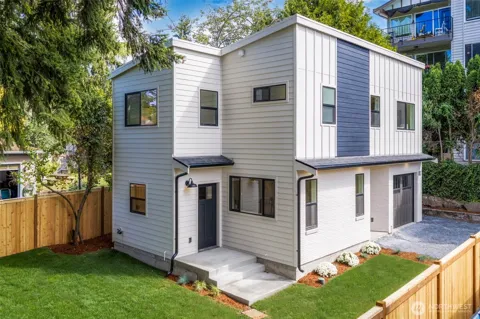
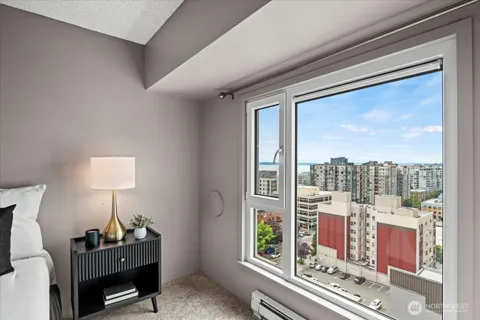
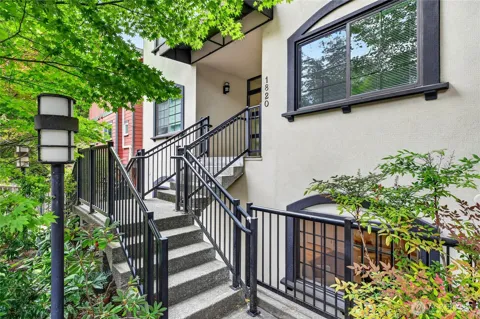
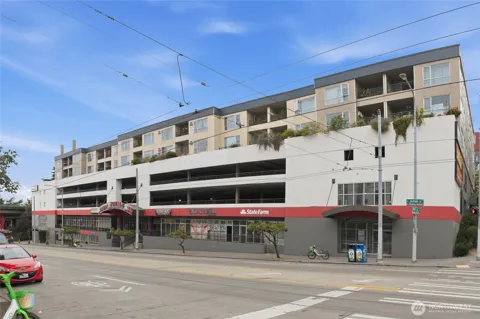
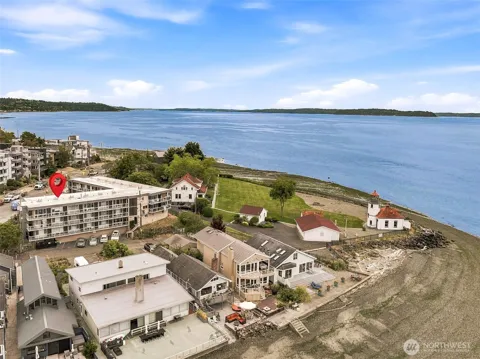
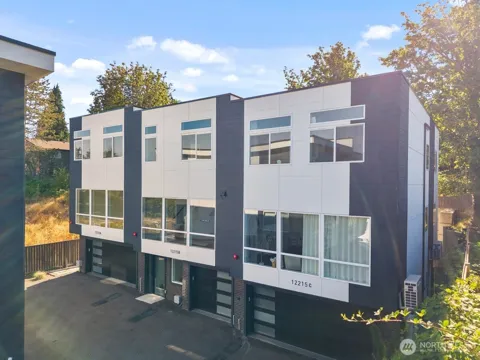
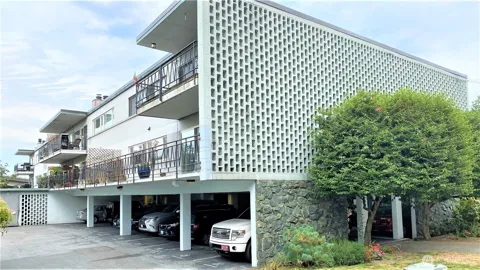
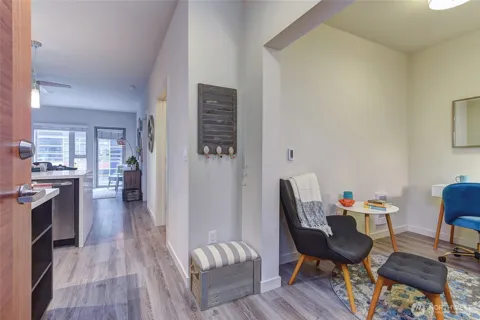
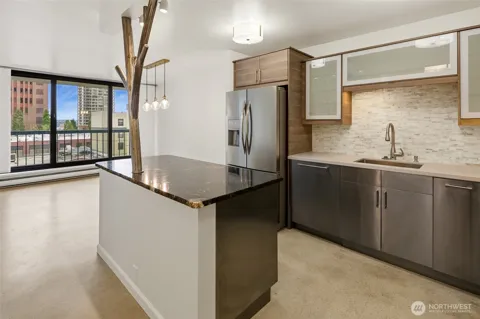
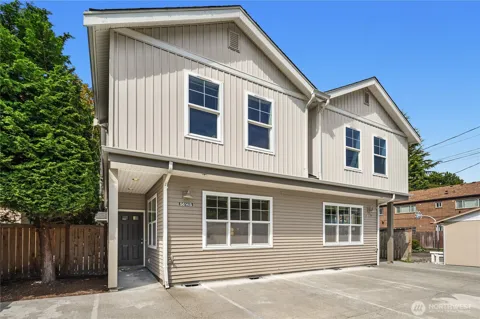
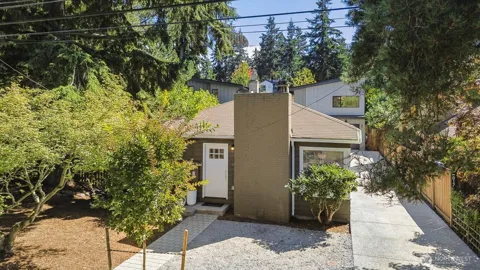
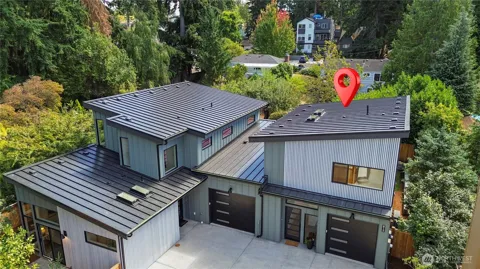
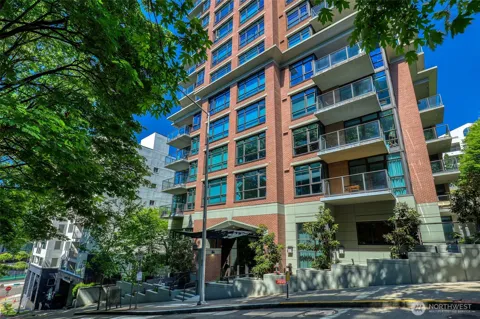
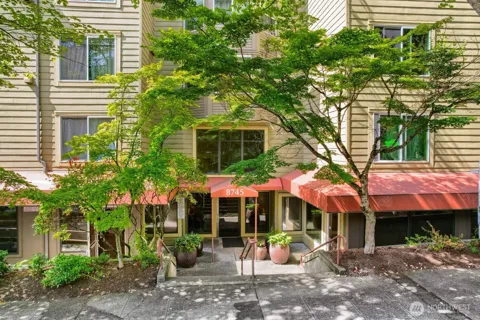
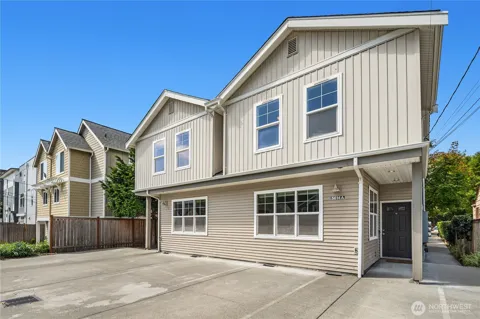
For Rent in Seattle, WA
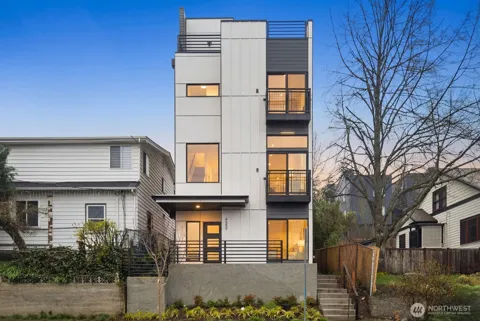
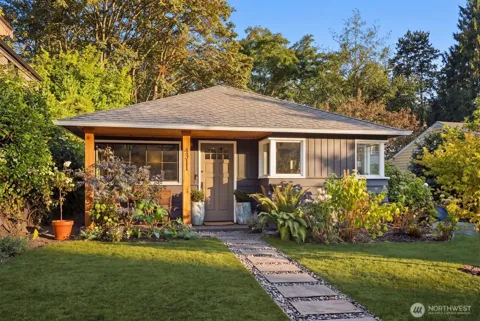
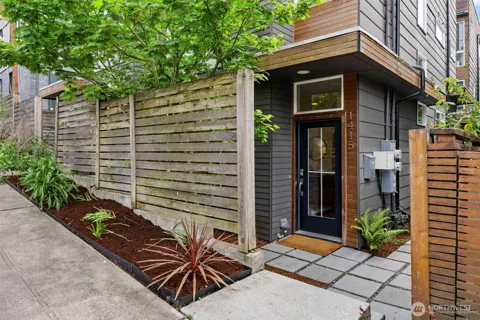
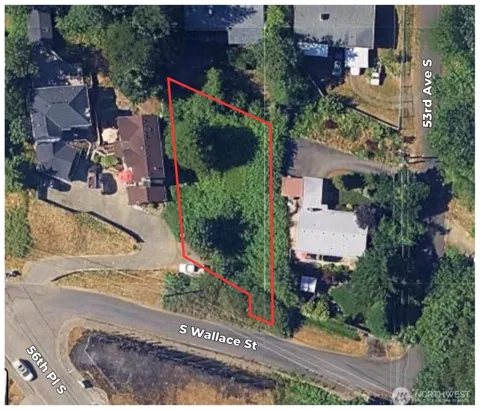
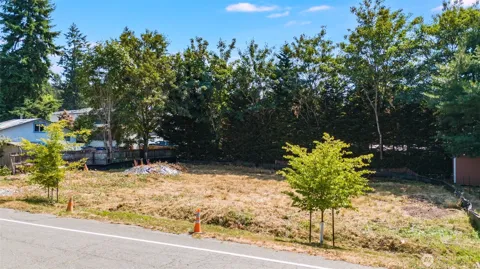
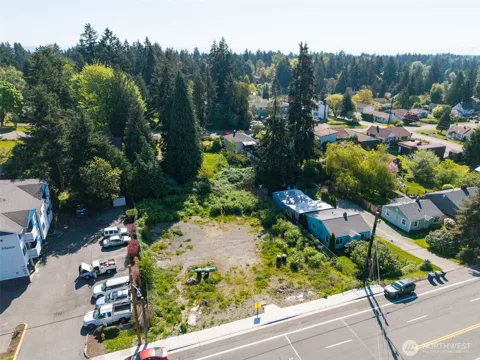
Lots & Land in Seattle, WA

MARKET SNAPSHOT
The Market at a Glance
How homes have been selling here over the last 90 days.
Price & Sales History
Market data reflects closed sales over the last 90 days and is provided for informational purposes.
Zip Codes
BROWSE BY ZIP
Browse listings by postal code in this area.
- Grid
- Map
- List
City Guide
About Seattle
Real Estate & Housing
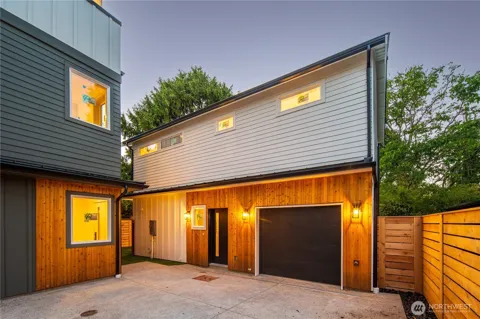
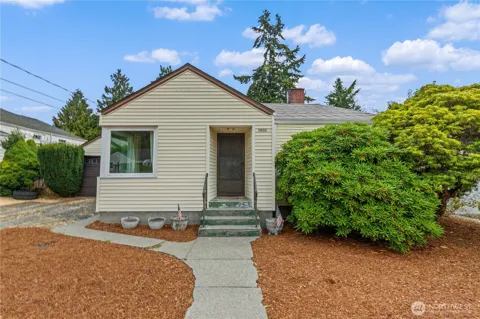
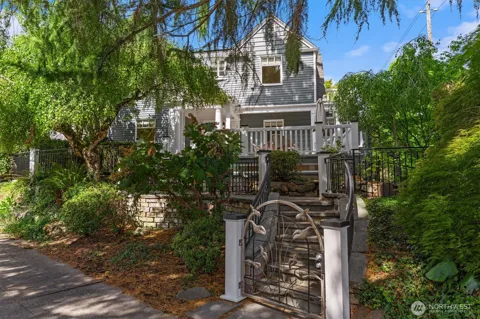
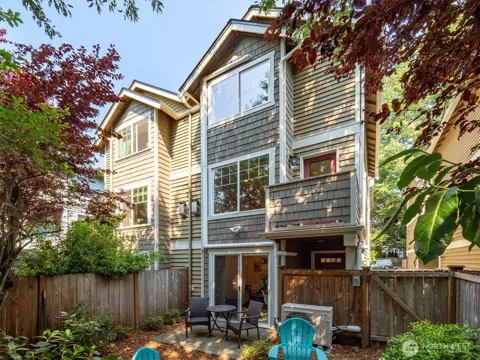
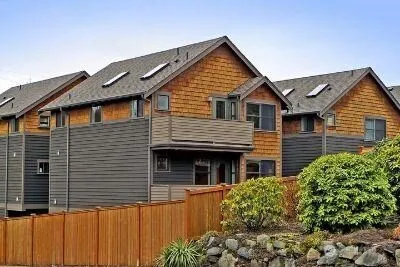
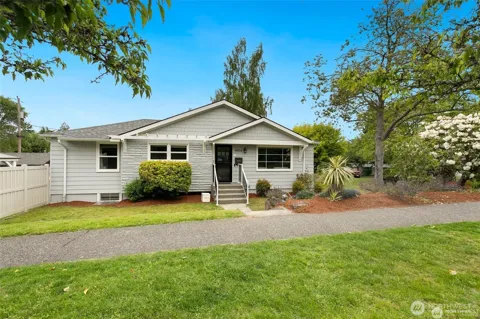
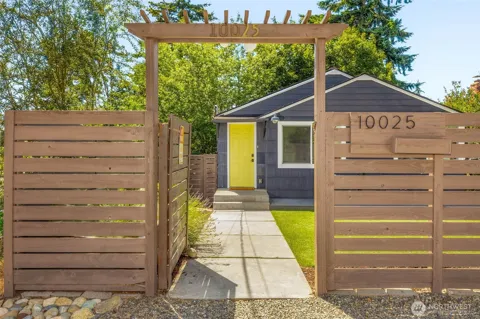
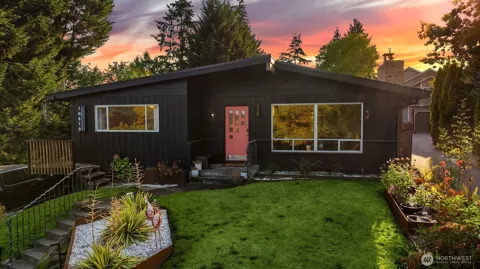
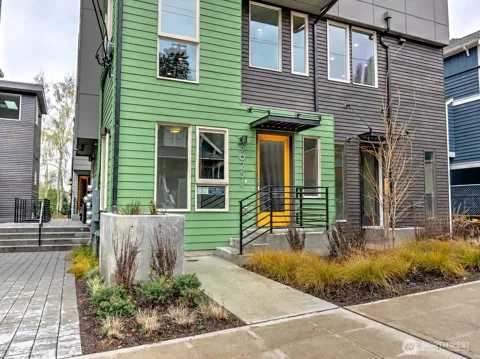
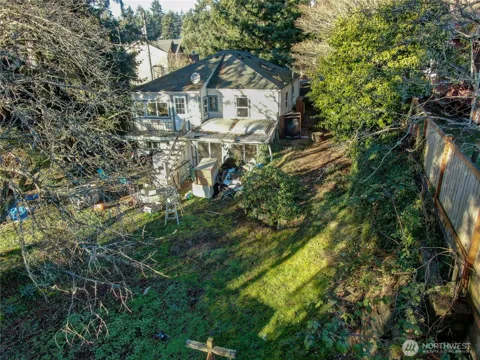
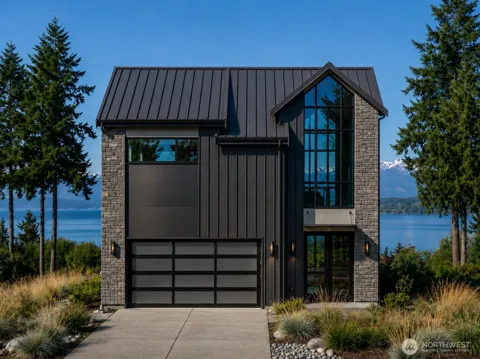
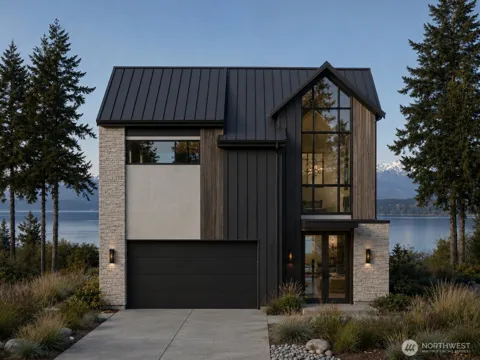
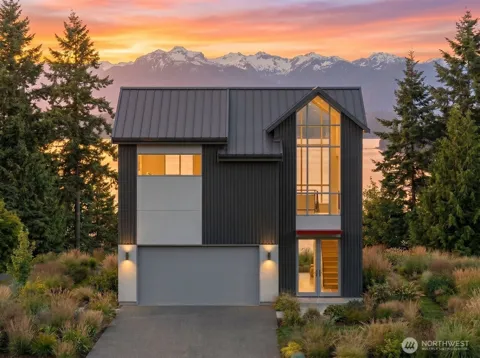
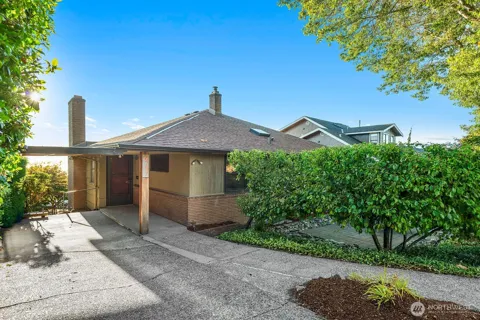
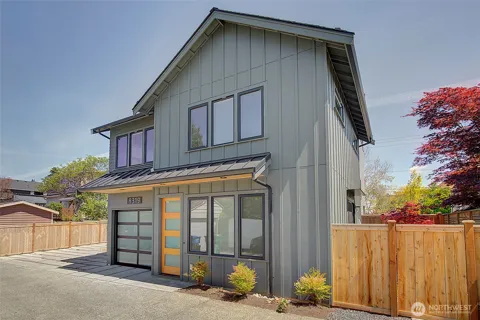
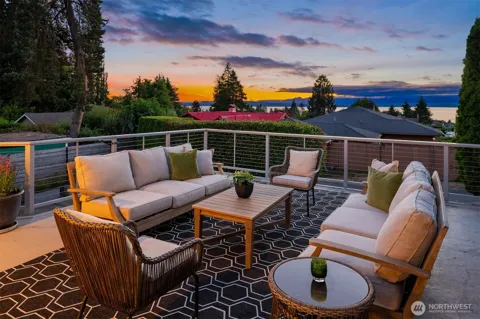
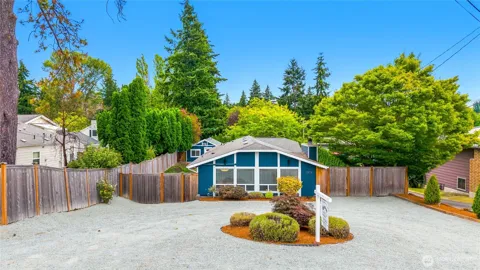
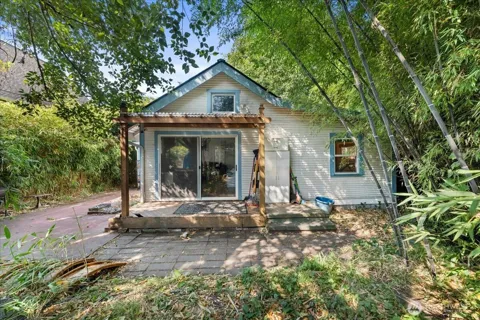
Seattle's housing reflects more than a century of distinct building eras. Craftsman bungalows and foursquare homes from the early 1900s are common across older neighborhoods, joined by Queen Anne Victorians, brick apartment buildings, and mid-century modern houses. In recent decades, modern townhomes and low-rise multifamily buildings have become prominent in neighborhoods such as Ballard, Fremont, and Capitol Hill, while waterfront communities include houseboats and floating homes along Lake Union and Portage Bay. Single-family neighborhoods tend to sit on compact lots with a strong streetcar-suburb feel, and many homes emphasize views, daylight, and connection to the city's hills and water.
Neighborhoods
Seattle is organized around distinctive neighborhoods, each with its own commercial center and character. Capitol Hill, just east of downtown, is known for its nightlife, arts, and historic apartment stock; Ballard, to the northwest, blends a Scandinavian-rooted maritime history with a lively restaurant and brewpub scene near the water. Queen Anne, on a hill north of downtown, offers classic homes and sweeping views of the skyline and Elliott Bay, while Fremont's quirky, artsy identity centers on its canal and bridge. West Seattle feels like a beach town across the bay, with Lincoln Park and Alki Beach, and Beacon Hill sits southeast of the core for an easy downtown commute.
Lifestyle in Seattle
Seattle's culture is shaped by water, coffee, music, and a strong outdoors orientation. Pike Place Market, open since 1907, remains a working farmers market and a gathering place, while Pioneer Square and the city's music venues carry a deep creative legacy. Neighborhood dining scenes range from Ballard's seafood and Nordic roots to the International District's pan-Asian restaurants and markets. Residents spend their free time on the water—kayaking Lake Union, riding ferries, or walking Green Lake—and in the surrounding mountains, which are reachable for day trips. The city's gray, mild winters are balanced by famously clear, dry summers that draw people outside.
Schools & Education
Seattle Public Schools, the state's largest district, serves the city with roughly 50,000 students across more than 100 schools. The district operates neighborhood elementary, middle, and high schools alongside option schools, and families also choose from private, parochial, and independent campuses throughout the city. Higher education is a major presence: the University of Washington's main campus sits just north of downtown, with Seattle University, Seattle Pacific University, and a cluster of community colleges adding to the educational landscape. This concentration of schools and universities supports a highly educated population and gives families a broad range of K-12 and post-secondary choices.
Getting Around
Seattle's transportation combines rail, bus, ferry, and water. Sound Transit's Link light rail connects the airport, downtown, Capitol Hill, and the University of Washington, with extensions expanding the system, while King County Metro operates one of the region's most extensive bus networks, including frequent service into downtown. The Seattle Streetcar and a growing network of protected bike lanes serve shorter trips. Washington State Ferries, among the largest ferry systems in the country, link the city to Bainbridge Island and Bremerton across Puget Sound. Interstate 5 and State Route 99 form the main highway spine, and Seattle-Tacoma International Airport anchors regional air travel.
Parks & Recreation
Seattle's parks and natural setting are central to recreation. Discovery Park, the city's largest green space, spreads across bluffs and forest above Puget Sound, while Green Lake Park's 2.8-mile loop draws walkers, runners, and swimmers year-round. The Washington Park Arboretum, Seward Park's old-growth forest on Lake Washington, and Carkeek and Lincoln parks add variety across the city, and the system overall manages more than 400 parks. Water access is everywhere—from kayaking and sailing on Lake Union to beaches along Puget Sound—and the Cascade and Olympic mountains, along with Mount Rainier, put hiking, skiing, and climbing within easy reach for weekend outings.
About Seattle
Frequently asked questions
What county is Seattle in?
Seattle is the seat of King County, in western Washington. The city sits on a narrow isthmus between Puget Sound and Lake Washington, in the heart of the Puget Sound region. King County is the most populous county in the state and includes Seattle's immediate suburbs as well as the Eastside communities across Lake Washington, such as Bellevue.
What is Seattle's population?
Seattle's population is roughly 760,000, making it the largest city in Washington and the core of a metropolitan region of several million people. The city has grown through its technology, life-sciences, and maritime economy and has one of the higher rates of college-degree attainment among large U.S. cities.
What school district serves Seattle?
Seattle Public Schools serves the city with roughly 50,000 students across more than 100 schools, making it the state's largest district. The district includes neighborhood schools and option programs, alongside many private and independent schools. Higher education options include the University of Washington, Seattle University, and Seattle Pacific University.
What are the best-known neighborhoods in Seattle?
Seattle's best-known neighborhoods include Capitol Hill, Ballard, Queen Anne, Fremont, and West Seattle, each with its own commercial core and character. Capitol Hill is known for nightlife and arts, Ballard for its waterfront and dining scene, Queen Anne for hilltop views, Fremont for its artsy canal-side identity, and West Seattle for Alki Beach and Lincoln Park.
How do people get around Seattle?
Seattle's transit network includes Sound Transit's Link light rail, King County Metro buses, the Seattle Streetcar, and Washington State Ferries to Bainbridge Island and Bremerton. Interstate 5 and State Route 99 are the main highways, and Seattle-Tacoma International Airport, reachable by light rail, anchors air travel for the region.
What is Seattle's climate like?
Seattle has a temperate marine climate with mild, wet winters and dry, sunny summers. The city's reputation for rain comes from frequent light drizzle and overcast skies in the cooler months, while summer brings extended stretches of clear, comfortable weather. The surrounding mountains and Puget Sound moderate temperatures year-round.
Still have questions about Seattle?
Get in touchExplore the area
