Snohomish County Seat on Puget Sound
Welcome to Everett, the Snohomish County seat set along Puget Sound, framed by the Boeing wide-body plant, a deep-water seaport, and a historic downtown peninsula.
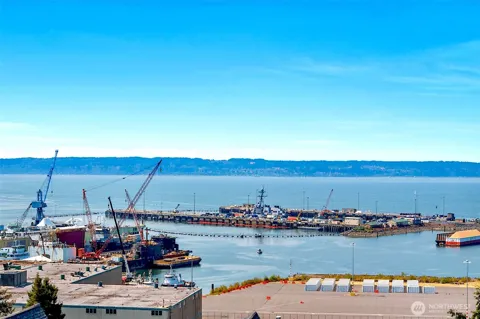
Everett sits on Port Gardner Bay at the mouth of the Snohomish River, where the river meets Puget Sound. As the county seat of Snohomish County, it is the commercial and civic anchor of a county that stretches from the Sound's saltwater shoreline east into the Cascade foothills. The city's modern identity grew from lumber and mill industries in the late 1800s, but today it is best known as an aerospace and maritime center. Boeing's Everett factory dominates the skyline along the city's southwest edge. The assembly plant, where wide-body 747, 767, 777, and 787 aircraft have been built, is recognized as the largest building in the world by volume and remains one of the region's defining employers. Alongside it, the Port of Everett operates a deep-water seaport with a public marina, and Naval Station Everett serves as a homeport for U.S. Navy vessels, giving the city a durable defense-sector presence alongside its aviation economy. Providence Regional Medical Center is another major employer, anchoring health care in the north Sound. Geographically, Everett divides loosely into the historic north end and the flatter, more suburban south end. North Everett occupies the Port Gardner peninsula, with a walkable downtown grid of early-1900s commercial buildings, tree-lined residential streets, and views across the water. The south end grew through a series of mid-century annexations, adding Cascade View, Silver Lake, and other post-war neighborhoods served by newer schools and commercial corridors. The city offers a mix that suits a wide range of households: aerospace and maritime workers who value a short commute, families drawn to established schools and neighborhood parks, and people who want saltwater recreation with a rail and freeway link to Seattle. A downtown undergoing steady reinvestment, a lively waterfront, and relatively approachable Puget Sound geography make Everett a practical base for living and working in the north metro.
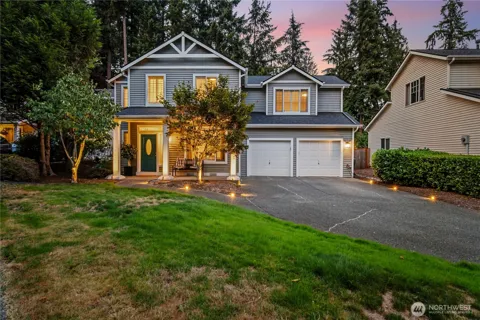
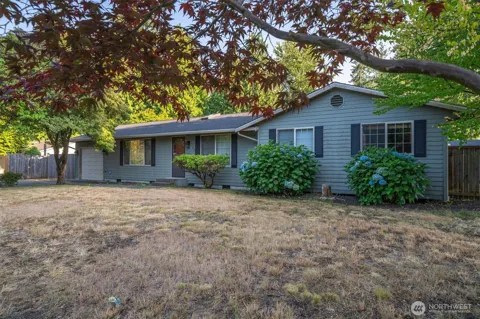
Everett is the county seat of Snohomish County, Washington, located about 25 miles north of Seattle along Puget Sound. As the county seat, it hosts county government offices and serves as the commercial and civic hub of the north Sound region.
Everett is roughly 25 miles north of downtown Seattle. Interstate 5 connects the two cities directly, and Sounder commuter rail runs between Everett Station and Seattle, making the city a practical base for commuters who work in the central Puget Sound area.
Most of Everett is served by Everett Public Schools, a district of about 20,000 students that also covers the city of Mill Creek and parts of unincorporated Snohomish County. Some addresses near the edges of the city fall within neighboring districts such as Mukilteo or Snohomish.
Boeing's wide-body jet assembly plant is the city's defining employer, and Naval Station Everett supports a significant defense-sector workforce. The Port of Everett, Providence Regional Medical Center, and the region's aerospace supply chain also contribute large numbers of jobs.
North Everett and its downtown sit on the Port Gardner peninsula with historic homes and a walkable grid. Riverside and Lowell offer established character, while Silver Lake, Cascade View, and the south end provide newer and mid-century suburban housing. The Port of Everett waterfront adds a newer mixed-use district.
Everett offers saltwater recreation at Jetty Island, a two-mile sandy beach reached by a free summer ferry, plus the Port of Everett marina and waterfront parks. Forest Park provides a pool, animal farm, and trails, with the Cascade foothills and Stevens Pass skiing within a day trip.
City Guide
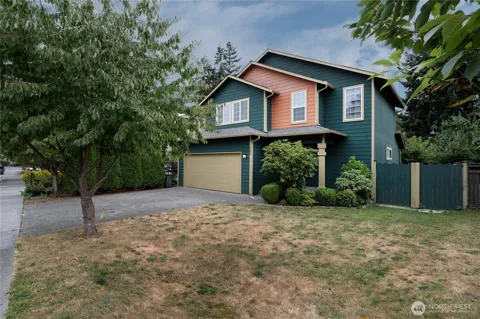
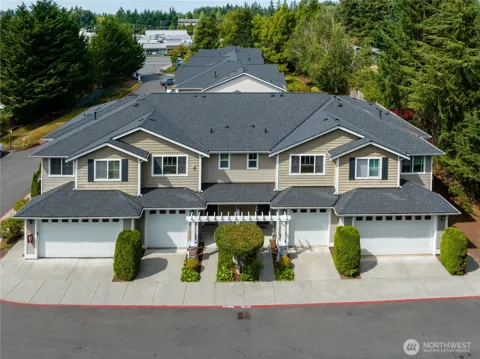
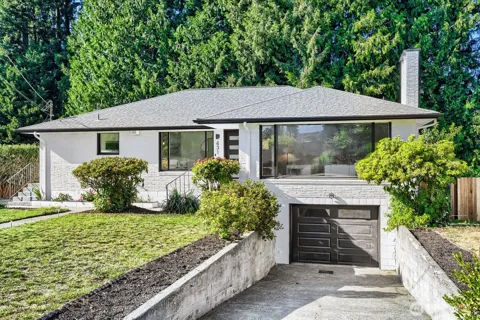
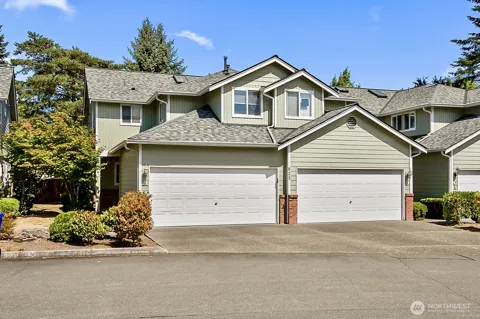
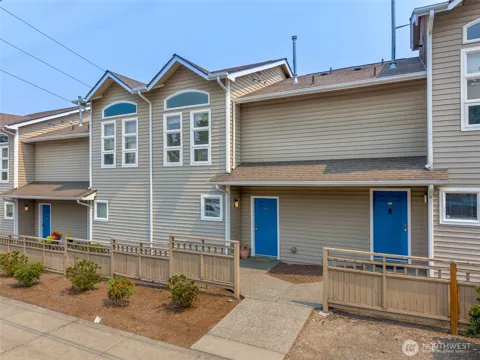
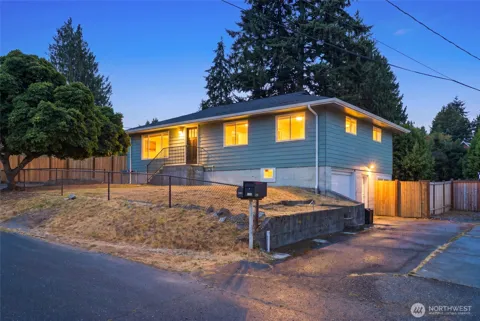
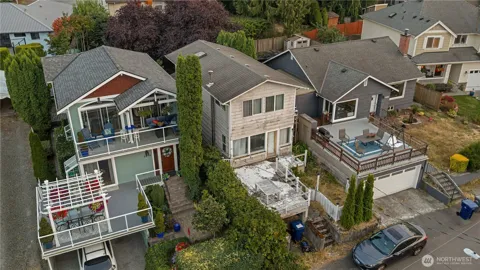
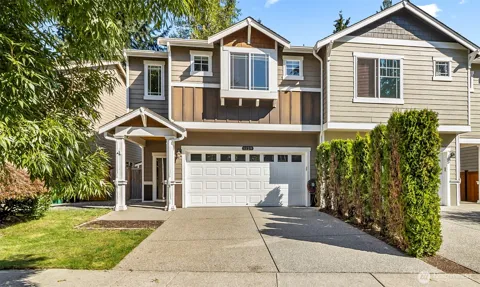
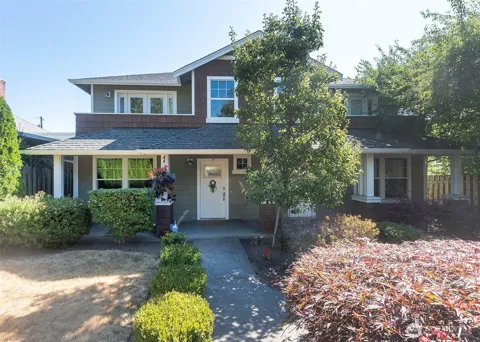
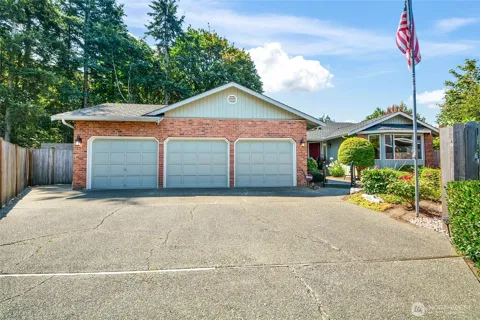
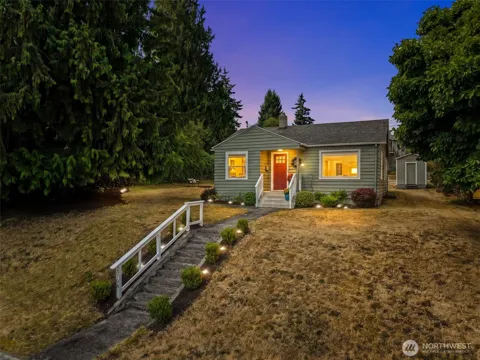
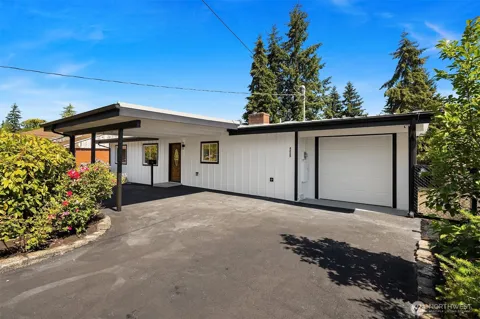
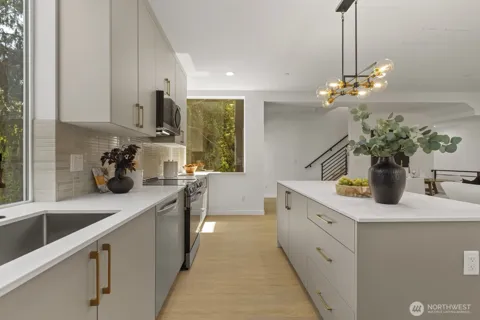
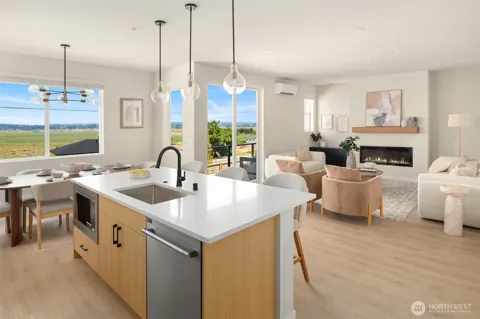
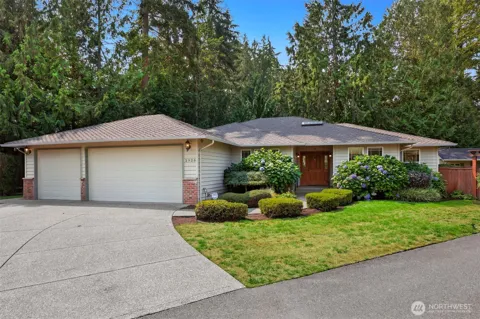
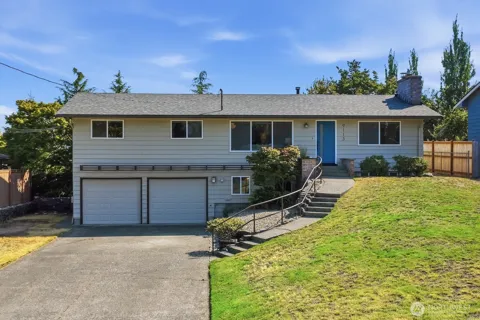
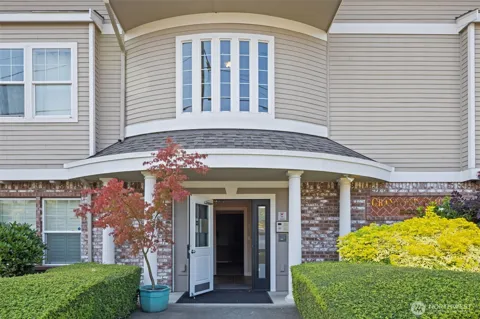
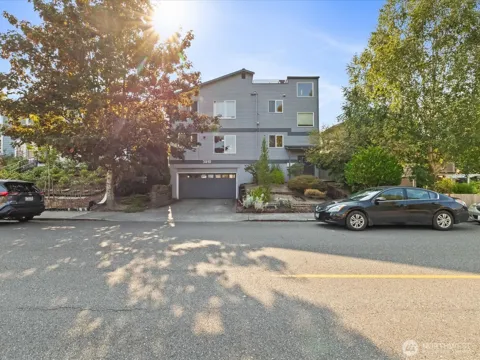
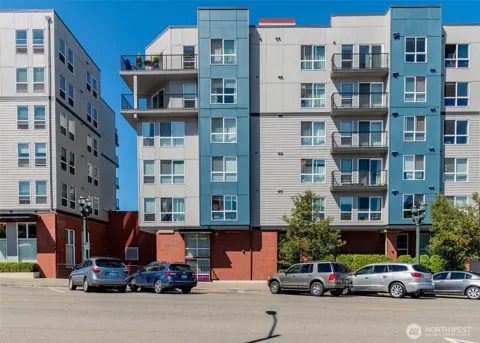
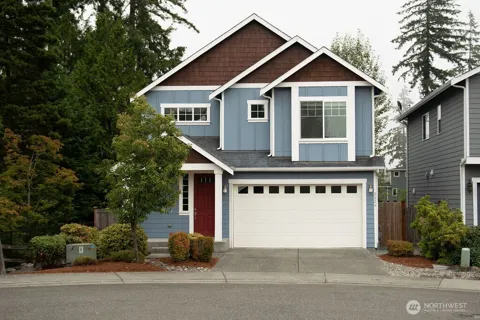
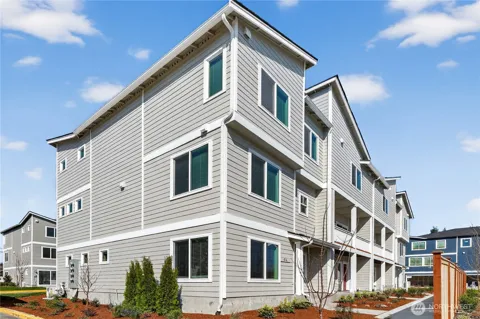
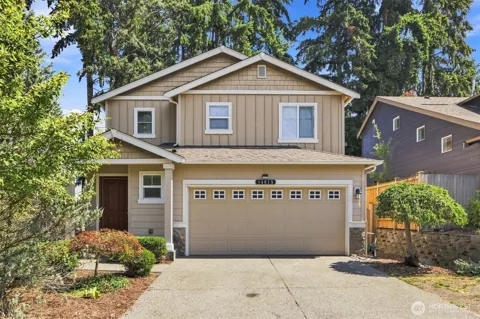
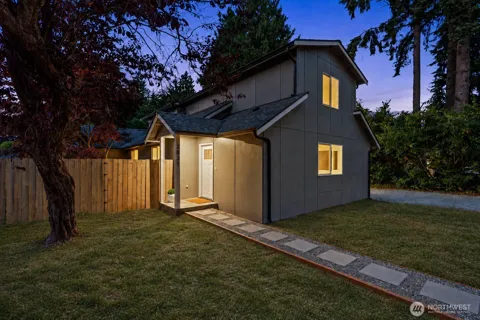
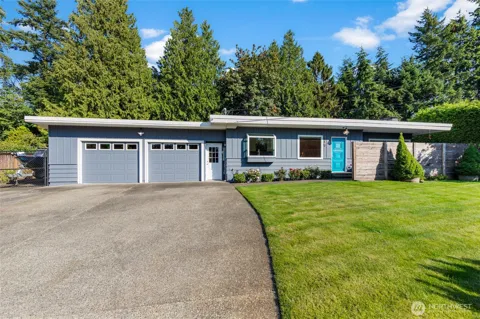
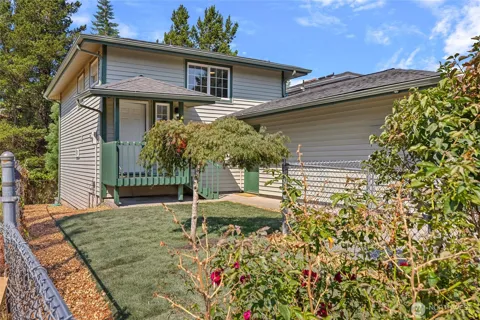
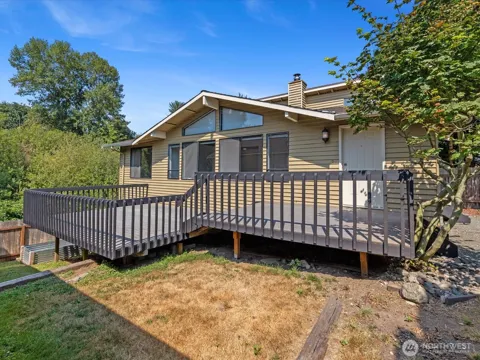
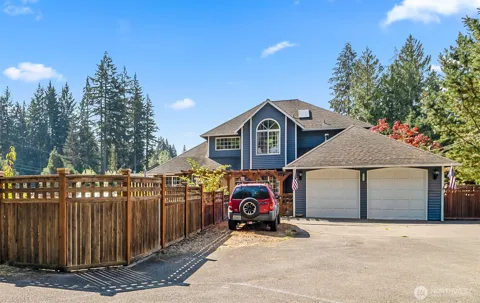
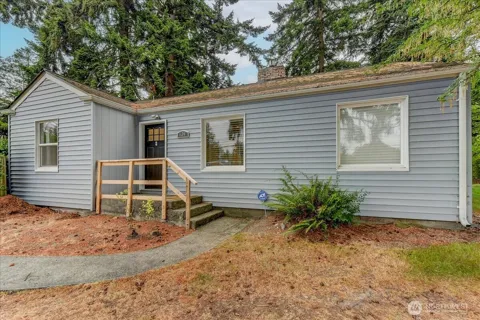
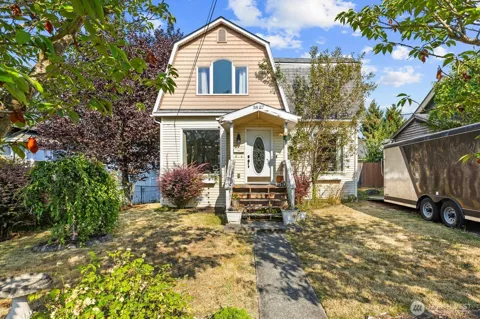
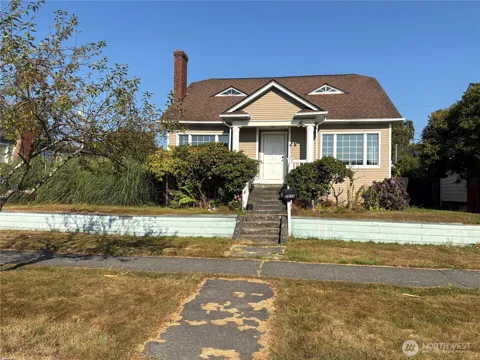
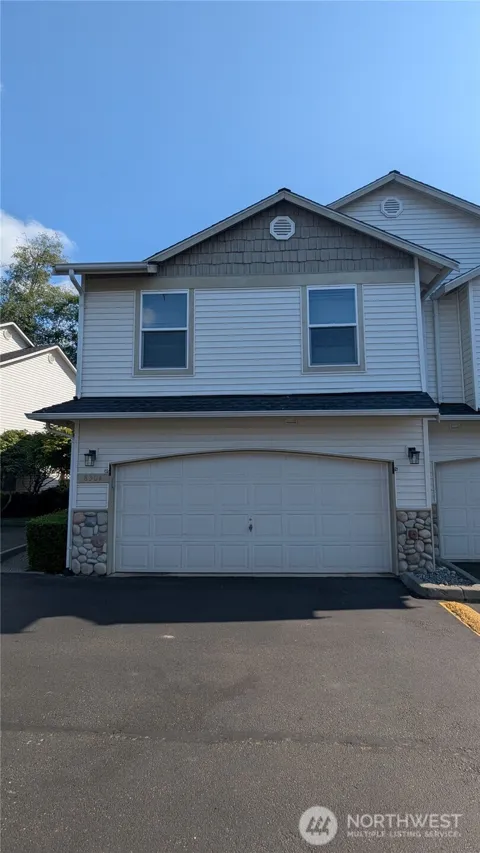
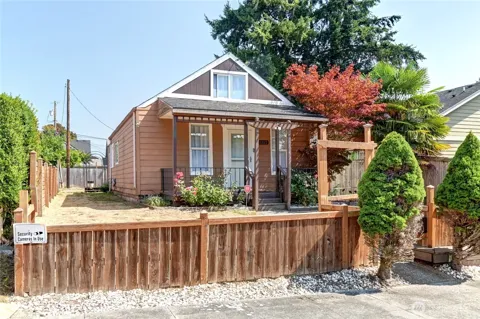
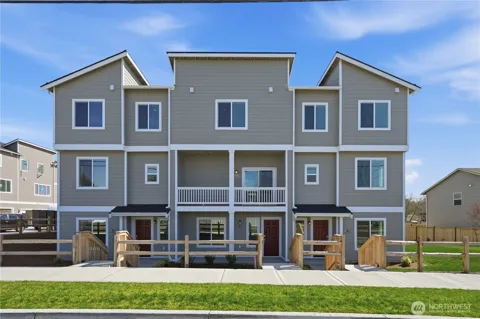
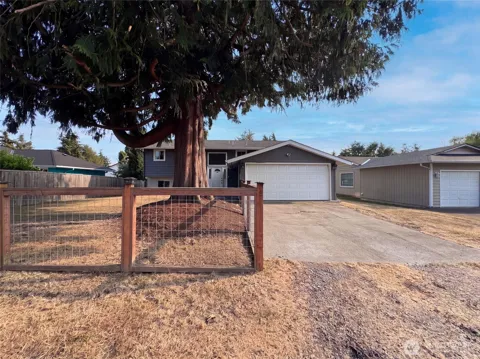
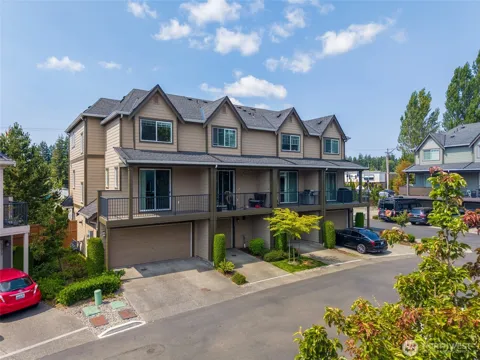
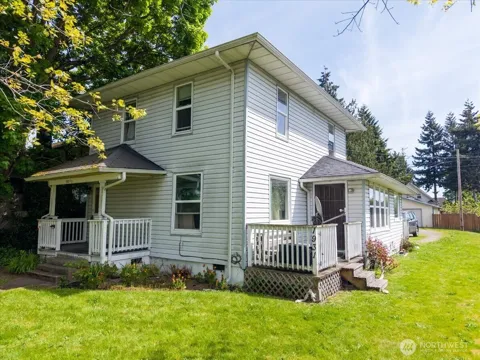
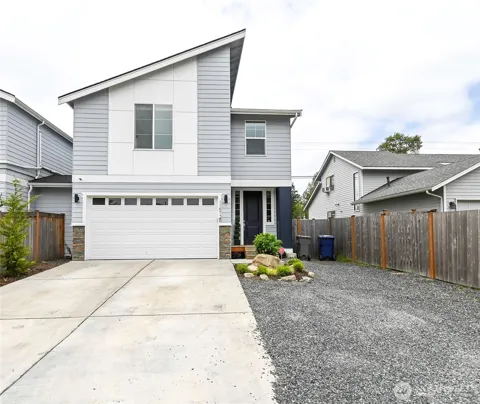
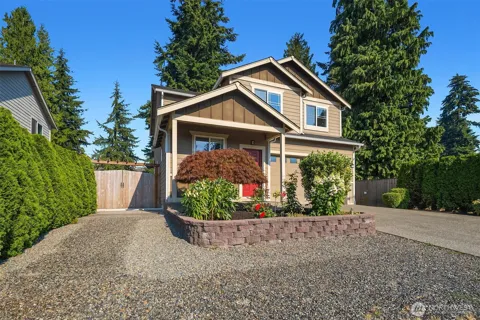
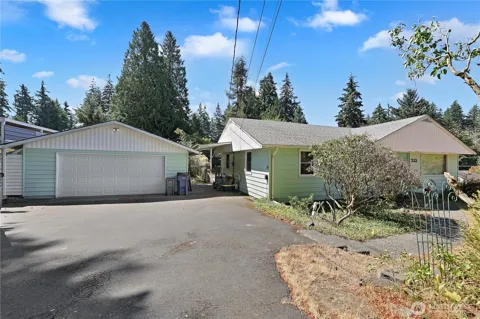
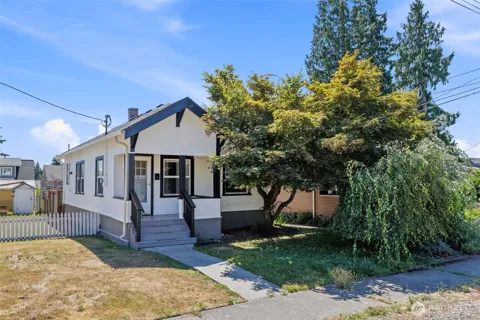
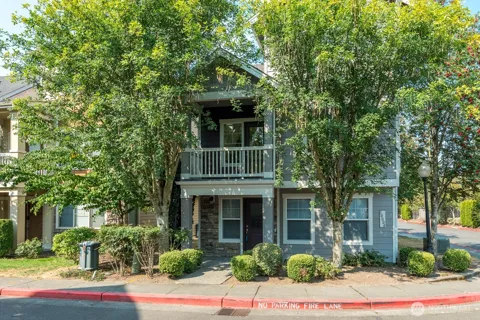
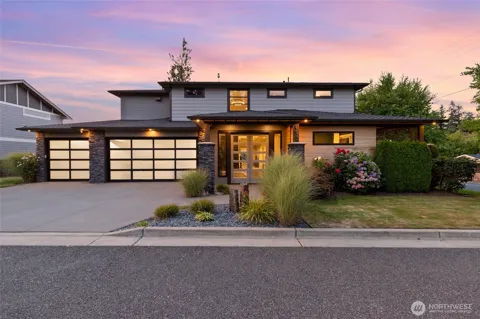
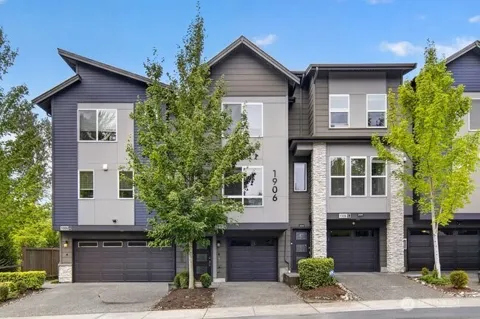
Everett's housing stock reflects its layered growth. North Everett and the downtown peninsula hold many early-1900s Craftsman, bungalow, and historic brick residences on a tight, walkable grid, with a character many buyers associate with the city's mill-town past. The post-war annexations of the 1950s through 1970s brought ranch-style and split-level homes in neighborhoods such as Cascade View and around Silver Lake, followed by later subdivisions with larger-lot and newer construction on the south end. Housing remains generally more affordable than in Seattle's core, a factor that draws commuters north along the I-5 corridor. The Port of Everett's Waterfront Place redevelopment has added contemporary residential and mixed-use buildings near the marina, bringing a newer urban product line to the shoreline. Across the city, buyers find a continuum from historic fixer-uppers and modest mid-century homes to newer townhomes and waterfront-oriented condominiums.
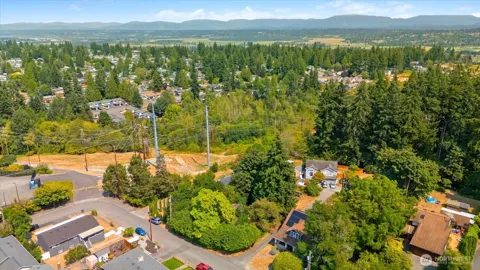
North Everett is the city's historic heart, centered on the Port Gardner peninsula with the downtown core, early-1900s homes, and views toward the Sound. Riverside, in the northwest, offers some of the city's established tree-lined streets and older character homes. Lowell, east of downtown along the Snohomish River, began as a separate mill town and retains a distinct, close-knit feel with its own park and school. On the south end, Silver Lake centers on the lake of the same name and mixes mid-century ranches with newer construction near convenient retail corridors. Cascade View, developed after the 1950s annexations, and the areas around Mill Creek's edge offer family-oriented subdivisions and access to I-5. The waterfront district around the Port of Everett adds a newer mixed-use layer, with marina-facing residences and redeveloped former industrial land.
Downtown Everett pairs a working heritage with a growing arts and entertainment scene. The Schack Art Center, the Imagine Children's Museum, the Historic Everett Theatre, and the APEX art center anchor the cultural corridor, while Angel of the Winds Arena hosts the Everett Silvertips hockey club and touring events. Local breweries and distilleries, coffee shops, and independent restaurants cluster along Hewitt and Colby avenues, supported by a seasonal farmers market and downtown events. The waterfront supplies much of the city's social calendar, with concerts, outdoor movies, car shows, and art festivals staged around the Port of Everett and Boxcar Park. A ferry to Jetty Island runs in the summer months, giving residents a quick escape to a two-mile sandy beach. The result is a city that feels both industrial-pragmatic and increasingly amenity-rich, with Puget Sound recreation a few minutes from downtown.
Most of Everett is served by Everett Public Schools, the city's main district of roughly 20,000 students, which also extends into the city of Mill Creek and parts of unincorporated Snohomish County. The district operates a network of elementary, middle, and high schools, including the historic Everett High School near downtown and Cascade High School, opened in 1961 to serve the south-end annexations. Some portions of the city and surrounding area are covered by neighboring districts such as Mukilteo or Snohomish depending on the address. Higher education options are anchored by Everett Community College and a Washington State University campus in the city, offering technical training and four-year degree pathways that support the region's aerospace, health care, and advanced-manufacturing workforce.
Everett sits at the junction of Interstate 5 and U.S. Route 2, making it a gateway both to Seattle and to the Cascade passes and eastern Washington. Commuters reach downtown Seattle in roughly 30 to 45 minutes by car under typical conditions, and Sounder commuter rail provides a passenger link from Everett Station into Seattle with connecting service throughout the region. Community Transit and Everett Transit run local and regional bus routes, with the Seaway Transit Center serving the Boeing campus directly. Paine Field, on the city's south side, offers a growing number of commercial passenger flights in addition to its Boeing and general-aviation traffic, giving the north metro its own airport option. The port and BNSF rail corridors round out a transportation network built around freight, aerospace logistics, and daily commutes.
Puget Sound defines much of Everett's recreation. Jetty Island, a two-mile man-made sand spit reached by a free summer ferry, offers swimming, birding, and easy walking trails. The Port of Everett's marina, Boxcar Park, and the waterfront promenades provide shoreline access, launch points for paddling, and venues for year-round community events. Inland, Forest Park is the city's largest park, combining a swimming pool, an animal farm, playfields, and forested trails, while Japanese Gulch and the Lowell riverfront add wooded hiking and biking. The nearby Cascade foothills and Stevens Pass put skiing and mountain recreation within a day trip, and the Snohomish River system supports kayaking and salmon-watching close to downtown.
MARKET SNAPSHOT
How homes have been selling here over the last 90 days.
Market data reflects closed sales over the last 90 days and is provided for informational purposes.
BROWSE BY ZIP
Browse listings by postal code in this area.