Snohomish County Strawberry Town
Welcome to Marysville, a growing Snohomish County city along I-5, known for its strawberry heritage and set beside the Tulalip reservation north of Seattle.
Marysville is a city in Snohomish County, Washington, positioned in the northern Puget Sound region along Interstate 5, roughly 35 miles north of Seattle and just north of Everett. It sits near the mouth of the Snohomish River, where the waterway meets Ebey Slough, and its history is tied both to the river and to the rich farmland that once surrounded it. The city began as a trading post and grew as a farming and timber community. Strawberries became its defining crop — at its peak the area held more than 2,000 acres of strawberry fields — and in 1932 residents launched the Marysville Strawberry Festival, which continues today as one of the city's most enduring traditions. That agricultural heritage still shapes Marysville's identity even as the city has transformed into a fast-growing Puget Sound suburb. Growth has reshaped Marysville in recent decades. The city has absorbed significant new residential development, and its location along I-5 makes it a practical home base for commuters working in Everett, Seattle, and the surrounding aerospace and technology economy. On its western edge, the Tulalip Tribes' Quil Ceda Village is anchored by the Tulalip Resort Casino and the Seattle Premium Outlets, making Marysville a regional destination for gaming, hospitality, and shopping. Marysville is served by the Marysville School District, and its neighborhoods range from older sections near downtown to newer subdivisions on the city's north and east sides. Parks, trails, and the Ebey Waterfront provide outdoor recreation close to home. Marysville suits families and commuters seeking newer housing, good freeway access, and a slightly more affordable position in the Seattle metro, while retaining a small-town festival culture. Its mix of established streets and active new construction offers a broad range of housing options across the city.
Marysville is in Snohomish County, Washington, in the northern Puget Sound region. It sits along Interstate 5 roughly 35 miles north of Seattle, between Everett to the south and Arlington to the north.
Marysville is known for its strawberry heritage. The area once held more than 2,000 acres of strawberry fields, and the city has hosted the Marysville Strawberry Festival since 1932, celebrating its agricultural roots each summer.
Marysville is served by Marysville School District No. 25, a public school district with about two dozen schools and roughly 10,000 students from pre-kindergarten through twelfth grade. The district also serves members of the nearby Tulalip Tribes.
Marysville lies adjacent to the Tulalip Tribes reservation, and the area is home to the Tulalip Resort Casino and the Seattle Premium Outlets, a major regional shopping destination on Quil Ceda Boulevard.
Marysville sits on Interstate 5 about 35 miles north of Seattle, with Everett just to the south. Commuters can also use Everett Station, which offers Sounder commuter rail and Amtrak Cascades service, for trips toward Seattle.
City Guide
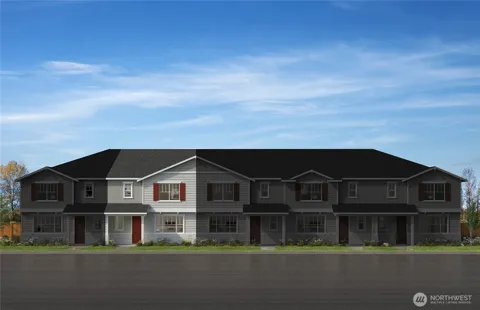
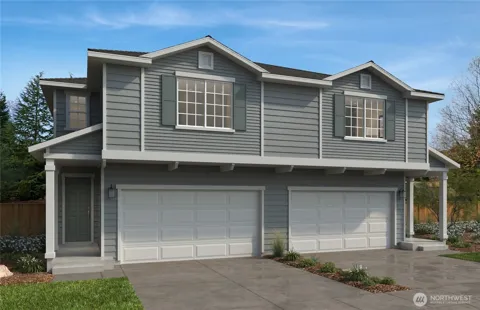
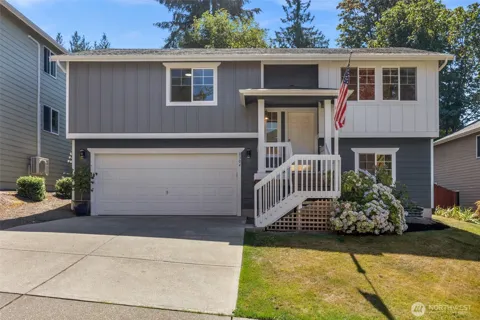
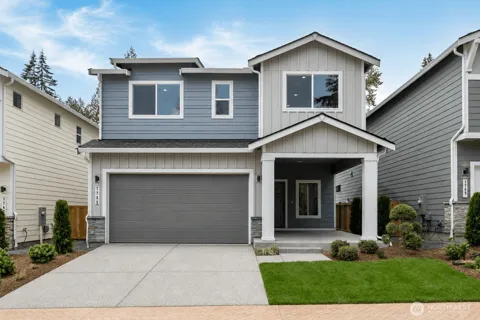
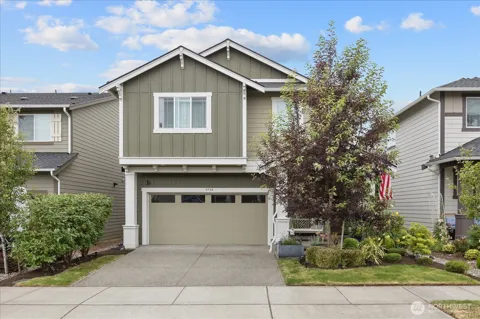
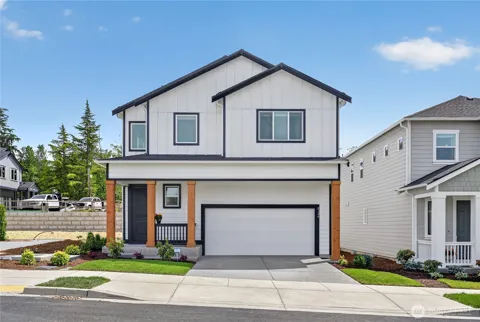
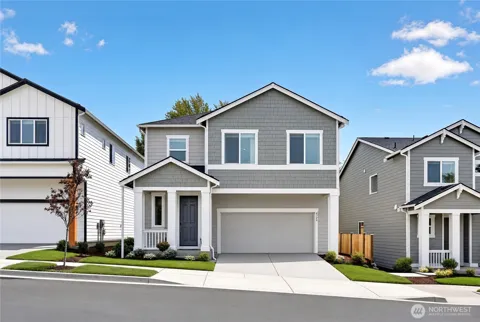
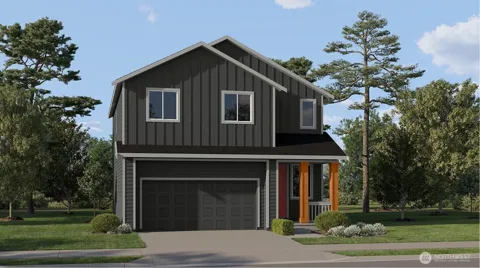
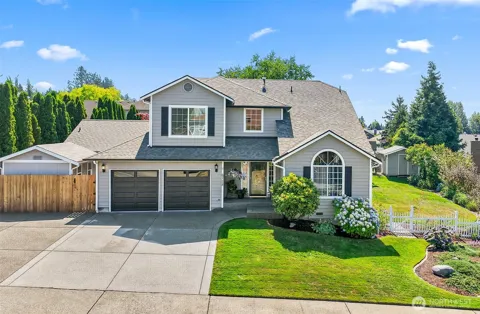
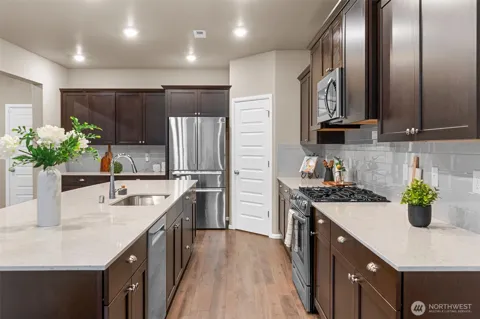
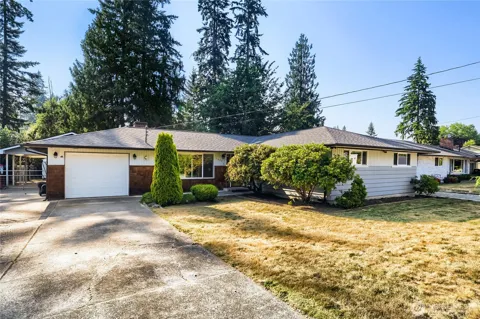
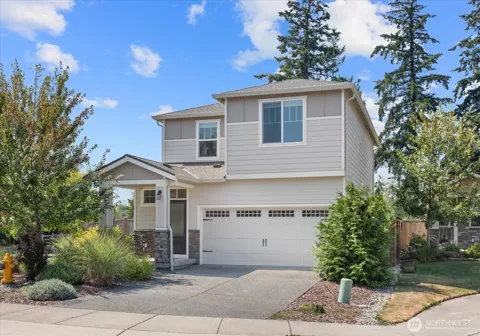
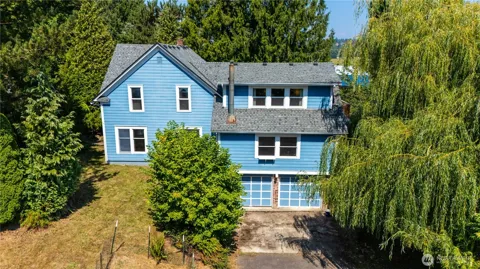
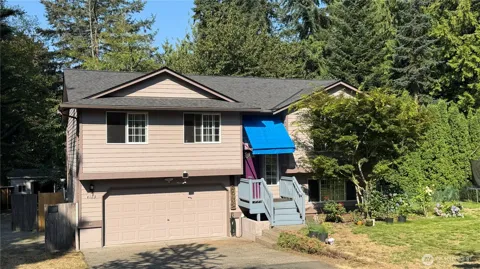
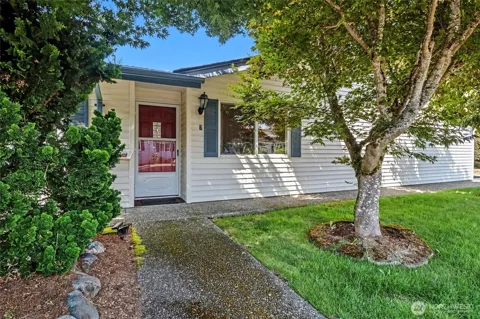
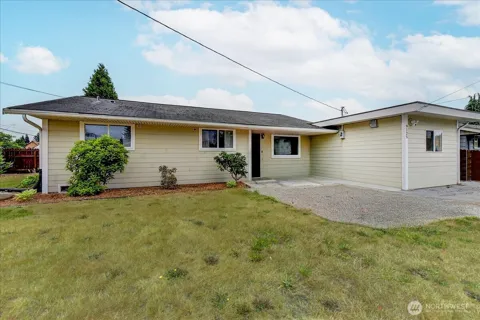
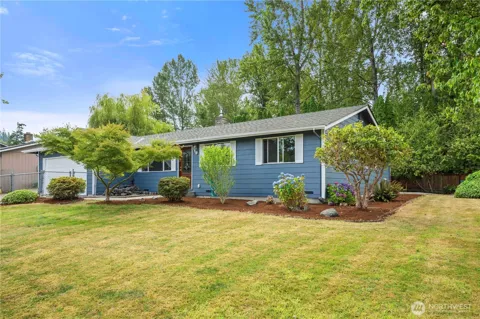
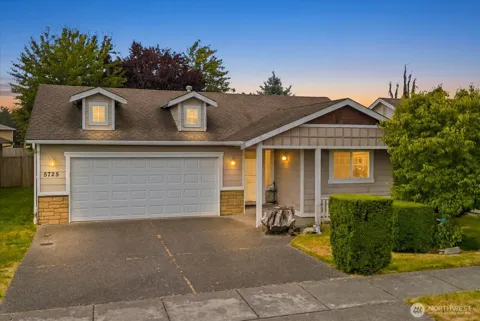
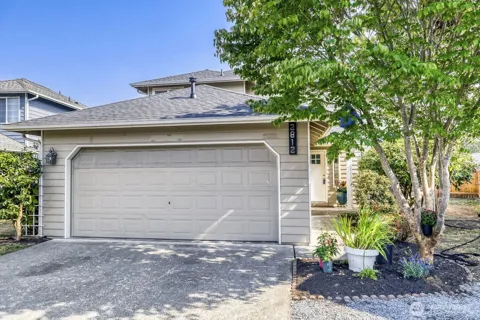
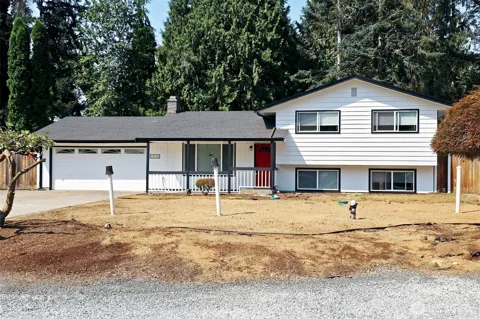
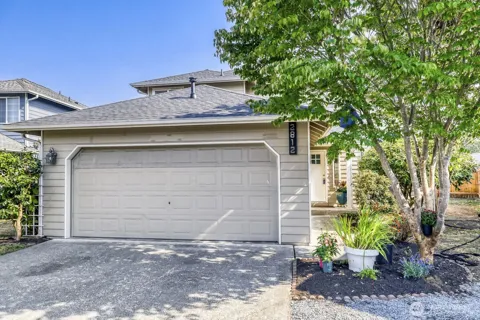
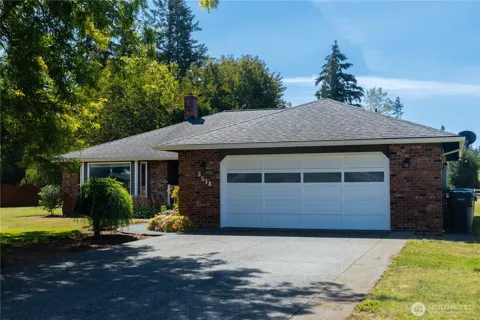
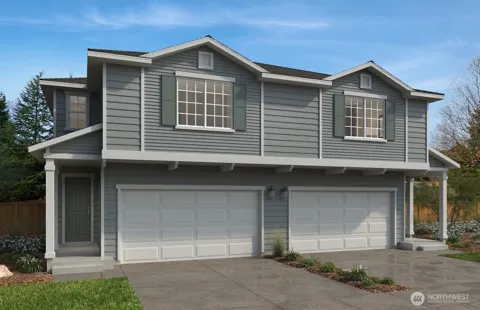
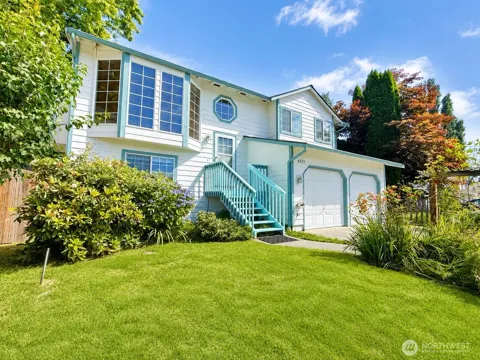
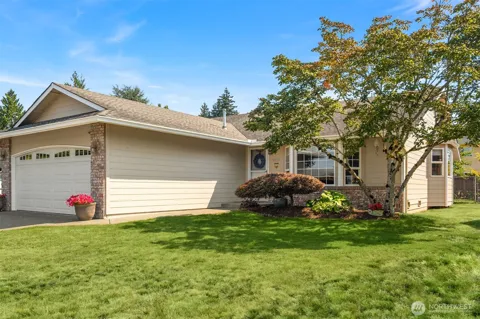
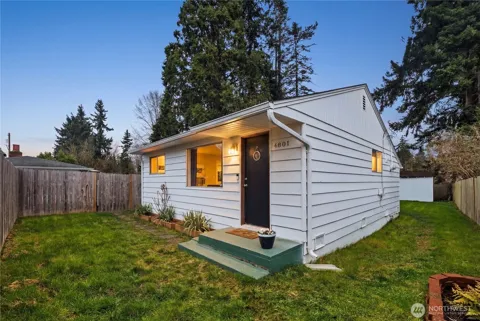
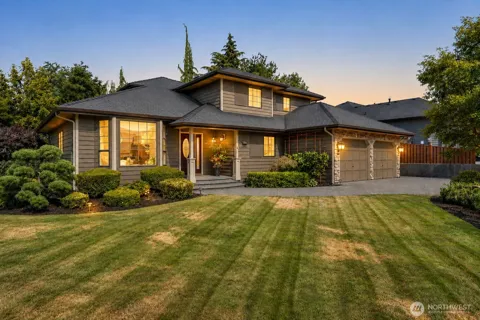
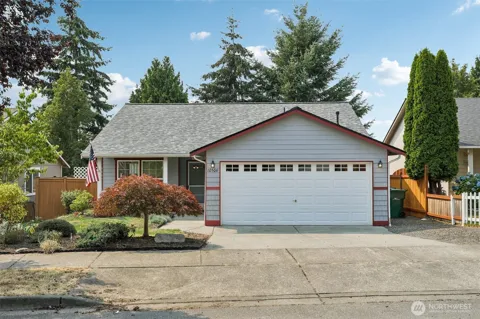
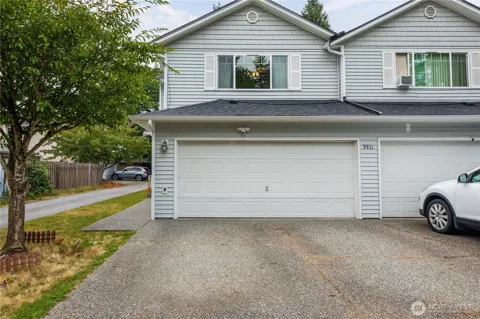
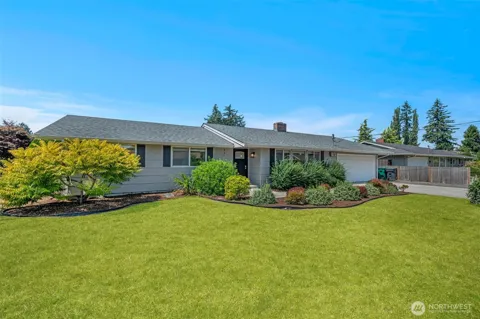
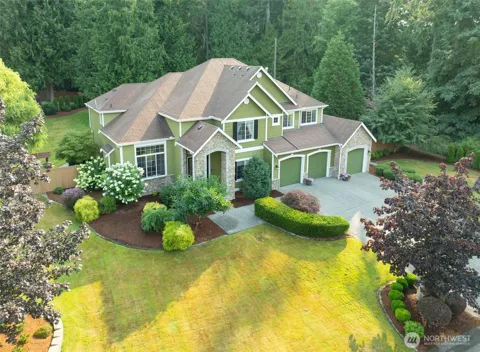
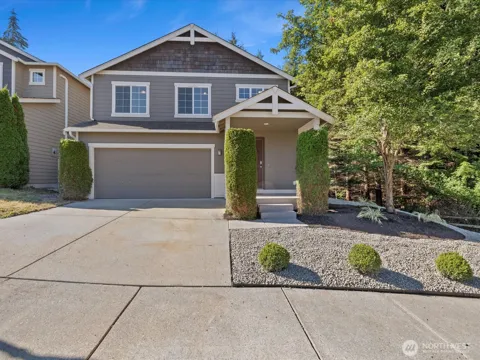
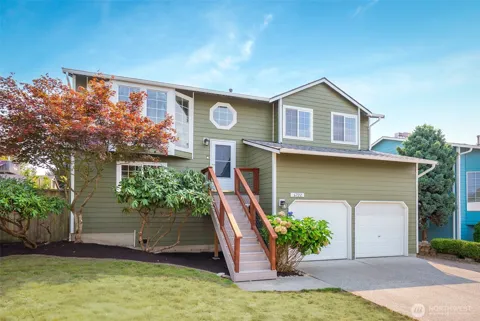
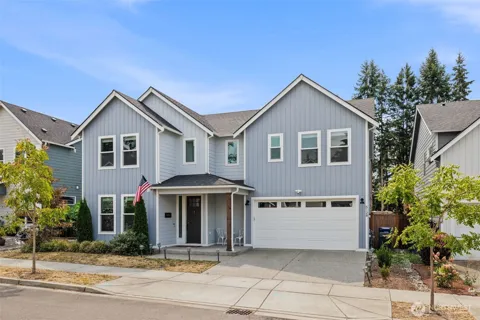
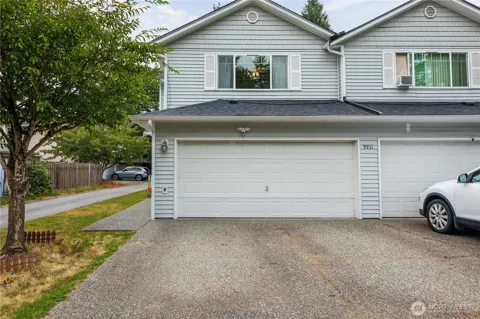
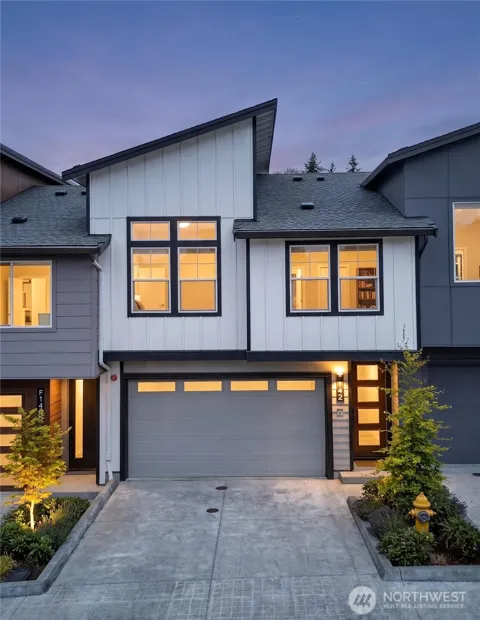
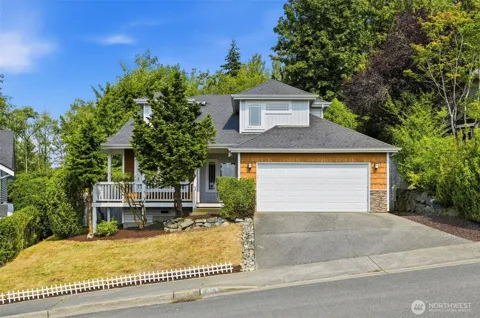
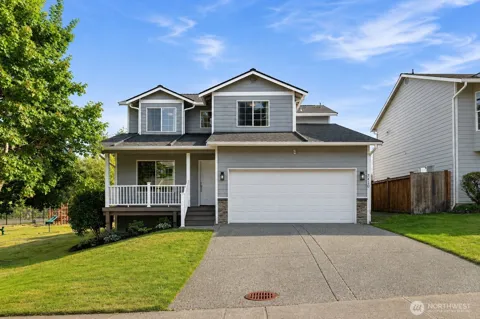
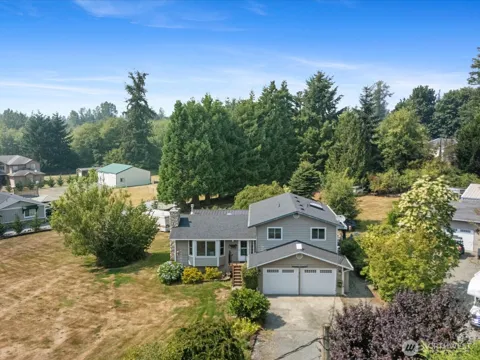
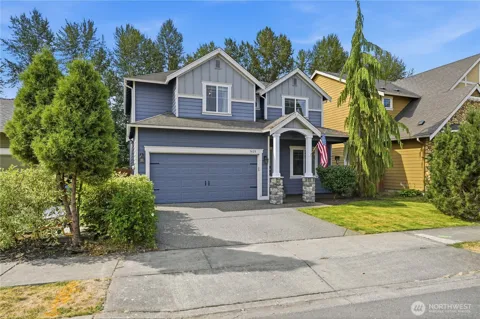
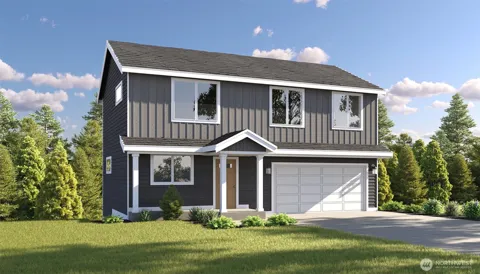
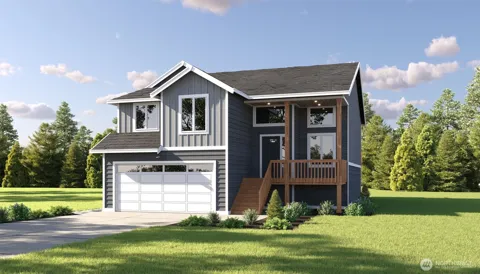
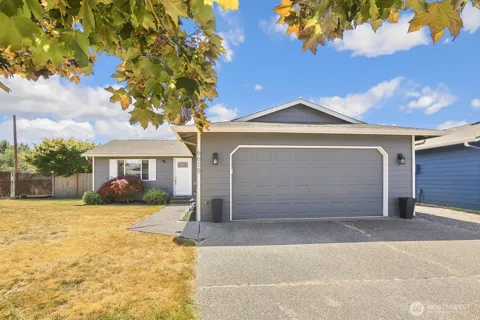
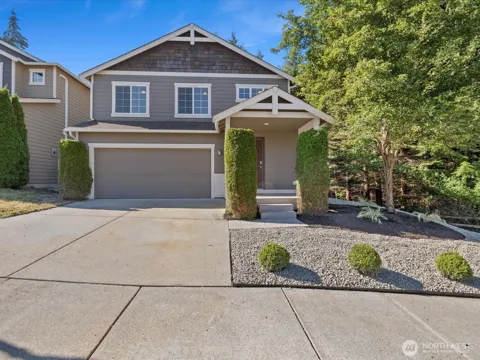
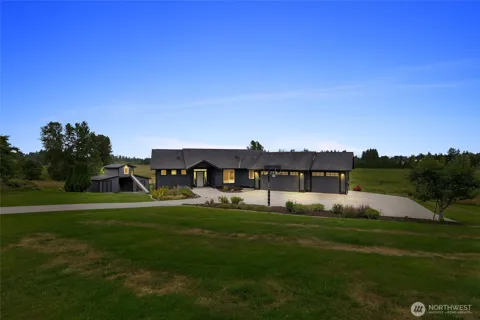
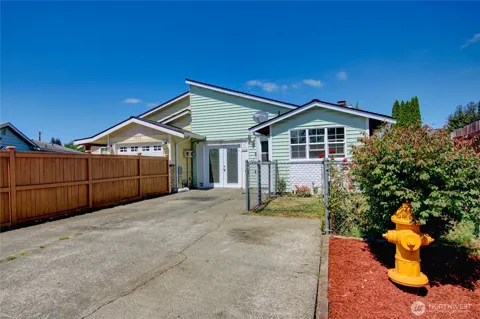
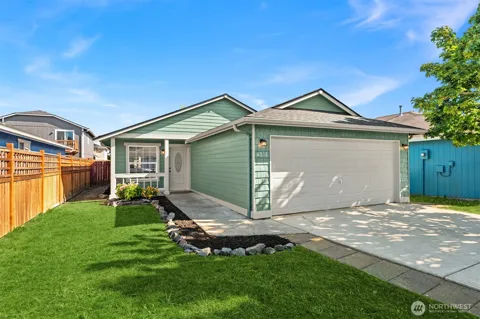
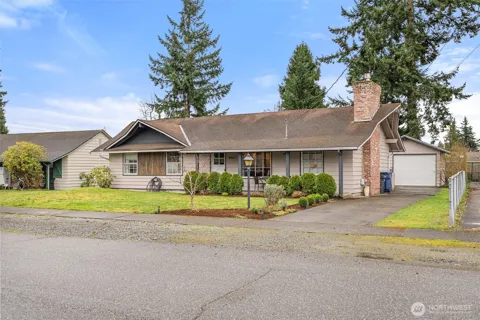
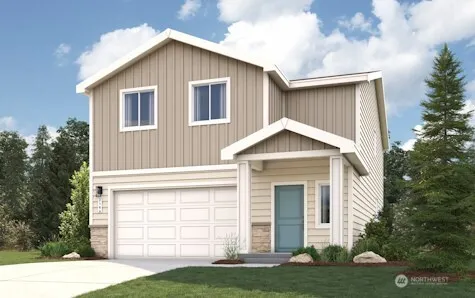
Marysville's housing stock has grown rapidly alongside the city, producing a mix of older established neighborhoods and newer subdivisions. The city offers a broad range of single-family homes, from mid-century houses in its original neighborhoods to contemporary homes and townhouses in recently developed areas such as Smokey Point and the city's northern and eastern edges. Townhouse and condo communities add lower-maintenance options, particularly near commercial corridors and the waterfront. Many newer developments feature family-oriented layouts with parks and schools nearby, while older sections retain larger, more established lots. Because Marysville has absorbed much of the region's northward growth, new construction remains active, giving buyers a wider selection of newer homes than many older Puget Sound suburbs.
Marysville's neighborhoods span its historic core and its newer growth areas. Kellogg Marsh blends suburban housing with open space and parks such as Doleshel Park, offering a quiet, established feel. Jennings Park and Pinewood are popular, family-friendly areas near schools and community amenities. East Sunnyside and Getchell, toward the city's east, mix established homes with newer development, while the Smokey Point and Lakewood areas on the north side feature newer subdivisions and growing commercial centers. Near downtown, older streets reflect the city's origins along State Avenue. The western edge, adjoining the Tulalip reservation and the Quil Ceda Village commercial district, is anchored by the resort and outlets rather than residential neighborhoods.
Marysville's community life blends small-town traditions with the amenities of a growing Puget Sound suburb. The annual Strawberry Festival, held since 1932, remains the city's signature event, drawing residents with parades, markets, live music, and strawberry shortcake. Day-to-day life centers on family-oriented neighborhoods, community parks, and schools, with the Tulalip Resort Casino and Seattle Premium Outlets providing entertainment and shopping on the city's western edge. The Ebey Waterfront and river trails offer low-key outdoor escapes. Residents also draw on nearby Everett for cultural venues, professional sports, and a more developed downtown, while Seattle's attractions remain within about an hour's drive. The city's identity as a former farming community persists in its festivals and civic pride even as it urbanizes.
Marysville is served by the Marysville School District No. 25, which operates roughly two dozen schools and enrolls about 10,000 students from pre-kindergarten through twelfth grade. The district serves the city of Marysville as well as members of the nearby Tulalip Tribes, reflecting the close relationship between the city and the reservation. High schools include Marysville Pilchuck and Marysville Getchell, which anchors the newer Getchell campus area. The district offers a range of academic, athletic, and career programs. Families also have access to private and alternative schooling options, and neighboring districts serve the surrounding communities. The school system is a central part of Marysville's family-oriented identity.
Interstate 5 runs along Marysville's western edge, making the city a practical base for commuting across the northern Puget Sound region. Seattle is roughly 35 miles south, and Everett is immediately adjacent, though the I-5 corridor between Everett and Marysville carries heavy traffic during peak hours. State Route 529 and other arterials connect the city to the waterfront and neighboring communities. For transit, Everett Station offers Sounder commuter rail on weekdays and Amtrak Cascades intercity service, while Community Transit provides local and commuter bus routes. Marysville's position near I-5 and its growing employment and retail centers make it a central node in the county's northward expansion.
Marysville offers a mix of neighborhood parks, riverfront access, and regional open space. Jennings Memorial Park, the city's flagship, provides gardens, trails, playgrounds, and community gathering space. The Ebey Waterfront and the river trails along Ebey Slough give residents water views and walking and paddling access. Numerous neighborhood parks, including Doleshel Park near Kellogg Marsh, offer sports fields and playgrounds. The nearby Centennial Trail runs through Snohomish County for cycling and walking, and the Cascade foothills and Puget Sound shoreline are within easy reach. The Strawberry Festival and other community events use city parks and the waterfront, keeping recreation tied closely to civic life throughout the year.
MARKET SNAPSHOT
How homes have been selling here over the last 90 days.
Market data reflects closed sales over the last 90 days and is provided for informational purposes.
BROWSE BY ZIP
Browse listings by postal code in this area.