Lake Washington Eastside City
Welcome to Kirkland, a King County city on the eastern shore of Lake Washington, known for its miles of waterfront parks, walkable downtown, and a thriving tech economy east of Seattle.
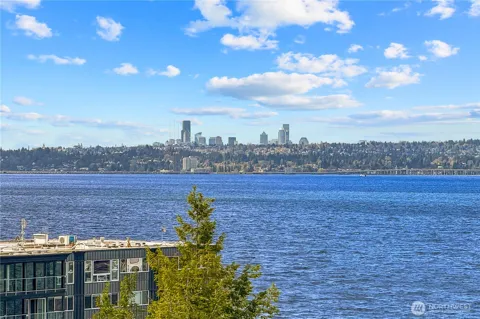
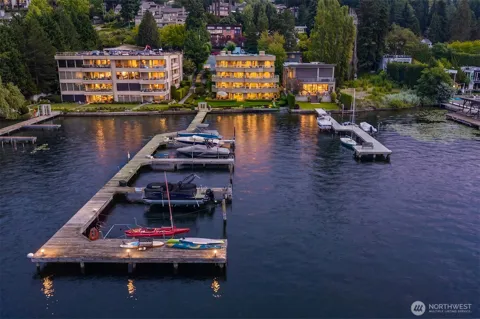
Kirkland is a city in King County, Washington, situated on the eastern shore of Lake Washington, directly across from Seattle in the region known as the Eastside. The 2020 census counted 92,175 residents. Its history dates to 1888, when English industrialist Peter Kirk founded the settlement with a vision of building a steel-manufacturing center he called the "Pittsburgh of the West." When that venture faltered, the community grew instead through wool milling and shipbuilding, and it incorporated as a city in 1905. Today Kirkland is one of the Seattle area's most prominent suburban cities, known for its Lake Washington waterfront and its role in the Eastside's technology economy. A major Google campus and other tech employers are located within the city, contributing to a highly educated population and a strong local economy. The city's downtown is walkable and vibrant, with restaurants, shops, and a waterfront that anchors community life. Kirkland's defining asset is its shoreline. The city maintains miles of publicly accessible waterfront parks, beaches, and walking paths that offer views of Seattle, the Cascade and Olympic ranges, and Mount Rainier. Recreation and the outdoors are central to daily life, from beach volleyball and windsurfing on the lake to the region's extensive trail systems. Education is provided by the Lake Washington School District, the second-largest district in Washington, which serves most of Kirkland along with Redmond and other Eastside communities. Transportation centers on State Route 520, which crosses the lake to Seattle, and Interstate 405, which runs north-south past the city to Bellevue and beyond. The combination of a lakefront setting, a strong employment base, excellent schools, and regional connectivity makes Kirkland one of the Eastside's most sought-after places to live.
Kirkland is located in King County, Washington, on the eastern shore of Lake Washington. The city sits directly across the lake from Seattle, in the Eastside region of the Seattle metropolitan area.
Public schools in Kirkland are served by the Lake Washington School District, the second-largest district in Washington. The district serves most of Kirkland along with Redmond and other Eastside communities.
Kirkland was founded in 1888 by Peter Kirk, an English industrialist who envisioned a steel manufacturing town. When that venture failed, the city grew through wool milling and shipbuilding, and it was incorporated in 1905.
Kirkland lies directly across Lake Washington from Seattle, connected by the State Route 520 bridge. Downtown Seattle is roughly a 20 to 40 minute drive or bus ride depending on traffic, and Bellevue is immediately to the south.
Kirkland is known for its miles of public waterfront parks along Lake Washington, a walkable downtown, and a substantial technology employment base that includes a major Google campus. The city is a hub of the Eastside's tech economy.
City Guide
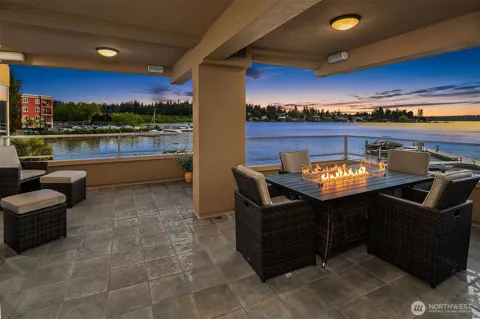
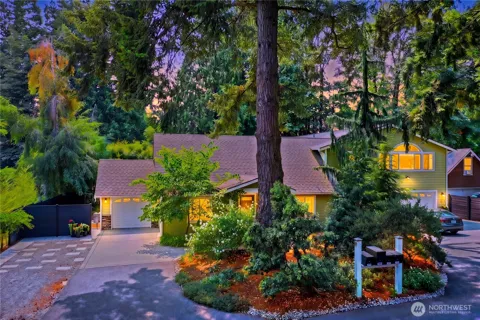
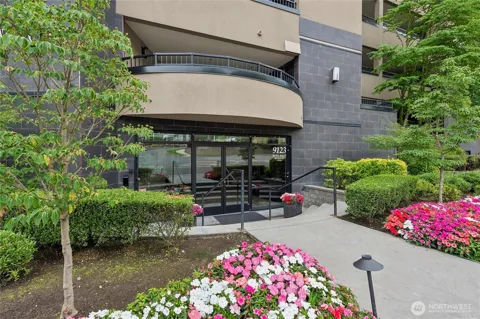
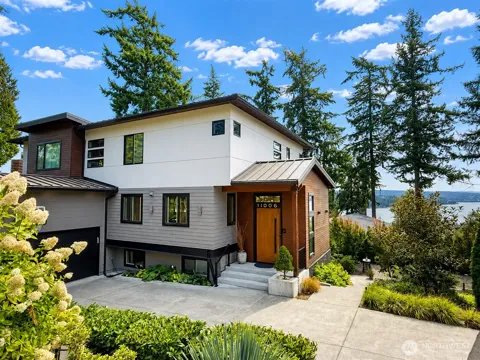
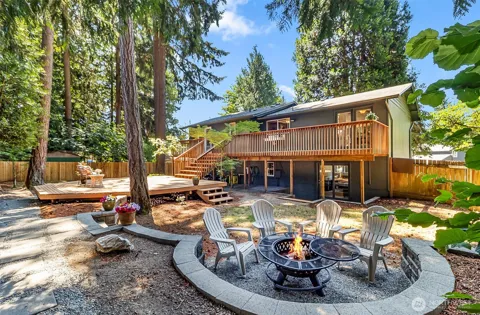
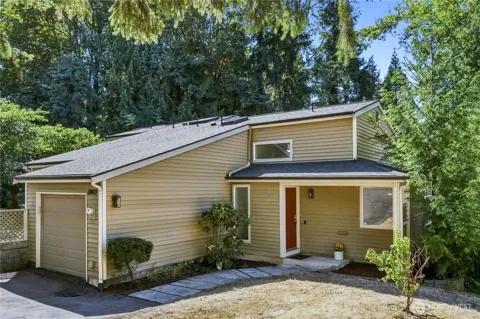
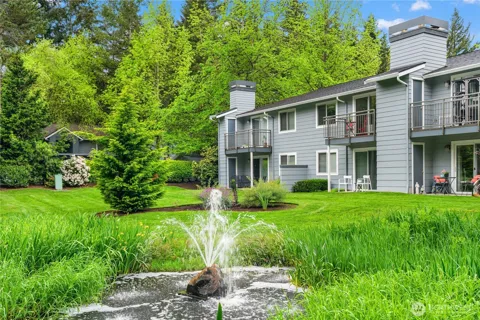
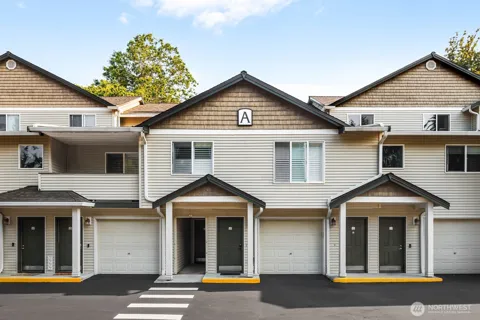
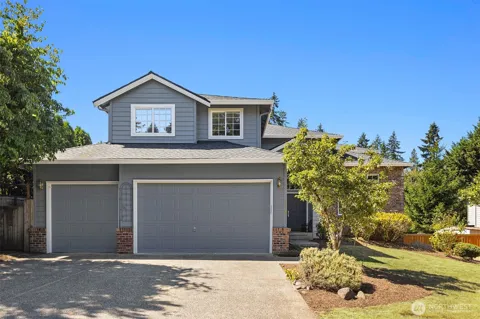
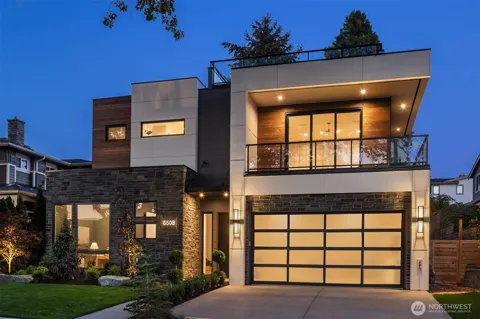
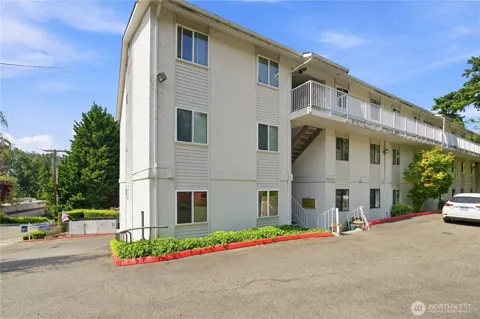
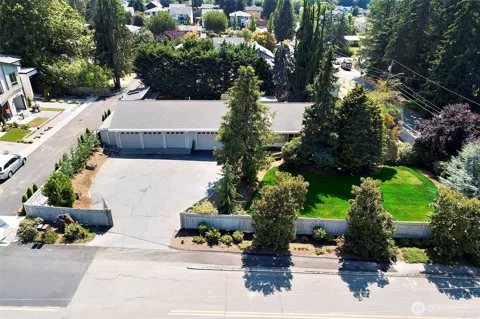
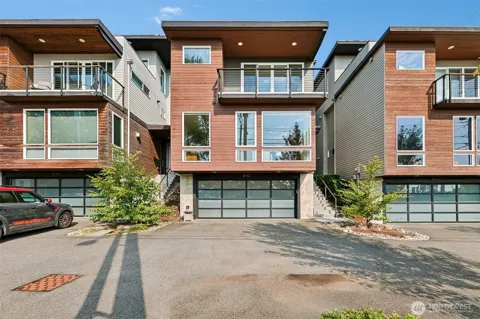
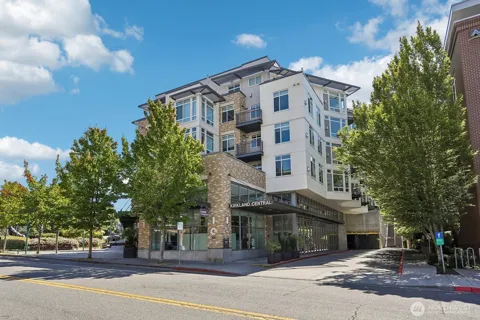
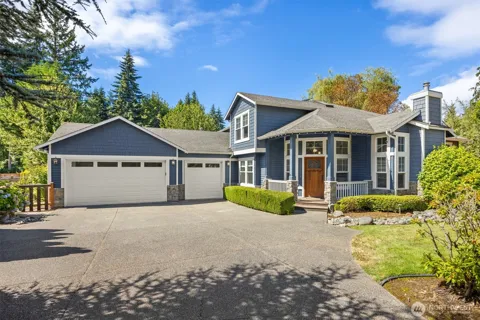
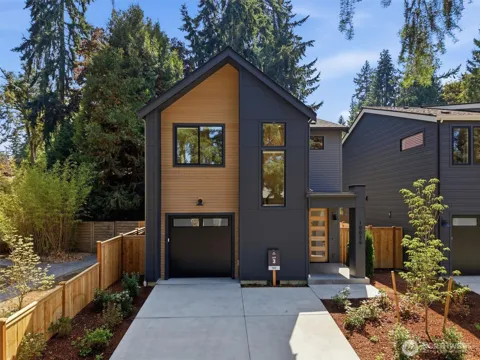
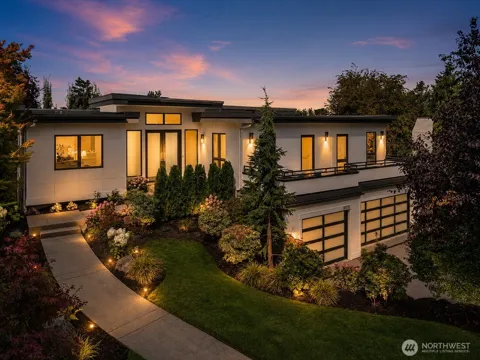
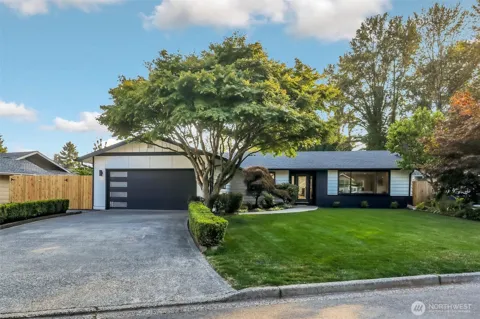
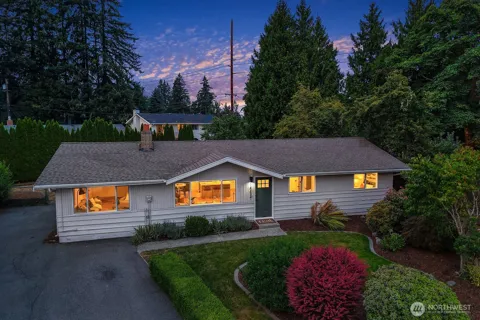
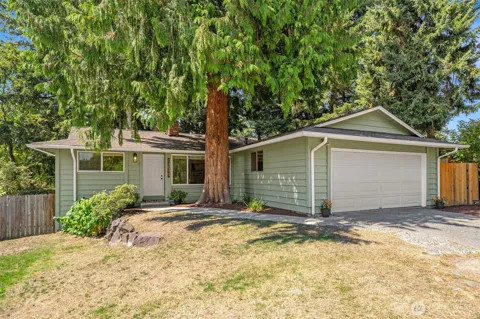
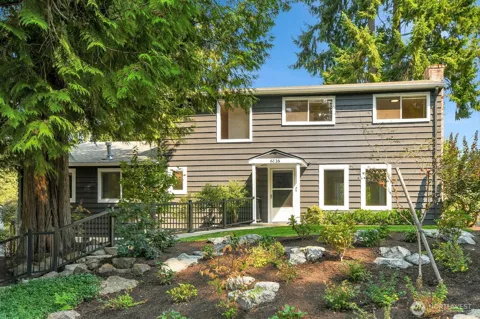
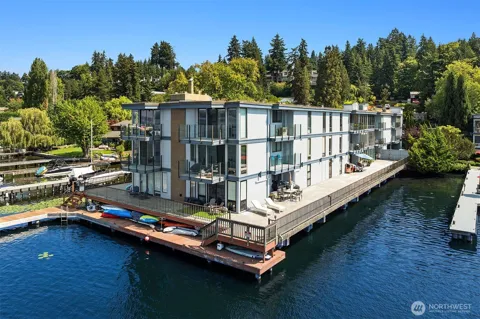
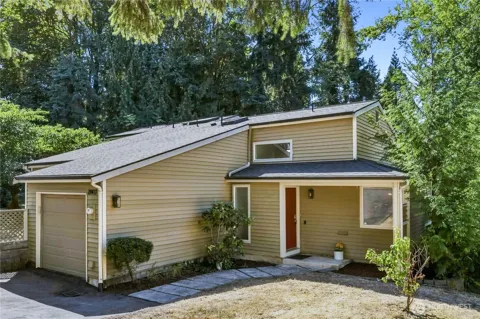
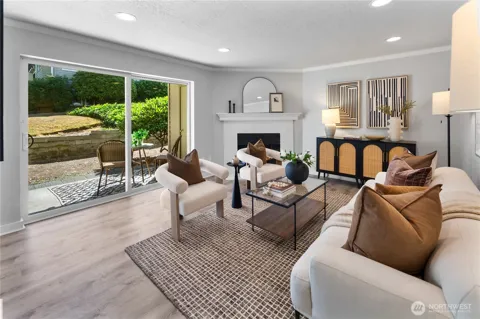
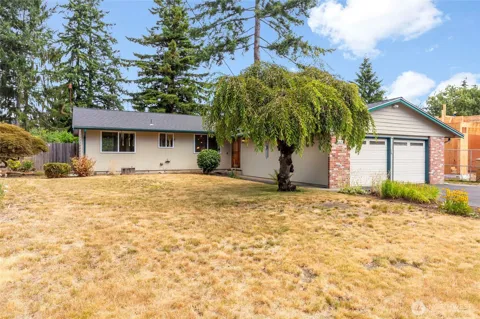
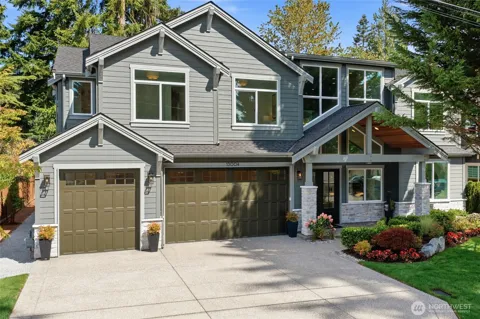
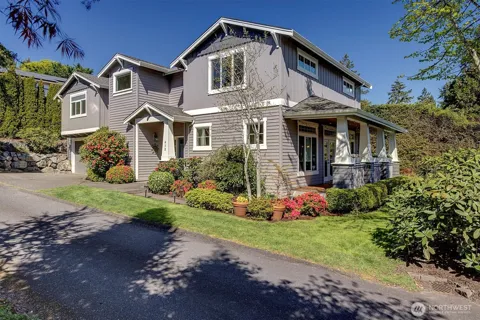
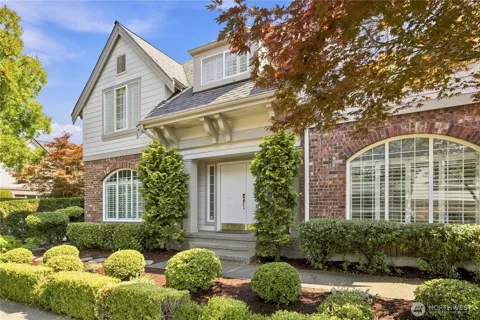
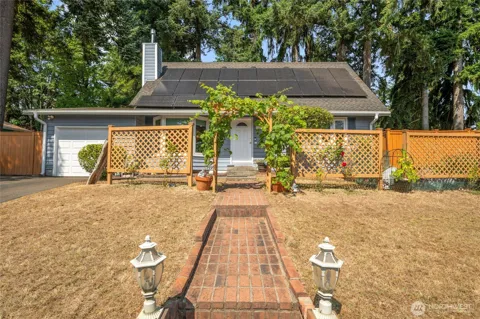
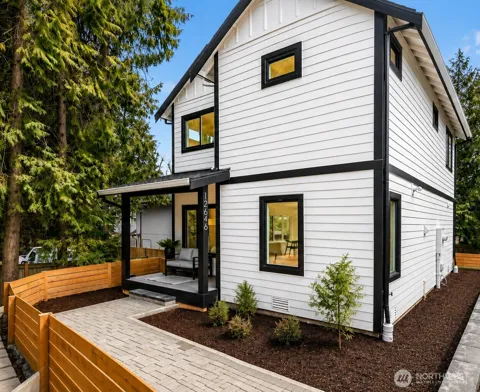
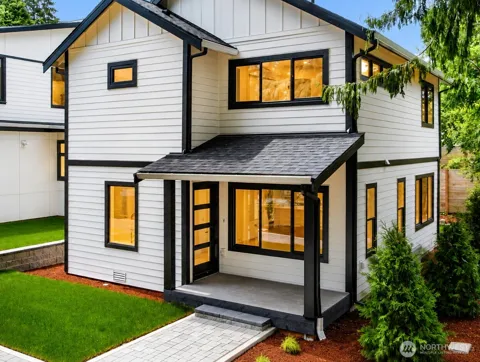
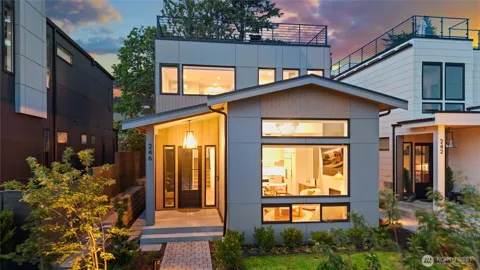
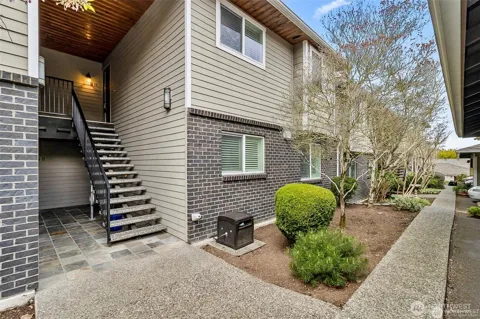
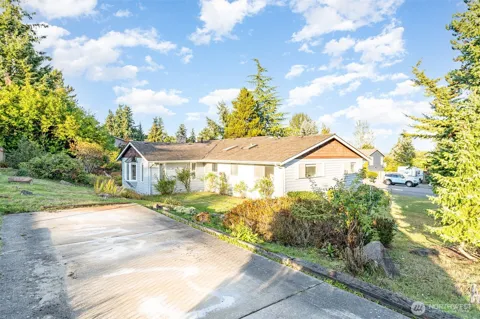
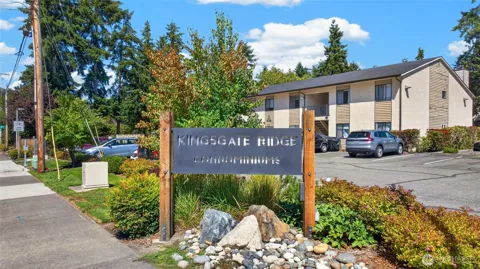
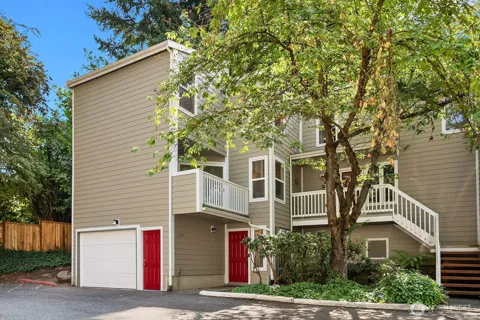
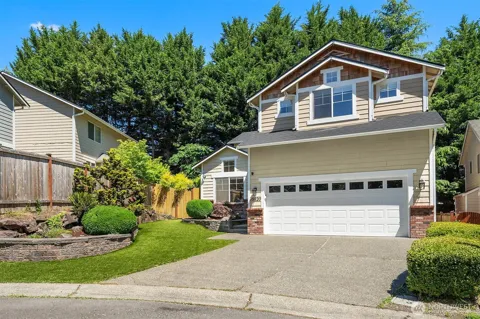
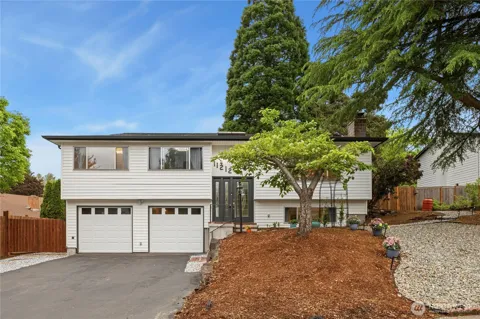
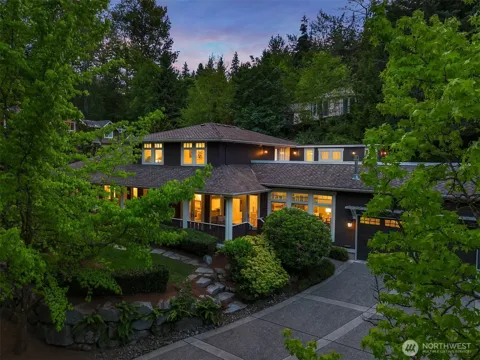
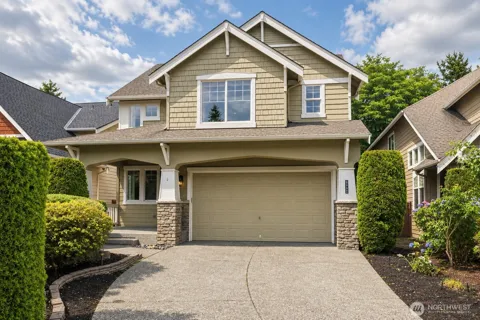
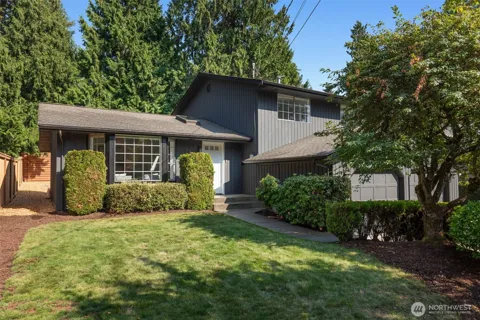
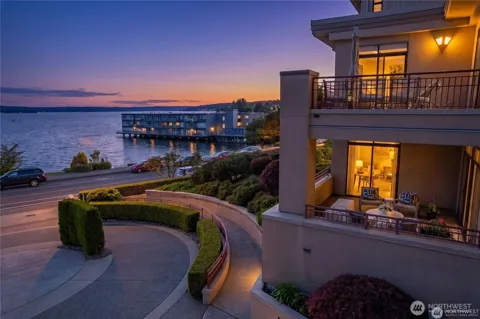
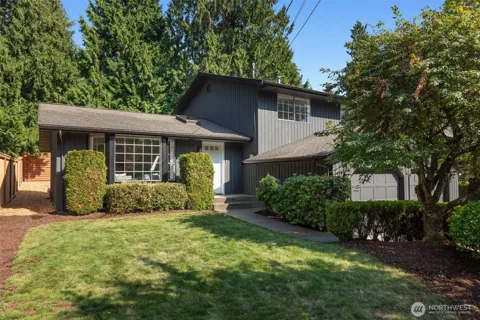
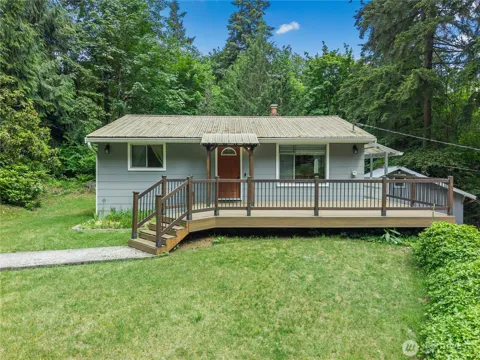
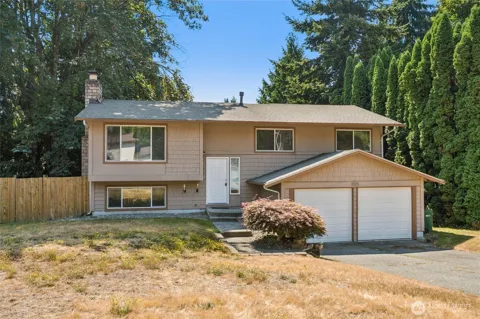
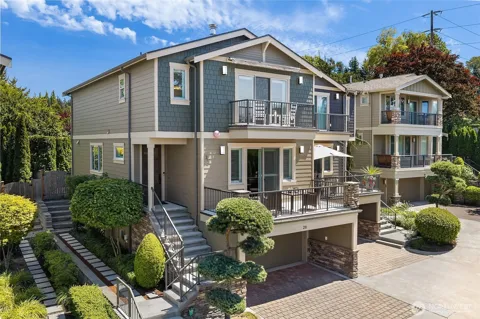
Kirkland's housing stock reflects its Eastside desirability and its waterfront geography. The city offers a mix of single-family homes in established neighborhoods, many with mature landscaping and mid-century or newer construction, along with an increasing supply of townhomes, condominiums, and apartments, particularly near downtown and transit corridors. Waterfront and view properties along Lake Washington form a distinct and highly sought-after segment. Neighborhoods range from the historic streets near the original waterfront core to hillside homes with lake and mountain views, and newer multi-family development in areas such as Totem Lake and downtown. Lot sizes are generally suburban, with larger parcels in some established areas. Overall, Kirkland's market is characterized by strong demand, limited land, and a premium for proximity to the water and downtown, consistent with its position as one of the Seattle area's most desirable Eastside communities.
Kirkland's neighborhoods spread across the hills and shoreline of Lake Washington's eastern side. The downtown waterfront district is the city's heart, with walkable streets, parks, and a concentration of dining and retail. Surrounding areas such as Moss Bay, Market, and Norkirk offer established single-family neighborhoods within walking distance of downtown. Farther out, the Juanita area along the lake's northeastern shore features Juanita Beach Park and a mix of older and newer housing, while Totem Lake to the north has become a focus of commercial and multi-family redevelopment. Houghton and other hillside neighborhoods provide lake and Seattle views. This layering — waterfront estates, walkable downtown streets, established subdivisions, and redeveloping commercial districts — gives Kirkland a diverse, amenity-rich residential landscape across the Eastside.
Kirkland's lifestyle is defined by its Lake Washington waterfront and its Eastside prosperity. The city's downtown waterfront is a gathering place, with beaches, walking paths, and parks framing views of Seattle and Mount Rainier, and a walkable commercial district of restaurants and shops nearby. Residents enjoy a distinctly outdoors-oriented, affluent suburban culture shaped by the lake. The city is a major employment center in its own right, with a significant technology presence including a Google campus, which brings a professional, educated population and contributes to a lively downtown economy. Community events, farmers markets, and waterfront activities provide year-round social life. With Seattle across the bridge and Bellevue immediately south, Kirkland offers urban access alongside a self-contained, waterfront-oriented community feel that ranks among the Eastside's most desirable.
Public education in Kirkland is provided by the Lake Washington School District, the second-largest school district in Washington. The district serves most of Kirkland as well as Redmond and other Eastside communities, operating elementary, middle, and high schools with a strong academic reputation. Several schools are located within the city, and assignments are based on residential address and attendance zones. The district is a central factor in Kirkland's appeal to families, offering a broad range of academic programs, advanced coursework, and extracurricular activities. The city's educated, professional population contributes to a strong culture of school support. Families considering Kirkland should confirm specific school assignments through the district's boundary resources, as zones vary across the city's waterfront, hillside, and northern neighborhoods.
Kirkland is well connected to the Seattle region through State Route 520, which crosses Lake Washington to Seattle and links to Interstate 405, the Eastside's major north-south corridor. Bellevue lies immediately south, and downtown Seattle is a roughly 20 to 40 minute drive or bus ride depending on traffic. The city is also served by regional bus routes connecting to Seattle, Bellevue, and nearby employment centers. As a major tech employment hub, Kirkland sees substantial commuting both into and out of the city, and transit service along key corridors supports that pattern. The city is primarily car-oriented, but its position between the SR-520 bridge and I-405 gives residents multiple routes to regional destinations. Seattle-Tacoma International Airport is reachable via the regional highway network, adding to Kirkland's practical connectivity for residents and commuters.
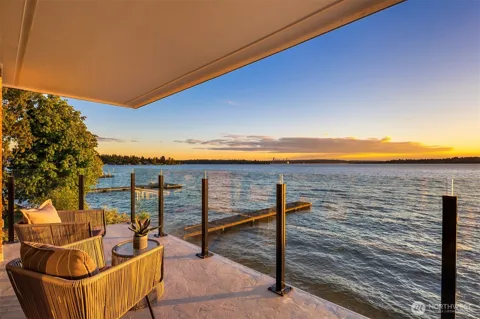
Recreation in Kirkland centers on Lake Washington. The city's waterfront parks provide beaches, walking paths, picnic areas, and launch points for boating, with views of Seattle and Mount Rainier. Juanita Beach Park, on the lake's northeastern shore, is a popular swimming and gathering destination, and windsurfing, paddle boarding, and kayaking are common on the lake. Beyond the waterfront, Kirkland maintains a network of neighborhood parks and green spaces, and the city's location on the Eastside provides access to regional trails and nearby natural areas. The outdoor culture is a defining feature of life in Kirkland, with residents enjoying lakeside recreation, trail systems, and views of the surrounding mountain ranges throughout the year. For many, the combination of water access and a walkable downtown makes Kirkland feel like a year-round recreational community.
MARKET SNAPSHOT
How homes have been selling here over the last 90 days.
Market data reflects closed sales over the last 90 days and is provided for informational purposes.
BROWSE BY ZIP
Browse listings by postal code in this area.