Gateway to the North Cascades
Welcome to Sedro-Woolley, a Skagit County city that is the gateway to the North Cascades and home of North Cascades National Park headquarters.
Sedro-Woolley is a city in Skagit County, Washington, set in the Skagit Valley in the northwestern part of the state, with a 2020 population of about 12,400. It is part of the Mount Vernon–Anacortes metropolitan area and is best known as the gateway to the North Cascades, hosting the headquarters of North Cascades National Park. The city's unusual hyphenated name records its origins. Sedro-Woolley was formed in 1898 by merging two rival towns: Sedro, a riverfront settlement founded by prospector Mortimer Cook, and Woolley, a coal-mining community founded by Phillip A. Woolley. The arrival of three railroads — the Northern Pacific, Great Northern, and Fairhaven and Southern — made the area a timber and transportation hub, and the competing communities united as one city. Logging, shingle milling, and coal processing shaped its early economy, and the city became the head of navigation on the Skagit River. Today Sedro-Woolley is a small, largely owner-occupied city with a sparse suburban feel and a strong sense of its pioneer and timber heritage, reflected in public art and wood carvings around its historic downtown. The Sedro-Woolley School District serves the community with about 12 schools and roughly 4,500 students. The city's defining role is as a launch point for the outdoors. The North Cascades Highway (State Route 20) climbs east from the city into North Cascades National Park, and the Skagit River and surrounding valley offer fishing, boating, and trails. Its location east of Interstate 5 keeps Seattle and the Puget Sound corridor within commuting distance for those seeking a slower pace. Sedro-Woolley suits households seeking a small, history-rich town with direct access to the mountains, and its growth reflects the broader Skagit Valley's appeal as an outdoors-oriented corner of western Washington.
Sedro-Woolley is a city in Skagit County, Washington, in the Skagit Valley. It is part of the Mount Vernon–Anacortes metropolitan area in the northwestern part of the state, east of Interstate 5.
Sedro-Woolley was formed in 1898 by merging two rival towns: Sedro, a riverfront settlement founded by Mortimer Cook, and Woolley, a coal-mining community founded by Phillip A. Woolley. Three railroads helped drive the union.
Sedro-Woolley is known as the gateway to the North Cascades. It hosts the headquarters of North Cascades National Park, and the North Cascades Highway begins its climb into the mountains just east of the city.
The Sedro-Woolley School District serves the city, operating about 12 schools and enrolling roughly 4,500 students in grades PK through 12. The district includes Sedro-Woolley High School and also serves surrounding communities in Skagit County.
City Guide
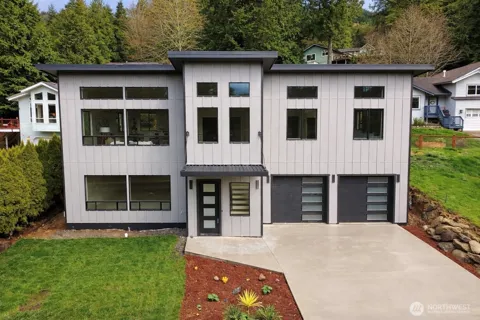
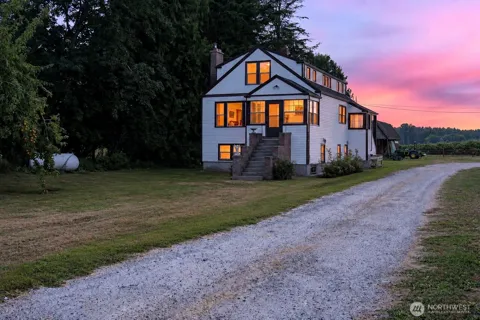
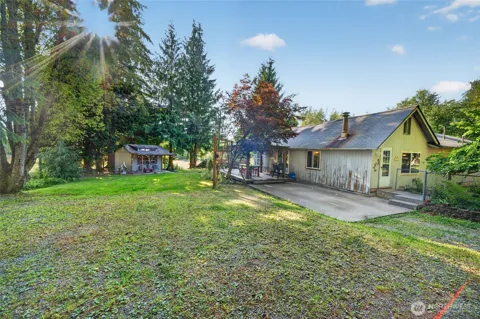
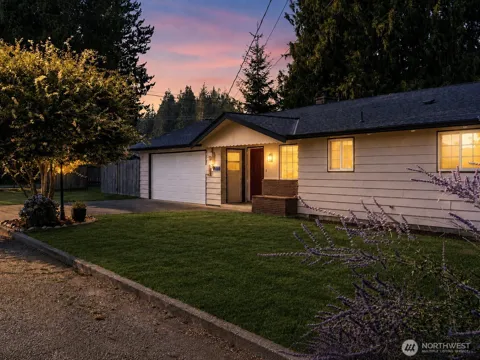
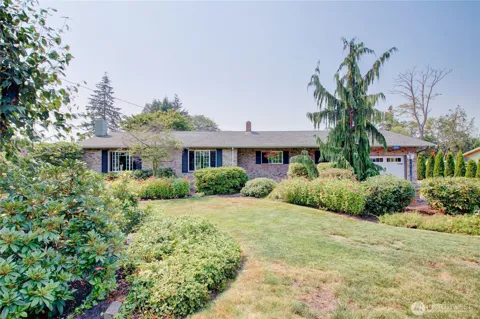
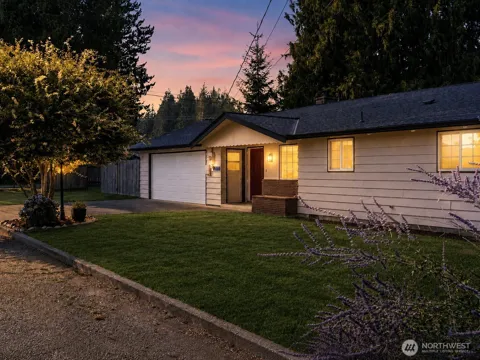
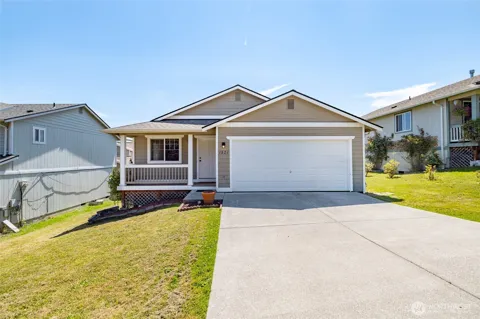
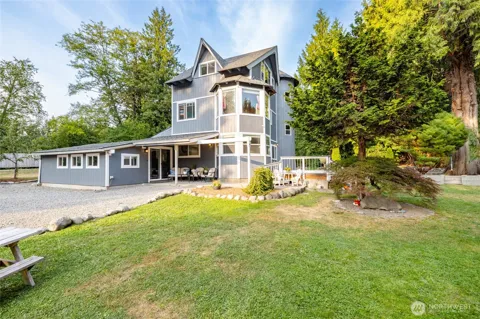
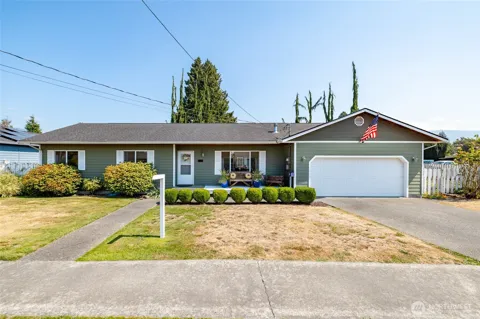
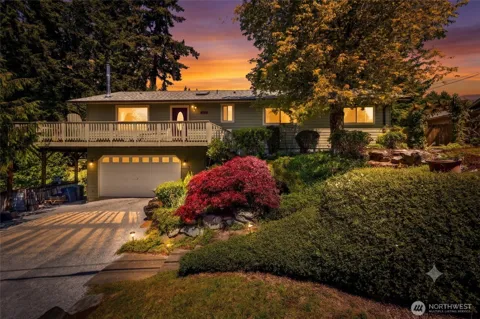
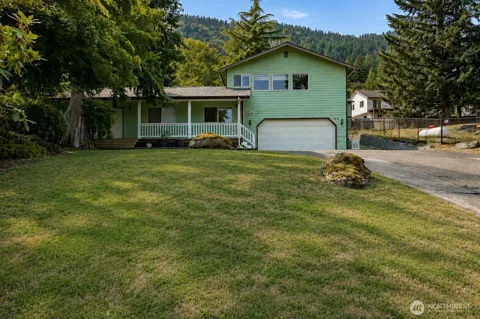
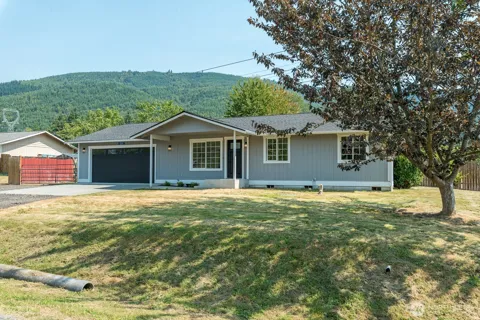
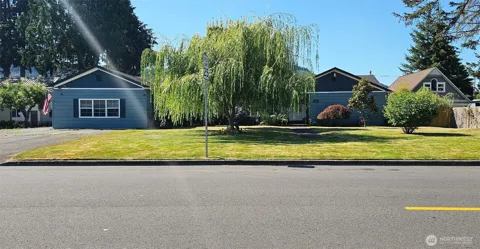
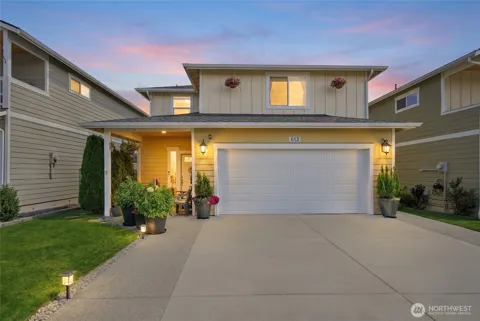
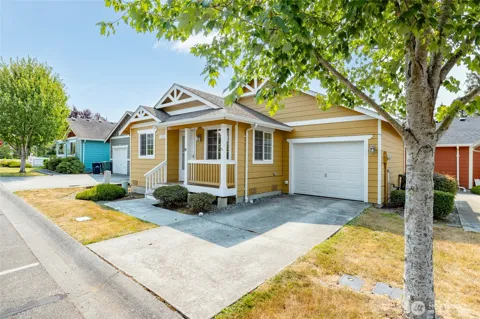
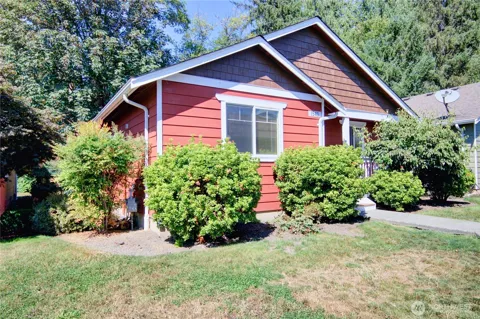
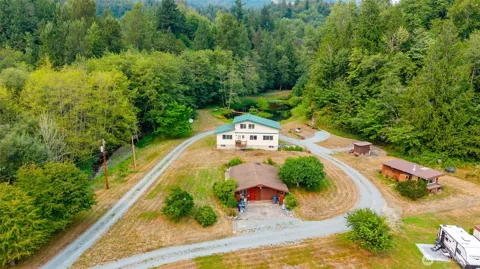
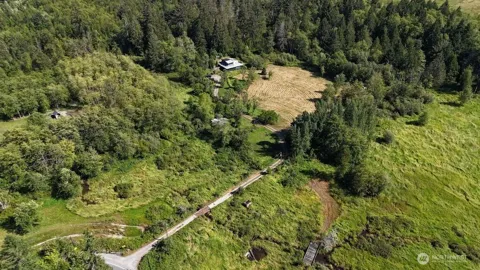
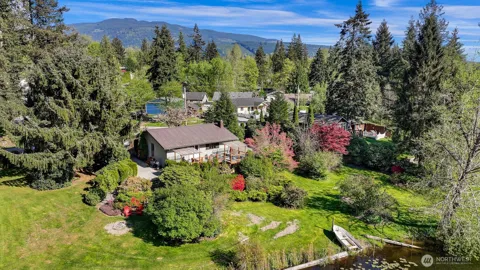
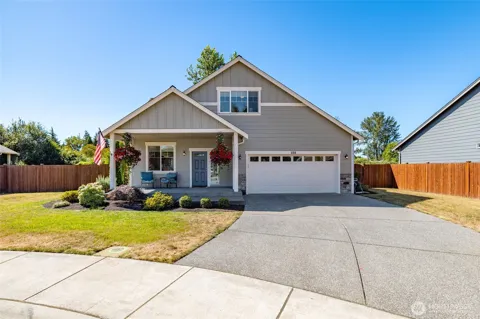
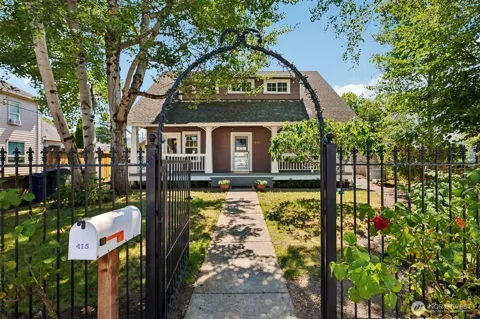
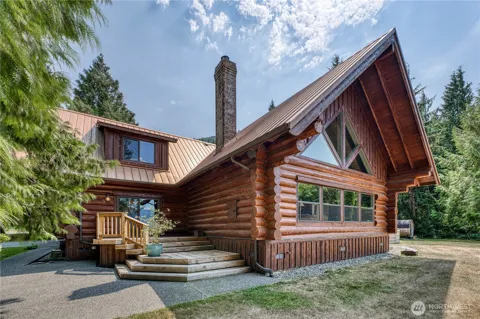
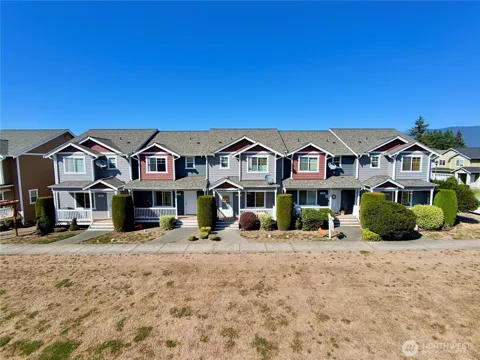
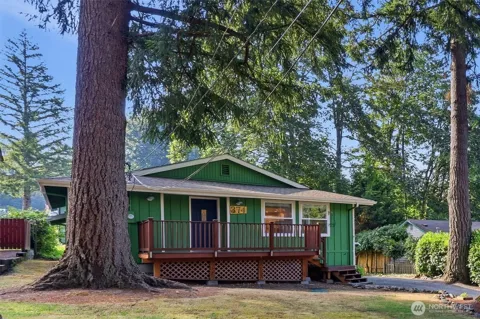
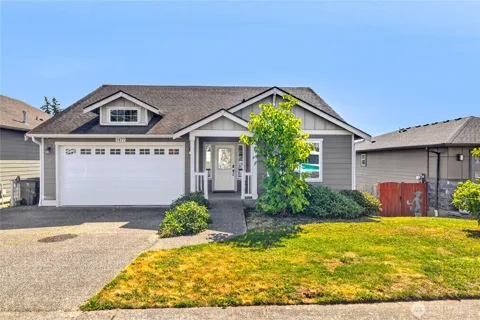
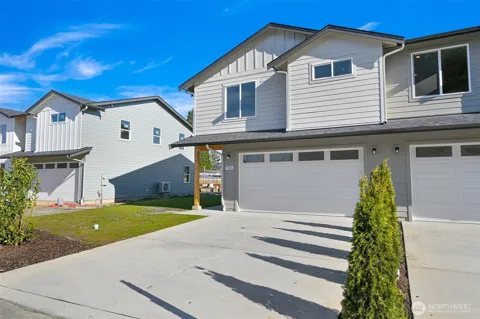
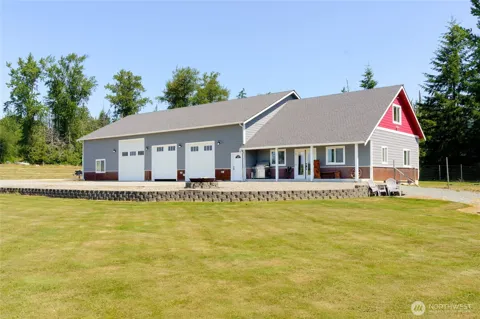
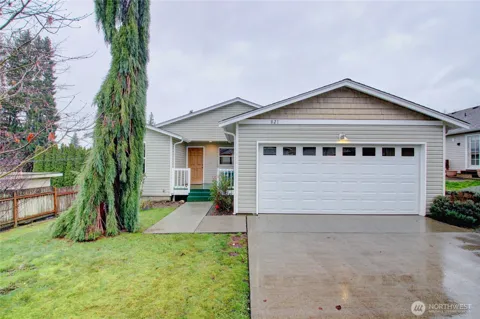
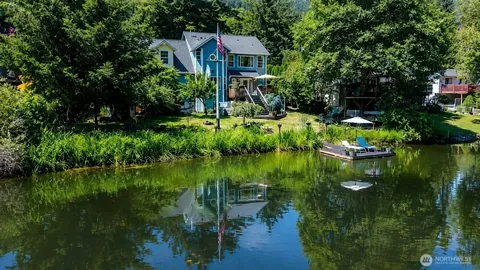
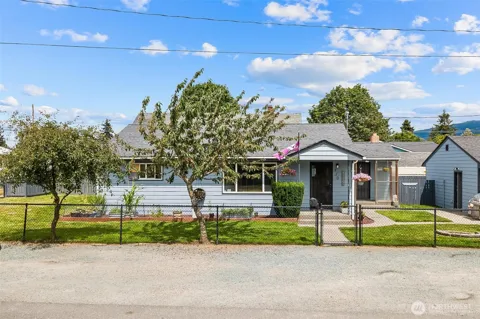
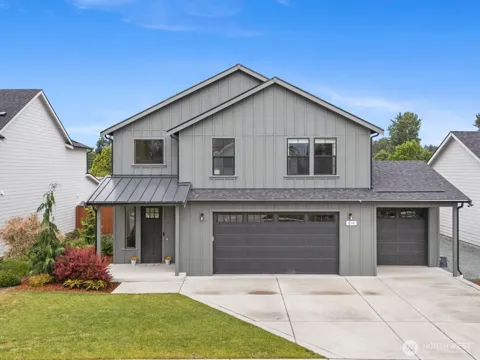
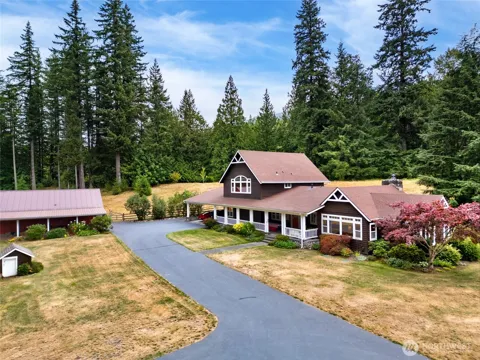
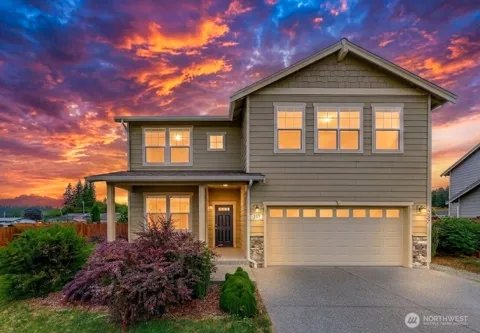
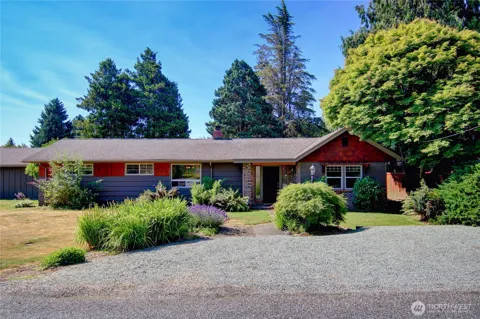
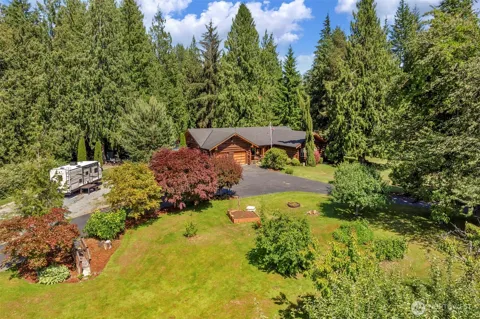
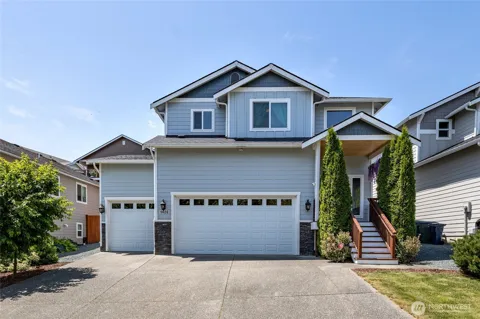
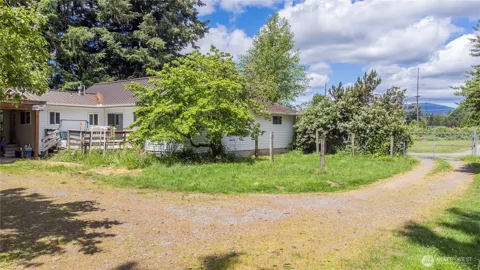
Sedro-Woolley's housing stock reflects a small Skagit Valley city with a timber-era past. The inventory centers on modest single-family homes, many in established, tree-lined neighborhoods near the historic downtown, with a sparse suburban feel and high rates of homeownership. Older homes from the early twentieth century coexist with mid-century and newer construction, and the city's location at the edge of the Skagit Valley offers a mix of in-town lots and larger properties on the outskirts. Buyers are typically drawn by small-town character, the school district, and access to North Cascades recreation.
Sedro-Woolley's layout is anchored by its historic downtown and the Skagit River, with residential neighborhoods radiating outward. The city's timber and railroad origins shaped an older, compact street grid near the center, where early twentieth-century homes cluster around shops and civic buildings. Newer subdivisions and larger lots spread toward the city's edges, giving way to Skagit Valley farmland and forest. Because the city is small, neighborhood identity is informal — a distinction between the historic core, the riverfront, and the newer residential growth — rather than a set of formal named districts. The Sedro-Woolley School District organizes much of local life.
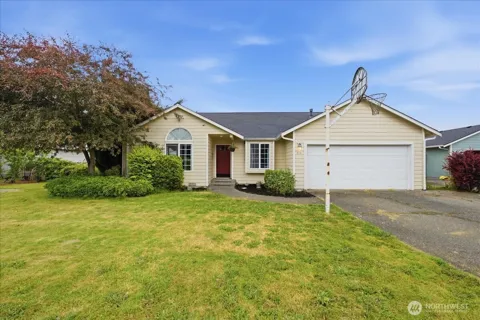
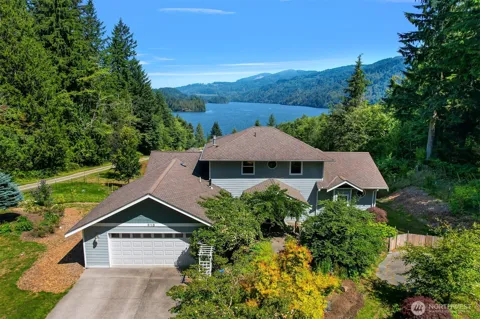
Life in Sedro-Woolley balances small-town charm with a strong outdoor identity. The city honors its timber and railroad roots through public art, wood carvings, and a historic downtown, while its role as gateway to the North Cascades shapes the recreational culture. Residents are a short drive from the North Cascades Highway, Skagit River recreation, and the hiking and wilderness of North Cascades National Park. The community offers a sparse suburban, largely owner-occupied feel, and daily life is unhurried compared with the larger Puget Sound cities to the south. It suits those who value access to the outdoors and a close-knit, history-rich town.
Sedro-Woolley is served by the Sedro-Woolley School District, a public district covering the city and surrounding Skagit County area. The district operates about 12 schools and enrolls roughly 4,500 students in grades PK–12, including Sedro-Woolley High School. The district is a central community institution in a city of about 12,000, giving it a close-knit, hometown scale. Families should confirm school assignments by address, as the district extends beyond the city limits. Education is a key part of the community's identity and a draw for households relocating to the Skagit Valley.
Sedro-Woolley sits along the North Cascades Highway (State Route 20), the corridor that climbs east into North Cascades National Park, and it is a short drive from Interstate 5, which connects the Skagit Valley to Seattle and British Columbia. The city's position made it a historic rail hub, and today it functions as a gateway community for travel into the Cascades and the broader Skagit Valley. Commuting is car-based, with Mount Vernon, Burlington, and Anacortes within easy reach and the Puget Sound corridor accessible via I-5. The city's road connections define its role as a northern gateway.
Recreation in Sedro-Woolley is anchored by its gateway position to the North Cascades. The city hosts the headquarters of North Cascades National Park, and the North Cascades Highway begins its scenic climb just east of town, opening access to alpine hiking, camping, and wilderness. The Skagit River supports fishing and boating, and the surrounding valley offers trails and farmland scenery. Within the city, the historic downtown and public art provide a walkable core. For residents, the combination of river, valley, and mountain access makes outdoor recreation a defining feature of daily life.
MARKET SNAPSHOT
How homes have been selling here over the last 90 days.
Market data reflects closed sales over the last 90 days and is provided for informational purposes.
BROWSE BY ZIP
Browse listings by postal code in this area.