Stillaguamish River Valley City
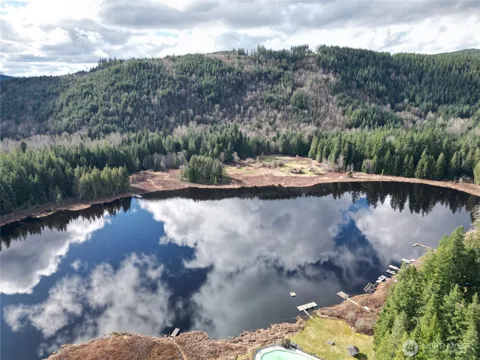
Welcome to Arlington, a northern Snohomish County city on the Stillaguamish River where the Centennial Trail, Cascade foothills, and a historic downtown meet Seattle-metro convenience.
Arlington is a city in northern Snohomish County, Washington, lying on the Stillaguamish River in the western foothills of the Cascade Range. Part of the Seattle metropolitan area, it sits about 10 miles north of Everett and directly adjacent to Marysville, a position that places it on the growing northern edge of the Puget Sound region while keeping the mountains and river close at hand. The city's history reaches back more than a century; it marked its 100th anniversary in 2003, and its downtown commercial buildings along Olympic Avenue date to the late nineteenth and early twentieth centuries. For much of its life Arlington was a compact agricultural and railroad town, but the late twentieth and early twenty-first centuries brought substantial growth, most notably through the 1999 annexation of Smokey Point, a community named for a 1950s roadside café. That annexation extended the city westward along the Interstate 5 corridor and reshaped its residential and commercial geography. Today Arlington is home to roughly 21,000 people and functions largely as a commuter city. Only a small share of employed residents work within the city itself; many travel to Everett, Marysville, Seattle, and other regional job centers. That commuting pattern, combined with ongoing residential development around Smokey Point, gives the city a dual character: a historic river town at its core, and a growing suburban community on its western flank. For someone considering a move, Arlington offers the Stillaguamish River, the Centennial Trail, and Cascade foothill recreation, along with direct highway access to the northern Puget Sound job market. It tends to appeal to families, outdoor enthusiasts, and commuters who want a real downtown with history, plus newer housing stock, without the density and cost of the more central Seattle suburbs.
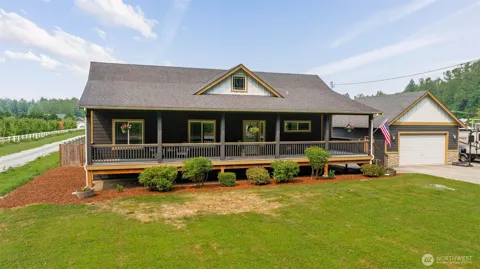
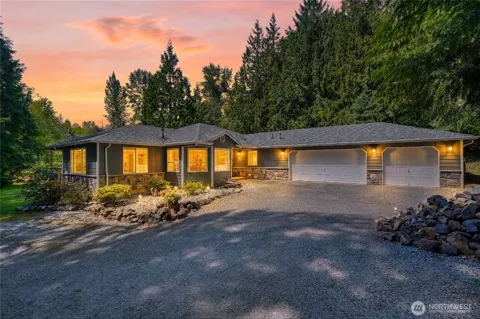
Arlington is located in northern Snohomish County, Washington, within the Seattle metropolitan area. It sits along the Stillaguamish River in the western foothills of the Cascade Range, about 10 miles north of Everett and adjacent to the city of Marysville.
Arlington lies about 10 miles north of Everett and is adjacent to Marysville. As part of the Seattle metropolitan area, many residents commute to Everett, Marysville, and Seattle for work, with Interstate 5 and State Route 9 providing regional access.
Public schools in Arlington are served by the Arlington School District, which operates about 11 schools and roughly 5,600 students. The district serves the city of Arlington, a section of Smokey Point, and several surrounding unincorporated communities in northern Snohomish County.
The Centennial Trail is a 30-mile rail trail administered by Snohomish County that connects Snohomish, Lake Stevens, and Arlington to Skagit County. In Arlington it crosses the Stillaguamish River on a converted railroad bridge near Twin Rivers Park, and the Whitehorse Trail branches off at Arlington Junction.
Smokey Point is a community on Arlington's western side that was annexed into the city in 1999. It takes its name from the 1950s-era Smokey Point Café and today functions as a commercial and residential growth corridor, with neighborhoods such as Gleneagle nearby.
The Stillaguamish River, known locally as the Stilly, runs through Arlington. It supports fishing, floating, and riverside recreation, and its north and south forks converge near Twin Rivers Park in the city.
City Guide
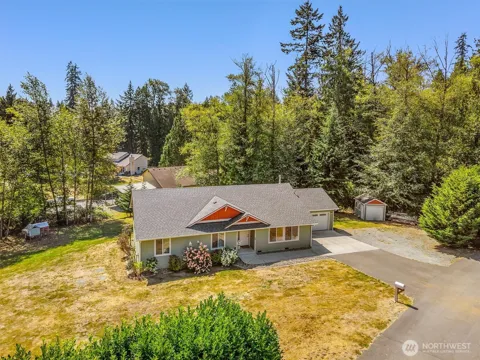
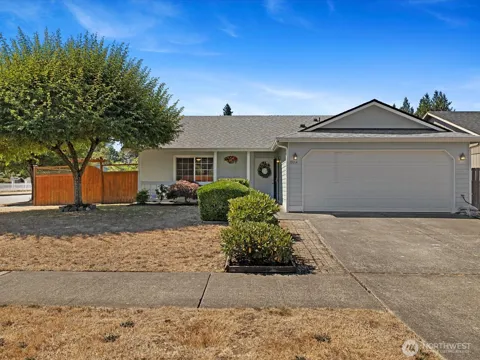
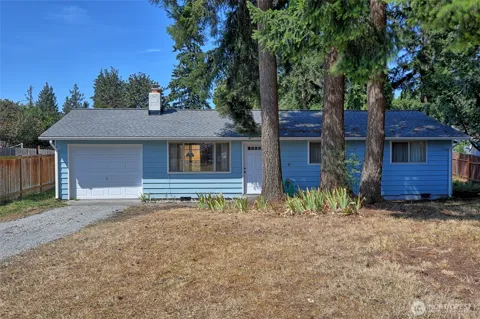
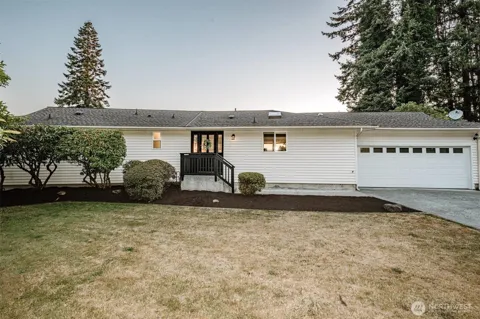
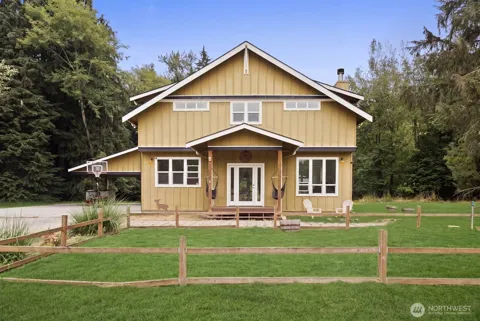
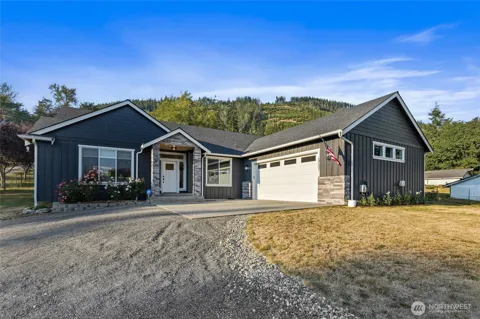
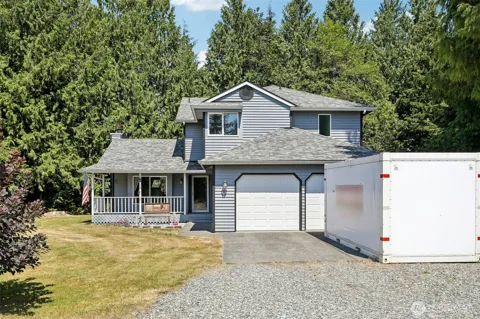
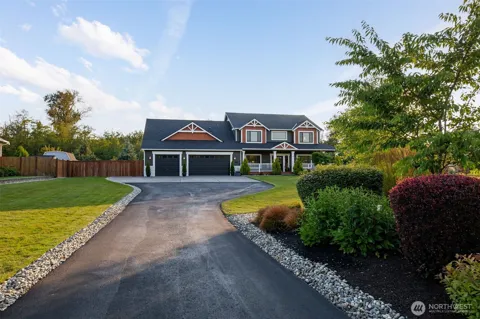
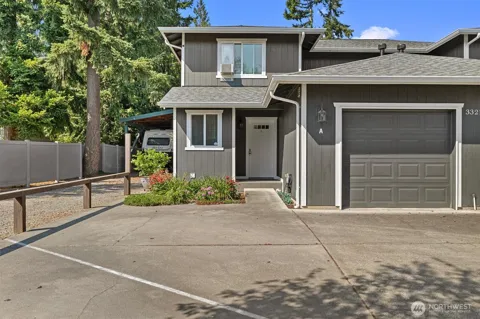
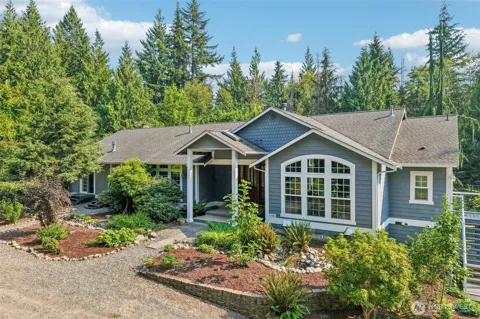
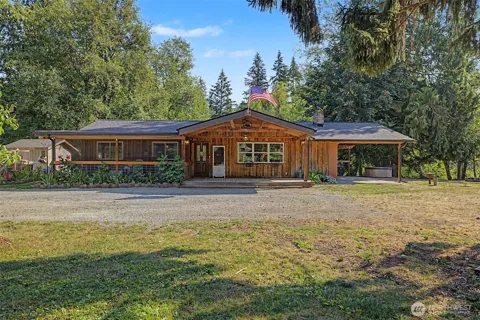
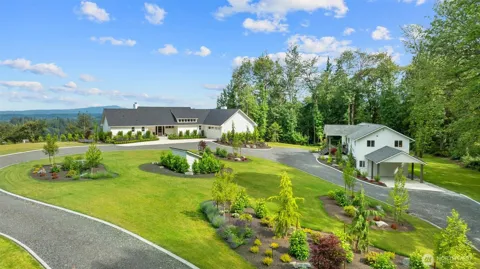
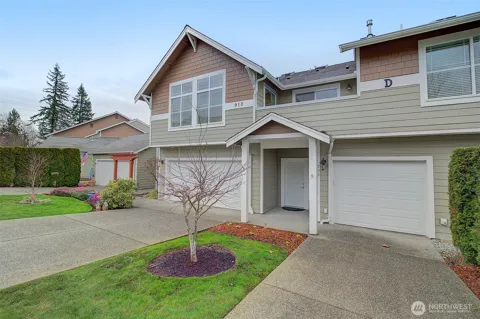
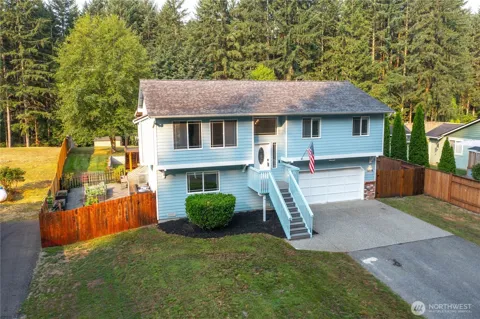
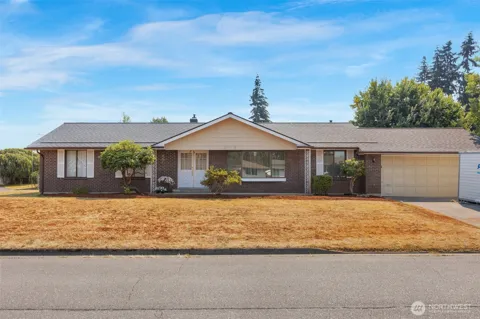
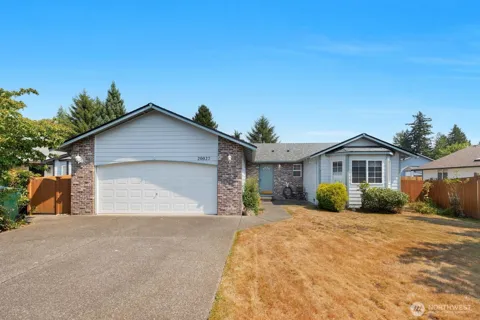
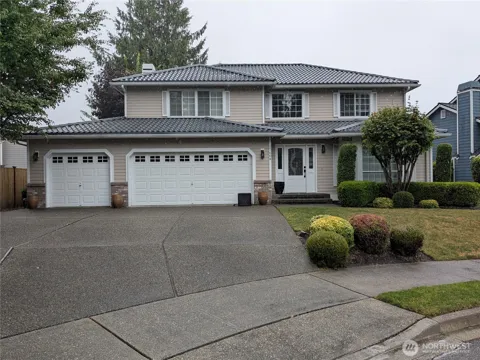
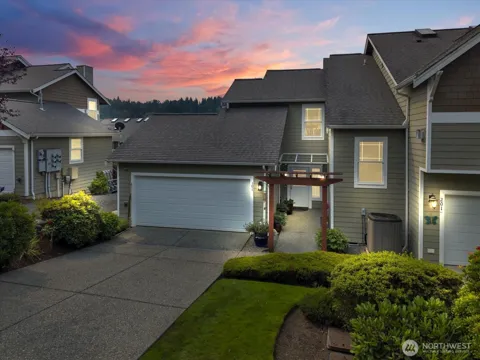
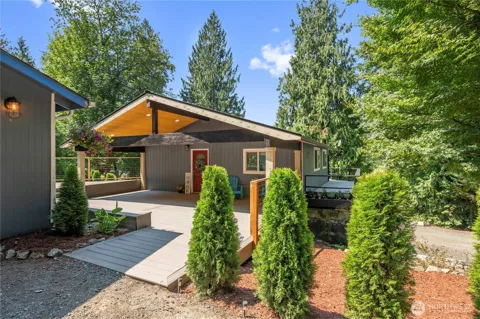
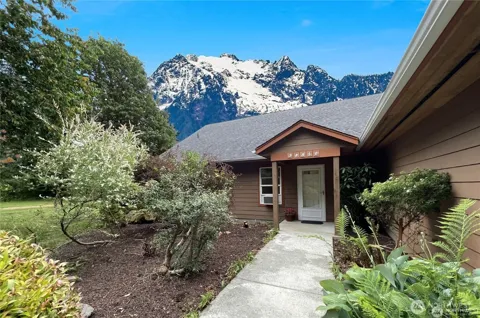
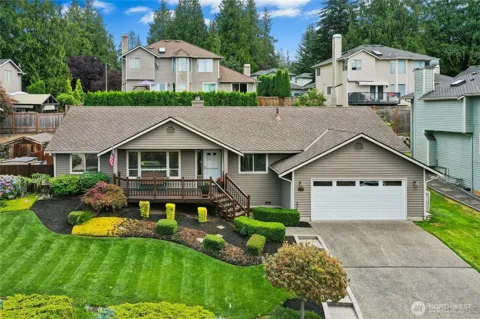
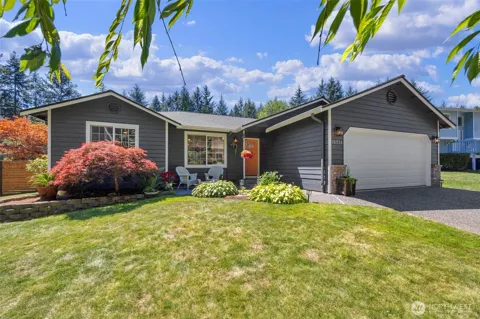
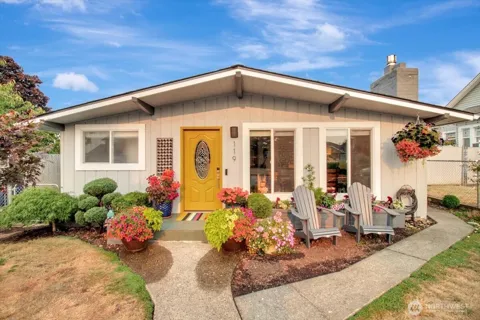
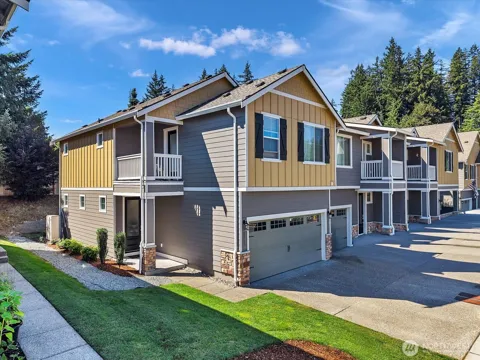
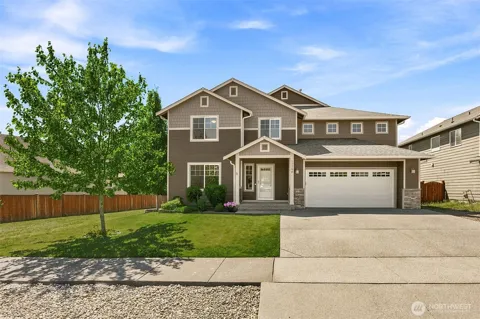
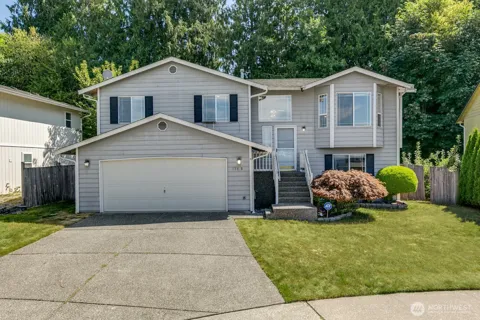
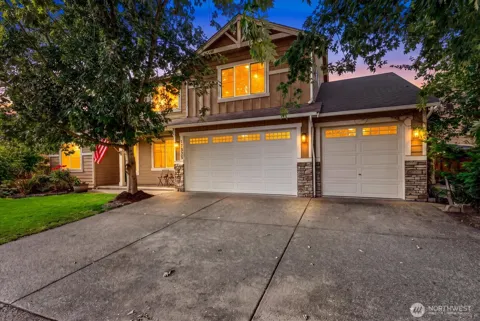
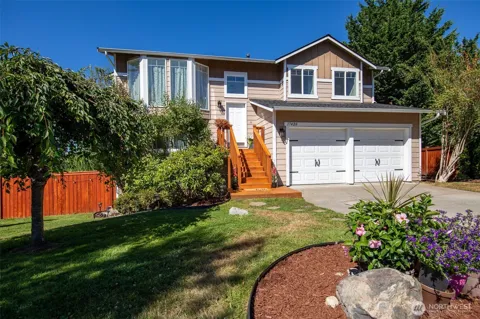
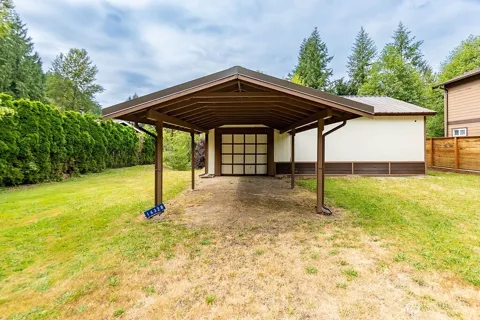
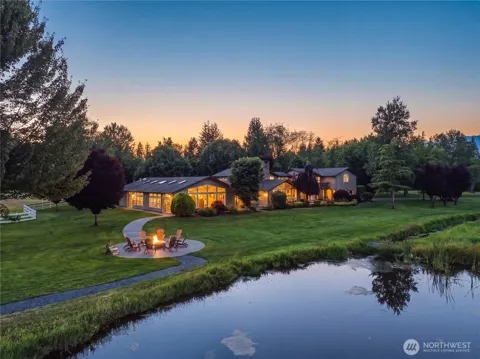
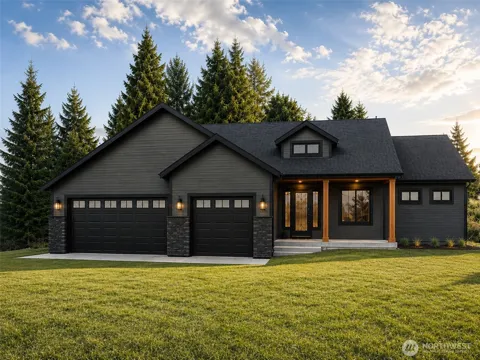
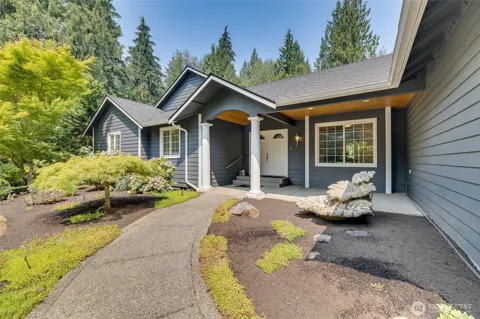
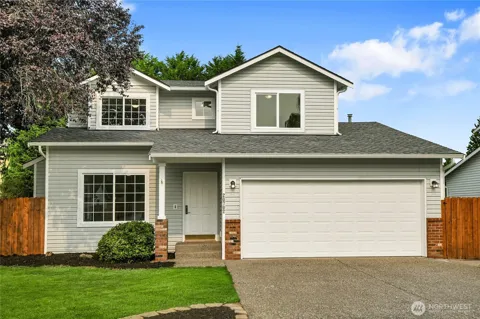
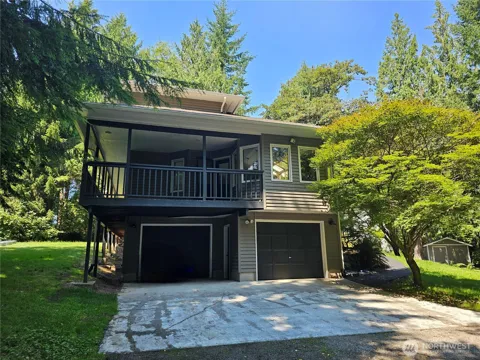
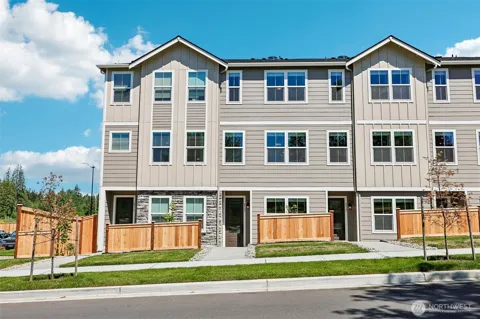
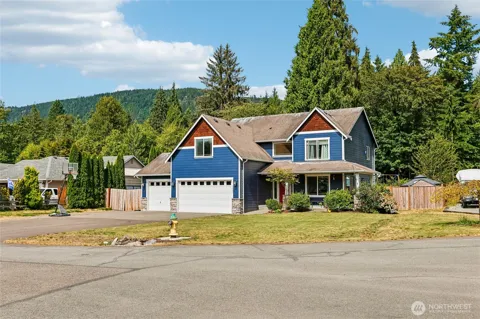
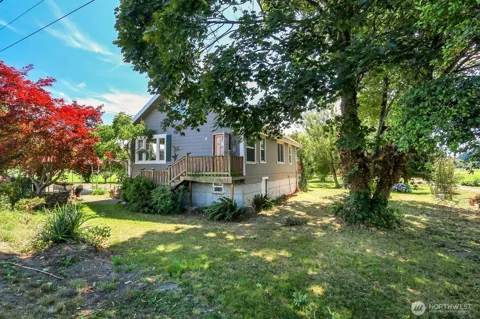
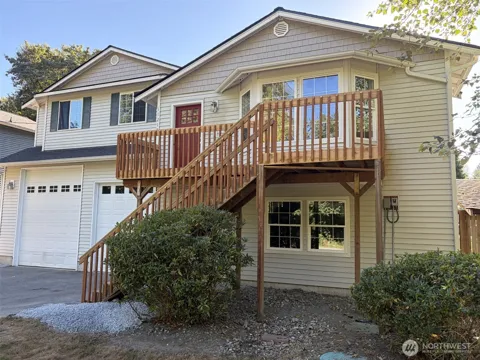
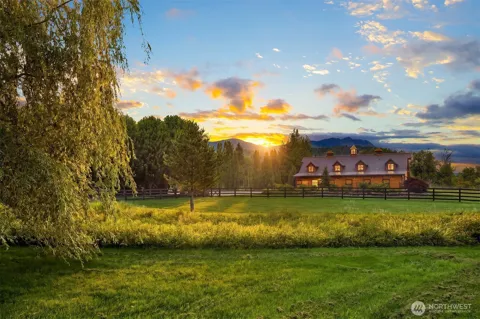
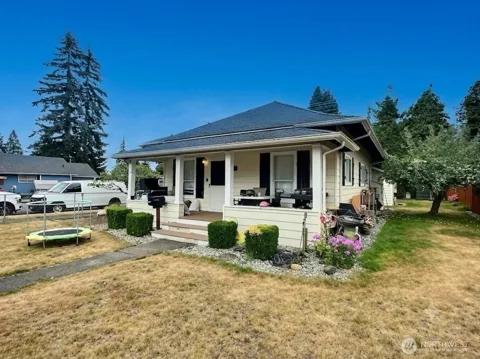
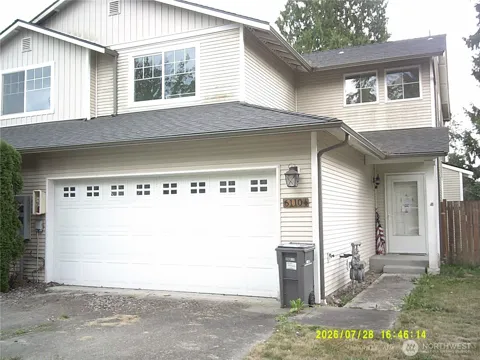
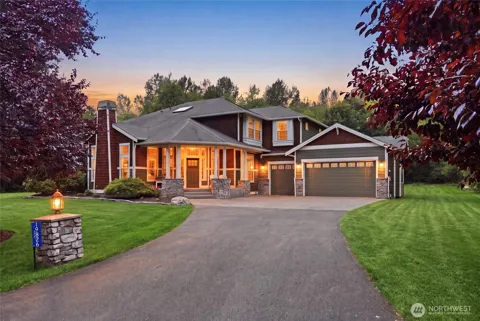
Arlington's housing stock reflects two phases of the city's growth. The original core around downtown and Olympic Avenue holds older, historic homes dating to the early twentieth century, along with mid-century houses on established streets. Around and after the 1999 annexation of Smokey Point, the city added a substantial supply of newer single-family subdivisions, townhomes, and apartment communities, particularly on the western side. Neighborhood names such as Gleneagle, Eagle Heights, Eagle Ridge, Crown Ridge, and River Crest Estates illustrate the range of newer developments, while in-town areas like Arlington Heights and Bryant represent the more established fabric. This mix means buyers can choose between a character home near downtown, a suburban house in a newer subdivision, or a lower-maintenance townhome or condominium. The combination of historic charm and newer construction, set against river and mountain scenery, gives Arlington a housing landscape broader than its population alone suggests.
Arlington's neighborhoods span the historic center and the newer west side. The downtown area around Olympic Avenue contains the city's oldest homes and commercial buildings, some dating to the 1890s, and retains a distinct main-street character. Established in-town neighborhoods such as Arlington Heights and Bryant offer mature lots and settled streets close to schools and the river. To the west, the Smokey Point area—annexed in 1999—is the city's principal growth corridor, with subdivisions like Gleneagle, Eagle Heights, Eagle Ridge, and Crown Ridge, along with townhome and apartment communities. River Crest Estates and similar developments near the Stillaguamish provide newer homes with river or foothill views. This east-to-west layout means the character of a street can shift from historic storefronts to modern cul-de-sacs within a few miles, giving home buyers a genuine range of settings in a single municipality.
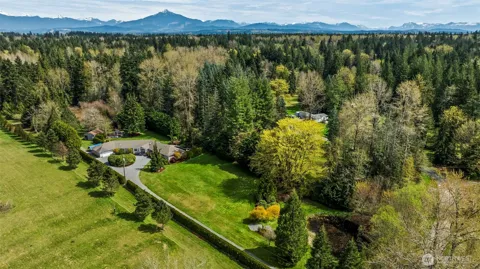
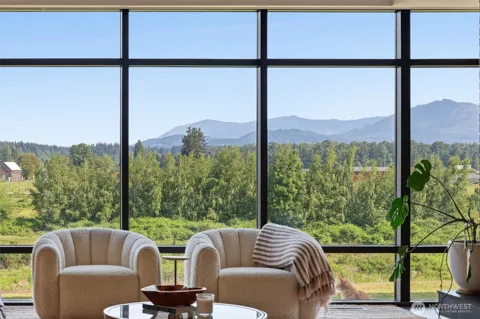
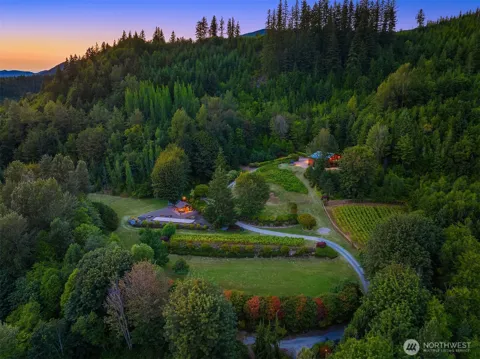
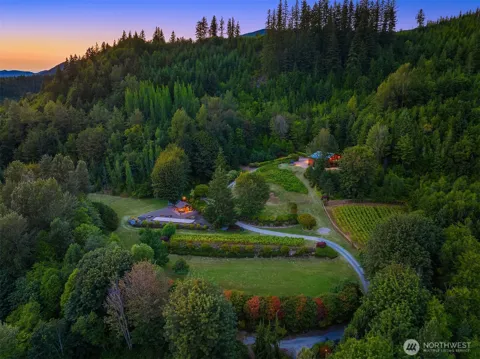
Life in Arlington blends a small-town, outdoors-oriented feel with access to the larger Puget Sound economy. Downtown's Olympic Avenue anchors the city's identity, with its historic storefronts, antique shops, and local diners, while the Stillaguamish River and the Centennial Trail draw residents outdoors for walking, cycling, and fishing. The city hosts community events and parades that reinforce its close-knit character. At the same time, Arlington functions as a commuter community within the Seattle metro. A meaningful share of the workforce travels to Everett, Marysville, and Seattle, so the city carries a practical, connected rhythm alongside its slower downtown pace. The surrounding Cascade foothills and the Stilly-Sauk valleys offer hiking and river recreation within minutes, while Marysville and Everett provide the larger retail, dining, and employment centers that a city of Arlington's size does not. The result is a lifestyle that pairs quiet Northwest living with metropolitan reach.
Public education in Arlington is provided by the Arlington School District, the ninth largest of Snohomish County's school districts. The district operates about 11 schools serving roughly 5,600 students and covers the city of Arlington, a section of Smokey Point, and several unincorporated communities nearby. Its schools span elementary through high school, with Arlington High School serving the secondary level. Families weighing a move will find a district of moderate size, which offers a balance between the resources of a larger system and the familiarity of a smaller one. The district's boundaries generally track the city's residential neighborhoods, and its schools are central to community life. Residents also have access to the broader educational infrastructure of Snohomish County, including community colleges and regional institutions within commuting distance.
Arlington is well positioned on the northern Puget Sound's highway network. Interstate 5 runs along the city's western edge, with State Route 530 connecting the downtown and river area to the freeway and the Cascade foothills, while State Route 9 provides an alternate north-south route through the valley. The city sits about 10 miles north of Everett, and residents commonly commute south to Everett, Marysville, and Seattle, as well as north toward Skagit County. The Centennial Trail gives the city a notable non-motorized corridor for cycling and walking between communities, complementing the road network. Public transit connections, including community transit service toward Everett and Marysville, extend the commute options. Overall, Arlington's location offers convenient car access to the region's major job centers while retaining the character of a smaller, riverfront community at the northern end of the Seattle metropolitan area.
Arlington's recreation is defined by the Stillaguamish River and the Centennial Trail. The 30-mile Centennial Trail passes directly through the city, crossing the river on a converted railroad bridge at Twin Rivers Park, where the north and south forks of the Stillaguamish converge. Walkers, runners, and cyclists use the trail for both daily exercise and longer regional rides, and the Whitehorse Trail branches off at Arlington Junction toward the surrounding valleys. The river itself supports fishing, floating, and riverside picnicking, and the surrounding Stilly-Sauk valleys offer hiking and camping within a short drive of town. The Cascade foothills and nearby mountain recreation areas extend those options into year-round outdoor activity. The city's parks, sports fields, and community events round out the local offerings, making Arlington a natural base for people who prioritize access to trails, water, and open space.
MARKET SNAPSHOT
How homes have been selling here over the last 90 days.
Market data reflects closed sales over the last 90 days and is provided for informational purposes.
BROWSE BY ZIP
Browse listings by postal code in this area.