Lakeside Suburb East of Everett
Welcome to Lake Stevens, a Snohomish County city built around the large lake that shares its name, set east of Everett and within commuting range of Seattle.
Lake Stevens is a city in Snohomish County, Washington, set around the natural lake that gives the community its name and identity. It lies about six miles east of Everett and roughly thirty miles northeast of Seattle, on the residential side of the Puget Sound region. Long a rural lake and mill community, Lake Stevens incorporated as a city in 1960 and has grown into one of Snohomish County's larger suburban centers, with the lake at its heart rather than at its edge. The lake shapes daily life here. Public boat launches, fishing, swimming, and shoreline parks put water access minutes from most homes, and many neighborhoods are arranged so the lake stays visible from hillside streets and parks. North Cove Park fronts the downtown waterfront and serves as the civic gathering place, while the Mill district nearby concentrates local businesses, restaurants, and community events. Beyond the shoreline, newer subdivisions and established residential streets spread south and east toward Soper Hill and the surrounding unincorporated county, so the city now extends well past its original lakeside core. Employment and everyday needs are tied closely to Everett, where Boeing and other aerospace, manufacturing, and healthcare employers anchor the regional economy. Many residents commute to Everett or south toward Seattle and Bellevue, while Community Transit bus service and the US-2 and State Route 9 corridors connect the city to the wider region. Public schools are operated by the Lake Stevens School District, whose boundaries extend beyond the city and align with the local park and recreation service area, tying schools and community facilities closely together. The result is a community that pairs a large, year-round recreational lake with suburban convenience and access to one of Washington's major employment hubs. The city's appeal rests on that combination: established and newer single-family neighborhoods, a downtown focused on its waterfront, and a lake that remains central to how residents live, commute, and spend their free time. For families and professionals seeking a water-oriented suburban setting within reach of Everett and Seattle, Lake Stevens offers a distinct alternative to the region's larger, more densely built cities.
Lake Stevens is located in Snohomish County, Washington, in the northern part of the Seattle metropolitan region. The city lies about six miles east of Everett, the county seat, and borders Marysville to the northwest and the city of Snohomish to the south.
The Lake Stevens School District serves the city and surrounding areas, operating a network of elementary, middle, and high schools including Lake Stevens High School. The district extends beyond the city limits into nearby unincorporated Snohomish County neighborhoods, so school assignment depends on a property's specific address.
Lake Stevens sits about six miles east of Everett and roughly thirty miles northeast of downtown Seattle. Commuters typically reach Everett directly via US-2 and State Route 9, while trips to Seattle follow US-2 to I-5 or connect through the Lynnwood corridor, where regional light rail provides an alternative to driving.
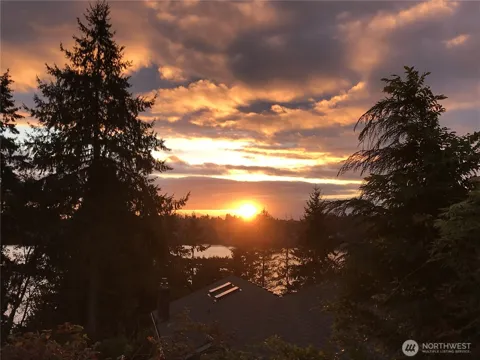
Lake Stevens is a large natural lake that the city surrounds, giving the community its name and much of its identity. The lake supports boating, fishing, paddle sports, and swimming, with public launches and shoreline parks spread around it. Many neighborhoods are arranged to keep the water visible from streets and hillside homes.
Lake Stevens is best known for the large natural lake at its center and for being a growing residential suburb east of Everett. The downtown waterfront at North Cove Park and the Mill district anchors local commerce and events, while the nearby Everett area, including Boeing and other major employers, anchors the regional economy.
City Guide
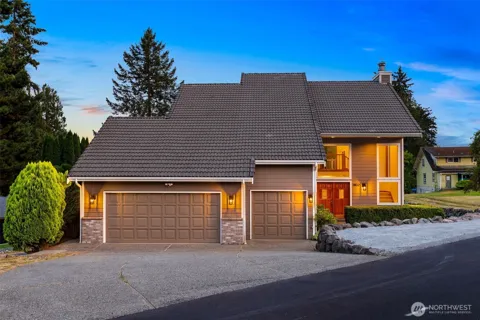
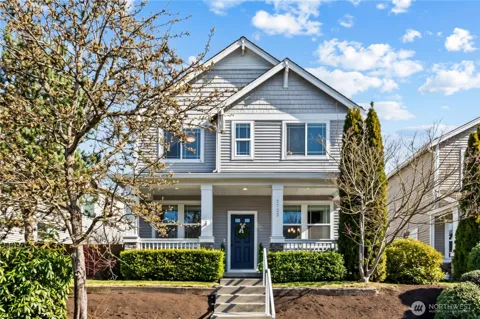
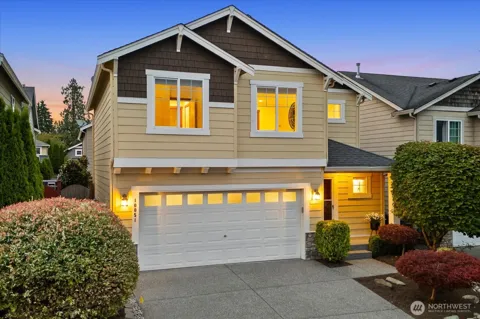
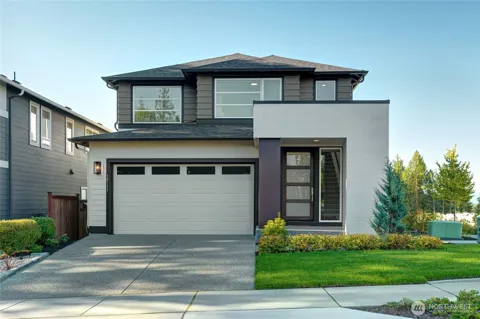
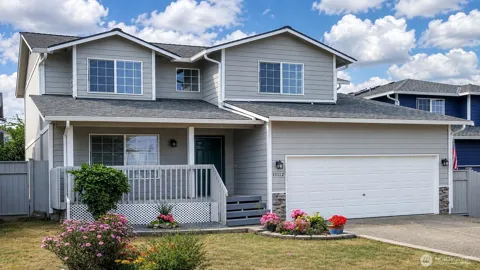
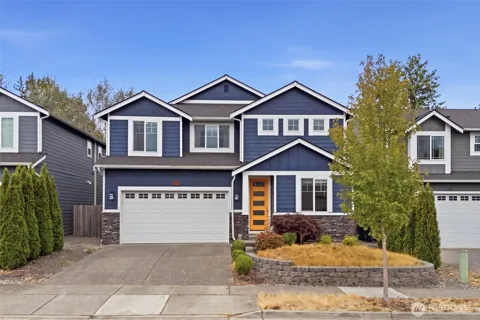
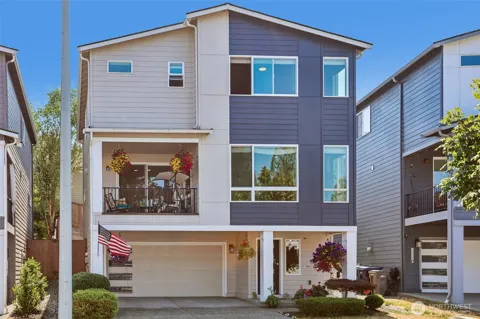
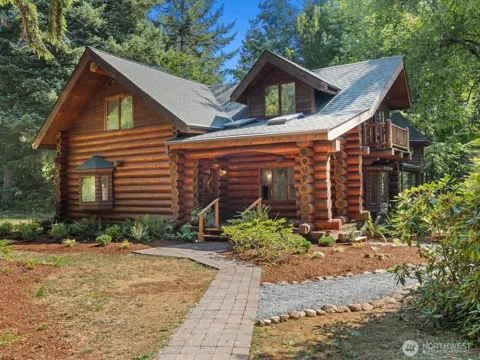
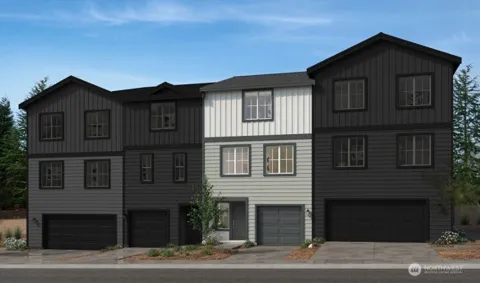
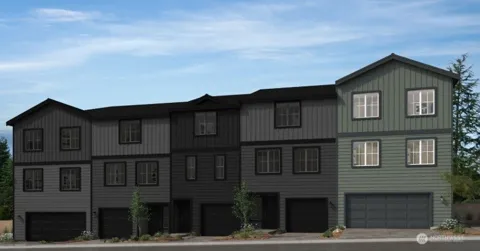
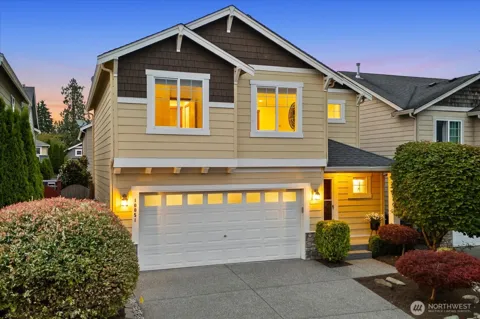
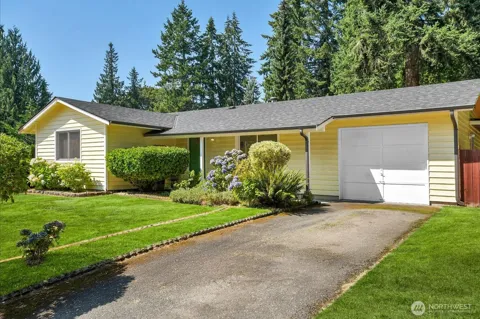
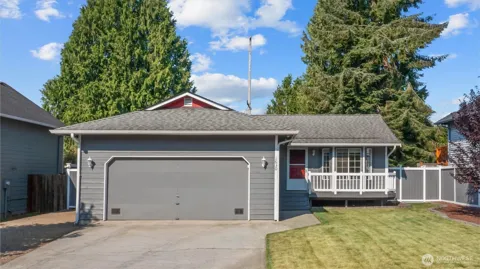
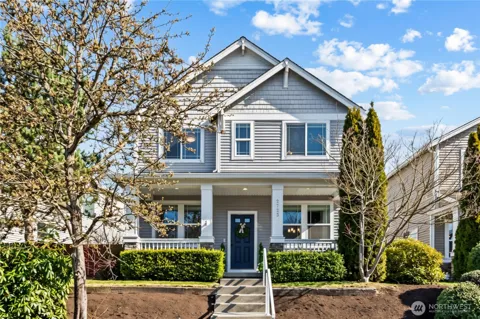
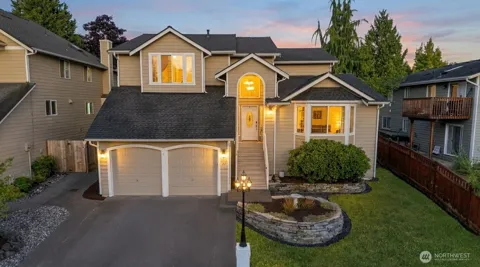
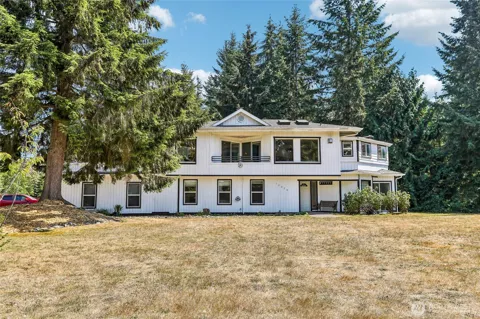
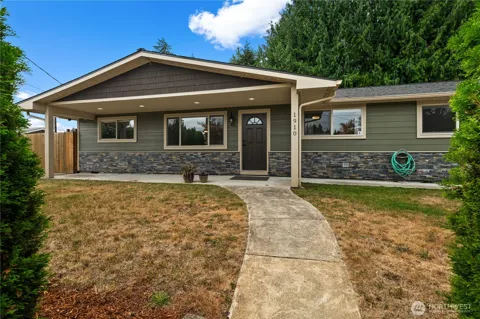
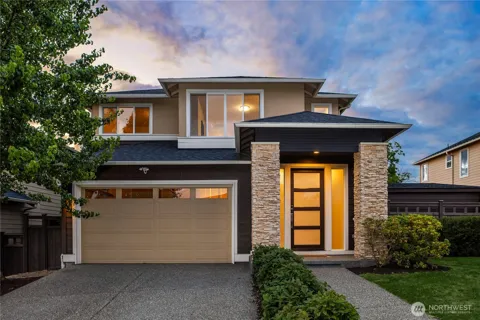
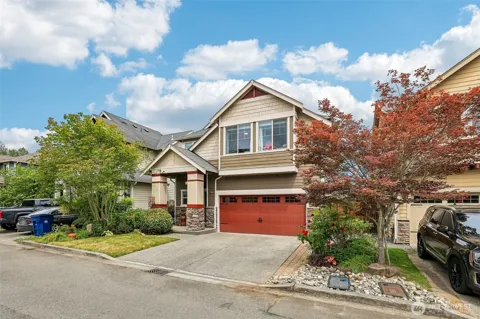
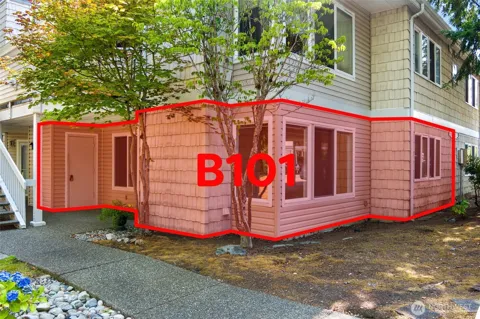
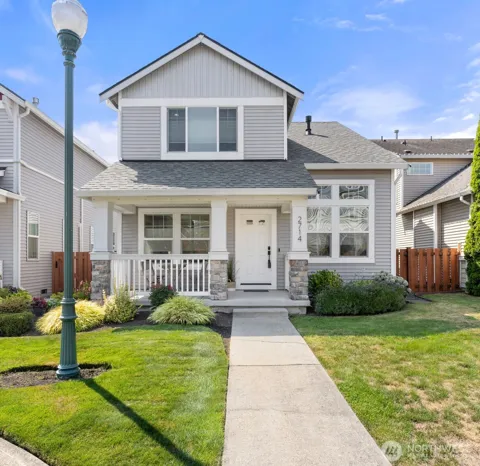
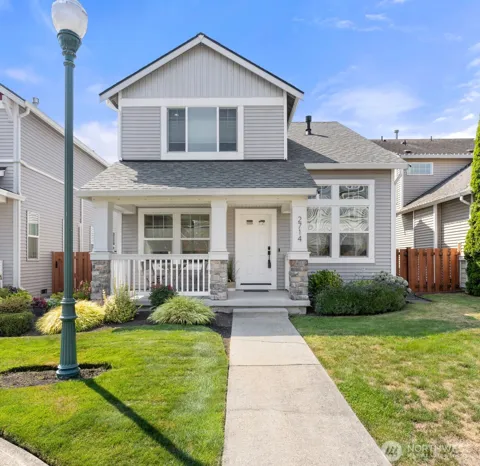
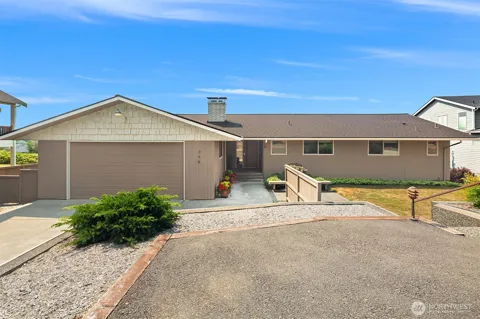
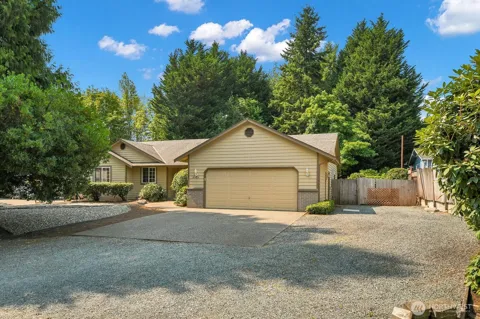
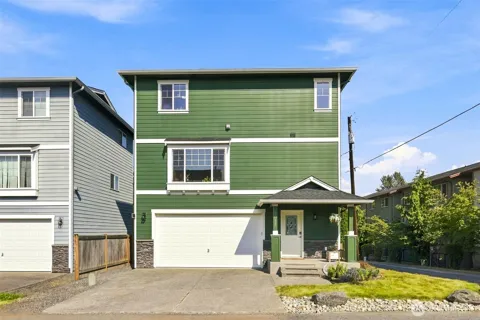
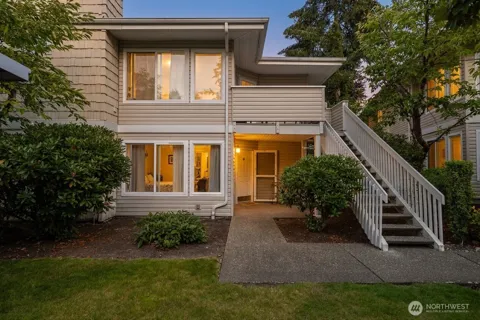
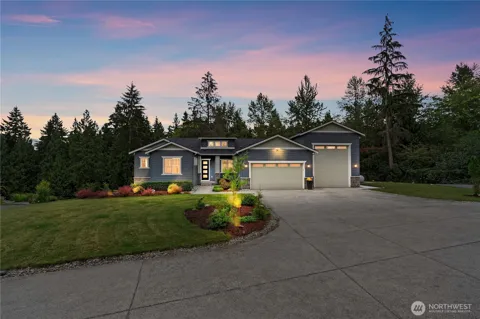
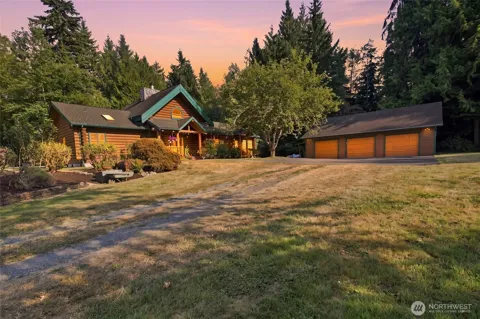
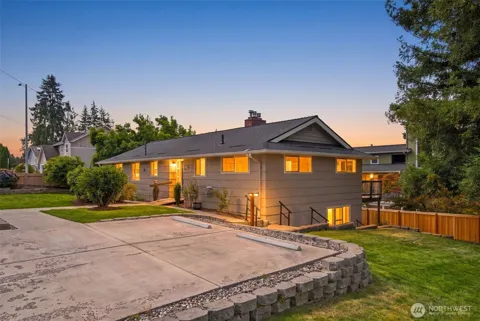
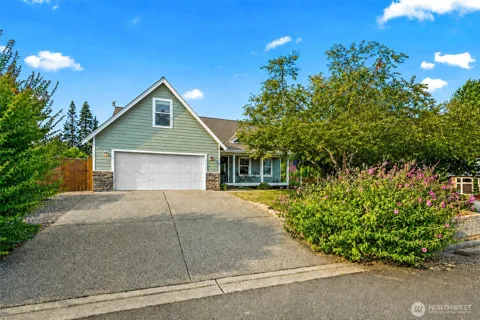
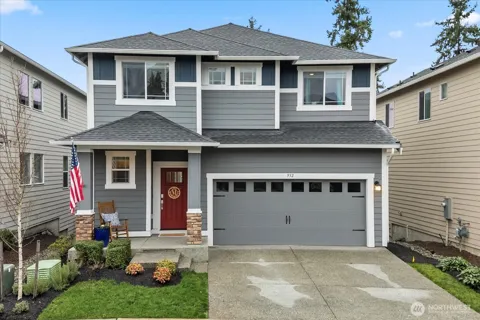
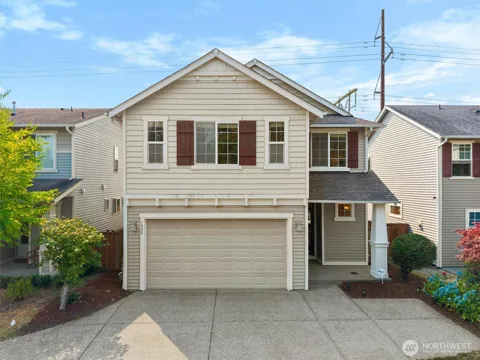
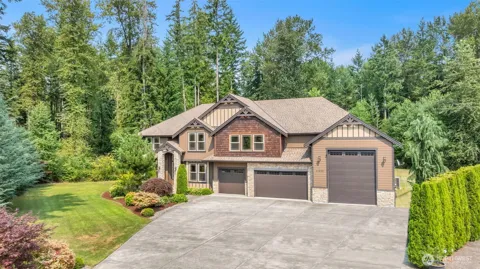
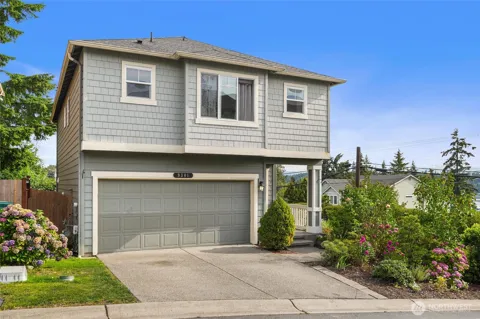
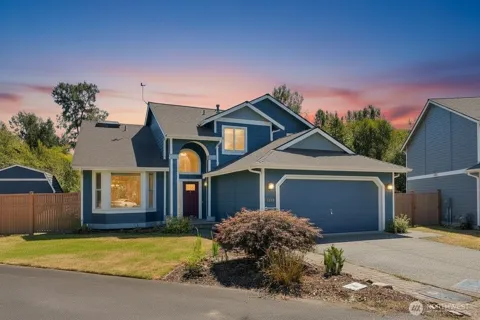
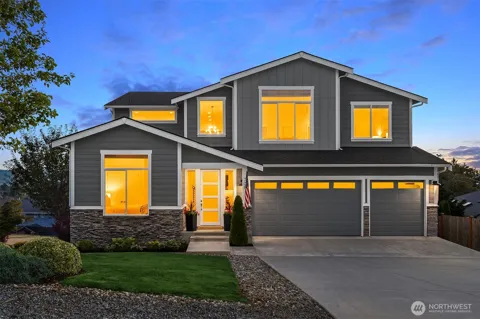
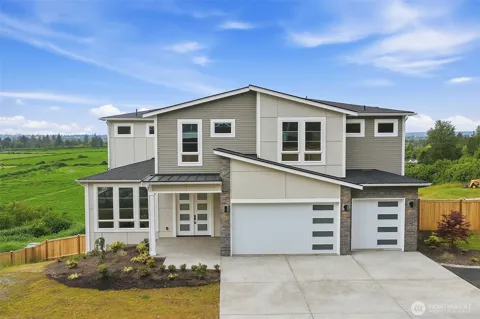
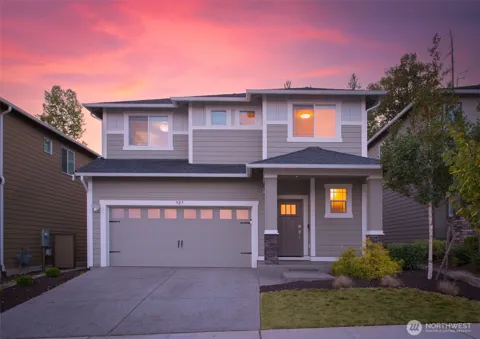
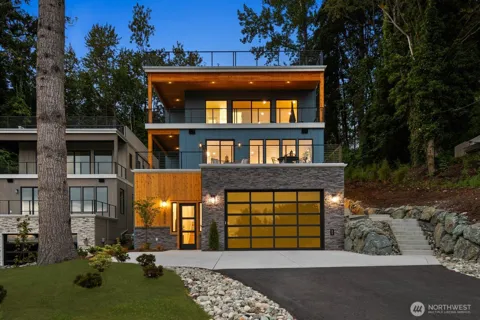
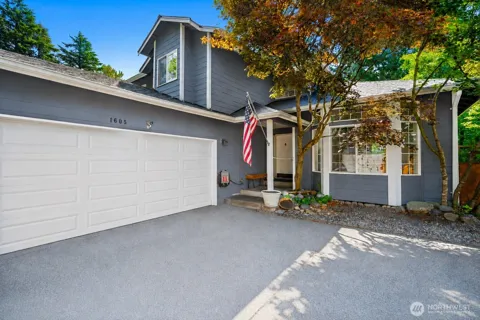
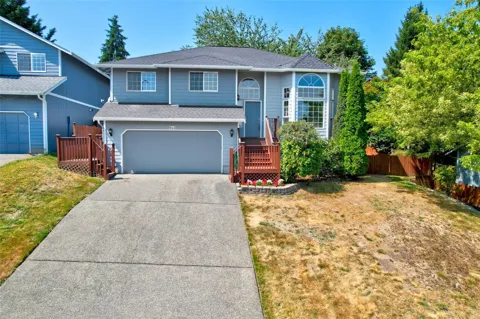
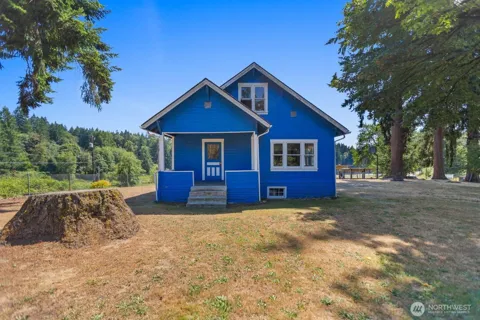
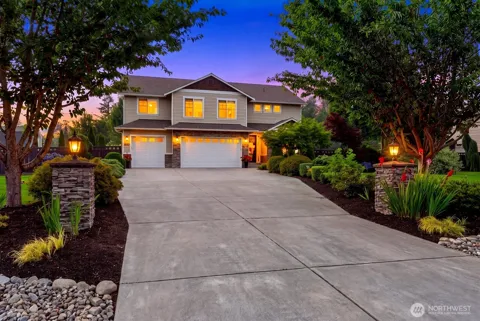
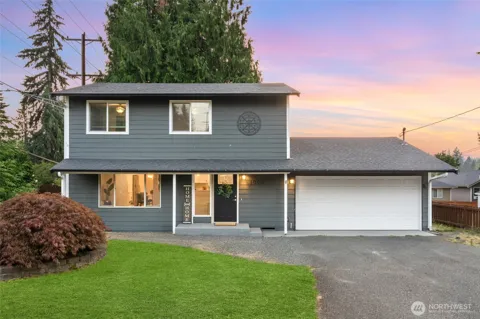
Lake Stevens housing leans heavily toward single-family homes, with a mix of older lake-area cottages, remodeled and infill properties near the shoreline, and newer subdivisions built outward from the lake as the city grew. The west side of the lake holds established neighborhoods with lake access and routes toward Marysville and Everett, while the eastern side near North Cove Park and the Mill offers proximity to downtown businesses and waterfront activity. Streets close to the water tend to feature varied lot sizes and slopes, while planned communities like Soper Hill introduced larger batches of newer construction. The character overall is suburban and car-oriented, with walkable pockets concentrated downtown and in a few neighborhood centers.
The city's neighborhoods spread around the lake in a rough ring. The west side is home to some of the longest-established residential areas, with mature streets, lake access, and convenient routes toward Marysville and Everett. The eastern side, around North Cove Park and the Mill, functions as the civic and commercial center, where downtown businesses and community spaces sit close to the water. Soper Hill, on the southern edge of the city, represents the newer wave of planned residential growth that has accompanied Lake Stevens' expansion. Throughout the city, many streets are arranged to preserve views of the lake, giving even inland blocks a connection to the water that defines the community.
Life in Lake Stevens revolves around the lake and a small-town pace within reach of larger job centers. Warm-weather months bring boating, paddleboarding, fishing, and swimming, while the downtown area around North Cove Park and the Mill hosts local businesses and community events. The city supports a suburban, family-oriented rhythm, with recreation programs, athletic fields, and neighborhood parks woven through the community. Dining and shopping cluster downtown and along the major corridors, with a wider range of options a short drive away in Everett. For residents who work in aerospace, manufacturing, or healthcare, Lake Stevens offers a quieter residential base connected to the region's economy rather than a self-contained urban center.
Public education in Lake Stevens is provided by the Lake Stevens School District, which serves the city and surrounding areas with a network of elementary, middle, and high schools, including Lake Stevens High School. The district is a central part of community identity, with a history of local support for school funding measures. The Lake Stevens Park and Recreation Service Area's boundaries align with the school district, reflecting how closely schools and community recreation are intertwined here. Families weighing a move to the area often begin with district attendance boundaries, since the district extends beyond the city limits into nearby unincorporated Snohomish County neighborhoods.
Lake Stevens sits on the eastern edge of the Everett area, with US-2, State Route 9, and State Route 204 providing the primary road connections. The US-2 trestle carries traffic across the Snohomish River valley toward Everett and I-5, and it serves as the main regional corridor for commuters. Community Transit operates bus routes linking the city to Everett and regional transfer points, while the nearest light-rail stations are in the Lynnwood corridor for trips toward Seattle. Downtown and a few neighborhood centers are walkable, but much of the city remains car-dependent for errands and commuting, reflecting its suburban, spread-around-the-lake layout.
The lake itself is the centerpiece of recreation in Lake Stevens, offering boating, fishing, paddle sports, and swimming through public launches and shoreline access points. The city maintains nearly 195 acres of parks, trails, and open space, including North Cove Park along the downtown waterfront and community parks with athletic fields and ballfields for organized sports. The surrounding Snohomish County landscape adds trails and open space beyond the city limits, and the proximity to the Cascade foothills puts larger outdoor destinations within a short drive. For residents, recreation is a daily, water-oriented feature of the city rather than a weekend outing.
MARKET SNAPSHOT
How homes have been selling here over the last 90 days.
Market data reflects closed sales over the last 90 days and is provided for informational purposes.
BROWSE BY ZIP
Browse listings by postal code in this area.