South Whidbey Island Community
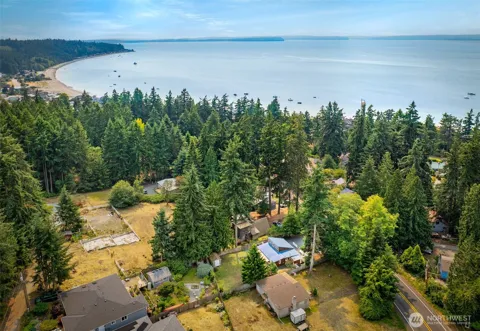
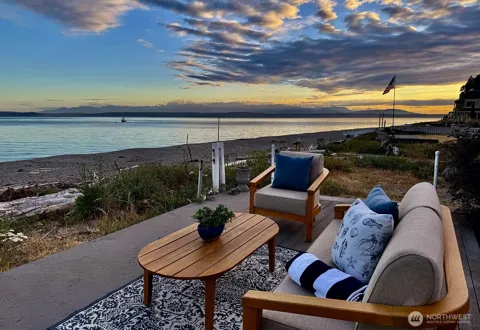
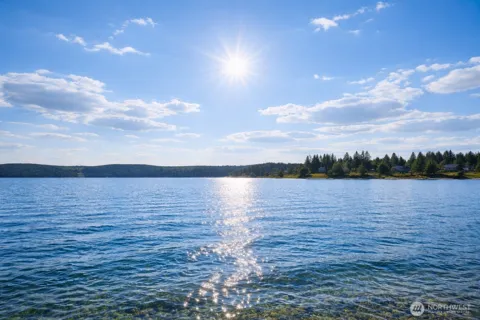
Welcome to Freeland, an unincorporated South Whidbey Island community set along Holmes Harbor and framed by the forests of Island County.
Freeland is an unincorporated community and census-designated place in Island County, Washington, occupying the southern portion of Whidbey Island, the largest island in Puget Sound. With a population of 2,252 at the 2020 census, Freeland functions as the primary commercial crossroads for South Whidbey, offering the groceries, hardware, services, and gathering spaces that the island's south-end residents rely on close to home. The community's name traces to its founding as a socialist cooperative in the early 1900s, when settlers came to the area with the ideal of shared land ownership. Although the formal commune did not endure, the name stuck, and Freeland developed into a modest, practical hub rather than a resort town. Today it sits along Holmes Harbor, a sheltered inlet of Saratoga Passage, and is surrounded by second-growth forest, pastures, and quiet rural roads. Freeland's role on the island is largely a working one. It is not an incorporated city, which keeps its governance in the hands of Island County, but its concentration of services gives it a town-like center. Residents commonly combine rural island living with a mainland commute, using the Clinton–Mukilteo ferry to reach Seattle and the Everett area, or driving north to other Whidbey communities. The blend of shoreline access, open space, and everyday convenience makes Freeland a practical anchor for people drawn to Whidbey Island's slower pace without wanting to be far from daily necessities. The community is also a gateway to South Whidbey's outdoor recreation. Double Bluff Beach offers one of the island's best sandy shorelines, and Holmes Harbor provides calm water for boating and shoreline walks. Freeland's position between the island's ferry terminal and the arts-oriented villages of Langley and Coupeville gives residents easy reach of the broader cultural and recreational life of the island.
Freeland is located in Island County, Washington, on the southern end of Whidbey Island, which is the largest island in Puget Sound. The community is an unincorporated census-designated place governed by Island County.
Freeland is served by the South Whidbey School District, which covers the communities of the island's south end, including Langley, Clinton, and nearly all of Freeland. The district operates elementary, middle, and high school campuses across the area.
Most mainland travel goes through the Clinton ferry terminal on the south end of Whidbey Island, which connects to Mukilteo and provides access to Seattle and the Everett area. Drivers can also go north across the Deception Pass Bridge.
Double Bluff Beach is a long sandy beach near Freeland backed by dramatic bluffs. It is popular for walking, tide-pooling, skimboarding, and off-leash dog use, and clamming is open year-round along its shoreline.
City Guide
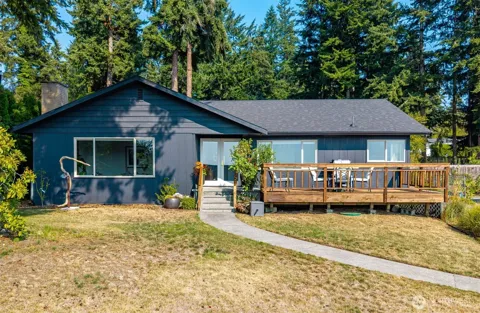
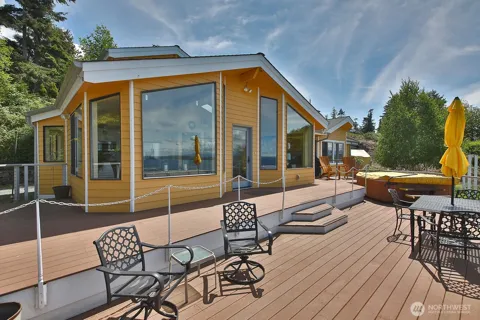
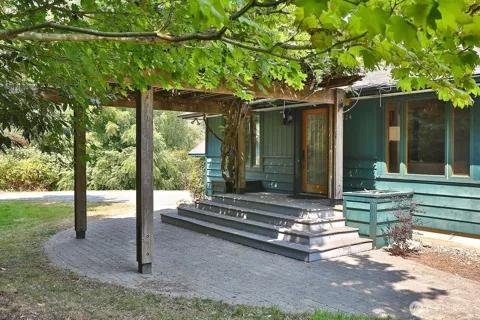
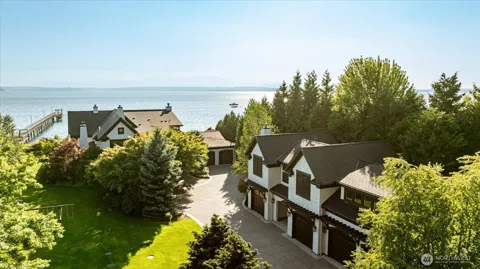
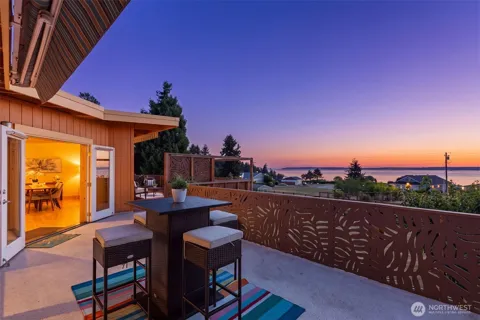
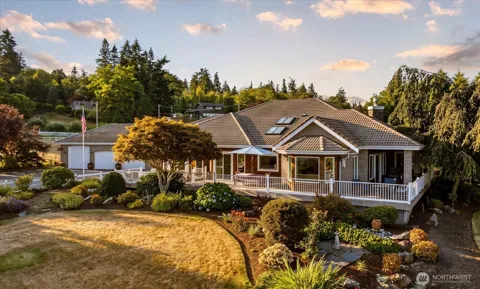
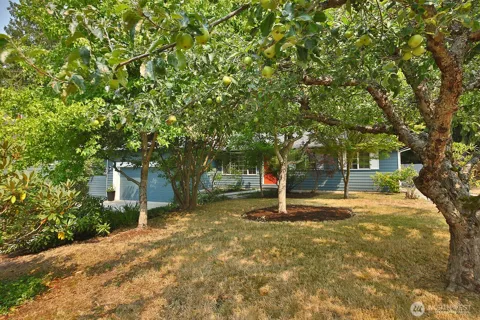
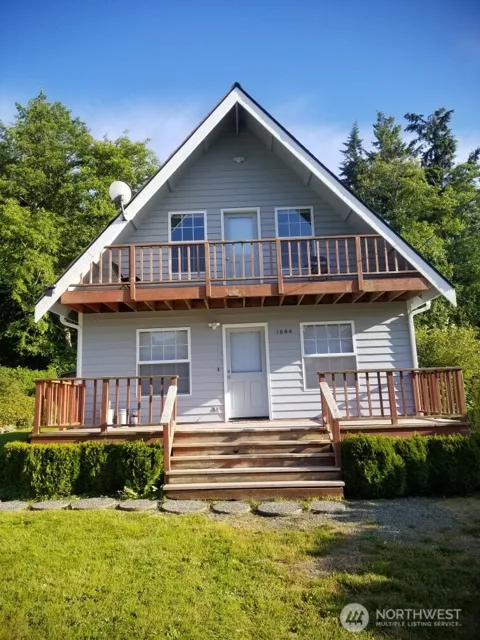
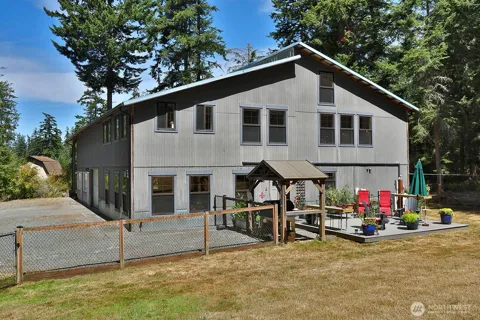
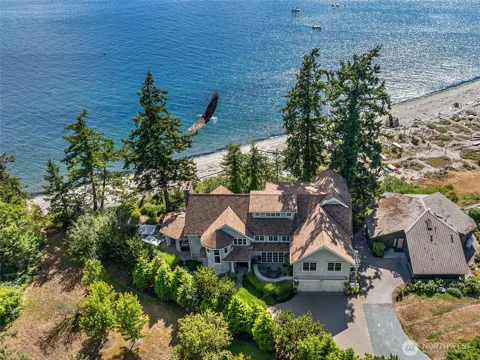
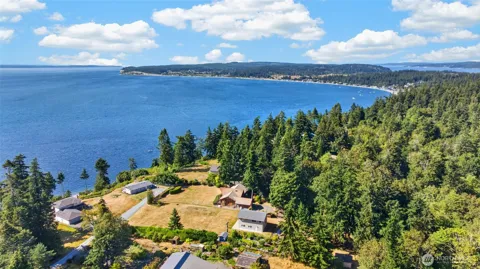
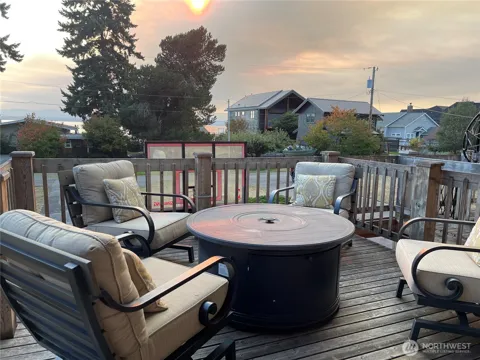
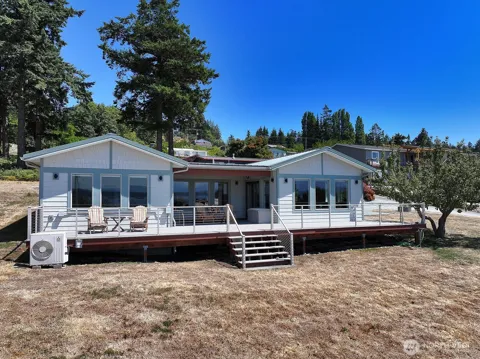
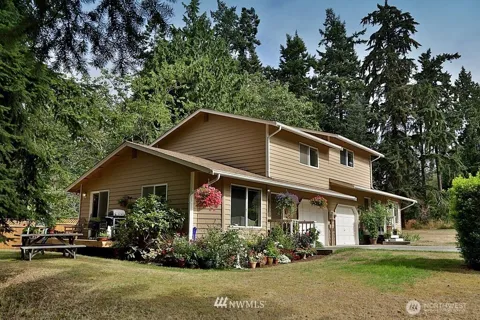
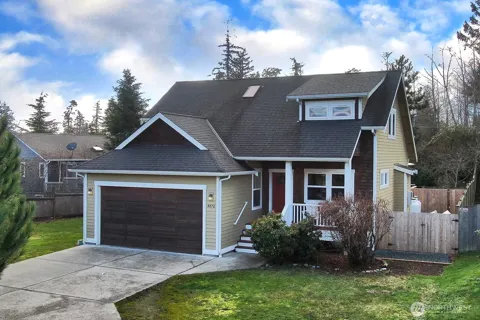
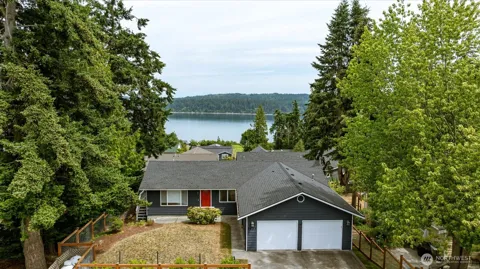
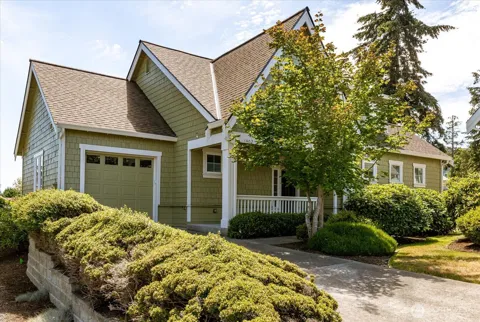
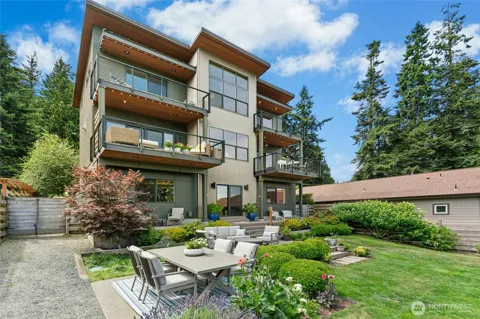
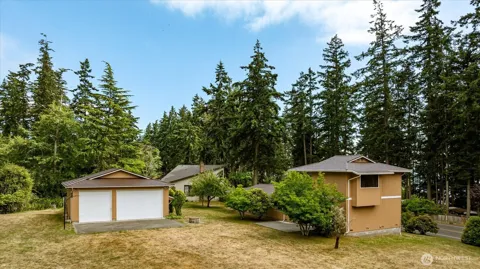
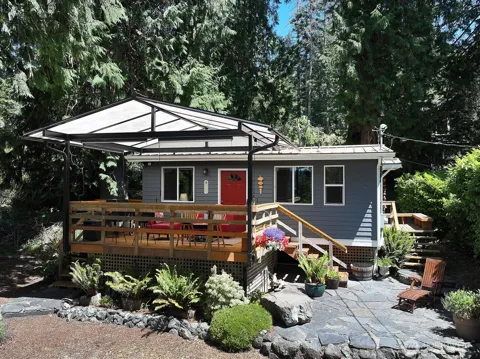
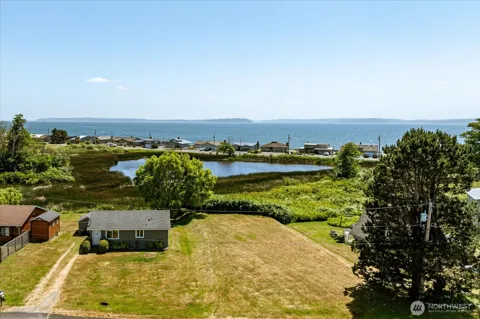
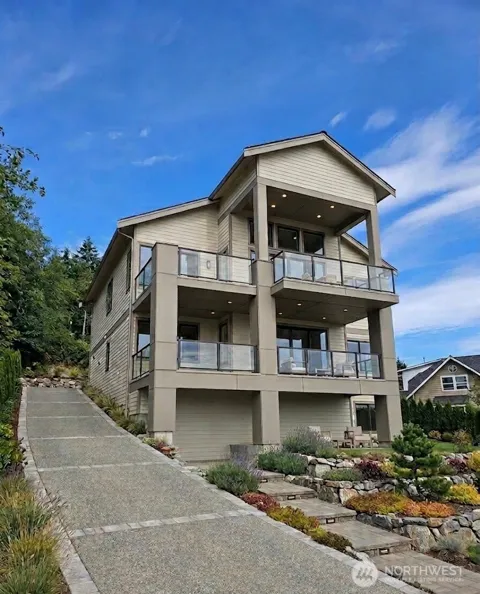
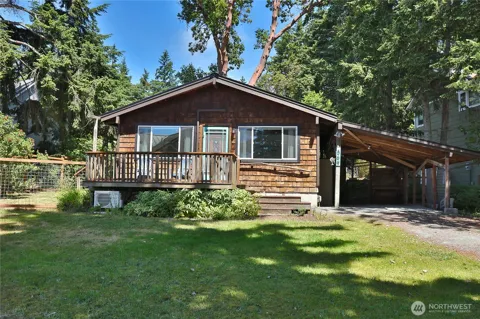
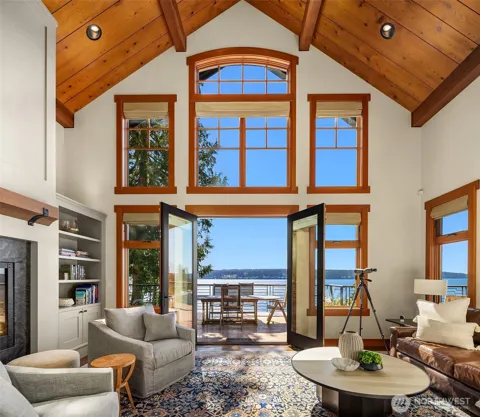
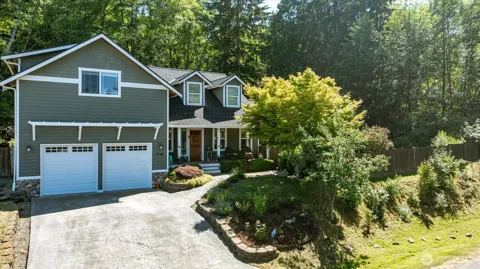
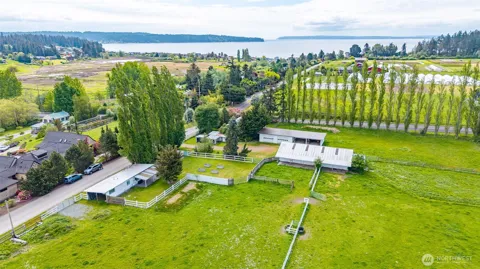
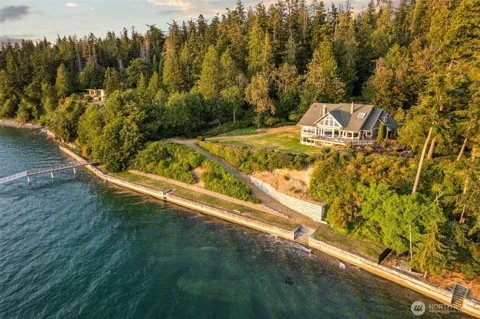
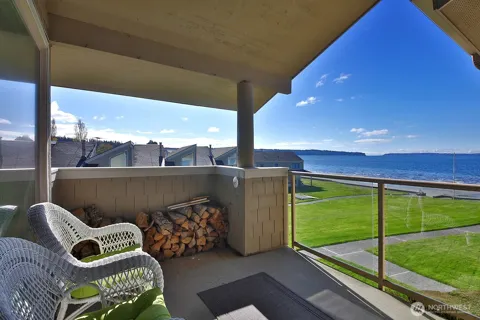
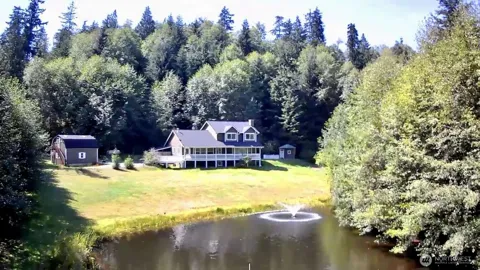
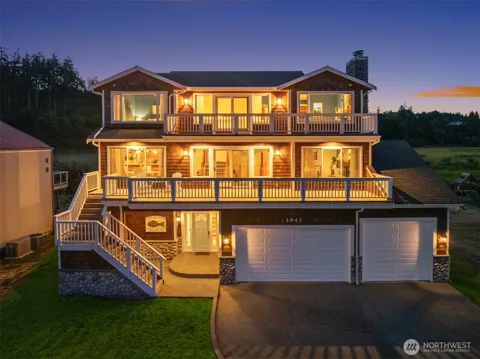
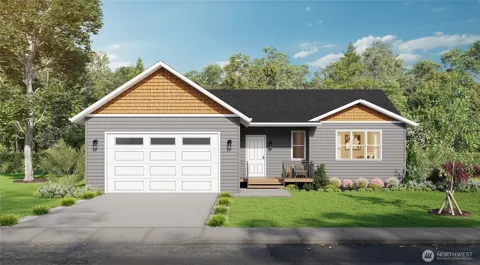
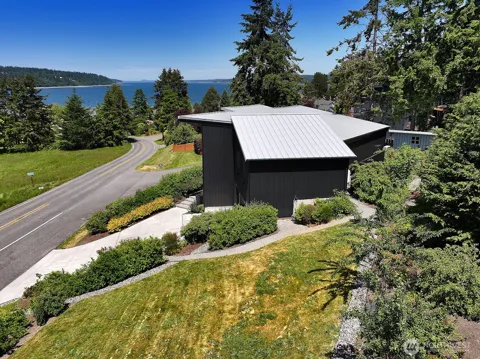
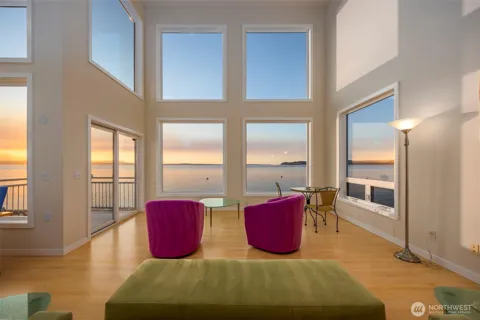
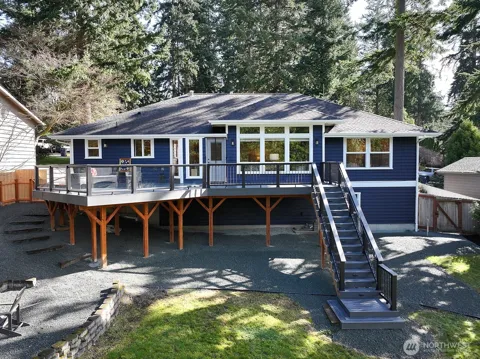
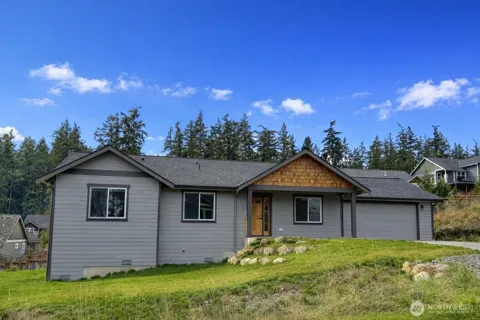
Freeland's housing reflects its unincorporated, semi-rural setting on South Whidbey Island. Residential development is spread across wooded parcels and open pastureland, with a mix of modest single-family homes, larger acreage properties, and a number of waterfront and water-view homes along Holmes Harbor and Saratoga Passage. Because Freeland is not an incorporated municipality, properties are governed by Island County, and many residents enjoy larger lots than found in denser island villages. The community's role as a service hub means homes are often within a short drive of shopping and services, while still offering the privacy and natural setting that draw people to Whidbey Island.
Life in Freeland is grounded in the practical rhythms of island living. Residents rely on the local commercial center for errands and gather at places such as Freeland Park and the community's beaches. The area's origins as a cooperative settlement still echo in a neighborly, self-sufficient character. Proximity to Holmes Harbor and Double Bluff Beach encourages beach walks, clamming, and shoreline recreation, while the island's network of farms, vineyards, and art studios adds texture to daily life. Freeland skews toward working households and commuters, yet retains the unhurried, outdoors-oriented sensibility that defines Whidbey Island.
Freeland is served by the South Whidbey School District, which covers the communities of the island's south end, including Langley, Clinton, and nearly all of Freeland. The district operates elementary, middle, and high school campuses, with its administrative offices located in nearby Langley. Families have access to a small-district environment where schools serve a few thousand students across the island's south end. The district's campuses are spread across the communities it serves, keeping schools close to home for most South Whidbey residents.
Freeland sits near the spine of Whidbey Island's road network, placing it within reach of the island's ferry connections and the other south-end communities. The Clinton ferry terminal, which links Whidbey Island to Mukilteo on the mainland, is a short drive to the south, providing the primary route for commuters and travelers heading toward Seattle and the Everett area. From Freeland, residents can also drive north to Langley, Coupeville, and ultimately the Deception Pass Bridge, which connects the island to the mainland's northwest corner. The community's central south-end location makes it a convenient base for island travel.
Freeland offers direct access to some of South Whidbey's best shoreline recreation. Double Bluff Beach, a long sandy beach backed by dramatic bluffs, is a local favorite for walking, tide-pooling, skimboarding, and off-leash dog time, and clamming is open year-round. Holmes Harbor provides calmer, sheltered water for boating and shoreline activity, with Freeland Park Beach offering public access. The surrounding island landscape supports hiking, beachcombing, and wildlife viewing, while the nearby communities of Langley and Coupeville add parks, trails, and cultural destinations within a short drive.
MARKET SNAPSHOT
How homes have been selling here over the last 90 days.
Market data reflects closed sales over the last 90 days and is provided for informational purposes.
BROWSE BY ZIP
Browse listings by postal code in this area.