Snoqualmie Valley River Town
Welcome to Duvall, a farm-and-river town in King County's Snoqualmie Valley, thirty miles east of Seattle and a short drive from Redmond.
Duvall is a small city in northeastern King County, Washington, set in the broad, fertile lower Snoqualmie Valley about 30 miles east of Seattle. It sits on State Route 203 roughly halfway between the towns of Monroe and Carnation, with the Snoqualmie River running past its western edge and forested foothills of the Cascades rising beyond the farmland. The city's population of roughly 8,000 has grown steadily as the Eastside's technology economy expanded, yet Duvall has held onto a distinctly rural, small-town identity. The valley was home to the Snoqualmie and other Coast Salish peoples for thousands of years before European settlement. In the early 1870s, brothers Francis and James Duvall arrived by river and staked homestead claims on a hillside overlooking the Snoqualmie, drawn by timber and farming. The town took the Duvall name, was platted in 1910, and grew around a railroad stop that shipped the valley's timber and dairy products. That agricultural and logging heritage still shapes the landscape, with working farms surrounding the town and a compact historic downtown along Main Street. Today Duvall functions as both a farm community and a commuter town. A large share of its working residents make the roughly 30-minute drive to Redmond, Bellevue, or the broader Eastside, where major employers are concentrated, while returning each evening to the valley's open fields and quiet streets. The Riverview School District, which serves Duvall and Carnation, is a focal point of community life and a common reason families choose the area. For homebuyers, Duvall offers a rare combination in King County: a genuine small town with river and farmland surroundings, strong schools, and reasonable access to major employers. It suits families and professionals who want space, community, and a rural feel without giving up Eastside jobs, while requiring a tolerance for a longer, two-lane commute and awareness of the valley's flood-prone low areas.
Duvall is in King County, Washington, in the lower Snoqualmie Valley east of Seattle. The city sits along State Route 203 roughly halfway between Monroe and Carnation, surrounded by farmland and forested hills.
Duvall is about 30 miles east of Seattle and roughly a 30-minute drive from Redmond, depending on route and traffic. Many residents commute to Redmond, Bellevue, and other Eastside employment centers.
Duvall is served by the Riverview School District, which also covers the nearby community of Carnation and surrounding eastern King County areas. The district's high school, Cedarcrest High School, is located in Duvall.
Duvall is known as a small farm-and-river town in the Snoqualmie Valley, with a historic Main Street, surrounding farmland, and access to the Snoqualmie River. It is also known as a commuter base for Eastside technology workers who want a rural small-town setting.
Some low-lying parts of Duvall near the Snoqualmie River are in flood-prone areas, a characteristic of towns along the river. Homes on higher ground, hillsides, and ridge areas are generally less exposed, and King County provides flood mapping and monitoring for residents.
City Guide
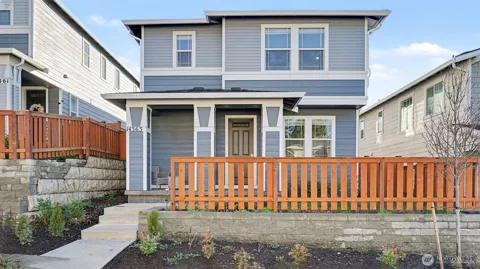
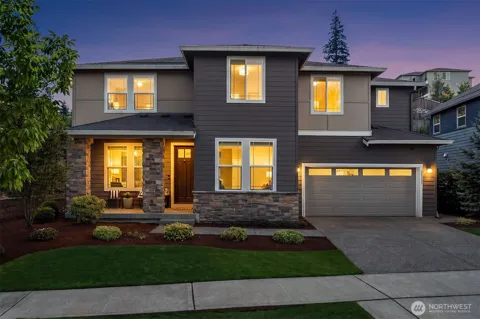
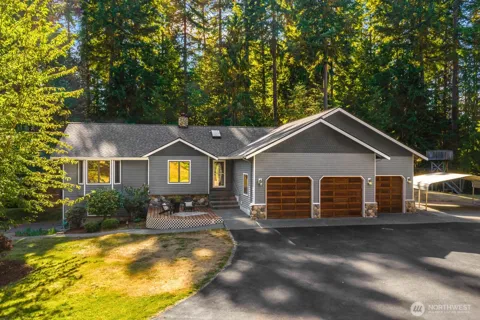
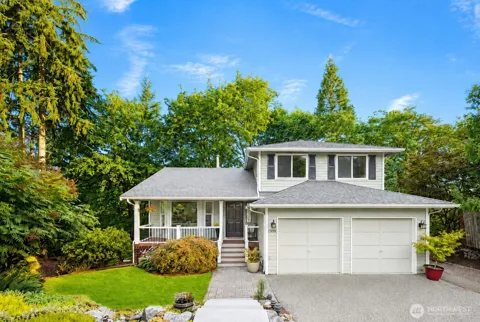
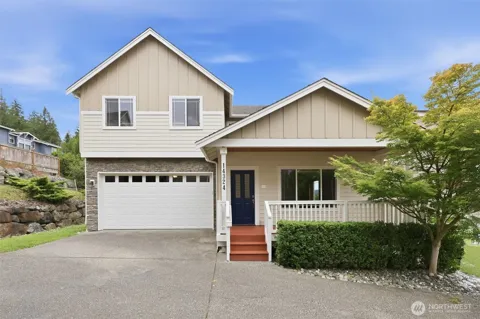
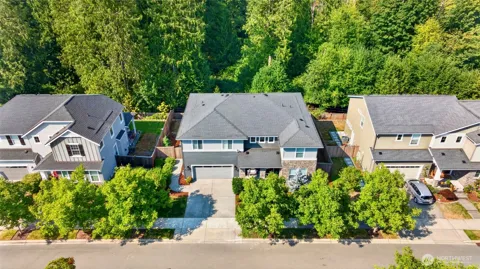
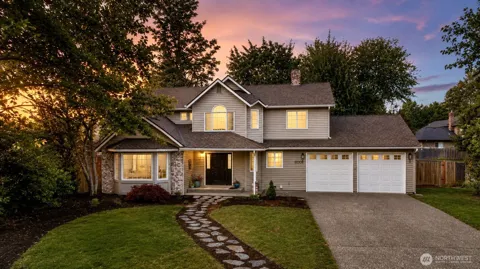
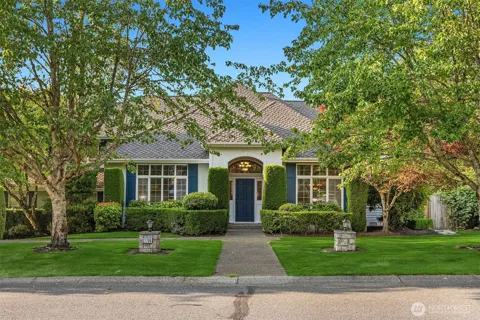
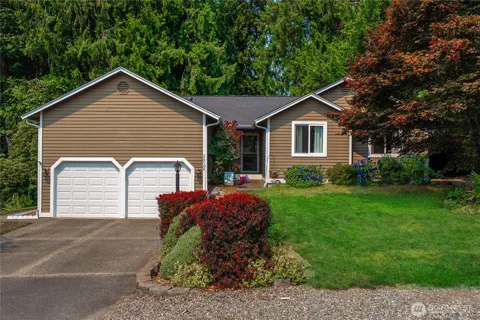
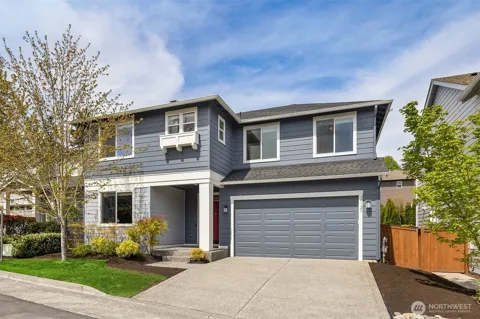
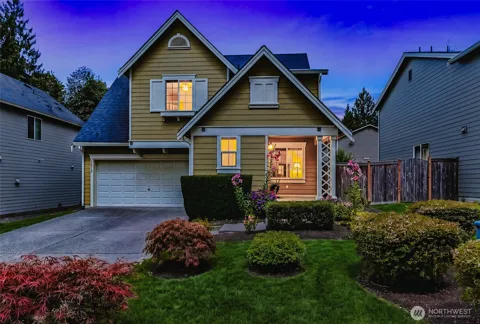
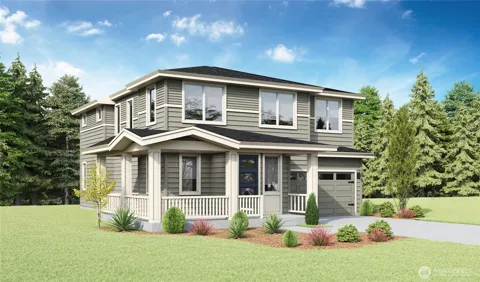
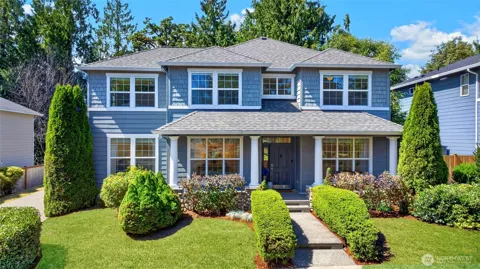
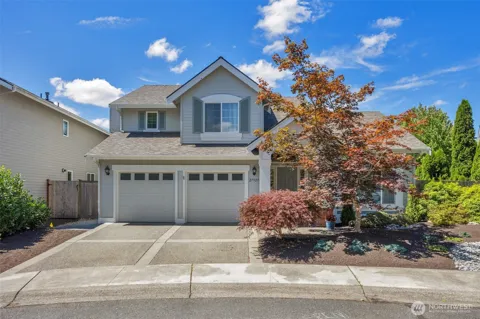
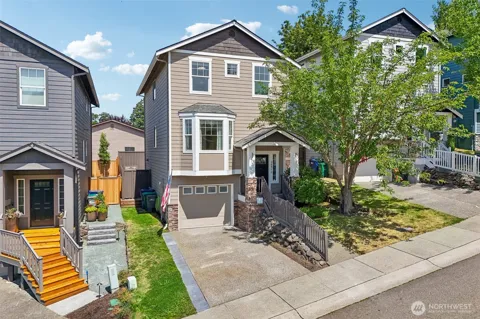
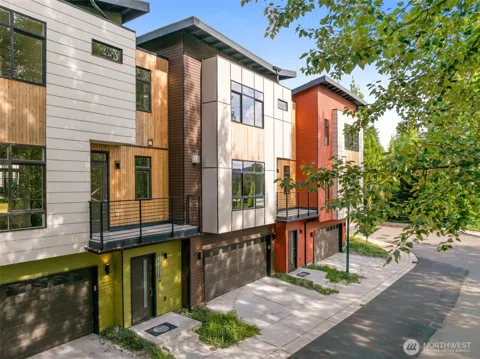
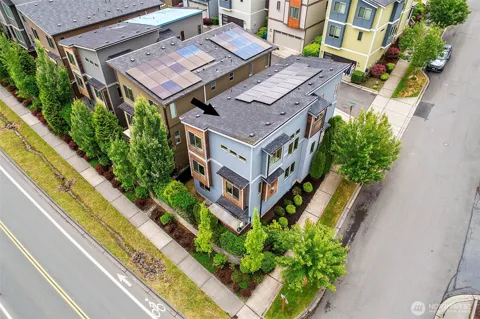
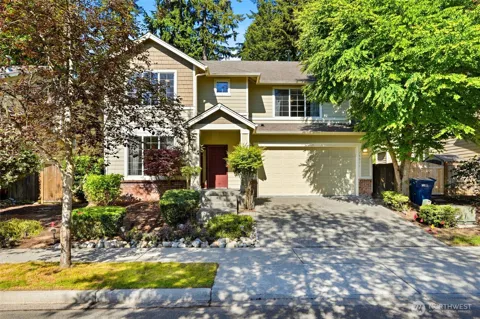
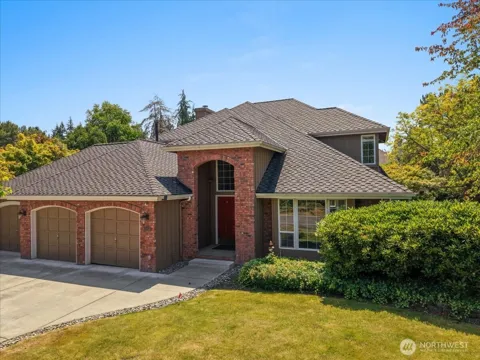
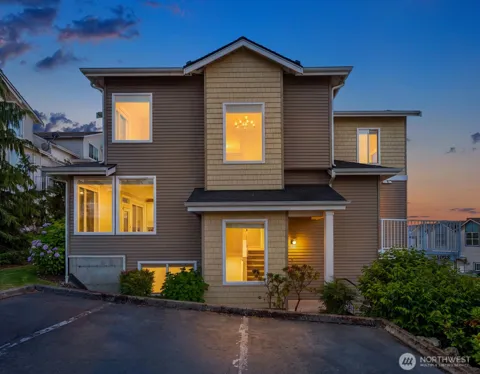
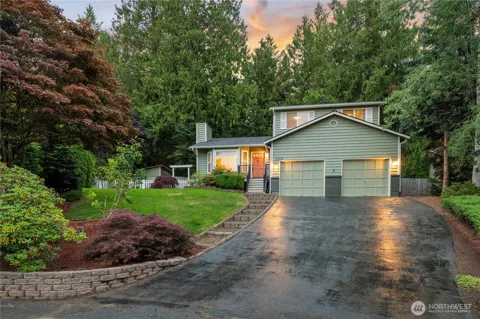
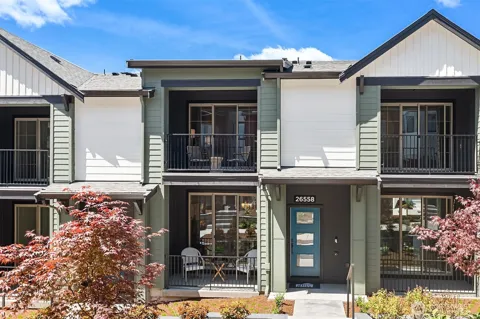
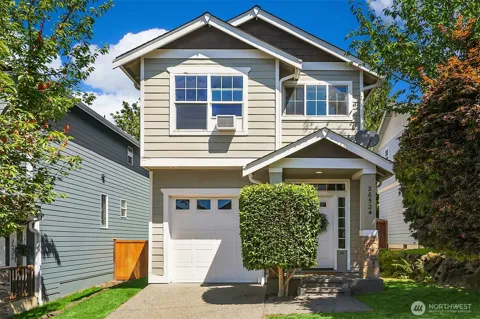
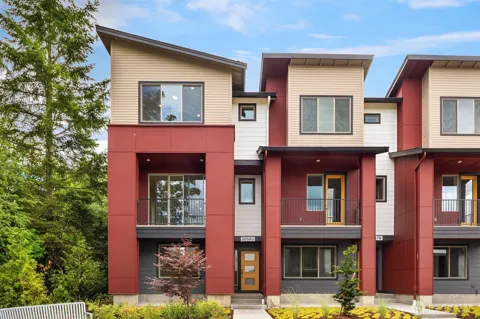
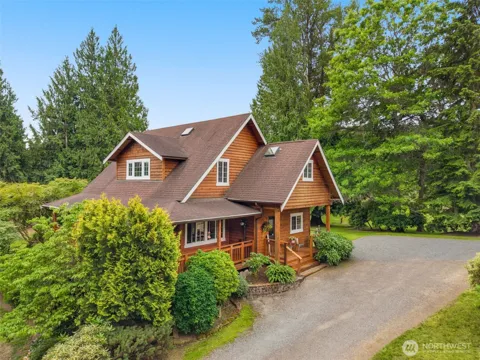
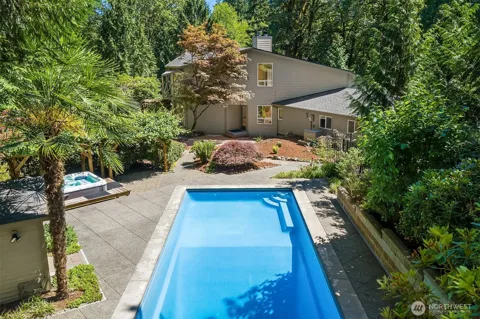
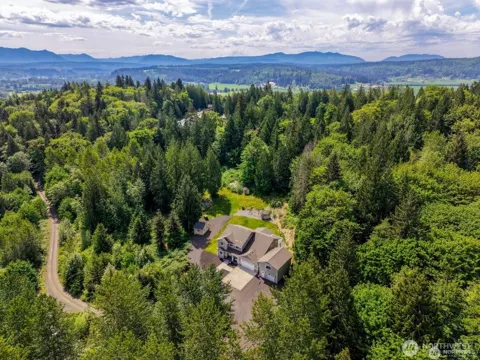
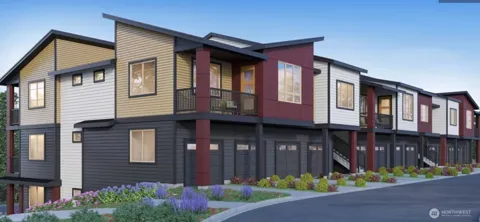
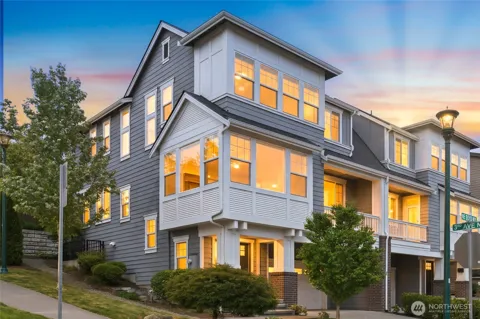
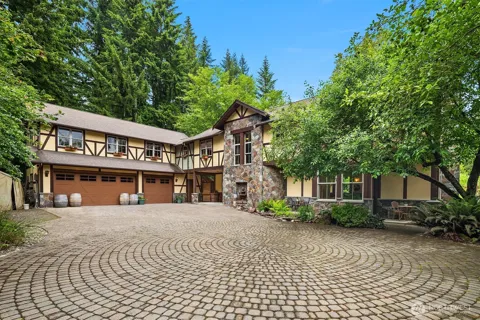
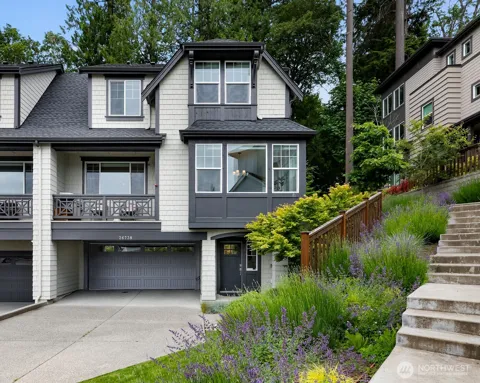
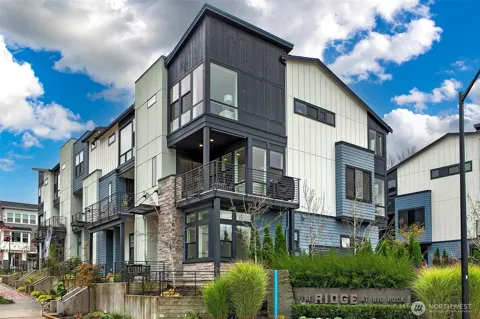
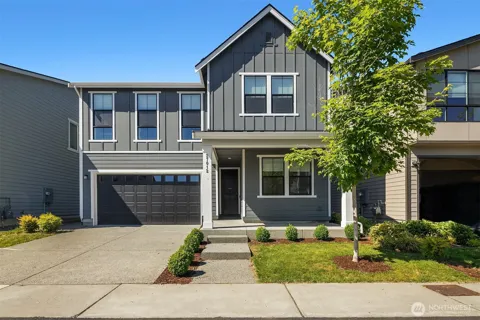
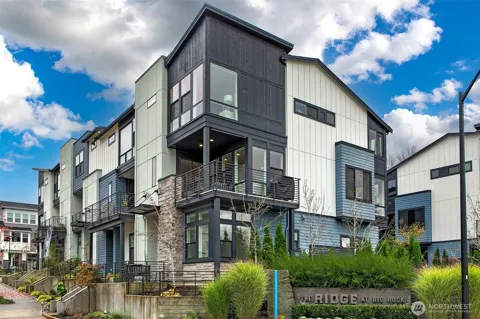
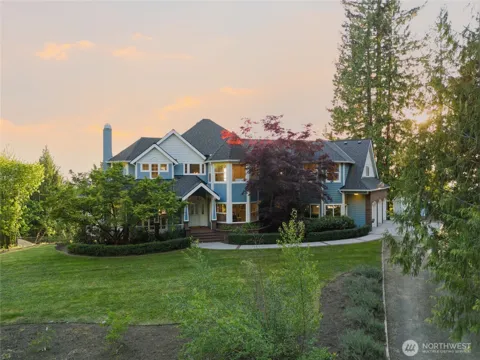
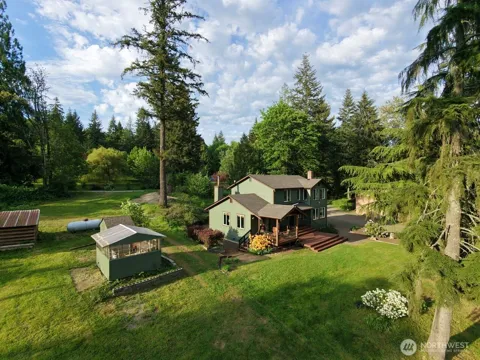
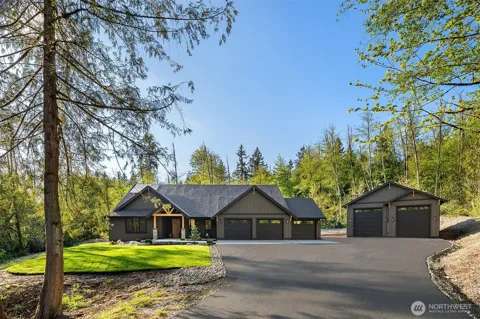
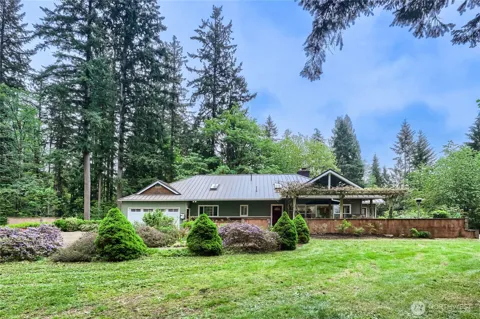
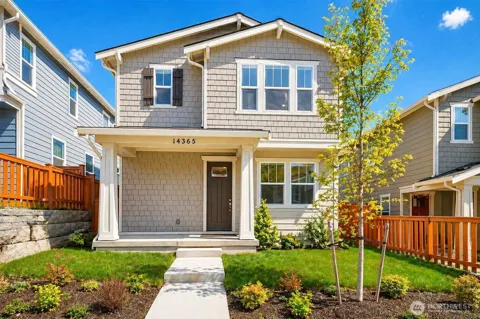
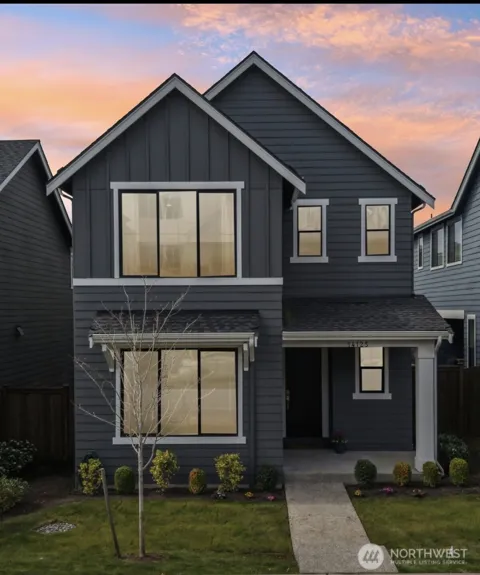
Duvall's housing reflects its evolution from a farm town into an Eastside commuter community. The older core near Main Street contains historic and established homes on smaller lots, while the hillsides and surrounding areas hold a mix of mid-century homes, newer subdivisions, and larger parcels with acreage. Development has spread up from the river valley, with many newer homes built on higher ground where views and flood protection are better. Flood risk is a genuine consideration in Duvall. The Snoqualmie River runs through the valley, and low-lying properties near the river fall within flood-prone zones, while ridge and hillside lots are typically less exposed. Buyers are advised to check King County flood maps and understand a property's specific exposure. The market spans everything from in-town starter homes to large hillside and view properties, with the tradeoffs revolving around lot size, elevation, and commute convenience rather than a single dominant housing type.
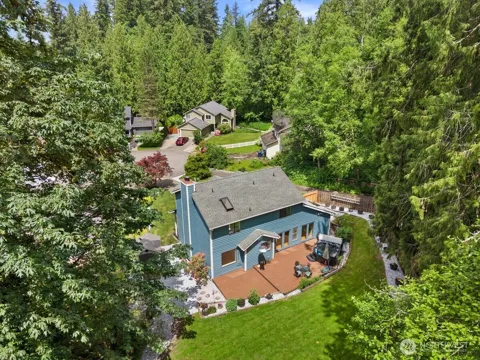
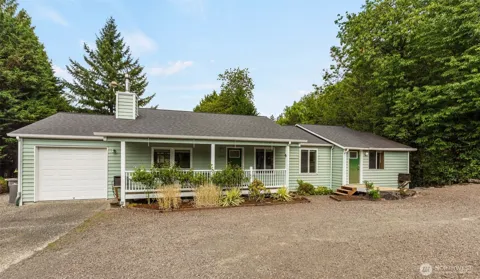
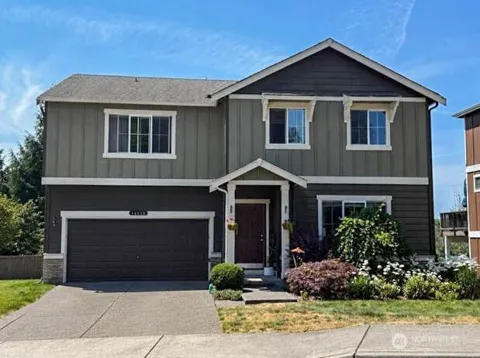
Duvall's residential areas are organized more by geography than by formal subdivisions. The historic Old Town district along Main Street holds some of the community's oldest homes and its commercial heart, sitting close to the Snoqualmie River in the valley floor. Cherry Valley, to the north and west, blends farmland with larger lots and a more rural feel, while the Big Rock area rises into the hills and offers a mix of established and newer homes with views across the valley. Higher on the surrounding ridges, newer subdivisions have been built to capture the open setting and serve the commuter market, often with larger homes and more standard suburban lots. The practical distinctions among Duvall's areas come down to elevation and flood exposure, proximity to downtown and the schools, and whether a buyer wants the valley's agricultural character or the views and newer construction of the hills. Many streets blend farmhouse, ranch, and contemporary styles rather than presenting a uniform look.
Duvall offers a small-town lifestyle that is increasingly rare amid the Eastside's suburban growth. Historic Main Street anchors the community, with local shops, cafes, and services set against a backdrop of farmland and forested hills. Farmers markets, community festivals, and school events bring residents together, and the town maintains a neighborly, family-oriented feel that draws people seeking a slower rhythm. The surrounding Snoqualmie Valley is agricultural, with working farms, roadside stands, and open fields defining the view in every direction. This rural character coexists with a sizable commuter population employed in Redmond, Bellevue, and Seattle, so the town balances quiet country living with access to one of the nation's most dynamic job markets. Dining and nightlife are modest, and residents often head into Woodinville's wine country or the larger Eastside cities for more options, while enjoying Duvall's small-town closeness at home.
Duvall is served by the Riverview School District, a small district that covers the lower Snoqualmie Valley communities of Duvall, Carnation, and surrounding eastern King County areas. The district enrolls roughly 3,000 students across about nine schools, giving it an intimate scale with a community feel. Cedarcrest High School, the district's high school, is located in Duvall and serves as a hub for athletics, arts, and community events. The district's small size means families and educators often know one another across grade levels, and schools tend to be closely tied to the valley's identity. Its reputation is a significant draw for families relocating to the area, and school quality is frequently cited alongside the rural setting as a reason people choose Duvall. Prospective residents should confirm current attendance boundaries and programs with the district, particularly given continued enrollment pressure from the region's growth.
Transportation is the central tradeoff of living in Duvall. The city sits on State Route 203, the valley's main two-lane corridor, and connects to the Eastside via Woodinville-Duvall Road and NE 124th Street. Commutes to Redmond, Bellevue, and Seattle typically run 30 to 45 minutes or more, and travel times vary widely with traffic and route choice. The lack of direct freeway access means the drive is scenic but can be slow at peak hours. There is no passenger rail or fixed transit service in Duvall itself, so nearly all commuting is by car. The tradeoff is well understood locally: residents accept a longer, often winding commute in exchange for the valley's space and character. For those who can work partially or fully remotely, or who commute off-peak, the distance is more manageable. Regional travel beyond the Eastside routes through Monroe, Woodinville, or the SR 522 corridor toward Interstate 405 and Seattle.
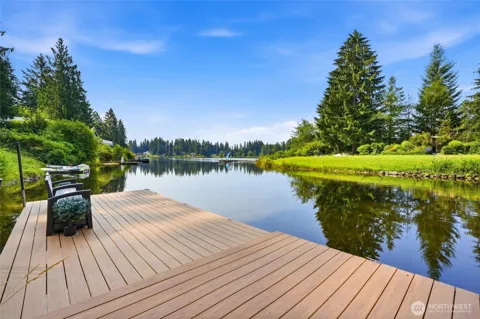
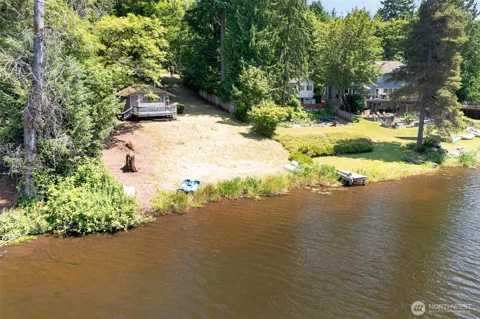
The Snoqualmie River is the center of Duvall's outdoor life, offering fishing for salmon, steelhead, and trout, along with riverside walking and seasonal swimming. The surrounding valley provides easy access to rural roads for cycling and to the Snoqualmie Valley Trail, a rail-trail that follows the old rail corridor through the valley's farms and river bottom. Open farmland and forested hills make the area popular with runners, cyclists, and birders. Farther out, the Cascade foothills and the Snoqualmie corridor put hiking, skiing at Snoqualmie Pass, and the wineries of nearby Woodinville within reach. The town's parks and school fields host local sports and community gatherings, and the river's natural setting gives Duvall a year-round connection to the outdoors that many Eastside communities have lost to development. For residents, recreation tends to mean fishing, trail walks, and farm-and-forest scenery close to home.
MARKET SNAPSHOT
How homes have been selling here over the last 90 days.
Market data reflects closed sales over the last 90 days and is provided for informational purposes.
BROWSE BY ZIP
Browse listings by postal code in this area.