Mineral Lake Resort Town
Welcome to Soap Lake, a small Grant County city on the shores of a mineral-rich lake long known for its healing waters.
Soap Lake is a small city in Grant County, in the center of Washington state, built on the shores of the mineral lake from which it takes its name. The lake is a meromictic soda lake, meaning its deeper layers do not mix, and it contains roughly two dozen naturally occurring minerals, a composition that has shaped the community's identity for more than a century. The city's population was 1,691 at the 2020 census, and it sits within the broad Columbia Basin, a landscape of coulees, lakes, and irrigated farmland. The area around the lake was long known to Indigenous peoples, who called it Smokiam, a name associated with healing waters. European-American settlement brought wider recognition of the lake's unusual chemistry, and by the early 1900s Soap Lake had become a spa destination. A sanitarium was established in 1905, and through the mid-1940s a series of sanitariums and resort hotels lined the shore, drawing visitors seeking relief in the mineral waters and mud. That therapeutic heritage remains central to the city's identity today. Soap Lake functions now as a compact residential and tourism community. Its modest population, lakeshore setting, and slower pace appeal to those seeking a quiet small-town life in central Washington, as well as to visitors drawn by the lake's history and mineral content. A historic natural spa and resort still operates on the lakeshore, and the city maintains a small-town, resort-town character rather than the scale of a modern commercial resort. The surrounding region offers extensive outdoor recreation, including the coulee lakes, Sun Lakes-Dry Falls State Park, and the Grand Coulee country to the north, making the city a quiet base for exploring one of Washington's most distinctive landscapes. The result is a place unlike most small towns: a mineral-springs resort community set amid central Washington's coulee country.
Soap Lake is in Grant County, in central Washington state. The city sits on the shores of its namesake lake within the Columbia Basin, a region of coulees, lakes, and irrigated farmland.
Soap Lake is known for its namesake mineral lake, a meromictic soda lake containing more than 20 naturally occurring minerals. From the early 1900s through the mid-1940s, the town hosted sanitariums and spa resorts built around the lake's reputed healing waters.
Soap Lake is served by the Soap Lake School District, a small local public district that provides kindergarten through twelfth grade education for the community and the surrounding rural area of Grant County.
The population of Soap Lake was 1,691 at the 2020 census. This small central Washington city retains a quiet, lakeside resort-town character along the shore of its namesake mineral-rich lake in the Columbia Basin.
Yes. Soap Lake is a meromictic soda lake, meaning its deeper layers do not mix, and it is known for its unusually high mineral content. Indigenous peoples long called the lake Smokiam, a name associated with healing waters.
City Guide
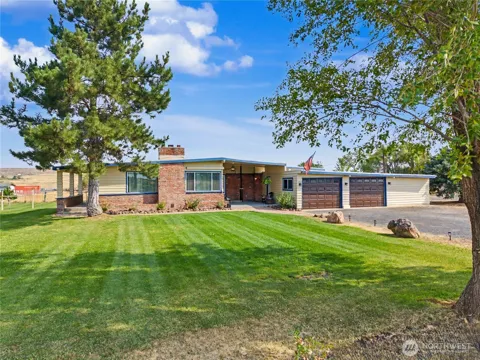
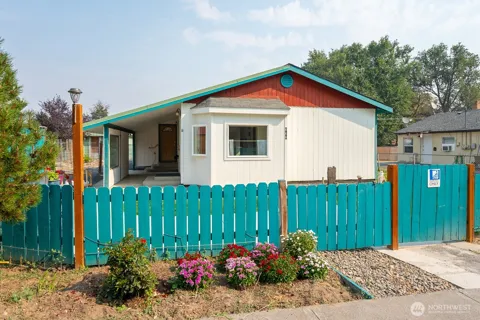
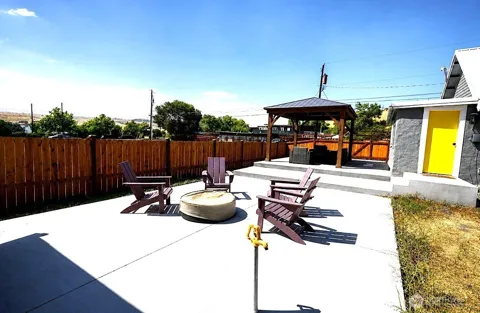
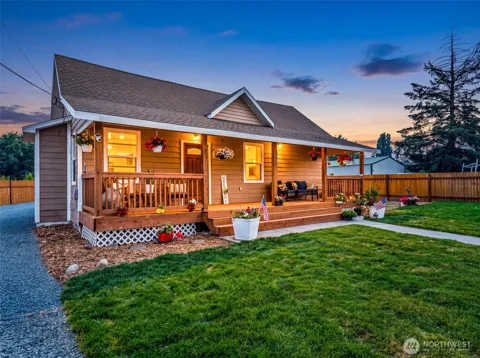
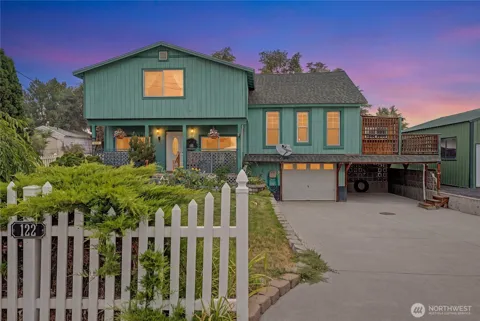
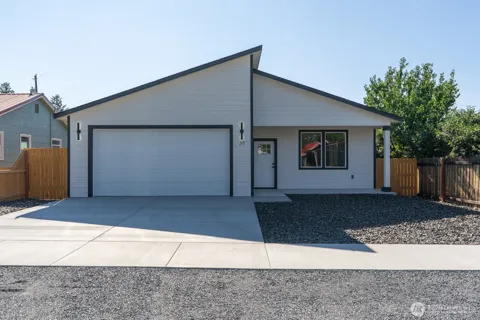
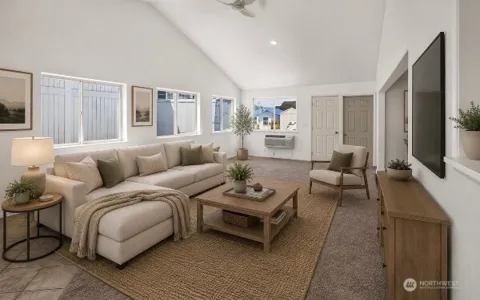
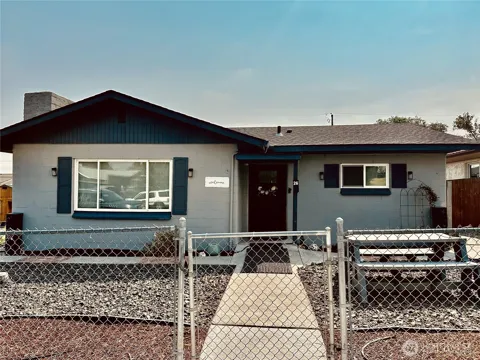
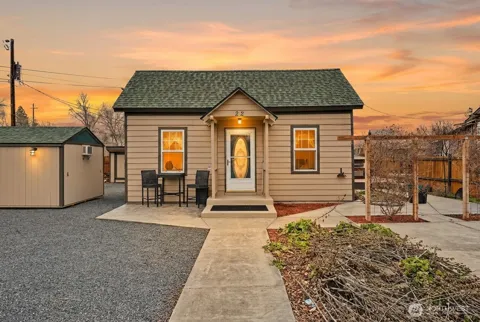
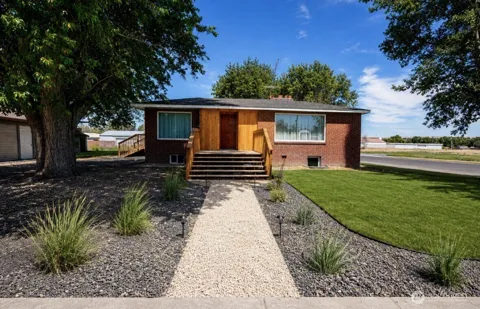
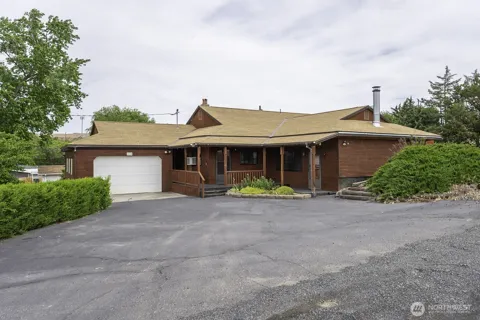
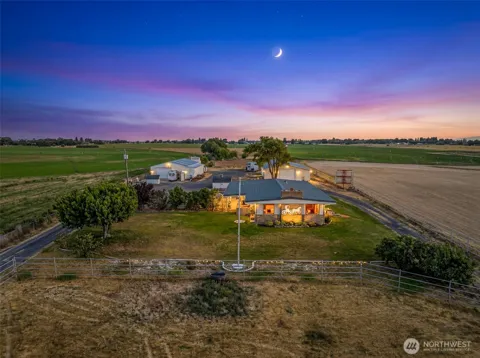
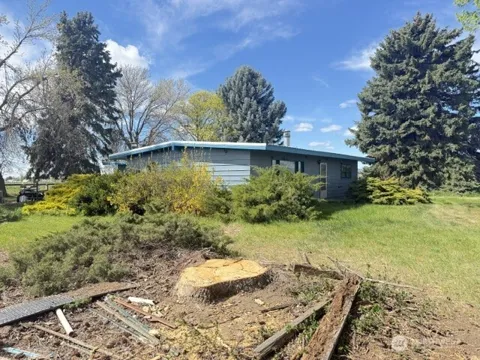
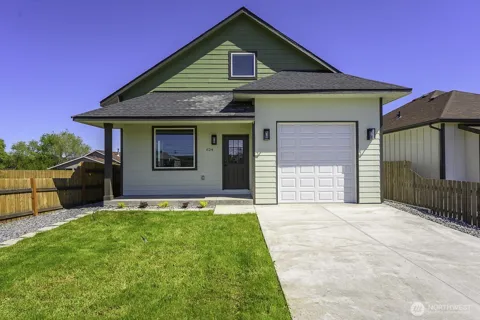
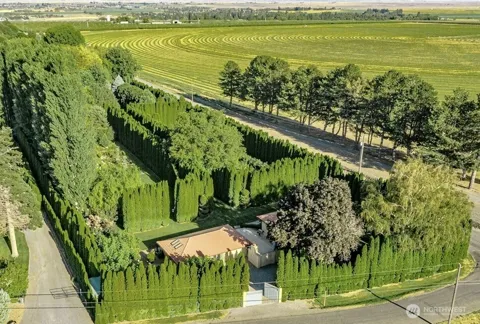
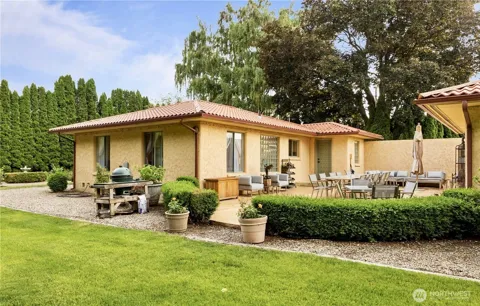
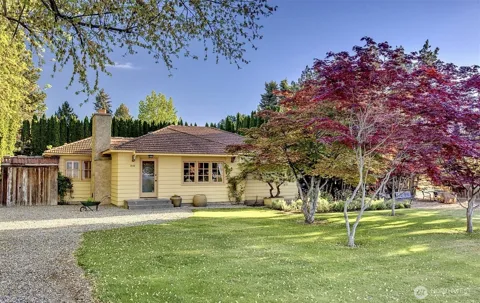
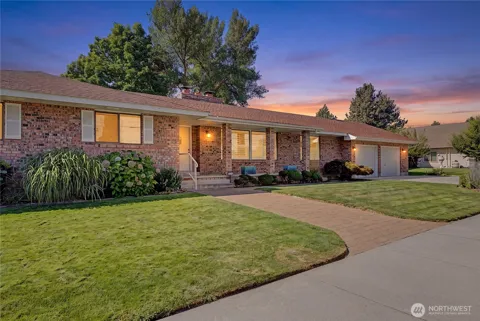
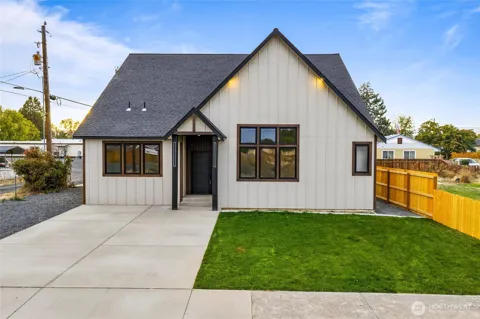
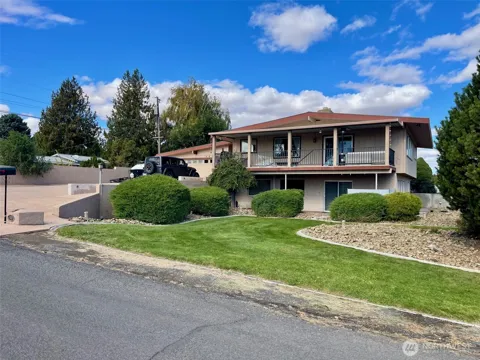
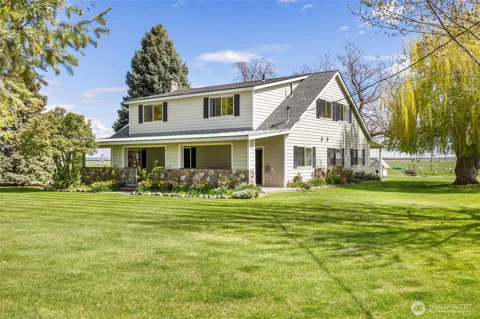
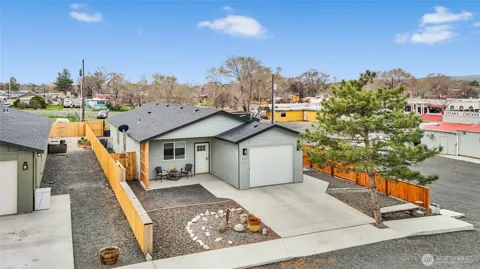
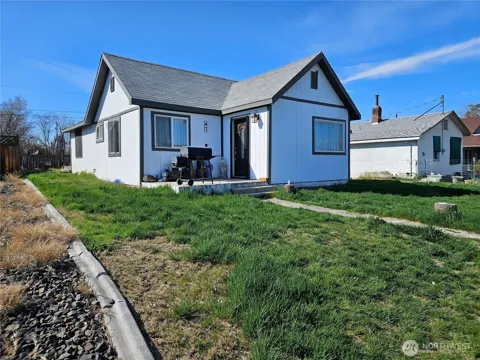
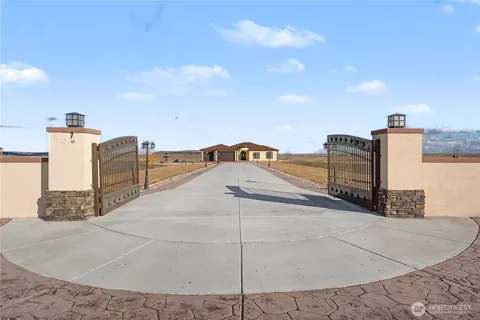
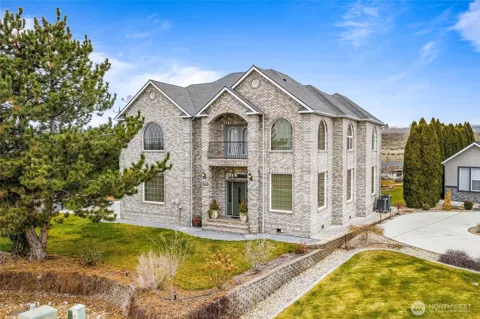
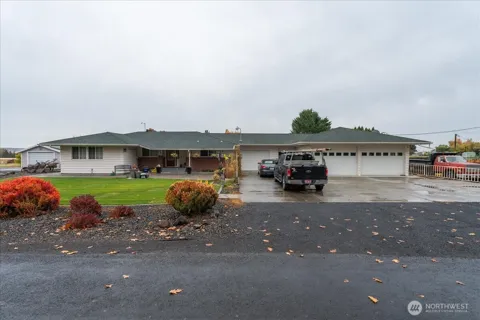
Soap Lake's housing stock reflects its history as a lakeside resort town in a rural county. The city offers a mix of modest single-family homes in town, properties near the lakeshore, and some older structures dating to its spa-era past, along with larger lots and rural acreage in the surrounding countryside. The overall character is unpretentious and small-town, with a greater sense of space and affordability than in Washington's larger urban centers. Buyers are typically drawn by the lakeside setting, the quiet pace, and the opportunity for a simple, outdoors-oriented life in central Washington.
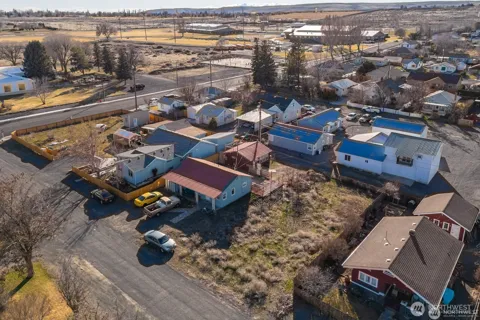
Soap Lake is organized around its shoreline and the small downtown that faces the lake. Homes cluster along the lake's edge and on the residential streets behind it, with the commercial and civic core concentrated near the water. Beyond the immediate townsite, properties spread into the surrounding Columbia Basin farmland and coulee landscape, where larger lots and rural acreage become more common. The community is compact enough that most of town is within easy reach of the lake, giving the entire city a connected, lakeside feel rather than a series of separate, distant subdivisions.
Daily life in Soap Lake revolves around its namesake lake and the small-town rhythm of central Washington. The lakeshore remains a gathering place for swimming, floating, and soaking in the mineral waters that made the town famous, and a historic natural spa and resort continues to operate on the shore. The community has a quiet, unhurried character, with agriculture and the broader Columbia Basin economy surrounding it. Residents value the lakeside setting, the sense of history, and the slower pace, while the surrounding coulee country provides a dramatic backdrop that distinguishes the area from the region's larger agricultural towns.
Soap Lake is served by the Soap Lake School District, a small public district that provides K-12 education for the city and the surrounding rural area of Grant County. The district operates local elementary and secondary schools within the community, giving students a hometown, small-district experience. As is typical of rural central Washington, the district serves a geographically spread population, with schools functioning as central community institutions. Families looking for a smaller school environment with close ties to the community are a key part of the city's population.
Soap Lake lies along State Route 17, a principal north-south route through central Washington's Columbia Basin, connecting the community to Ephrata and Moses Lake to the south and to the Grand Coulee region to the north. The city sits within reach of the broader central Washington highway network, with larger regional centers accessible by car. As a small, rural city, travel is overwhelmingly automobile-based, and the community functions as a quiet stop along the region's highways rather than a major transit hub.
Recreation in Soap Lake centers on the lake itself, where the mineral-rich, buoyant waters are used for swimming, floating, and the therapeutic soaking that made the town famous. Beyond the shore, the Columbia Basin offers a remarkable concentration of outdoor destinations, including the coulee lakes, Sun Lakes-Dry Falls State Park, and the Grand Coulee country to the north, all within driving distance. The surrounding coulee and farmland landscape supports hiking, boating, and wildlife viewing, and the region's many lakes provide additional water recreation. This combination of a distinctive mineral lake and easy access to central Washington's dramatic geology defines the area's recreational appeal.
MARKET SNAPSHOT
How homes have been selling here over the last 90 days.
Market data reflects closed sales over the last 90 days and is provided for informational purposes.
BROWSE BY ZIP
Browse listings by postal code in this area.