Central Washington Lake City
Welcome to Moses Lake, the most populous city in Grant County, set on the shores of its namesake lake in the sunny heart of central Washington.
Moses Lake sits in Grant County, Washington, in the arid Columbia Basin of the central part of the state, roughly midway between Seattle and Spokane along Interstate 90. It is the most populous city in Grant County, with about 25,000 residents, and it serves as the region's commercial and service hub. The city takes its name from the freshwater lake on whose shores it was built. The city's modern form was shaped by the Columbia Basin Project, which brought irrigation water from the Columbia River in the 1950s and turned the surrounding drylands into productive farmland. Agriculture remains foundational to the local economy, with Grant County ranking among Washington's leading agricultural producers. Over time, Moses Lake diversified into manufacturing and technology, attracting employers such as REC Silicon, one of the world's largest polysilicon producers, and repurposing the former Larson Air Force Base into Grant County International Airport, now a major airfield and testing facility. Moses Lake's setting is defined by water and open sky. The lake itself anchors recreation, while the city's high-desert location brings more than 300 days of sunshine a year. To the south, thousands of acres of sand dunes form one of Washington's largest off-road recreation areas. Nearby, the Columbia Valley and Wahluke Slope wine regions add a growing wine-tourism element. Public education is provided by the Moses Lake School District, which operates about 20 schools serving roughly 8,700 students, and Big Bend Community College offers local higher education. Interstate 90 and Washington State Route 17 connect the city to the wider region. Moses Lake suits households seeking an affordable, sunny, lake-centered community with agricultural roots and a diversified industrial base in central Washington.
Moses Lake is located in Grant County, in the Columbia Basin of central Washington. It is the most populous city in the county, with about 25,000 residents, and sits along Interstate 90 roughly halfway between Seattle and Spokane.
Moses Lake's economy was historically rooted in agriculture, made possible by Columbia Basin Project irrigation. It has since diversified into manufacturing and technology, with employers such as REC Silicon, one of the world's largest polysilicon producers, and the repurposed Grant County International Airport.
Moses Lake is known for its dry, sunny climate, with more than 300 days of sunshine a year. The city sits in the arid Columbia Basin, where hot summers support lake recreation and the surrounding irrigation-fed farmland.
Moses Lake is served by the Moses Lake School District, which operates about 20 schools and enrolls roughly 8,700 students. Big Bend Community College provides local higher education and workforce training in the city.
The city is built on the shores of Moses Lake, a freshwater lake that supports boating, fishing, water skiing, and swimming. To the south, thousands of acres of wind-sculpted sand dunes form one of the region's largest off-road vehicle recreation areas.
City Guide
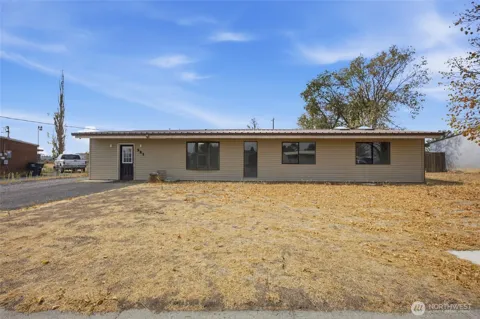
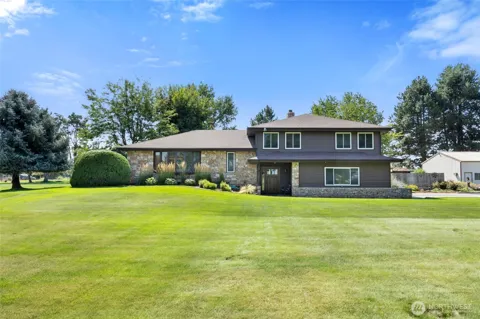
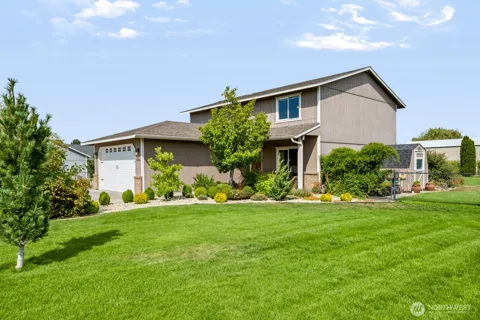
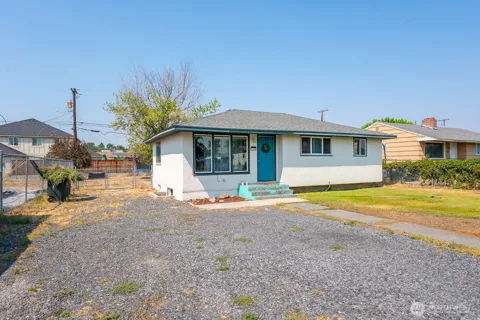
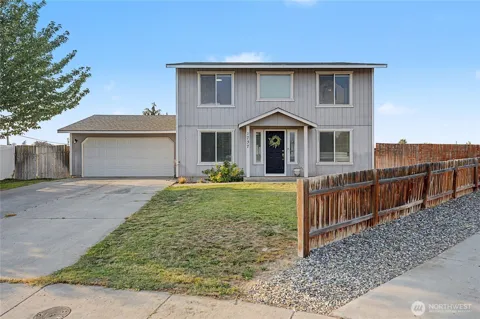
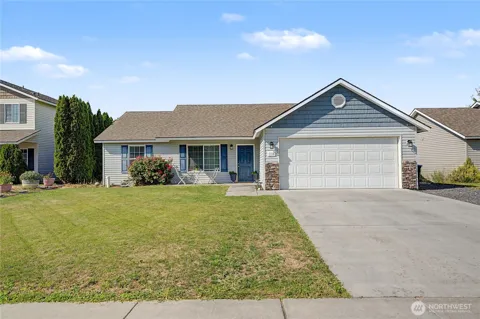
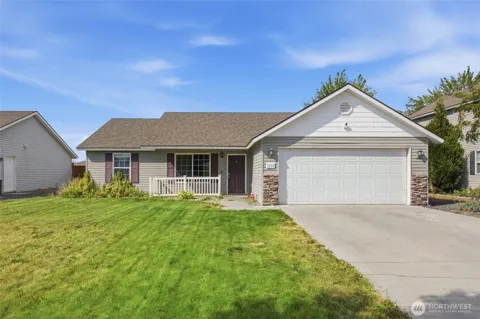
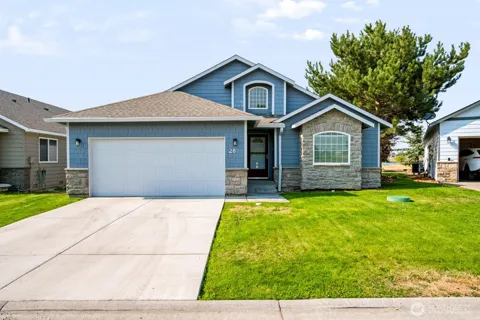
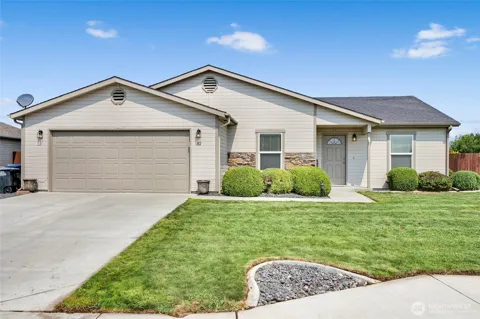
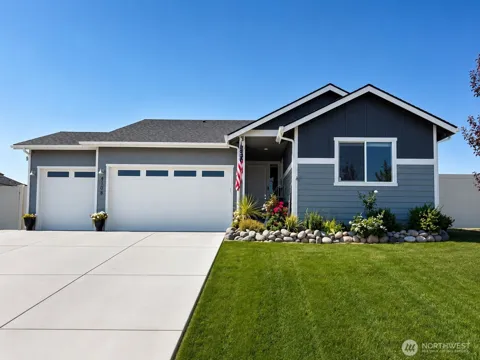
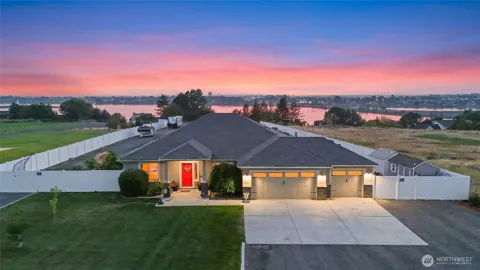
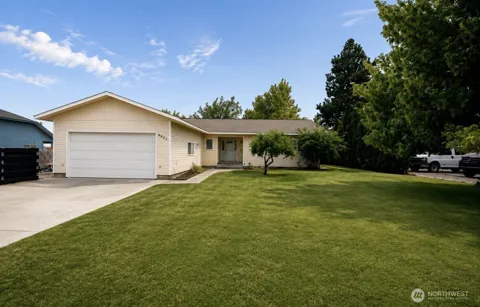
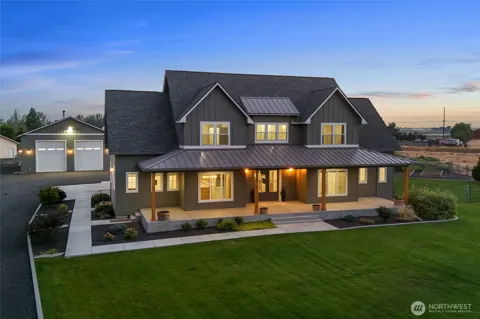
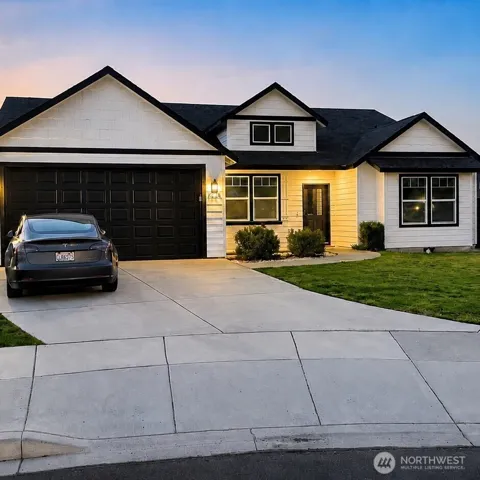
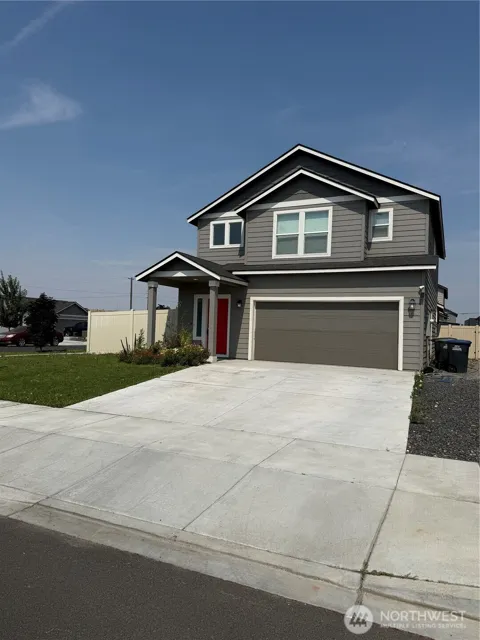
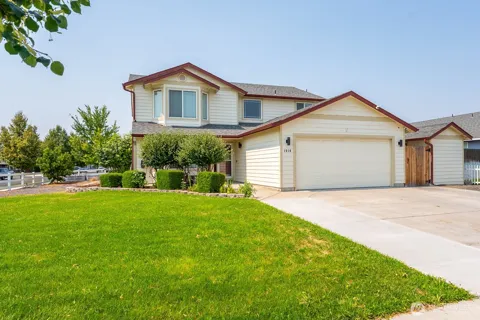
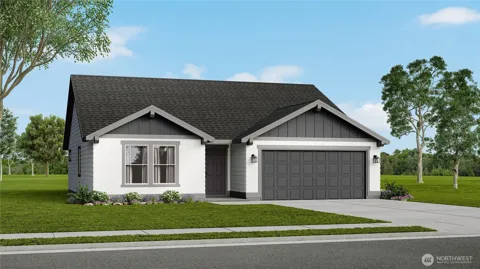
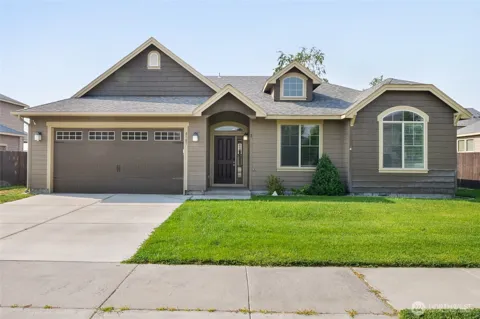
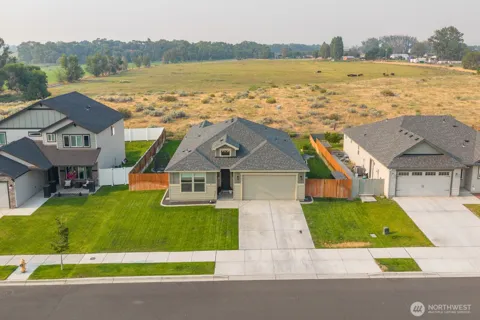
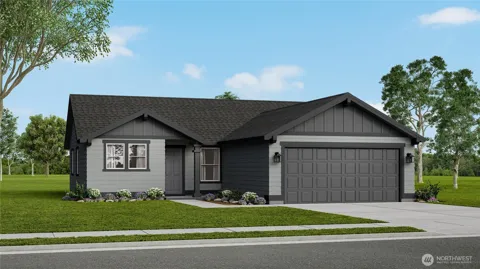
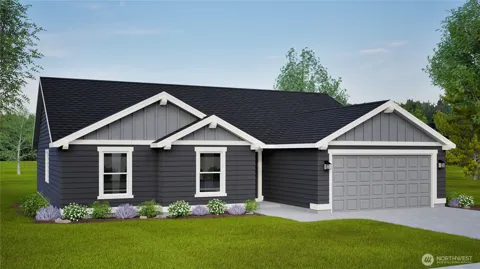
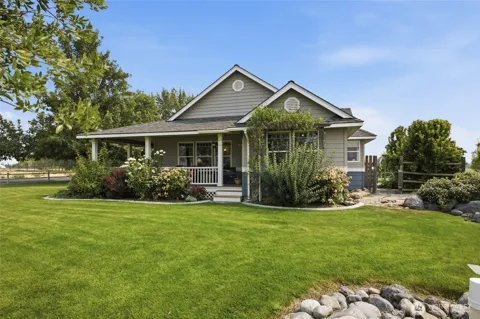
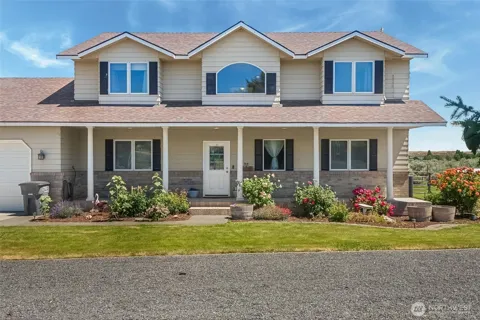
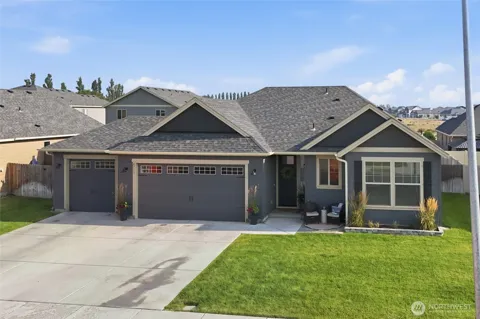
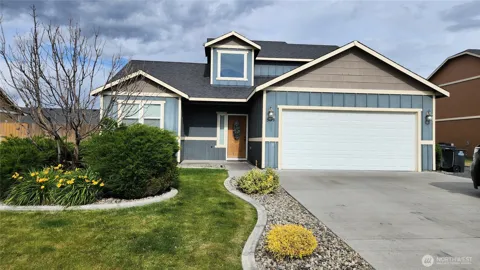
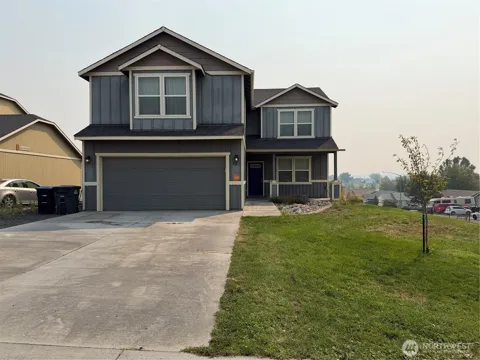
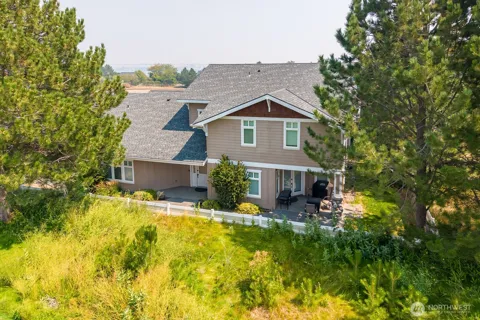
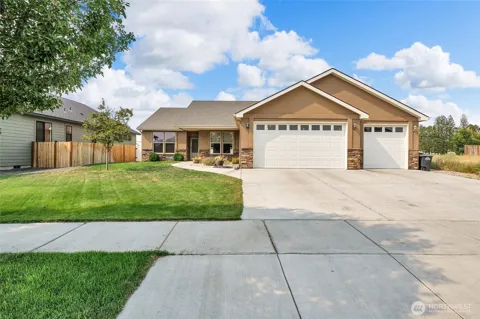
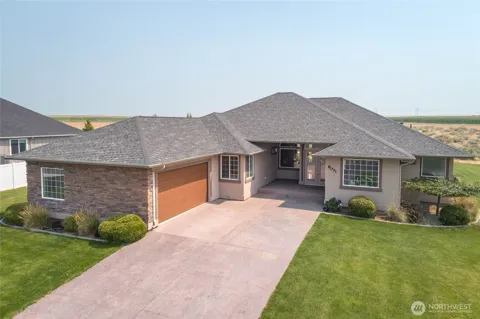
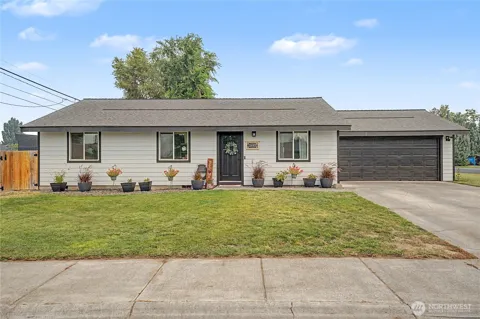
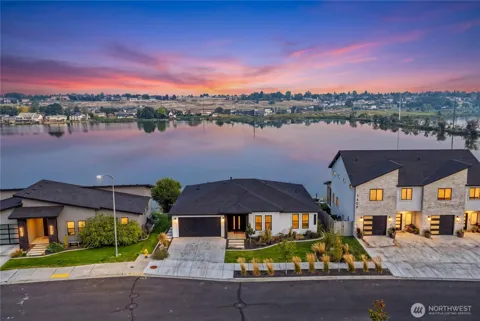
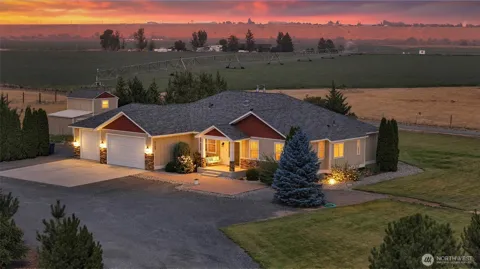
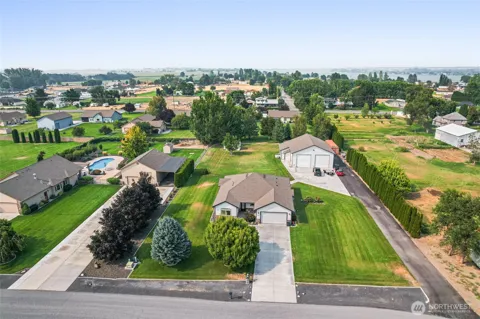
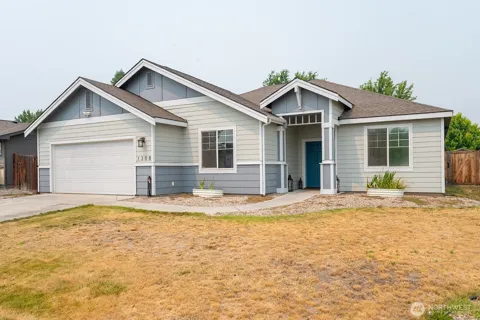
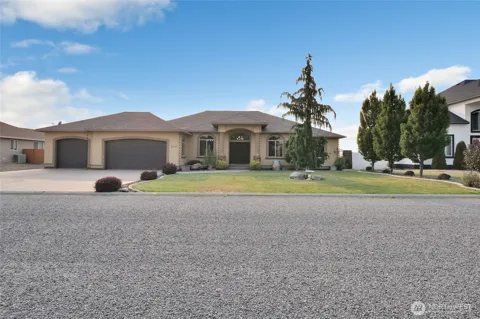
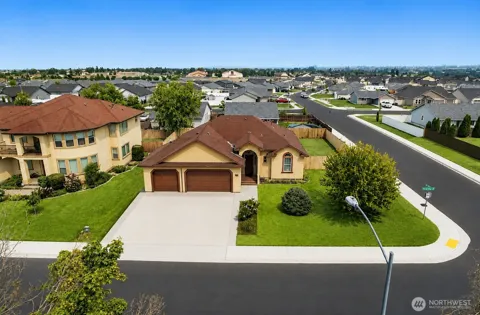
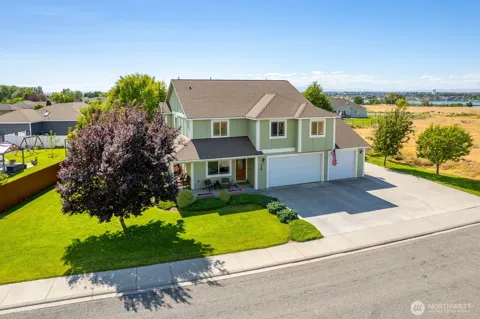
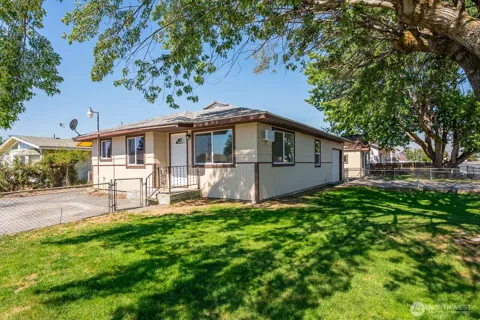
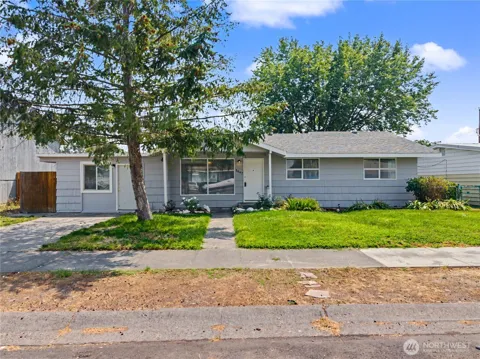
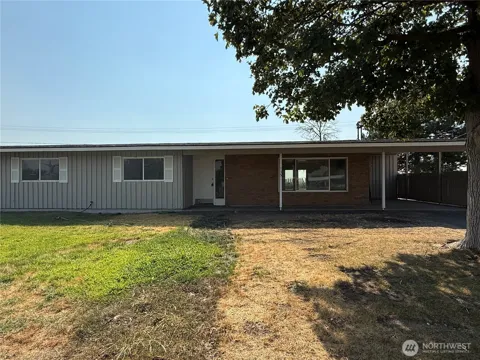
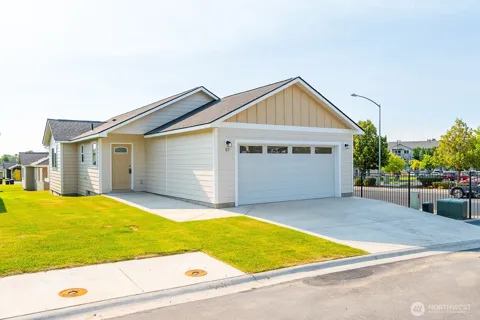
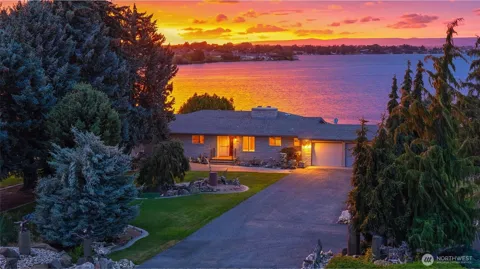
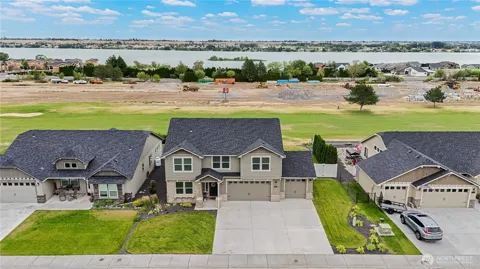
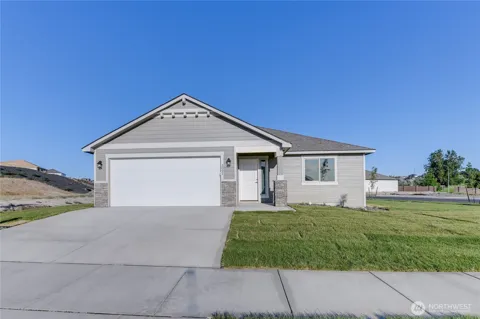
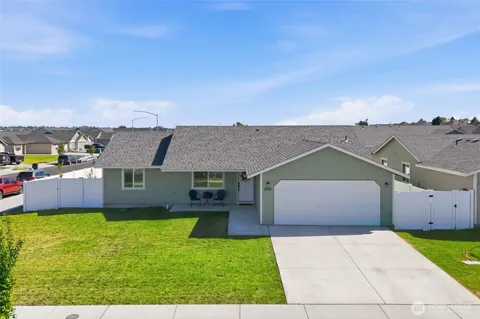
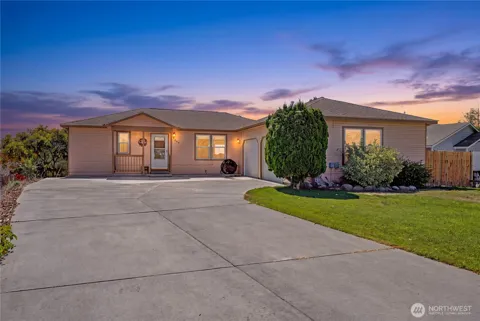
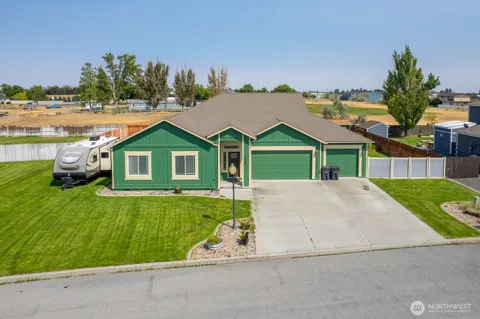
Moses Lake's housing stock reflects its growth from an agricultural hub into a diversified regional center. The city offers a mix of established single-family neighborhoods, mid-century homes built during the post-war irrigation boom, and newer subdivisions that have expanded as manufacturing employers grew. Lakefront and lake-view properties along Moses Lake are among the most sought-after addresses, while rural acreage and larger lots ring the city's outskirts, blending suburban living with farmland and desert open space. As the county seat of commerce, Moses Lake anchors the area's housing market, offering affordability relative to Washington's coastal metros and room for families, workers, and retirees drawn to the Columbia Basin.
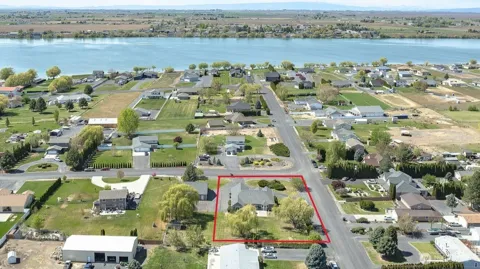
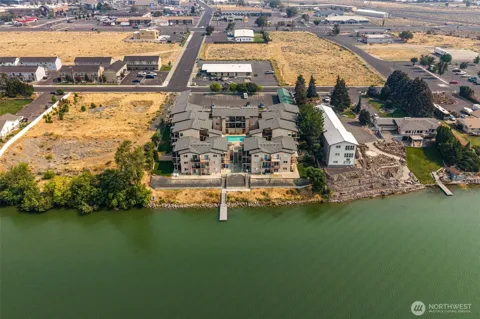
Moses Lake's residential landscape stretches along the lake and outward into the surrounding basin. Lakefront neighborhoods and homes with water access line the shoreline, while the central city holds older, established streets near downtown, schools, and the commercial corridors along Broadway Avenue. Residential areas extend toward Big Bend Community College and the airport, and outlying neighborhoods and rural properties spread into the surrounding farmland and desert. The sand dunes and ORV areas sit at the lake's southern tip, giving the city's southern edge a more rugged, recreation-oriented character. The result is a compact urban core ringed by waterfront, suburban, and open-country living.
Moses Lake offers a sunny, outdoors-oriented lifestyle anchored by its lake. With more than 300 days of sunshine a year in the arid Columbia Basin, residents spend much of the year on or near the water — boating, fishing, water skiing, and swimming — while the nearby sand dunes draw ATV and off-road enthusiasts. The city's parks, the seasonal Surf 'n Slide Water Park, and community events add a family-friendly rhythm. The surrounding Columbia Basin is wine country, with the Columbia Valley AVA and Wahluke Slope producing notable vintages, and local markets supply fresh regional produce. The Gorge Amphitheater and larger urban amenities lie within regional driving distance, but daily life stays distinctly small-city and unhurried.
Moses Lake is served by the Moses Lake School District, which operates about 20 schools and enrolls roughly 8,700 students from across the city and surrounding area. The district spans elementary, middle, and high schools, with athletics, arts, and extracurricular programs anchoring community life. Big Bend Community College, located in the city, provides two-year degrees, workforce training, and transfer pathways, making Moses Lake an education center for Grant County. The combination of a full K-12 system and a community college gives the city a self-contained education landscape unusual for a community of its size in central Washington.
Moses Lake sits directly on Interstate 90, Washington's primary east-west corridor linking Seattle and Spokane, and Washington State Route 17 runs through the city toward Othello and Ephrata. This highway network makes Moses Lake a transportation crossroads for the Columbia Basin. Grant County International Airport, a former Air Force base, is one of the largest airports in the region, supporting aviation, cargo, and aerospace testing activity. Regional rail freight and the city's central position also make it a distribution point for the surrounding agricultural economy. For residents, I-90 provides straightforward access to the state's larger metros a few hours in either direction.
Recreation in Moses Lake centers on the water and the dunes. Moses Lake itself offers boating, fishing, water skiing, wakeboarding, and swimming, with shoreline parks and boat launches around its perimeter. At the lake's southern tip, the Grant County Sand Dunes and ORV Park spans thousands of acres of wind-sculpted dunes, drawing ATV riders, dirt bikers, and off-road enthusiasts from across the Pacific Northwest. The seasonal Surf 'n Slide Water Park and Connelly Park add family-oriented recreation. Beyond the lake, the Columbia Basin offers wine tours through the Columbia Valley and Wahluke Slope AVAs, and the Gorge Amphitheater brings major concerts to the wider region.
MARKET SNAPSHOT
How homes have been selling here over the last 90 days.
Market data reflects closed sales over the last 90 days and is provided for informational purposes.
BROWSE BY ZIP
Browse listings by postal code in this area.