Gold-Mining Town in Ferry County
Welcome to Republic, the Ferry County seat set in a valley of the Kettle River Range, founded by gold prospectors and known for its Eocene fossils at the Stonerose Interpretive Center.
Republic is the county seat of Ferry County, Washington, set in a valley between Wauconda Pass and Sherman Pass in the Kettle River Range of the state's north-central highlands. The town was founded by gold prospectors in the late nineteenth century and originally named Eureka Gulch, reflecting the mining rush that gave the community its start. Settled around 1896, Republic grew into the hub of one of the most productive gold districts in the Pacific Northwest. Mining has remained central to the town's story ever since. The Republic district produced some of the most significant gold output of the twentieth century, and operations have continued under successive owners—including Echo Bay, Hecla, and later Kinross—into the present day. Ferry County's government notes that Republic still boasts the last remaining operational gold mine in Washington State, and an estimated eight million ounces of gold had been recovered from northern Ferry County by the early 2020s. That mining legacy gives Republic an economic and cultural identity unlike most small towns in Washington. The town is equally known today for paleontology. The Stonerose Interpretive Center and Eocene Fossil Site sits in downtown Republic, where visitors can split shale and keep the fossils they find—leaves of maple, birch, elm, and dawn redwood, along with seeds and insects—preserved from an Eocene lake bed roughly 50 million years old. Stonerose has made Republic a destination for fossil enthusiasts and families alike. With a population of roughly 1,000, Republic serves as both the largest community and the governmental center of Ferry County, Washington's least densely populated county. The surrounding Colville National Forest provides hiking, fishing, and wildlife viewing, and the town's remoteness—about 120 miles from Spokane—is part of its character. For residents, Republic offers a quiet, self-reliant mountain lifestyle rooted in mining history and the surrounding public lands.
Republic is in Ferry County, Washington, and serves as the county seat and its largest city. Ferry County sits along the north-central edge of Washington and is the state's least densely populated county.
Republic is known for its gold-mining history—it was founded as the gold camp Eureka Gulch—and for the Stonerose Interpretive Center and Eocene Fossil Site, where visitors split shale to find and keep fossil leaves and insects from roughly 50 million years ago.
Stonerose is an Eocene fossil site in downtown Republic where visitors can split pieces of shale and keep the plant and insect fossils they find, including maple, birch, elm, and dawn redwood leaves. It operates seasonally from late April through October.
City Guide
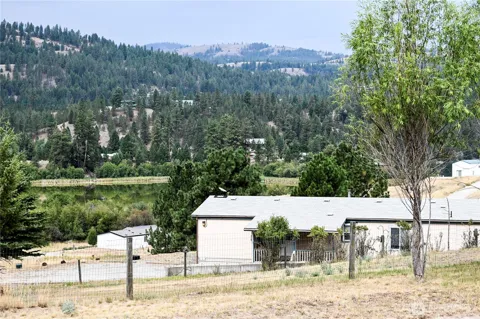
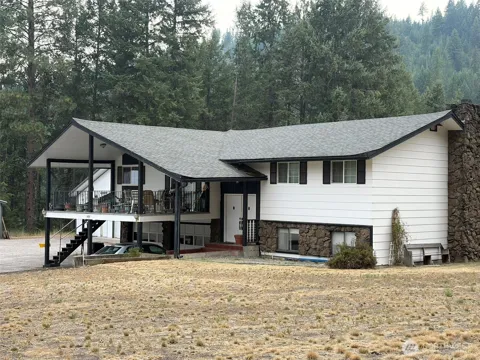
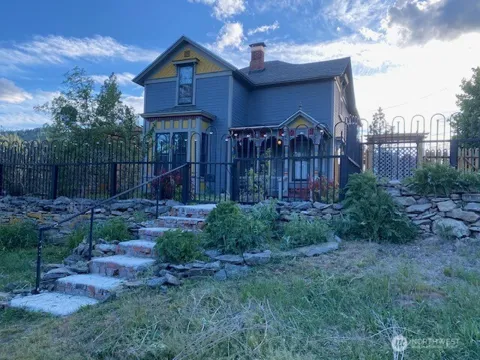
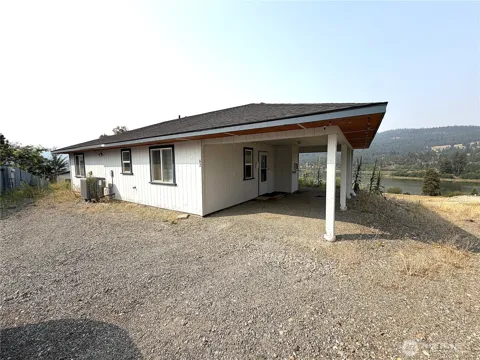
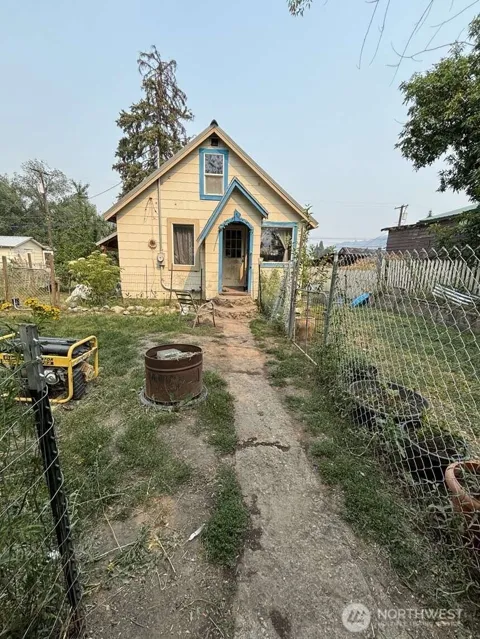
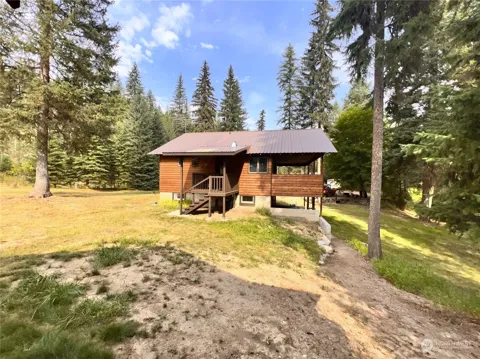
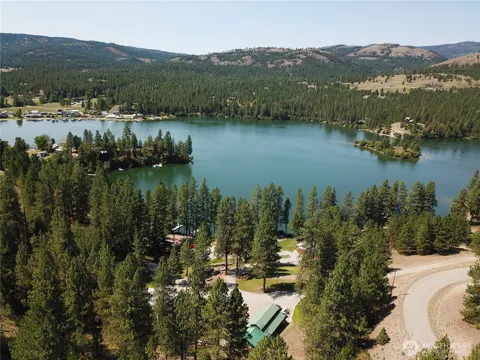
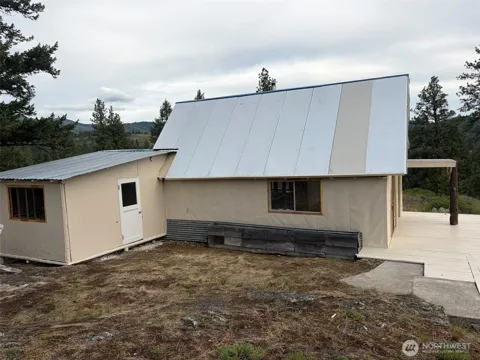
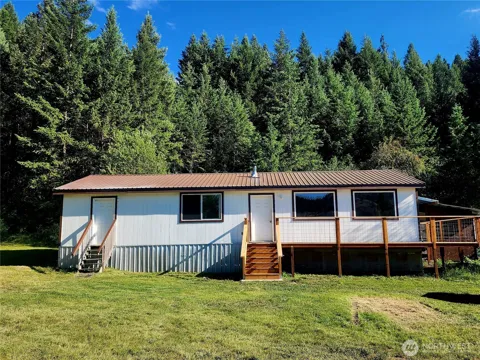
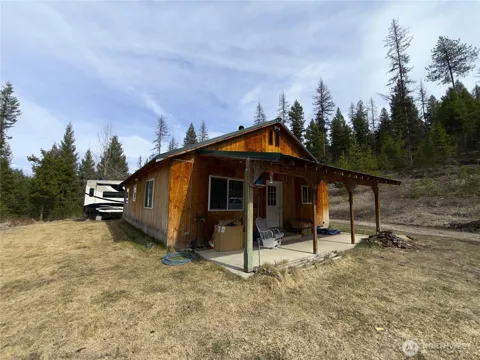
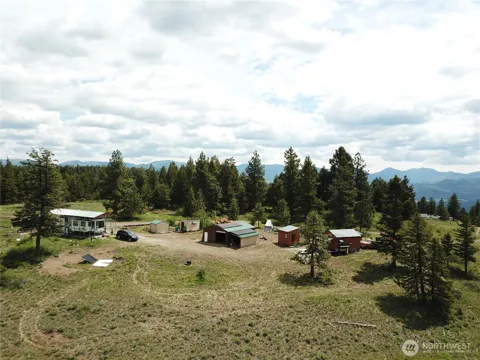
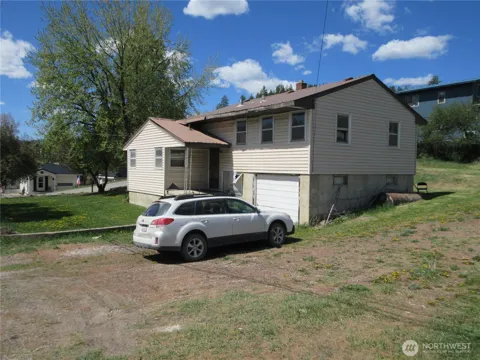
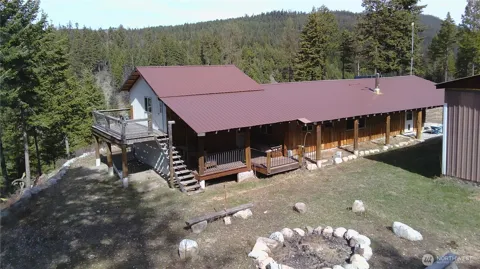
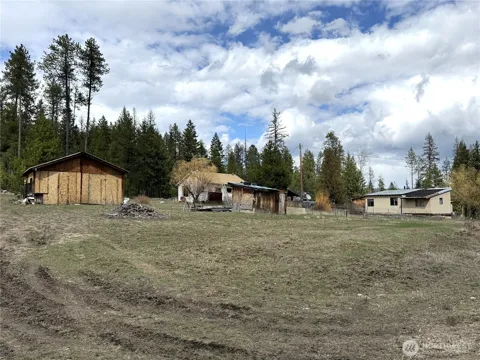
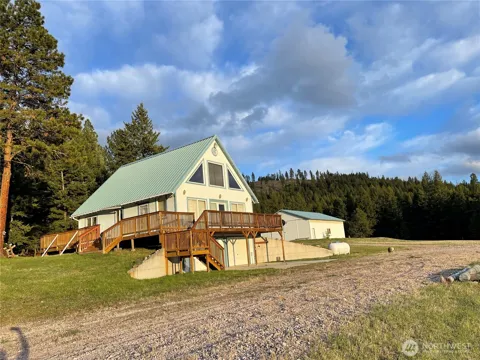
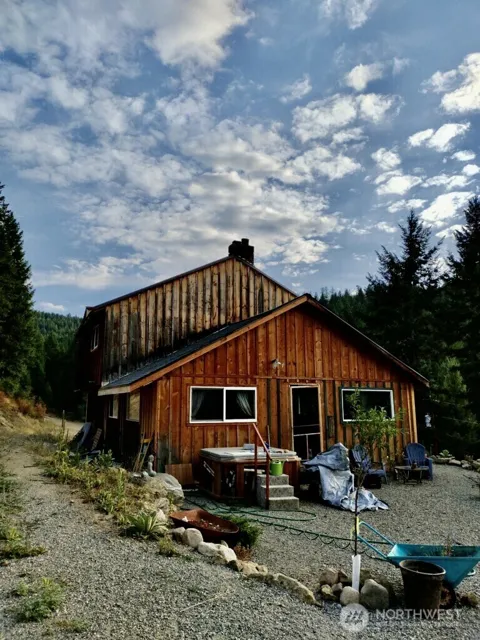
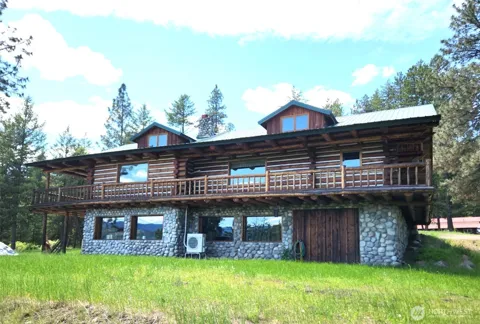
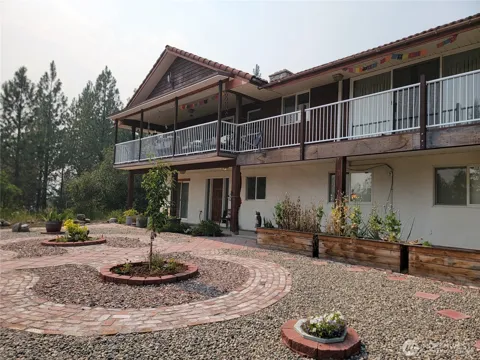
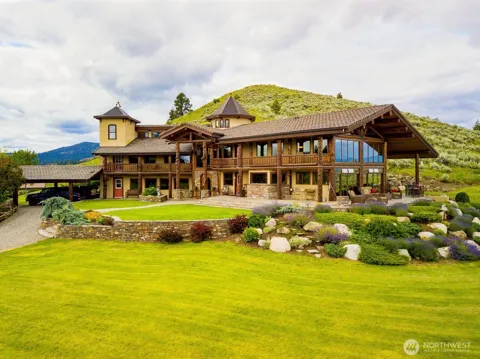
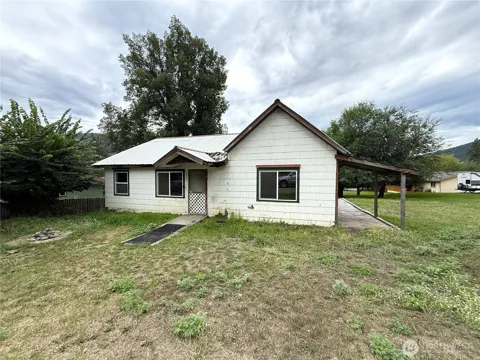
Republic's housing reflects its origins as a frontier mining town that settled into a permanent county seat. The stock consists largely of modest single-family homes on a small grid, with older residences from the town's boom years sitting alongside more recent construction. Some properties on the town's edges offer larger lots with views of the surrounding valley and foothills. The market is small and community-scaled, without the large subdivisions found in Washington's larger cities. For buyers, Republic represents an affordable, low-density option in a remote but scenic corner of the state, suited to those who value independence and outdoor access over urban amenities.
Republic is organized around its downtown, which sits at the junction of Highway 20 and Clark Avenue, where the Stonerose fossil site and local businesses anchor the center. Residential streets climb from the valley floor onto the surrounding hillsides of the Kettle River Range, giving many homes elevated views of the town and its valley. The community's compact footprint means that most residences lie within easy walking or driving distance of the schools, county offices, and downtown. Given its small size, Republic functions as a single cohesive town rather than a collection of distinct named neighborhoods, with the valley itself providing the defining sense of place.
Republic is a small, self-contained community where mining heritage and geology shape local identity. The town retains the character of a historic gold camp, with a compact downtown along Highway 20 and a pace set by the surrounding mountains. The Stonerose Interpretive Center draws fossil enthusiasts from across the region each season, adding a low-key tourism element to the economy. Residents describe a close-knit, outdoors-oriented way of life, with the Colville National Forest and Kettle River Range immediately at hand. Daily necessities are served locally, with larger trips to Omak or Spokane for broader shopping and services.
Public education in Republic is provided by Republic School District #309, which serves the town and the surrounding Ferry County area. The district operates four schools with roughly 430 to 540 students, reflecting the community's small population and its role as the educational center of a sparsely populated county. The compact district gives families a close connection to the school system, and the schools serve as a focal point for community events and athletics. For a remote mountain town, the school system is a central institution that helps anchor Republic's year-round population.
Republic sits at the junction of State Highway 20 and U.S. Route 395, the two principal corridors through north-central Washington. Highway 20 crosses the Kettle River Range via Sherman Pass to the east and connects westward toward Tonasket and the Okanogan Valley, while U.S. 395 links the town to Colville and the broader region to the north and east. Spokane lies roughly 120 miles to the east and Omak about 62 miles to the west, making Republic a remote but accessible mountain community. Given the distances involved, travel is almost entirely automobile-based, and the mountain passes that frame the town are a defining feature of getting in and out.
Republic's recreation is dominated by the Stonerose Interpretive Center and the surrounding Colville National Forest. At Stonerose, visitors split shale from an Eocene lake bed to find and keep fossil leaves, seeds, and insects—a hands-on activity that draws families and rockhounds throughout the warm season. Beyond the fossil beds, the Kettle River Range and national forest offer hiking, fishing, hunting, and wildlife viewing across a vast landscape of public land. The town's position between Wauconda and Sherman Passes puts mountain recreation and scenic drives immediately at hand, making the outdoors the defining feature of life in this part of Ferry County.
MARKET SNAPSHOT
How homes have been selling here over the last 90 days.
Market data reflects closed sales over the last 90 days and is provided for informational purposes.
BROWSE BY ZIP
Browse listings by postal code in this area.