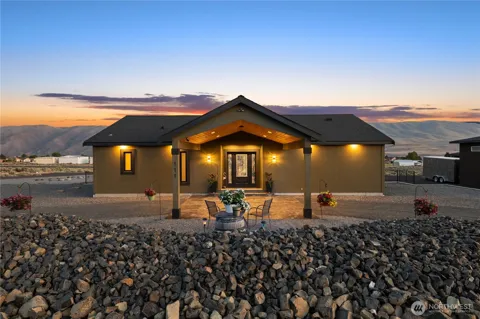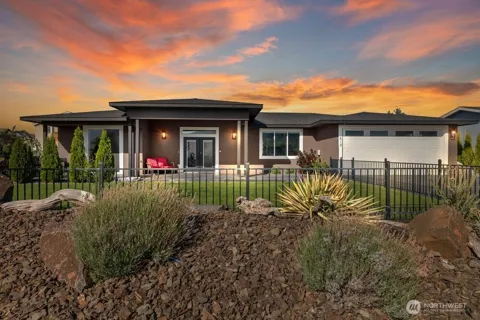
Wahluke Slope Farming Town
Welcome to Mattawa, a Grant County farming town on Washington's Wahluke Slope, amid orchards and vineyards along the Columbia River.
Mattawa is an incorporated city in Grant County, Washington, on the Wahluke Slope, a broad plateau of orchards and vineyards along the east side of the Columbia River, about 15 miles south of Interstate 90. The Saddle Mountains rise to the north, and the Columbia flows past to the west, framing a town whose entire identity is agricultural. With a population of roughly 3,300, Mattawa is a small but vital part of Washington's fruit and wine economy. The town's modern form took shape in the mid-20th century. Mattawa incorporated in 1958, just as the Priest Rapids and Wanapum dams were coming online along the Columbia, and the irrigation they enabled transformed the Wahluke Slope into productive farmland. Over the following decades, the plateau filled with orchards and vineyards, and Mattawa grew as the community serving that agricultural workforce. Today the Wahluke Slope produces roughly a quarter of Washington's grape crop, and the town is at the center of a region of cherries, apples, and wine grapes. Mattawa is a predominantly Latino community, reflecting the workforce that built the region's agriculture, and its schools, churches, and markets carry a bilingual, family-centered character. The town's economy is rooted in farming and food processing, with the Port of Mattawa supporting the area's agricultural infrastructure. The community suits those connected to the agricultural economy or seeking an affordable, close-knit small town in rural eastern Washington. It is a place defined by work, family, and the sun-drenched land between the river and the mountains. Mattawa's character is shaped by migration and work. Its Latino majority reflects generations of farmworkers and orchard families who built the Wahluke Slope's agricultural economy, and the town's institutions — schools, churches, and markets — carry that heritage forward. The scale of the surrounding vineyards and orchards, visible in every direction, is a constant reminder of the land's productivity and the labor it requires. For visitors and residents alike, Mattawa is first and foremost a farming town, and its identity follows from that fact.
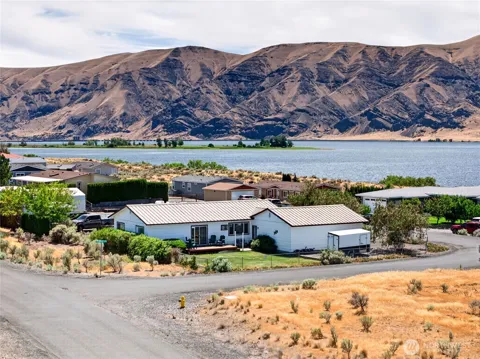
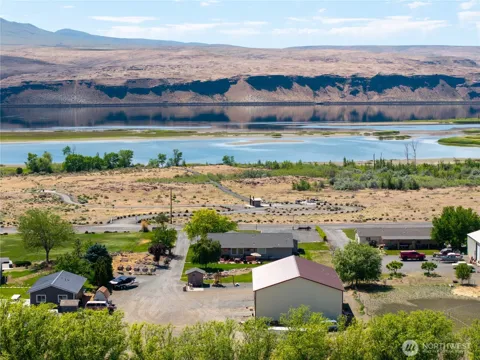
Mattawa is in Grant County, Washington, on the Wahluke Slope along the east side of the Columbia River, about 15 miles south of Interstate 90. The Saddle Mountains rise to the north of the town.
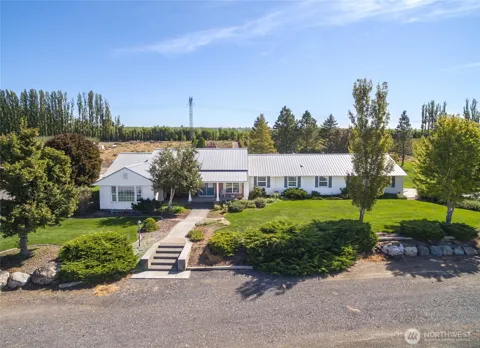
Mattawa is a farming town on the Wahluke Slope, known for its orchards and vineyards. The Wahluke Slope produces roughly a quarter of Washington's grape crop, and the town's economy is rooted in agriculture.
Mattawa is served by the Wahluke School District, which operates schools on a campus close to the Columbia River and backed by the Saddle Mountains. The district serves the town and the surrounding agricultural area.
Mattawa is a predominantly Latino community of roughly 3,300 residents. It was incorporated in 1958 and grew alongside the Priest Rapids and Wanapum dam projects and the expansion of farming on the Wahluke Slope.
City Guide
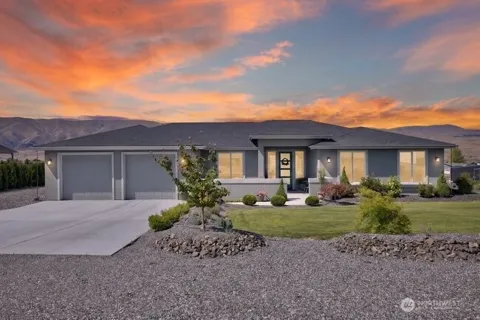
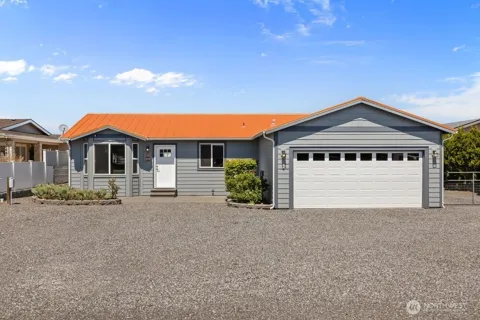
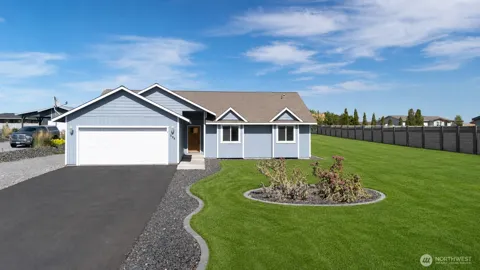
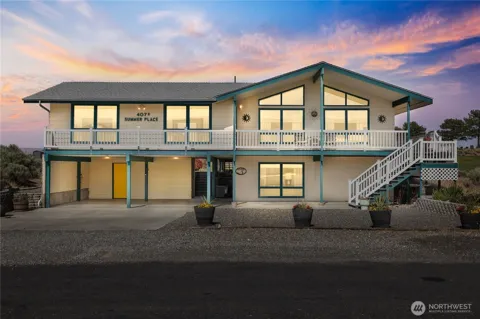
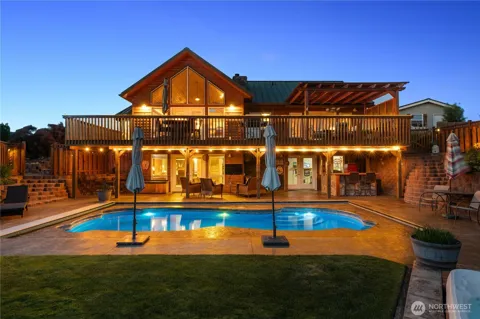
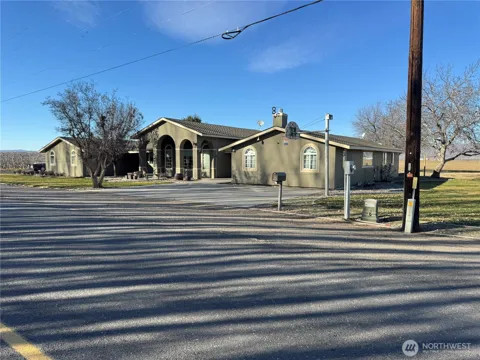
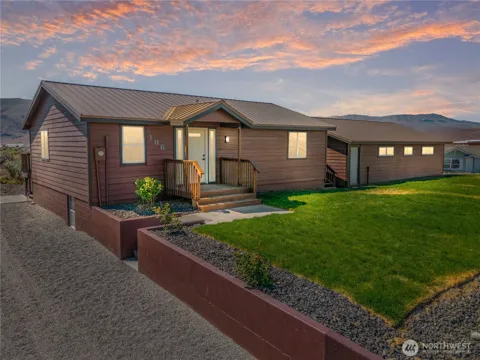
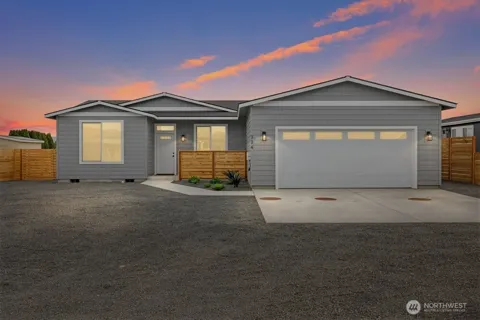
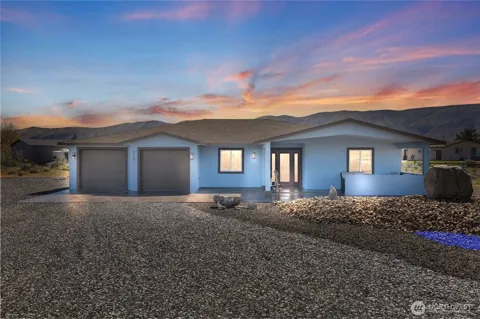
Mattawa's housing is modest and oriented to an agricultural workforce, with a mix of small single-family homes, manufactured housing, and a significant share of rental properties. The stock is newer than many small towns, reflecting the town's growth alongside the region's farming expansion, and housing is generally more affordable than in the state's larger cities. Many residents work in agriculture, and the housing market is shaped by that employment base. The town's compact layout and its position between the river and the Saddle Mountains give it a distinct, close-in feel, with little in the way of sprawling suburban development.
Mattawa's lifestyle is rooted in agriculture and community. The town is predominantly Latino, with a tight-knit, family-centered culture shaped by the rhythms of the orchards and vineyards — planting, pruning, and harvest. Spanish and English are both part of daily life, and local markets, churches, and school events anchor the social fabric. Farmers markets bring fresh cherries, oranges, and other produce, reflecting the region's bounty. The pace is set by the seasons and the work of the land, and the surrounding desert plateau and river give the town a striking, sunlit setting. It is a working community with deep agricultural pride.
Mattawa is served by the Wahluke School District, which operates its schools on a campus close to the Columbia River and backed by the Saddle Mountains. The district serves the town and the surrounding agricultural area, and it is a central institution in the community, supporting a largely bilingual student body and families tied to the farming economy. Its programs emphasize the needs of a rural, working community, and the schools anchor youth activities and events. As a small, rural district, it offers close-knit campuses and strong community ties, with the trade-offs of a more limited range of specialized programs.
Mattawa sits about 15 miles south of Interstate 90, the main east-west route across Washington, providing access west toward the Tri-Cities and east toward the state's interior. State Route 243 runs along the Columbia River, connecting the town to the region's highways and the nearby dam facilities. There is no passenger rail or local transit service, so travel is by car, with the Tri-Cities' airport serving regional air travel. The town's position between the river and the Saddle Mountains, off the main interstate, gives it a removed, rural character while keeping larger centers within reach.
Recreation in Mattawa is grounded in the Columbia River and the surrounding desert landscape. The river provides boating and fishing, with the nearby Wanapum and Priest Rapids reservoirs and their parks offering shoreline access and camping. The Saddle Mountains and the surrounding shrub-steppe support hiking, hunting, and off-road recreation, and the region's wineries and orchards offer seasonal tastings and markets. The Wahluke Slope's open, sunny terrain makes outdoor activity a year-round option, and the larger recreational amenities of the Columbia Basin — from the Gorge amphitheater to the region's lakes — are within a drive.
MARKET SNAPSHOT
How homes have been selling here over the last 90 days.
Market data reflects closed sales over the last 90 days and is provided for informational purposes.
BROWSE BY ZIP
Browse listings by postal code in this area.