Central Washington's Agricultural Hub
Welcome to Yakima, the Yakima Valley's county seat, where irrigated orchards, hop fields, and wineries frame one of the nation's leading agricultural regions.
Yakima is the county seat of Yakima County, in south-central Washington, situated along the Yakima River in a broad valley between the Cascade Range to the west and the Columbia Plateau to the east. With nearly 97,000 residents at the 2020 census and a metropolitan population of about 256,000, it is the eleventh-largest city in the state and the commercial, healthcare, and cultural hub of the surrounding region. Agriculture is the defining feature of the Yakima Valley. Irrigation transformed the area into one of the most productive farming regions in the country: Yakima County is a leading producer of apples, hops, cherries, pears, mint, and wine grapes, and the valley alone grows roughly three-quarters of the hops produced in the United States. That agricultural base supports a large processing, packing, and distribution economy and has given rise to a substantial wine industry across the Yakima Valley AVA. The city's geography shapes its character. The 1st Avenue and railroad corridor roughly divides older, denser, historically working-class neighborhoods on the east side from newer, larger-lot suburban development on the west side around West Valley and Summitview. This divide produces a housing market with wide variety in home age, lot size, and neighborhood feel. Yakima's central location is a practical advantage. Interstate 82 and U.S. Route 12 meet at the city, connecting it to Seattle to the west, the Tri-Cities and Spokane to the east, and Oregon to the south. The Yakima Air Terminal offers regional flights, and Yakima Transit provides local bus service, including a commuter link toward Ellensburg. Outdoor recreation is abundant, from the Yakima Greenway and the 46-acre Yakima Arboretum to the Cascade passes and nearby wineries. The city is home to Yakima Valley College and Pacific Northwest University of Health Sciences, and it is served by multiple school districts. Yakima appeals to agricultural, healthcare, and education workers and to families seeking a mid-sized, four-season city with strong outdoor access and a pace well removed from Washington's Puget Sound metros.
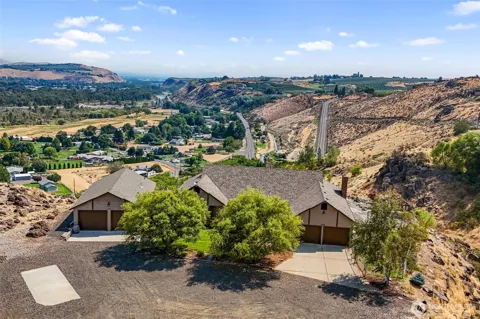
Yakima is the county seat of Yakima County, in south-central Washington. The city lies in the broad Yakima River valley between the Cascade Range to the west and the Columbia Plateau to the east.
Yakima anchors one of the nation's leading agricultural regions. Yakima County is a top producer of apples and hops, with the Yakima Valley alone growing roughly three-quarters of the hops produced in the United States, along with cherries, pears, mint, and wine grapes.
The city of Yakima is served primarily by the Yakima School District, with parts of the surrounding area in the West Valley and East Valley school districts. The Yakima School District operates high schools including A. C. Davis and Dwight D. Eisenhower, and Yakima Valley College provides higher-education programs in the city.
Yakima had a population of 96,968 at the 2020 census, making it the eleventh-most populous city in Washington state and one of the larger cities east of the Cascade Range. The broader Yakima metropolitan area, which includes surrounding communities in Yakima County, has a population of about 256,000 residents.
Yakima is about 140 miles southeast of Seattle, a drive of roughly two and a half hours via Interstate 82 and Interstate 90 over the Cascade passes. The city is also connected to the Tri-Cities, Ellensburg, and points south by the interstate and U.S. highway system.
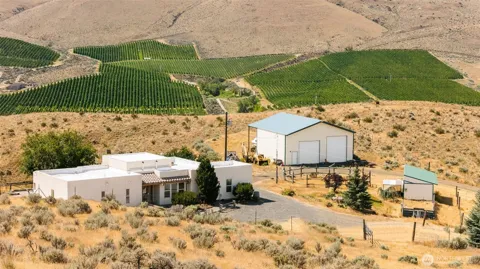
The Yakima Valley AVA is a federally recognized wine-growing region surrounding the city, part of the larger Columbia Valley wine region. Its warm days, cool nights, and irrigated vineyard land support dozens of wineries producing a range of varietals, and wine touring is a major draw for visitors and residents alike.
City Guide
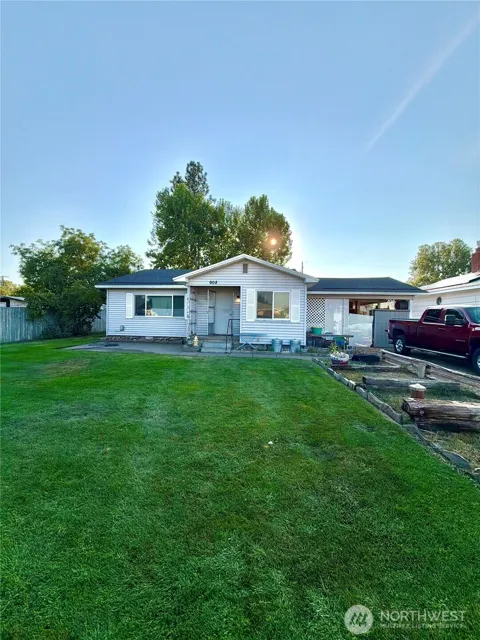
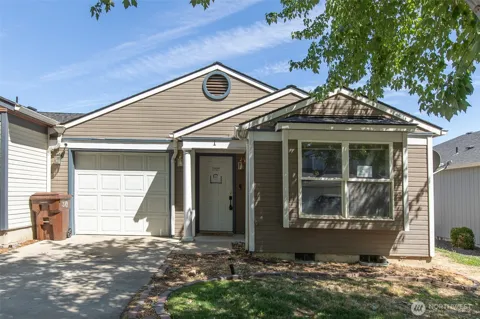
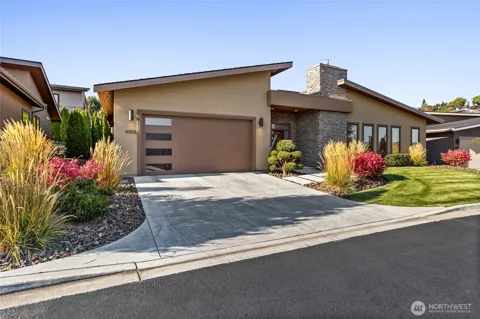
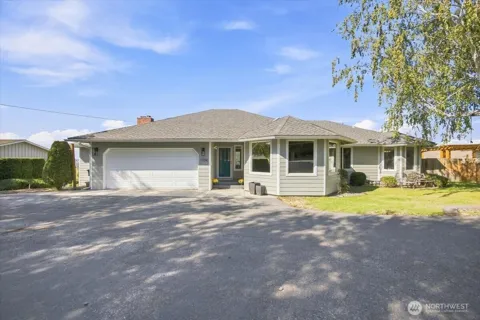
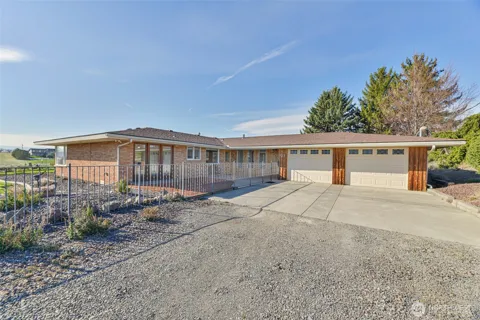
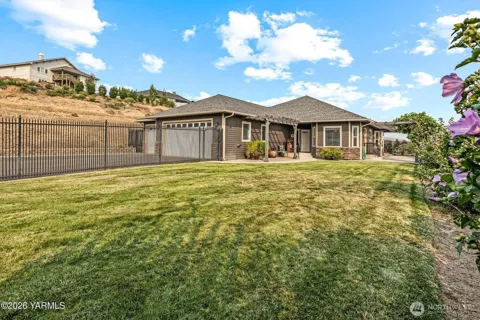
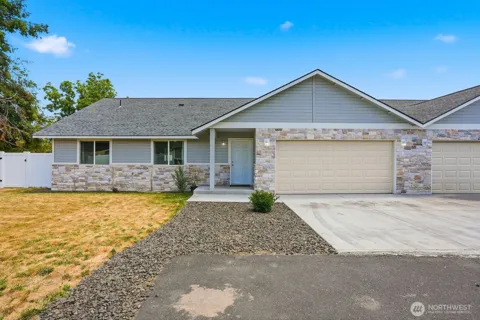
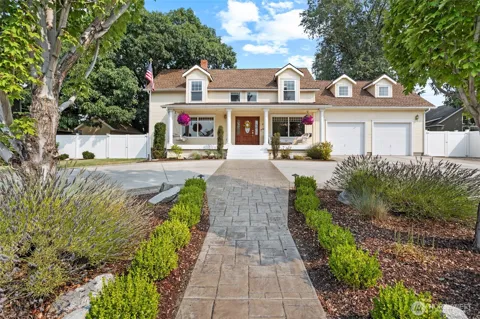
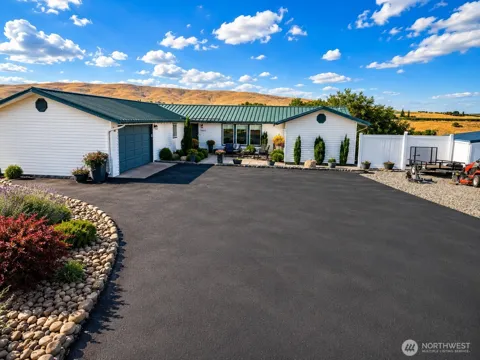
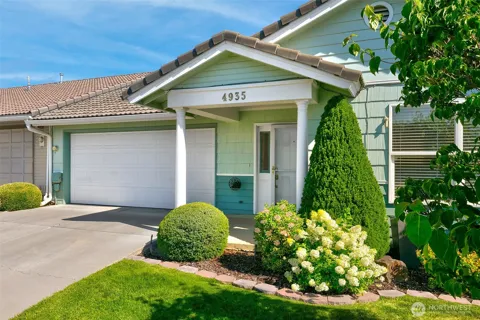
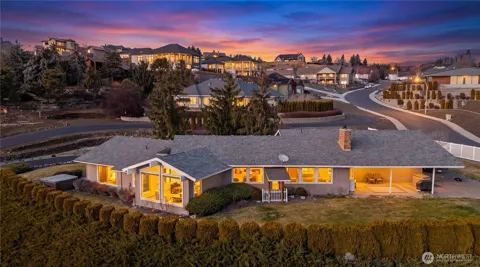
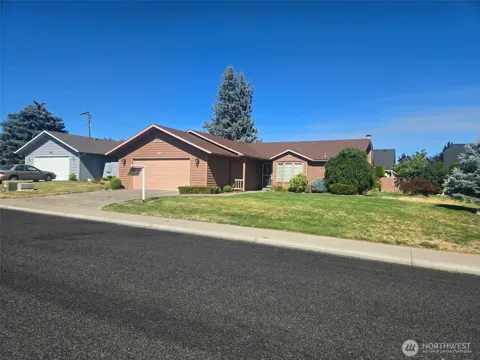
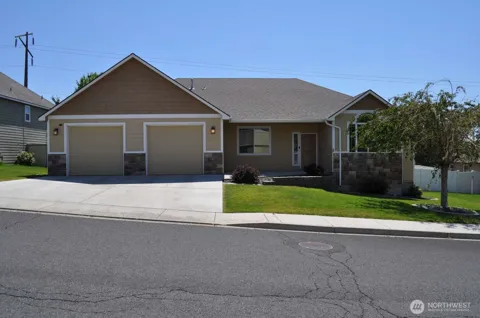
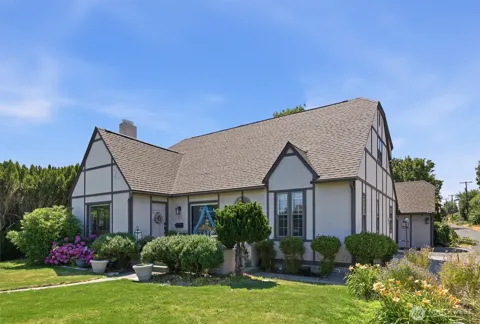
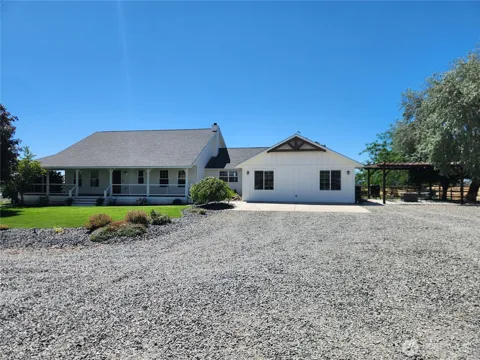
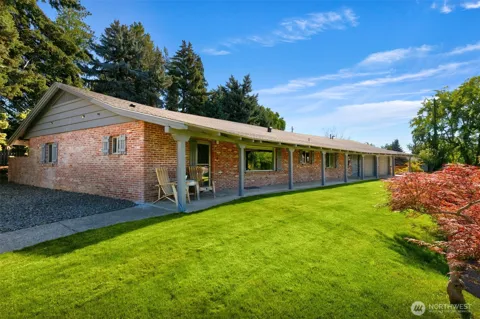
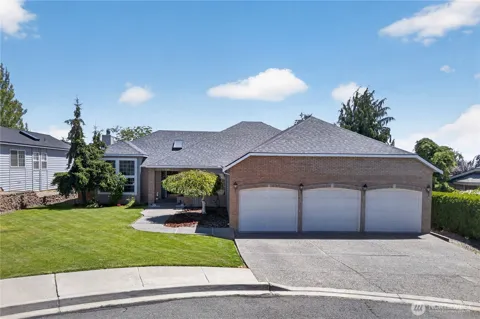
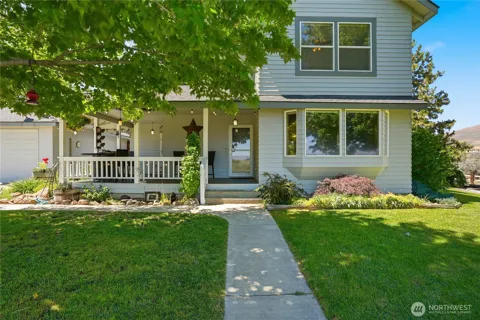
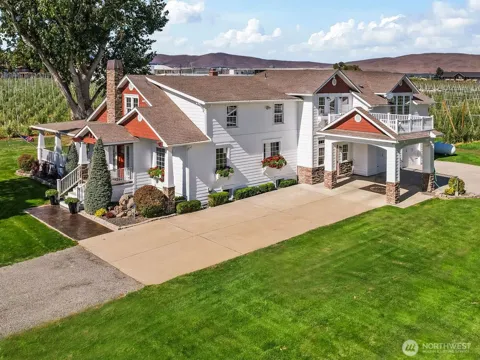
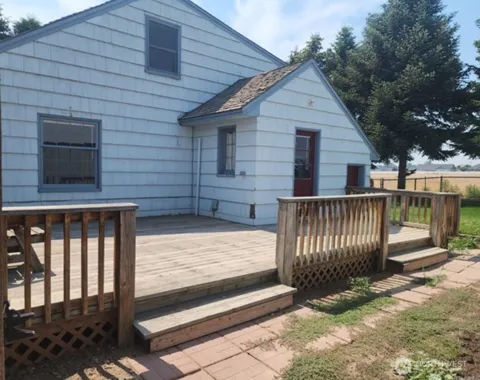
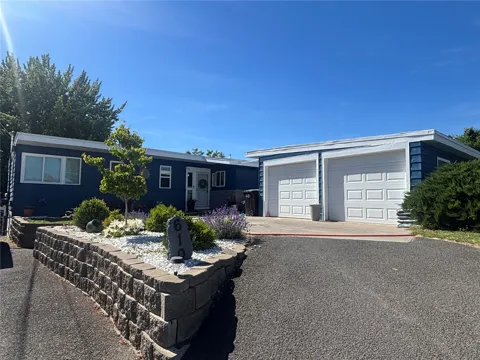
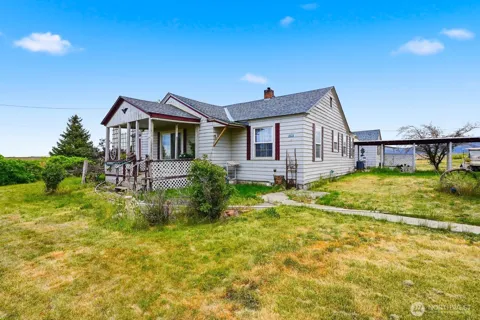
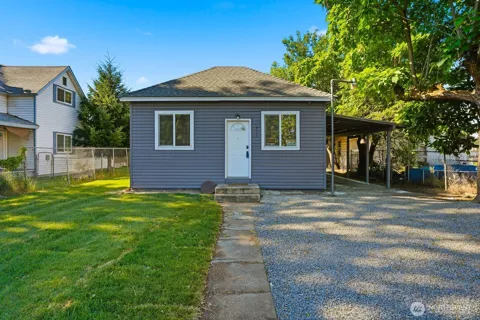
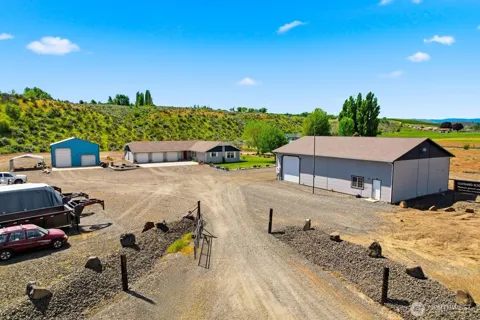
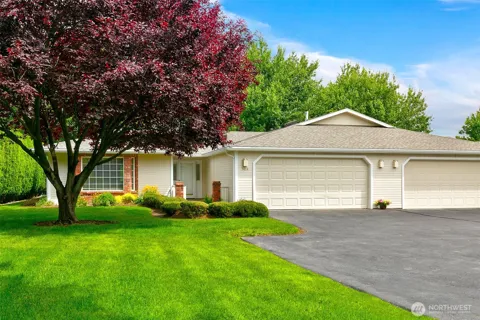
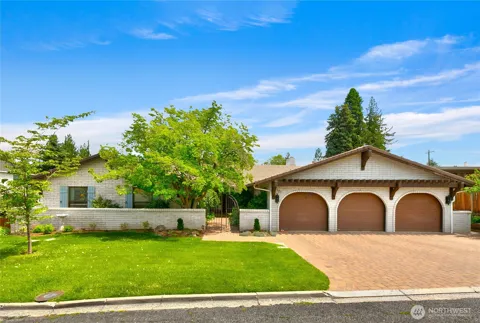
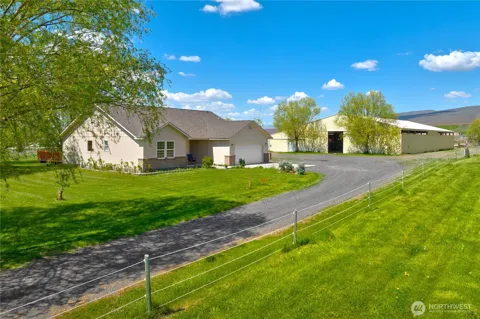
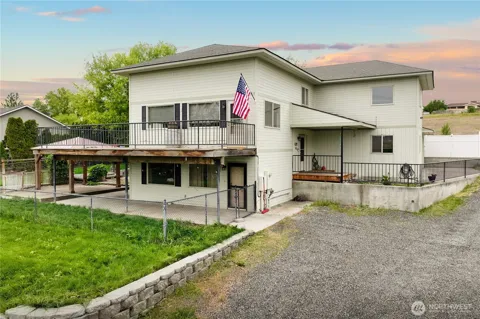
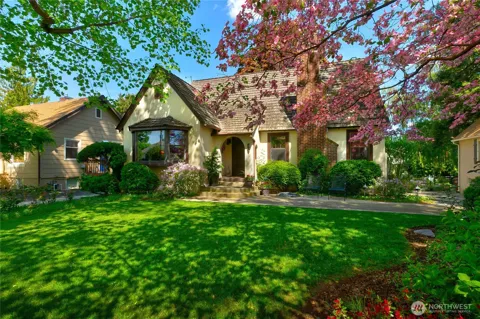
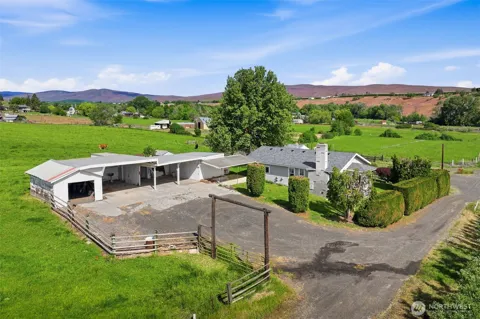
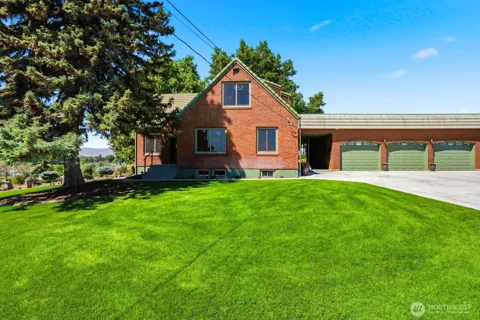
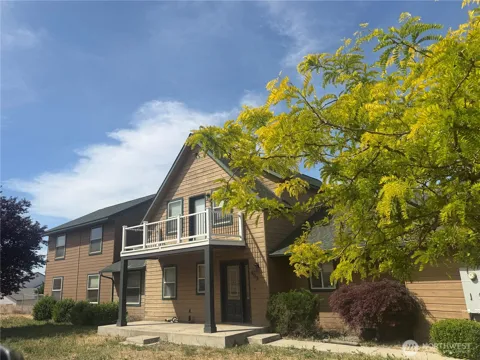
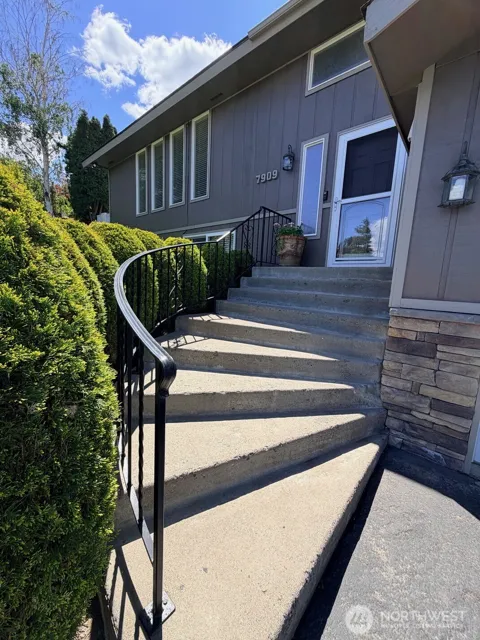
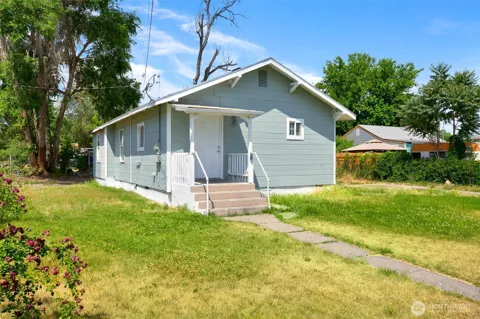
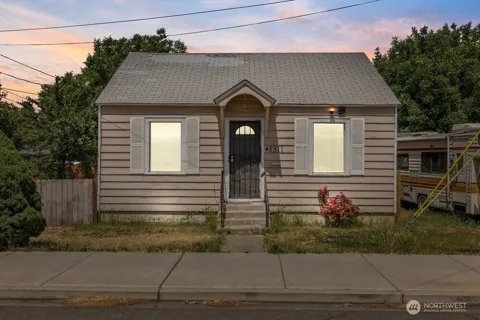
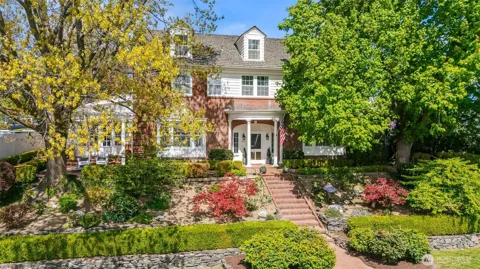
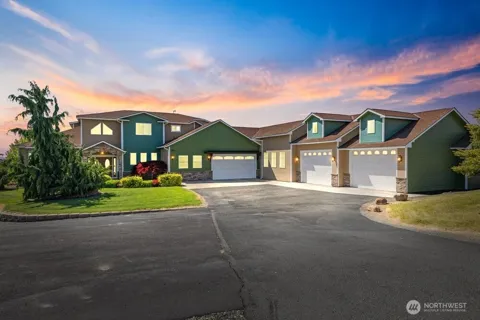
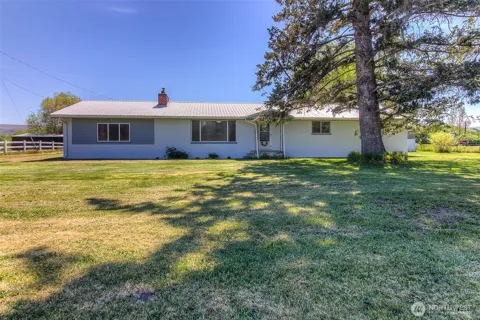
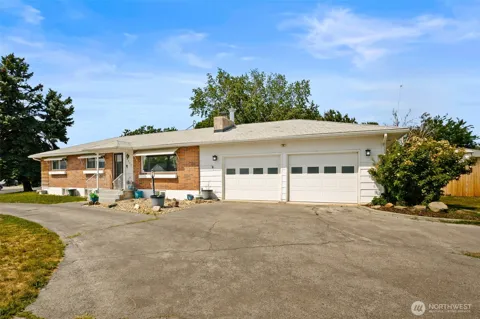
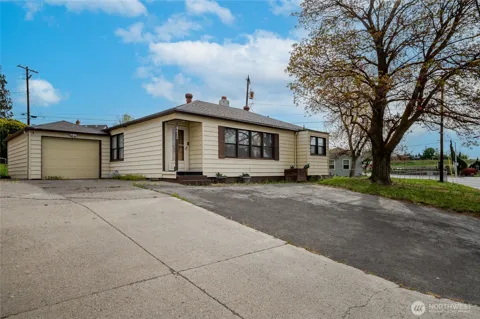
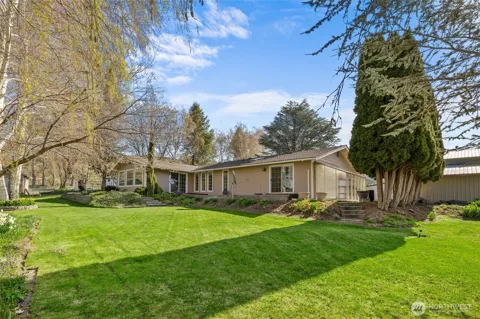
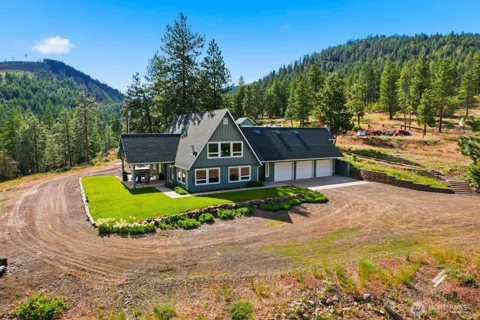
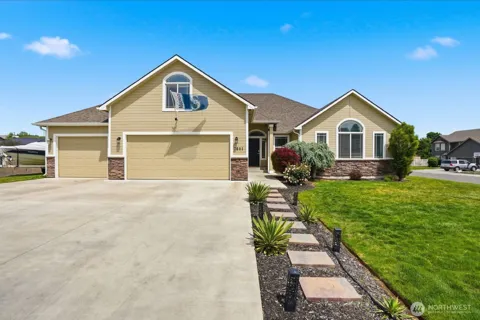
Yakima's housing stock reflects the city's east-west division. East of the 1st Avenue rail corridor, neighborhoods tend toward smaller, older single-family homes, duplexes, and more densely settled blocks that grew up with the city's railroad and agricultural past. West of that line, toward West Valley and Summitview, newer construction, larger lots, and quieter suburban streets predominate, appealing to families seeking more space. Small single-family detached homes are the most common housing type citywide, with a notable share of multifamily and manufactured housing as well. The result is a market with wide variety in lot size, home age, and neighborhood character.
Yakima's neighborhoods are often described in terms of the 1st Avenue and rail corridor that bisects the city. On the west side, Summitview and the broader West Valley area offer larger lots, newer homes, and a suburban feel with convenient access to shopping and schools. The central and east-side neighborhoods hold many of the city's older, historically working-class blocks, with denser housing and a strong sense of established community. Beyond the city limits, Terrace Heights and other East Valley communities extend the metro's suburban reach. This geographic pattern gives residents a clear choice between in-town character and newer suburban living.
Yakima's lifestyle is rooted in its agricultural valley setting and its four-season climate. The city functions as the region's cultural and commercial center, hosting events such as the Central Washington State Fair at State Fair Park and sustaining a growing wine-and-craft scene tied to the surrounding vineyards. Weekends often revolve around farmers markets, winery visits, and outdoor recreation in the nearby foothills and river corridors. The community is notably diverse, and the city's mid-size scale provides practical amenities, healthcare, and shopping while keeping the Cascade mountains and open farmland close at hand.
Public education in Yakima is anchored by the Yakima School District, which serves the city and operates comprehensive high schools including A. C. Davis and Dwight D. Eisenhower. Surrounding areas fall under the West Valley and East Valley school districts, giving families several district options across the metro. For higher education, Yakima Valley College offers two-year and technical programs in the city, and Pacific Northwest University of Health Sciences is based locally. The city's role as a regional center also brings a range of private and alternative school options.
Yakima sits at the junction of Interstate 82 and U.S. Route 12, placing it on a major north-south corridor through the interior Northwest and providing direct highway access to Ellensburg, the Tri-Cities, and, via I-90, Seattle and Spokane. Yakima Air Terminal, also known as McAllister Field, offers regional air service. Local mobility is served by Yakima Transit's bus system, which includes a commuter route toward Ellensburg, while the city's grid and arterial network make most destinations a short drive. For longer regional or national travel, residents commonly use Seattle-Tacoma and Portland airports.
Outdoor recreation is a central part of life in Yakima. The Yakima Greenway follows the river through the city, linking parks, playgrounds, and trailheads, while the 46-acre Yakima Arboretum offers botanical gardens and walking paths. The region touts roughly 200 miles of hiking and biking trails, and the Cascade foothills provide access to Chinook and White passes for alpine hiking, skiing, and scenic drives. Wine touring, farmers markets, and seasonal festivals add to the mix, and the Yakima River itself supports fishing and floating in the warmer months.
MARKET SNAPSHOT
How homes have been selling here over the last 90 days.
Market data reflects closed sales over the last 90 days and is provided for informational purposes.
BROWSE BY ZIP
Browse listings by postal code in this area.