Cascade Foothills by the Falls
Welcome to Snoqualmie, a King County city beside Snoqualmie Falls in the forested Cascade foothills, pairing a railroad-era townsite with the master-planned Snoqualmie Ridge.
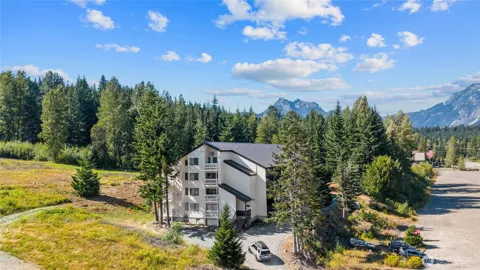
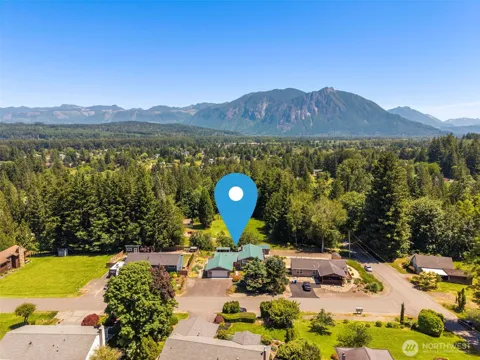
Snoqualmie is a small city in eastern King County, Washington, occupying a spectacular stretch of the Snoqualmie Valley about 28 miles east of Seattle. The city's namesake landmark, Snoqualmie Falls, plunges beside the historic townsite and has drawn visitors and power generation to the area for well over a century. Framed by the Cascade foothills, the community is known as much for its mountain scenery and outdoor access as for its role as one of the Seattle area's more scenic residential suburbs. Snoqualmie's settlement grew up around the railroad and the falls, and its older core still carries that history. The Northwest Railway Museum preserves the area's rail heritage, and the restored depot anchors a downtown district with a distinctly small-town, heritage character. In more recent decades, the city expanded onto the plateau above the valley with the master-planned Snoqualmie Ridge development, which added substantial single-family housing, schools, parks, and neighborhood services and reshaped Snoqualmie from a quiet valley town into a fuller commuter community. The city's geography is its greatest asset. Mount Si rises to the north, Rattlesnake Mountain and Rattlesnake Lake sit to the south, and the Snoqualmie Valley runs between them, giving residents immediate access to some of the region's most popular hiking and the broader Cascades recreation corridor stretching east toward Snoqualmie Pass. This setting draws households who want mountain and trail access while keeping a practical connection to Eastside employment centers. With a population of roughly 14,100, Snoqualmie balances a tight-knit small-town feel with steady growth. Its schools, parks, and newer neighborhoods have made it a favored address for families, while its history, scenery, and rail heritage give the city a character that newer suburbs often lack. It is a mountain-edge community that has grown into a complete Eastside suburb without losing its sense of place.
Snoqualmie is in King County, Washington, in the eastern part of the county about 28 miles east of Seattle, set in the Snoqualmie Valley at the edge of the Cascade foothills.
Snoqualmie is about 28 miles east of Seattle and roughly 20 miles from Bellevue, reached directly via Interstate 90. Commute traffic toward Seattle can be heavy at peak hours, especially in winter weather over Snoqualmie Pass.
The Snoqualmie Valley School District serves Snoqualmie, North Bend, Fall City, and the surrounding valley, operating six elementary schools, three middle schools, Mount Si High School, and the alternative Two Rivers School.
Snoqualmie is known for Snoqualmie Falls, the Northwest Railway Museum, and its access to Mount Si and the Rattlesnake Mountain trail system. The city also sits near the ski areas of Snoqualmie Pass.
Snoqualmie Ridge is the large master-planned plateau neighborhood above the historic townsite, built around Snoqualmie Parkway and Cascade View Elementary. It holds much of the city's newer housing, schools, and neighborhood shopping.
City Guide
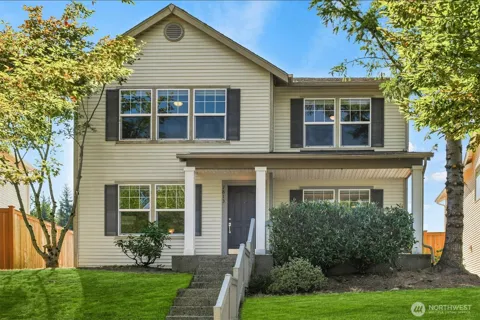
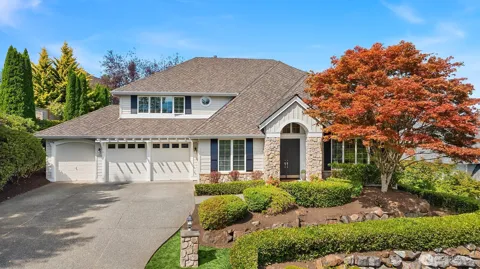
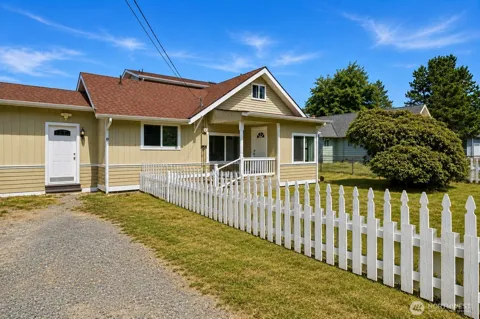
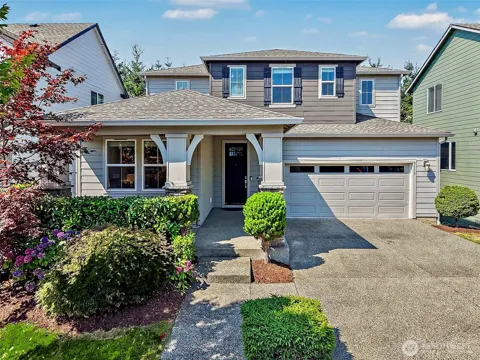
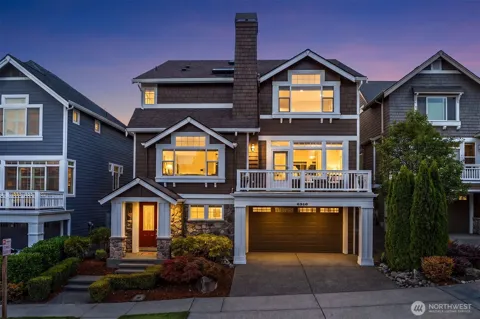
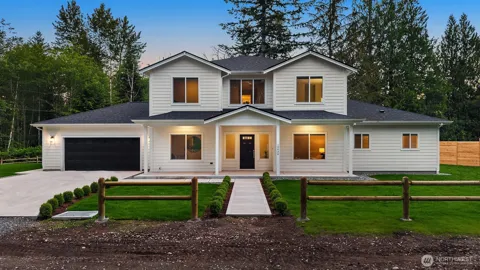
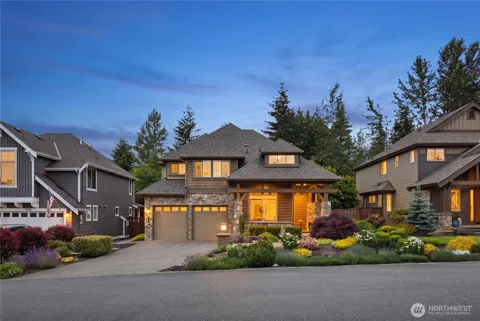
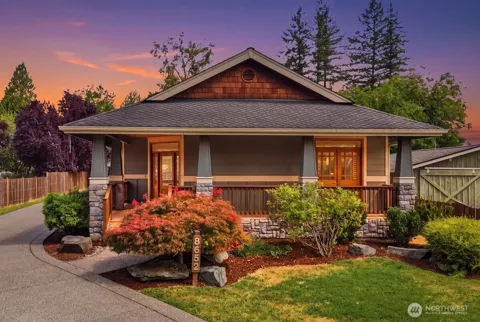
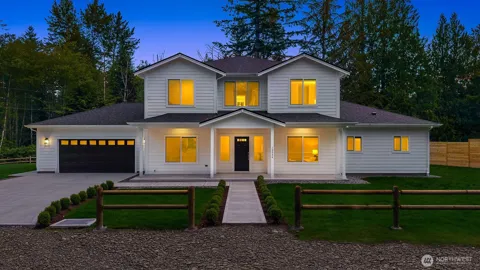
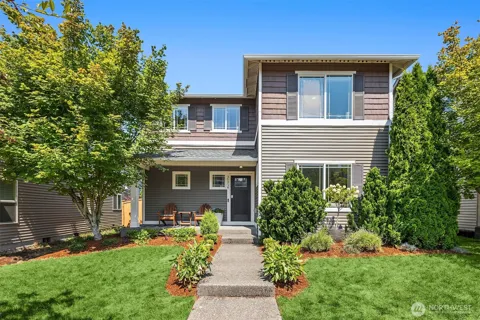
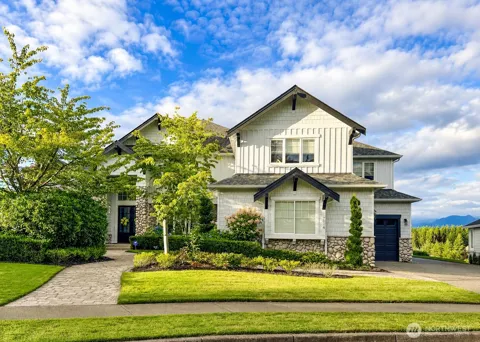
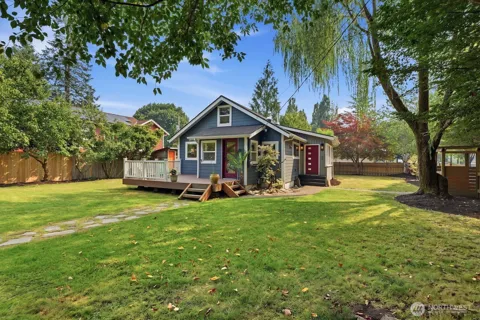
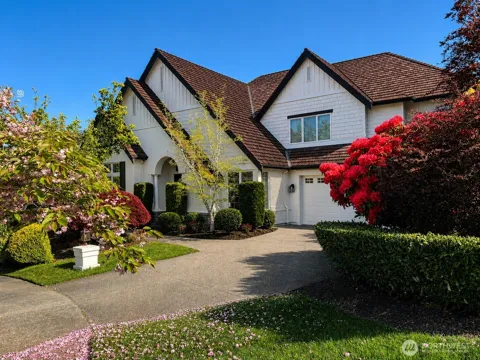
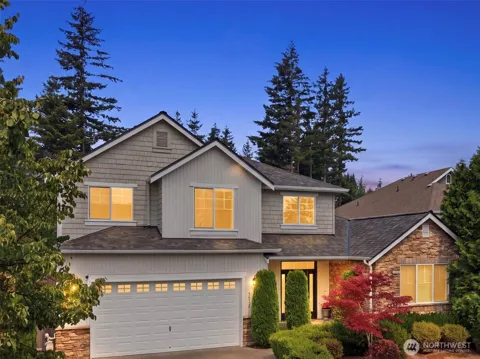
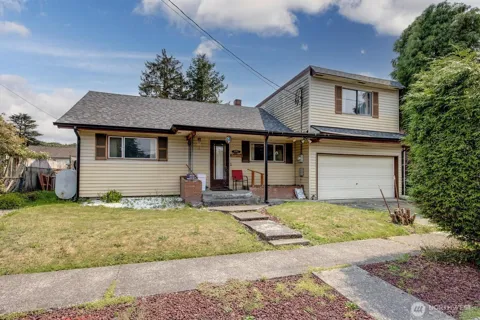
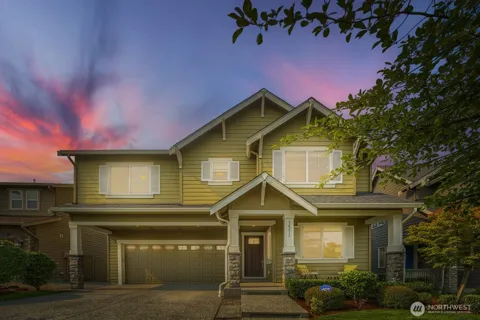
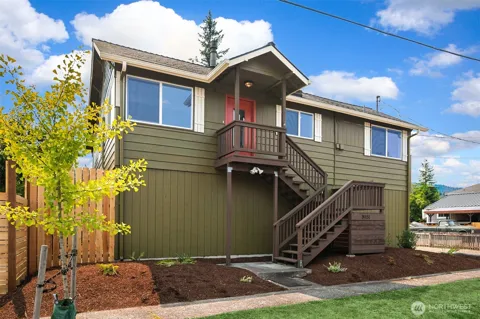
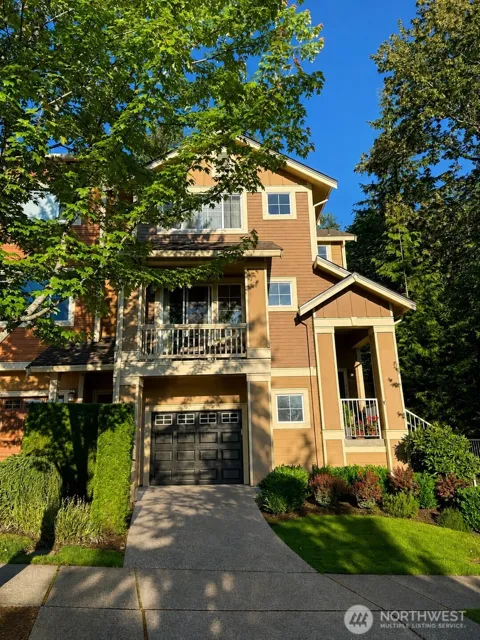
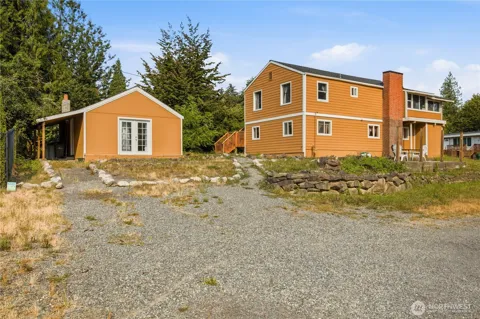
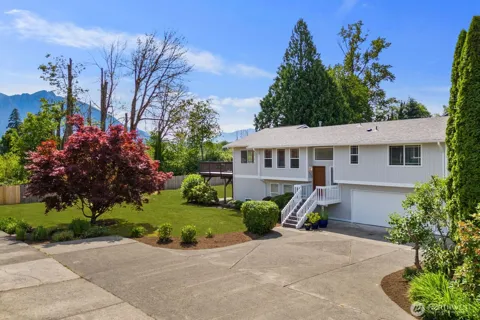
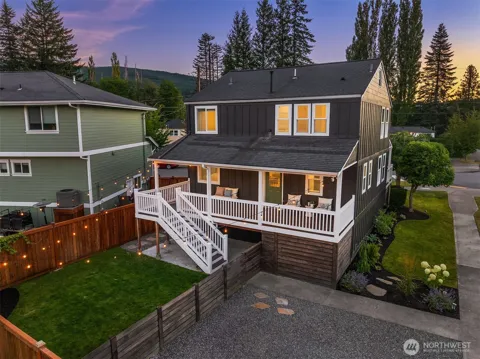
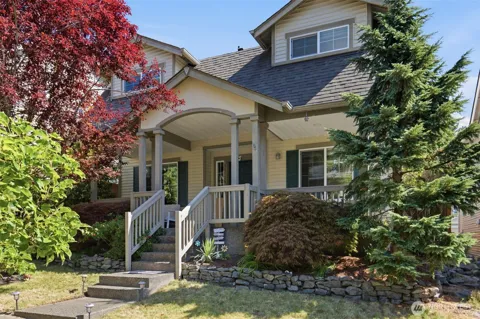
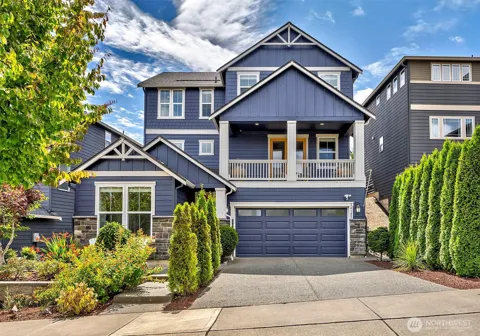
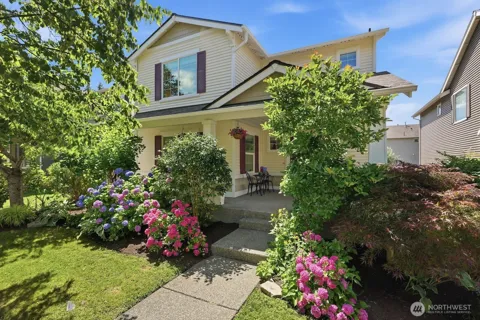
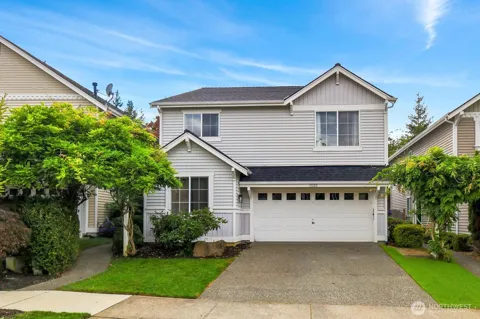
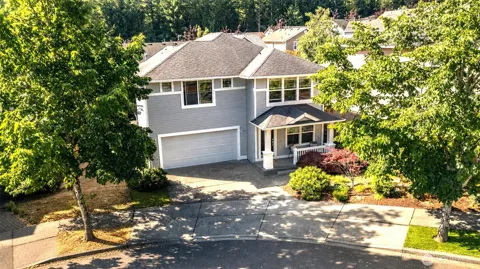
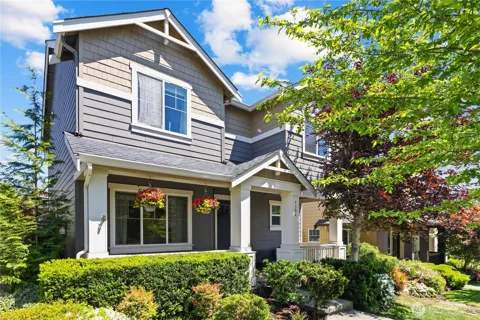
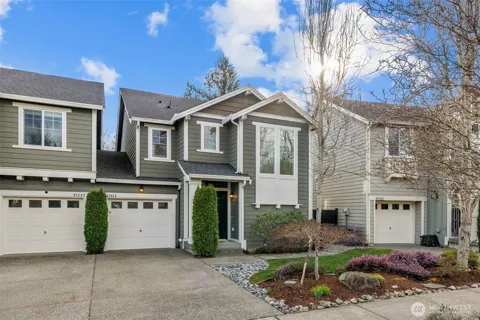
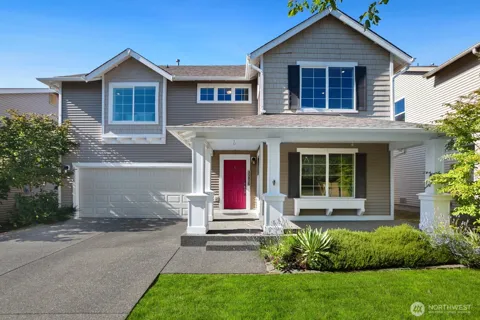
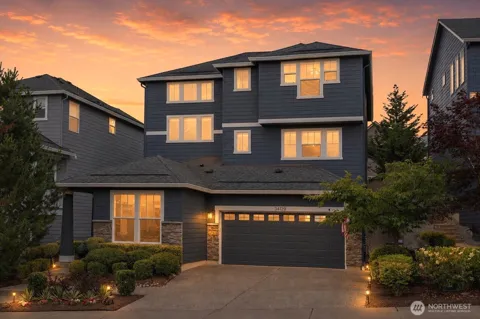
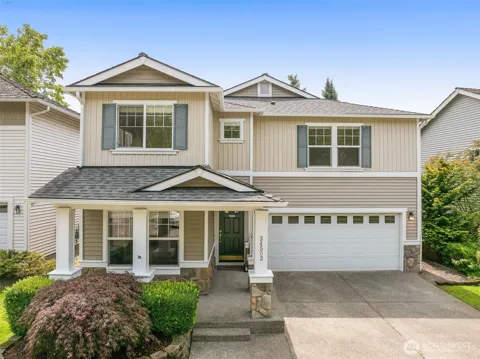
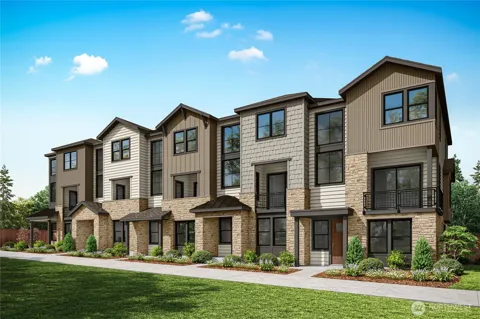
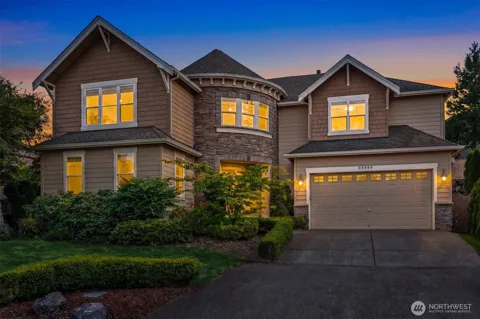
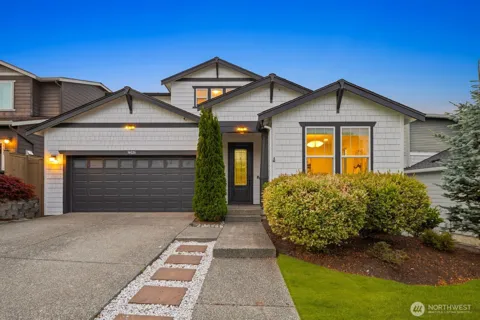
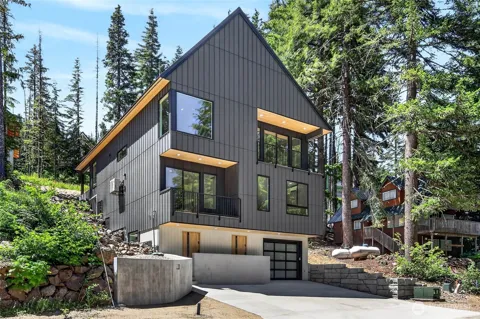
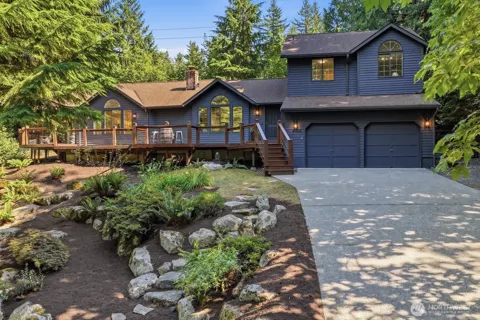
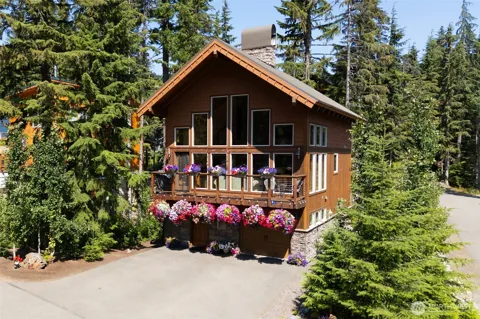
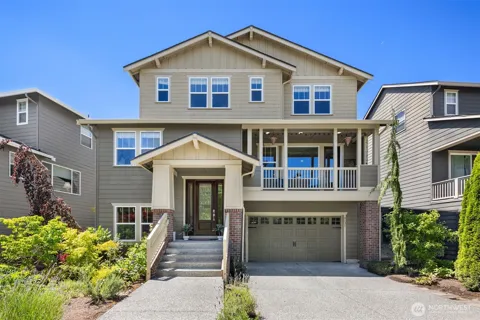
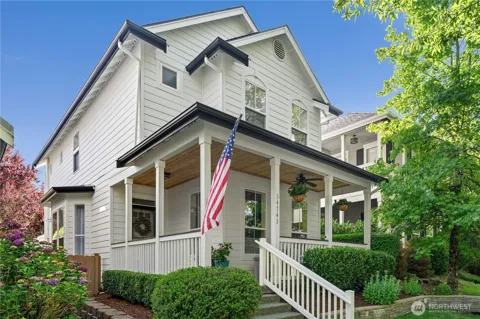
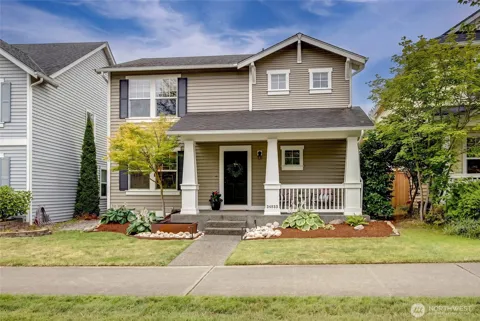
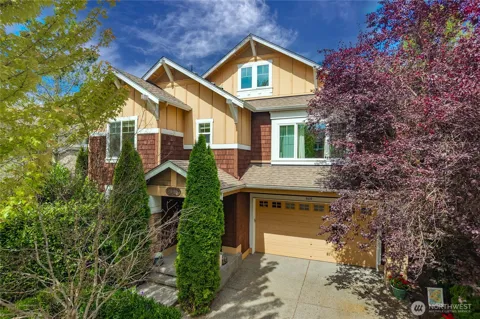
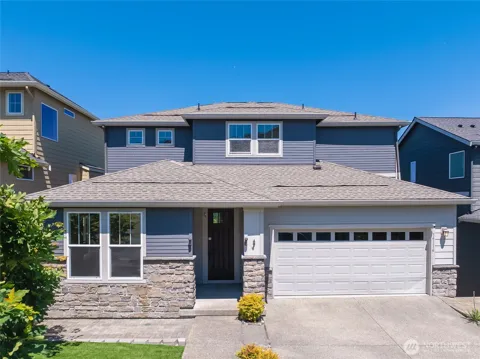
Snoqualmie's housing stock falls into two broad generations. The historic townsite near the falls holds older, smaller homes and a walkable street grid shaped by the railroad era, while the Snoqualmie Ridge plateau is dominated by newer single-family homes, townhomes, and planned subdivisions built from the 1990s onward. The Ridge accounts for much of the city's housing and includes its own schools, parks, and neighborhood commercial areas. Homes are generally set against a backdrop of forests and mountain views, and the market skews toward families seeking newer construction with trail and highway access. Compared with closer-in Eastside suburbs, Snoqualmie offers a more mountain-oriented, forested setting.
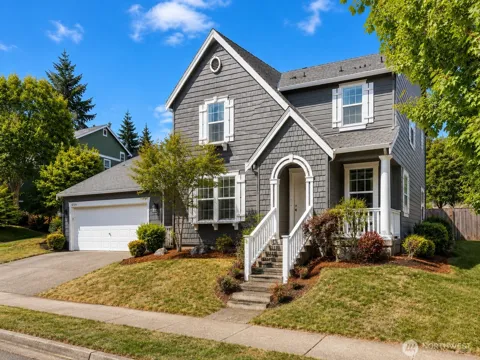
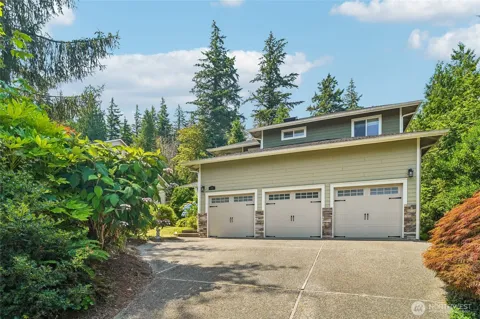
Snoqualmie is defined by two main districts. The historic townsite near Snoqualmie Falls and the river retains the city's original street pattern, older homes, and landmarks such as the Northwest Railway Museum and the downtown core along Railroad Avenue. Above it, Snoqualmie Ridge is a large master-planned plateau community of newer homes, parks, and schools, built around Snoqualmie Parkway and Cascade View Elementary. The Ridge holds most of the city's population and its principal neighborhood shopping. Surrounding these two centers, lower-density streets and forested edges stretch toward the Snoqualmie River and the foothills, giving many homes a quiet, tree-lined setting.
Snoqualmie's lifestyle is built around the outdoors and a strong sense of community. Hiking Mount Si, exploring Rattlesnake Lake and Rattlesnake Ledge, and visiting Snoqualmie Falls are everyday activities rather than special outings. The Northwest Railway Museum and the restored depot anchor a downtown that hosts community gatherings and seasonal events. On the Ridge, neighborhood parks, trails, and schools knit newer residents together. While most shopping and employment lie west along the I-90 corridor, the city's own small-business scene has grown along with its population. It is a place where mountain air, train heritage, and family life overlap.
Public education in Snoqualmie is provided by the Snoqualmie Valley School District, which serves Snoqualmie, North Bend, Fall City, and the surrounding valley. The district operates six elementary schools, three middle schools, Mount Si High School, and the alternative Two Rivers School. Cascade View Elementary sits within Snoqualmie Ridge, keeping younger students close to home. Mount Si High School, expanded over the decades to serve a growing valley enrollment, is a focal point of the community. The district's schools are a significant draw for families relocating to the Eastside for their combination of newer facilities and valley-wide enrollment.
Snoqualmie's transportation is anchored by Interstate 90, which runs along the south side of the city and provides a direct route west to Bellevue and Seattle and east over Snoqualmie Pass to the Cascades and central Washington. Bellevue and Seattle lie about 20 and 27 miles to the west, respectively. Snoqualmie Parkway links the Ridge to I-90 and, via State Route 18, to Auburn and the south King County corridor. The city's I-90 access is among the most direct of any Eastside suburb, though commute traffic toward Seattle can be heavy at peak hours. King County Metro operates bus service through the Snoqualmie Valley connecting North Bend, Snoqualmie, and Issaquah. Seattle-Tacoma International Airport is reached via the I-90 and I-405 corridors.
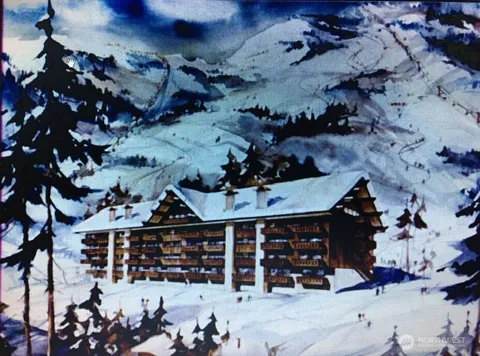
Recreation is Snoqualmie's signature. Snoqualmie Falls draws visitors year-round, while Mount Si's trail system and the Rattlesnake Ledge hike are among the most popular in Washington. Rattlesnake Lake offers a scenic mountain-ringed setting beside the Rattlesnake Ledge trailhead, and the Snoqualmie Valley's trails connect the city to North Bend and the surrounding foothills. The Northwest Railway Museum runs heritage train rides, and the Snoqualmie Valley Trail follows a former rail corridor for walking and cycling. In winter, the ski areas at Snoqualmie Pass lie within about 40 minutes to the east, completing a year-round outdoor calendar.
MARKET SNAPSHOT
How homes have been selling here over the last 90 days.
Market data reflects closed sales over the last 90 days and is provided for informational purposes.
BROWSE BY ZIP
Browse listings by postal code in this area.