U.S. Exclave on the Strait
Welcome to Point Roberts, a quiet U.S. exclave on the Strait of Georgia, south of Vancouver and reachable only through Canada.
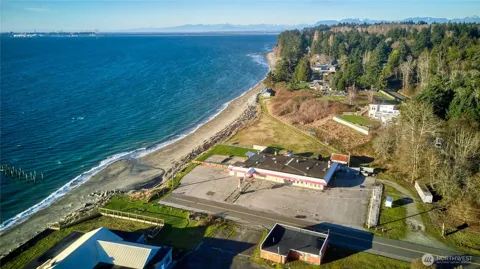
Point Roberts is a census-designated place in Whatcom County, Washington, occupying the southern tip of the Tsawwassen Peninsula, south of Vancouver, British Columbia. It is a geographic rarity: a pene-exclave of the United States, separated from the rest of the country by the 49th parallel and reachable by road only by driving about 25 miles through Canada, or by boat or private aircraft. At the 2020 census, the community recorded a population of 1,191 across its roughly 4.9 square miles. The community's identity is inseparable from its geography. Because daily errands and most services require crossing an international border, Point Roberts operates with a level of self-sufficiency and isolation unusual for a U.S. town. Its population is older, with a median age around 58, and heavily seasonal, as many of its homes are owned by Canadians who use them as summer cottages, drawn by the quiet shoreline and the community's proximity to Vancouver. Point Roberts' defining natural asset is the Strait of Georgia. Lighthouse Marine Park, a 21-acre oceanfront park on the southwest shore, is regarded as one of the best places to view orca whales from land, and the Whale Trail there draws wildlife watchers for whales, sea lions, and seabirds. The community also offers beaches, a marina, and boating. Public school students attend the small primary school in the community, part of the Blaine School District. For residents, Point Roberts offers a peaceful, waterfront way of life in a setting unlike anywhere else in the United States, with the trade-off of border-dependent access to the rest of the country.
Point Roberts is in Whatcom County, Washington, on the southern tip of the Tsawwassen Peninsula, south of Vancouver, British Columbia. It is a U.S. exclave separated from the rest of the country by Canadian territory.
Point Roberts is reached from the rest of the United States by driving about 25 miles through Canada, or by boat or private aircraft, because it is a pene-exclave cut off from the rest of Washington by the 49th parallel.
Point Roberts is known for Lighthouse Marine Park, a 21-acre oceanfront park on the Strait of Georgia that is one of the best places to view orca whales from land, along with its beaches, marina, and quiet seasonal character.
City Guide
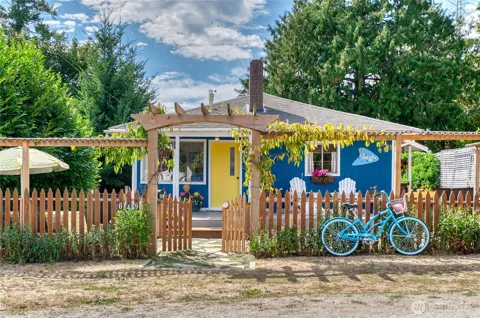
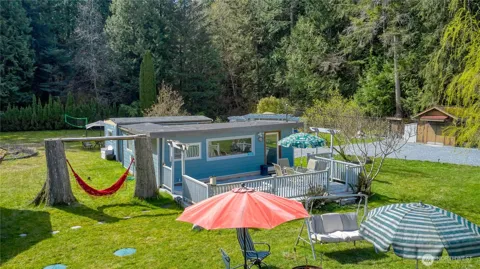
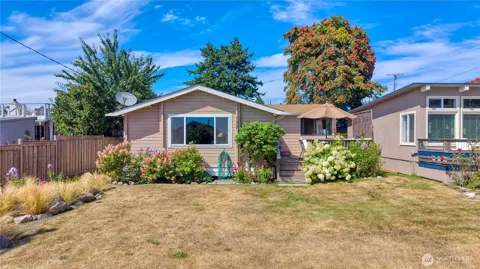
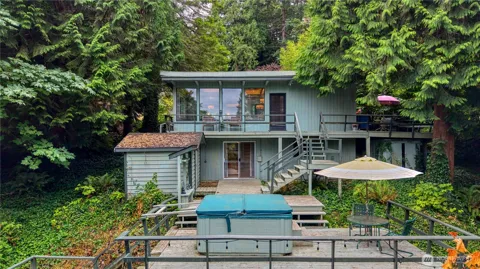
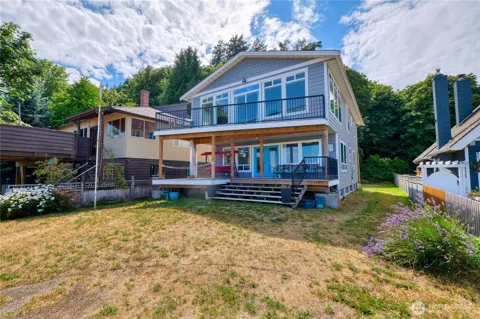
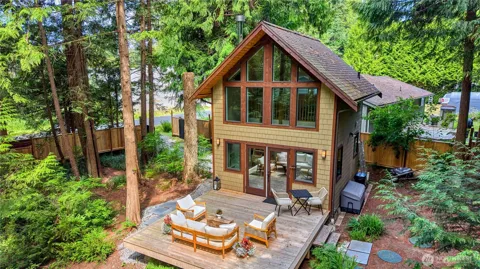
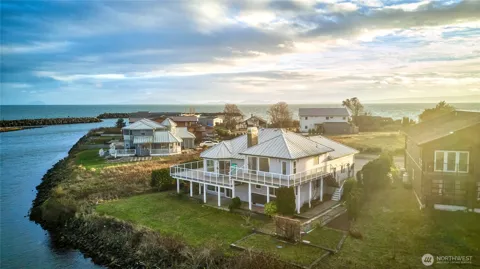
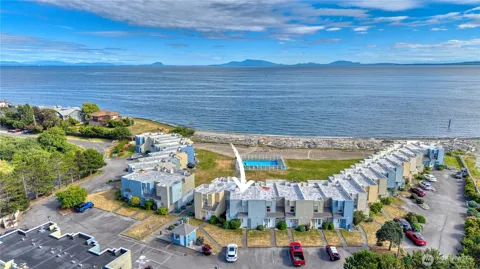
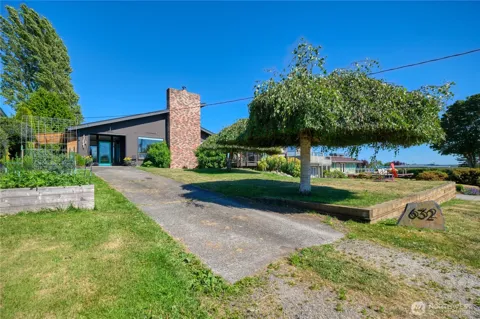
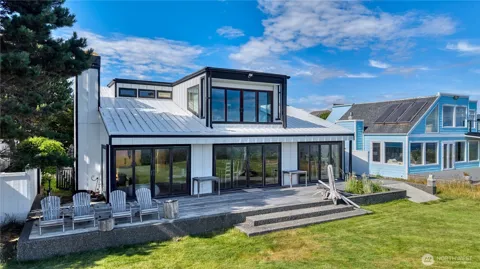
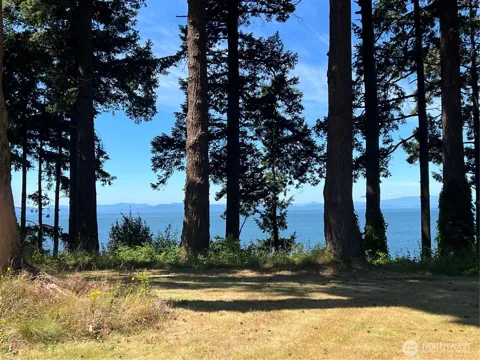
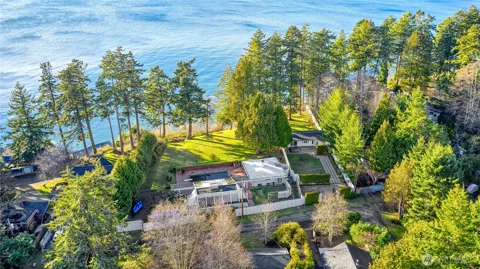
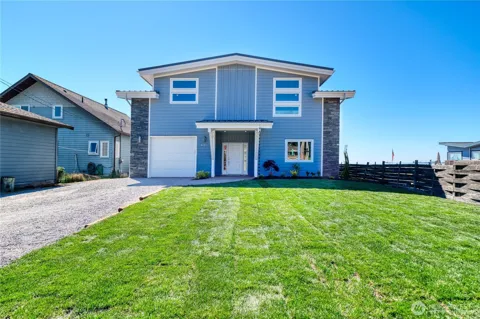
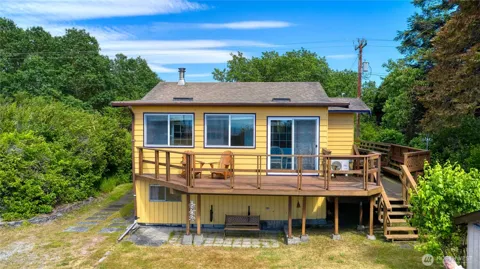
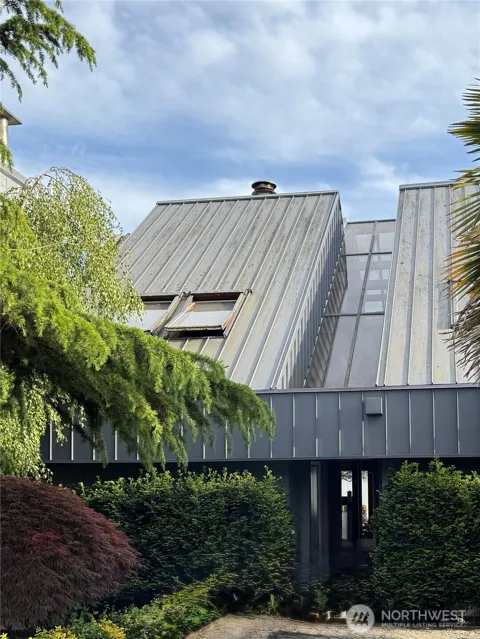
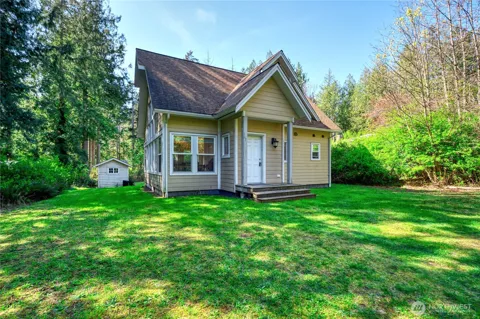
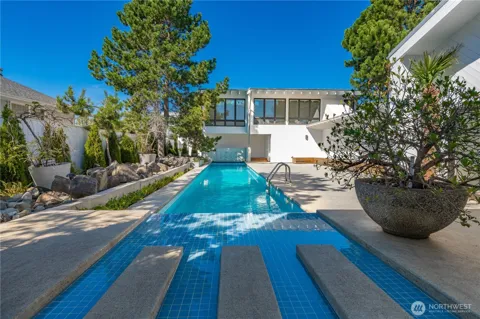
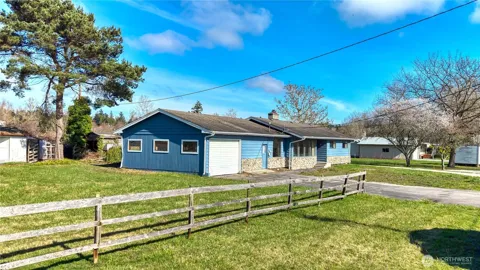
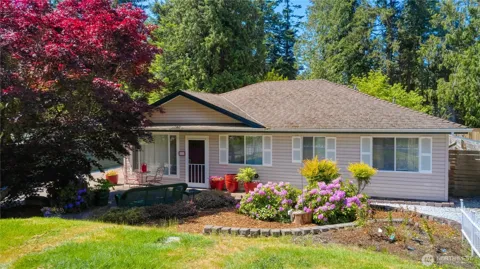
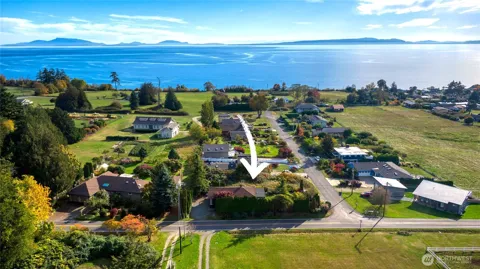
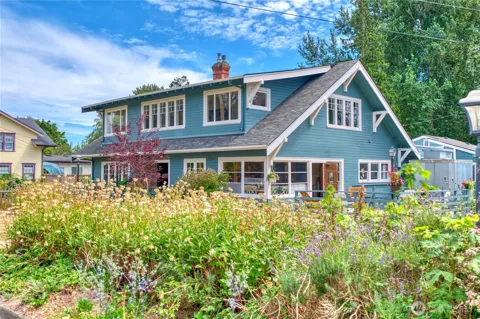
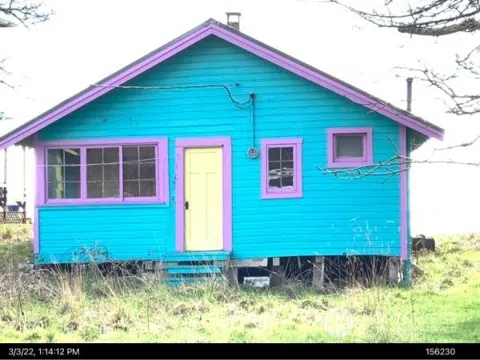
Housing in Point Roberts consists largely of single-family cottages, waterfront homes, and modest residences spread across the peninsula, with a significant share owned as seasonal or vacation properties, many by Canadian buyers. The stock is established and low-density, with some homes offering beach or strait views and others set in wooded lots. Because the community is remote and access requires crossing an international border, the market operates differently from typical Washington towns, and demand is tied closely to its appeal as a getaway. Buyers are drawn by waterfront access, privacy, and proximity to Vancouver, accepting the unique logistical realities of the exclave.
Point Roberts functions as a single, loosely organized community rather than a collection of named neighborhoods. Development spreads across the 4.9-square-mile peninsula, with the small commercial area, the primary school, and the marina forming local anchors. Lighthouse Marine Park occupies the southwest shore, and residential and vacation homes are scattered among wooded lots and along the coastline. The border crossing and the road to Canada frame the community's northern edge, while the Strait of Georgia bounds it on the other sides. For residents, the distinction is between waterfront, village, and more secluded inland properties, all within a few minutes of one another.
Life in Point Roberts is defined by its unusual geography and its waterfront setting. It is a quiet, low-density community where a border crossing is part of everyday life, since most errands, shopping, and services require driving through Canada to reach the rest of Washington. The population is small, older, and heavily seasonal, with many homes owned by Canadians who use them as summer cottages. Days revolve around the water: beach walks, boating, whale watching, and fishing on the Strait of Georgia. The pace is unhurried and resort-like, and residents accept the logistical trade-offs for the sake of the community's scenic, peaceful isolation.
Point Roberts is served by the Blaine School District, which operates a small primary school within the community, allowing younger children to attend school locally without crossing the border each day. Older students travel to Blaine for middle and high school, a commute that requires crossing into Canada and back through the border each school day, a distinctive feature of life in the exclave. Higher education is available in Bellingham at Western Washington University and other institutions, though access also involves the border crossing. The small student population reflects the community's older, seasonal demographic.
Point Roberts is unique in the United States for its transportation situation. Road access requires driving about 25 miles through Canada, crossing the border at the Point Roberts–Boundary Bay crossing and then again to reach the rest of Washington. There is no ferry service, so residents and visitors also reach the community by private boat or small aircraft. The nearest U.S. city, Blaine, and the Bellingham area are reached via the Canadian road network, while Vancouver and its airport are actually closer than any major U.S. city. This border-dependent access is a defining, everyday consideration for anyone living in or visiting Point Roberts.
Recreation in Point Roberts is centered on the Strait of Georgia and the peninsula's shoreline. Lighthouse Marine Park, a 21-acre oceanfront park, offers rocky beach access, walking, and some of the best land-based orca and wildlife viewing in the region, with the Whale Trail running through the area. Residents and visitors boat, fish, and kayak along the coast, and the marina supports recreational boating. The quiet roads and wooded terrain lend themselves to walking and cycling, and the community's beaches provide seasonal swimming and beachcombing. The natural setting, more than any built amenity, defines recreation here.
MARKET SNAPSHOT
How homes have been selling here over the last 90 days.
Market data reflects closed sales over the last 90 days and is provided for informational purposes.
BROWSE BY ZIP
Browse listings by postal code in this area.