Cascade Foothill Town
Welcome to Morton, a Lewis County logging town in the Cascade foothills of Washington, set among Mount Rainier, Mount St. Helens, and the Gifford Pinchot National Forest.
Morton sits in the foothills of the Cascade Range in Lewis County, Washington, in the southwestern part of the state. The town was settled in 1871 and incorporated on January 6, 1913, and it takes its name from Levi P. Morton, who served as vice president under President Benjamin Harrison. From its earliest years, Morton was tied to the forests that surround it, developing as an isolated logging town that drew young men to the timber camps of the Cascades. The town's industrial heritage is distinctive. Morton became a significant producer of railroad ties, earning a reputation as the "tie mill capital of the world" as its mills turned out the heavy timbers that carried railroads across the West. That logging era shaped the community's culture and character, and its echoes remain in the town's identity today, even as the timber industry has changed. The local heritage is remembered with a certain rugged, frontier pride that marks the community's self-image. Morton's modern appeal rests on its location. The town lies within reach of Mount Rainier National Park, Mount St. Helens National Volcanic Monument, and the Gifford Pinchot National Forest, making it a base for hiking, fishing, hunting, and mountain recreation. Riffe Lake and local parks such as Gust Backstrom Park and Jubilee Park provide additional outdoor access. The Morton School District serves local students. For residents, Morton offers a small, owner-occupied community with a genuine timber-town history and immediate access to some of Washington's most dramatic mountain landscapes. The town markets itself with the phrase "breathe easy in the mountains," a fitting summary of its quiet, forested way of life.
Morton is in Lewis County, Washington, in the foothills of the Cascade Range in the southwestern part of the state. It sits among the forests and mountains that define the region east of Interstate 5.
Morton is known for its logging heritage and its history as a major producer of railroad ties, earning a reputation as the tie mill capital of the world. The town was settled in 1871 and developed as a timber community.
Morton is served by the Morton School District, which educates students from the city and the surrounding rural area of eastern Lewis County. The district provides the community's public schools from elementary through high school.
Morton sits near Mount Rainier National Park, Mount St. Helens National Volcanic Monument, and the Gifford Pinchot National Forest. Riffe Lake and local parks such as Gust Backstrom Park and Jubilee Park are also nearby.
Morton is named for Levi P. Morton, who served as vice president of the United States under President Benjamin Harrison. The city was settled in 1871 and incorporated on January 6, 1913, as a small Cascade foothill town.
City Guide
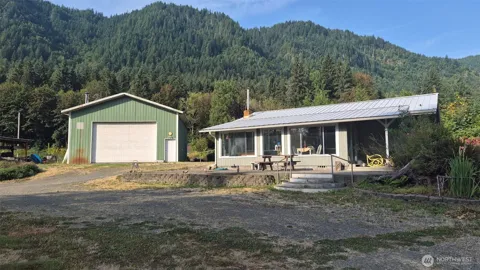
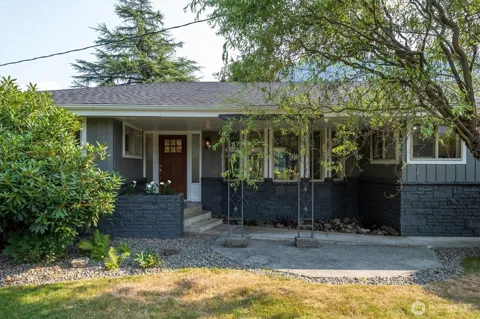
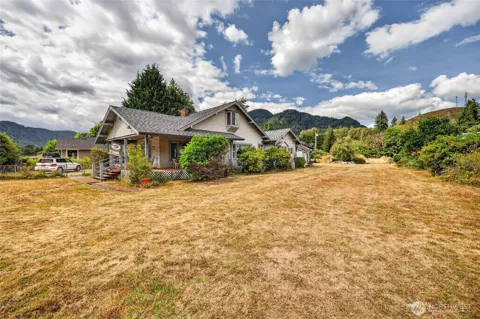
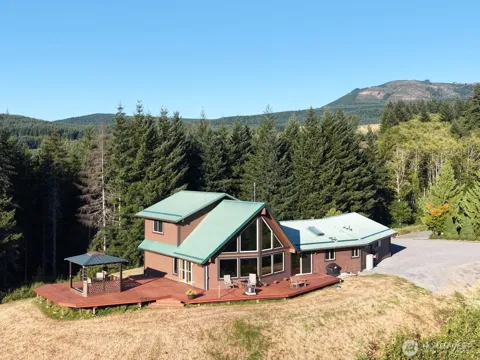
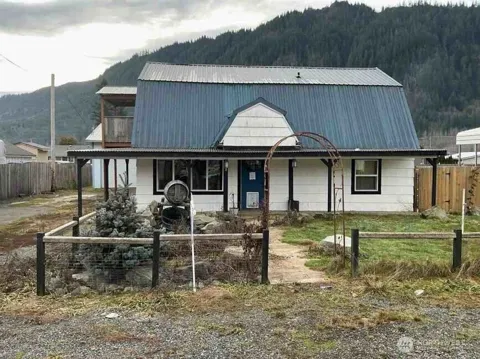
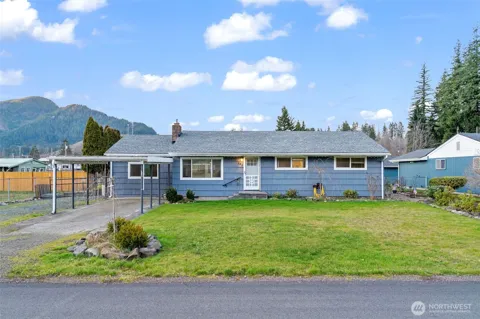
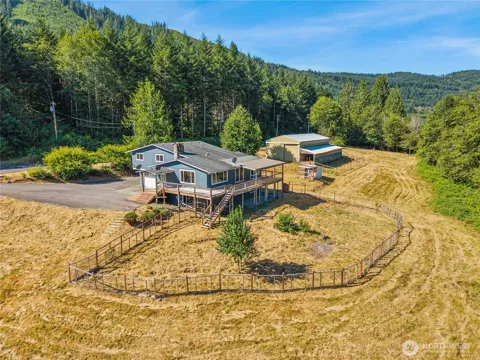
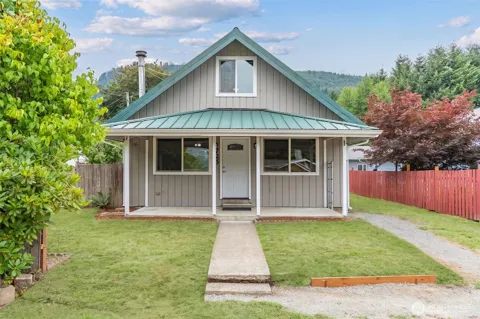
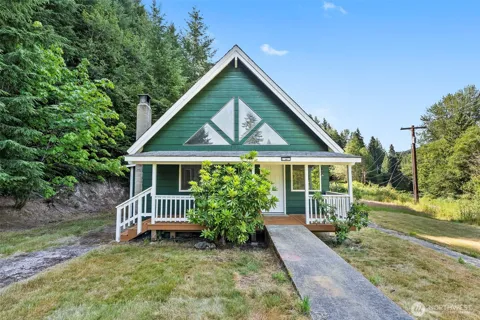
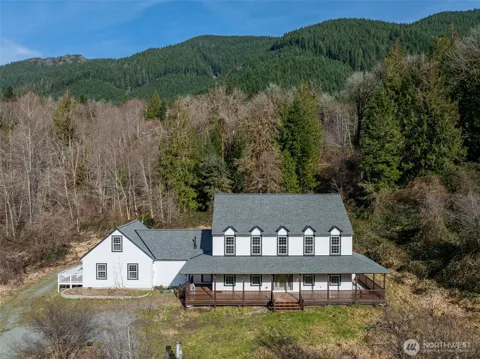
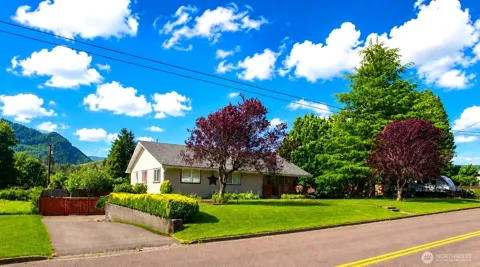
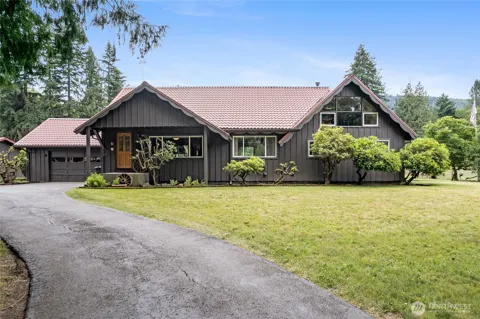
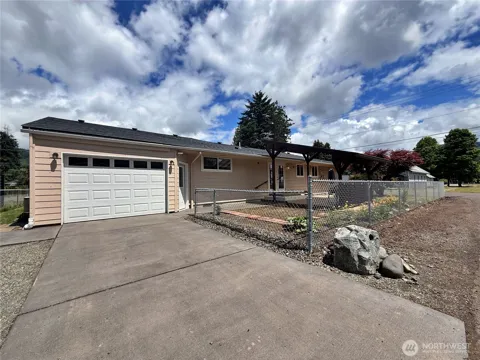
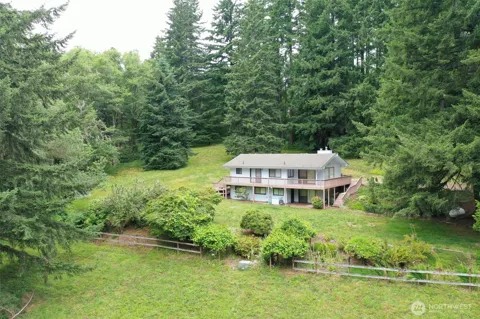
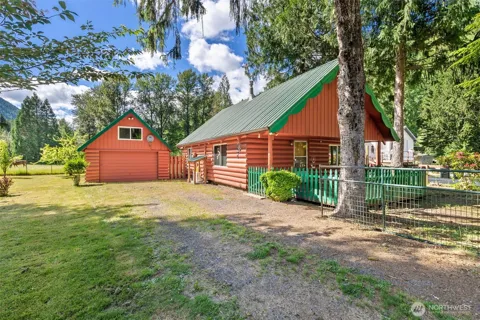
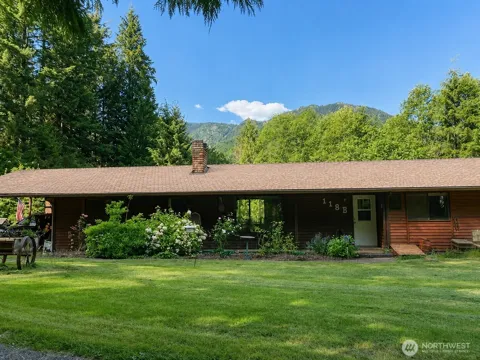
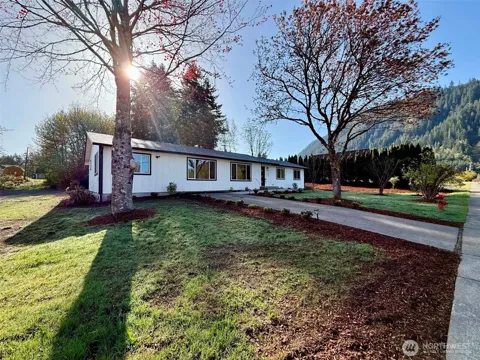
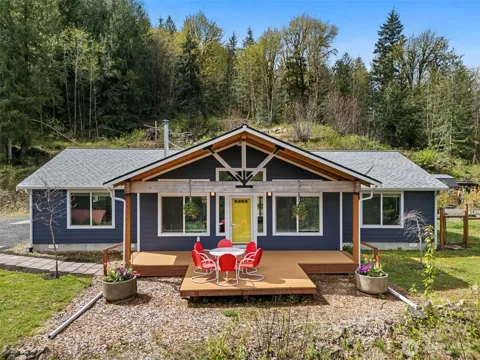
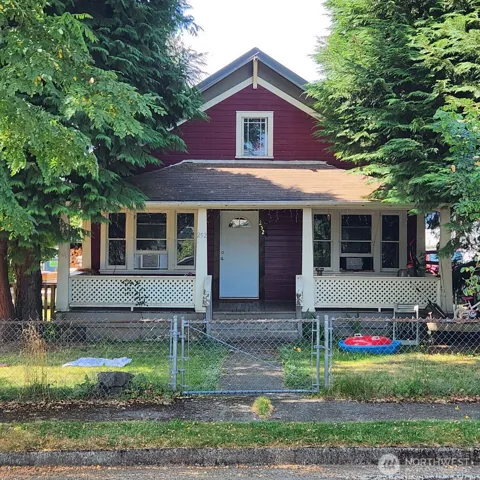
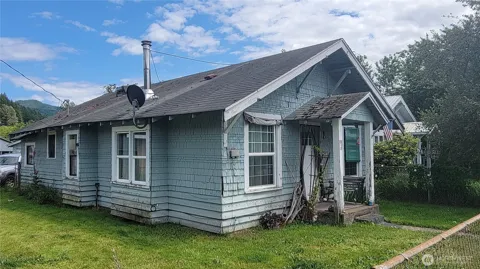
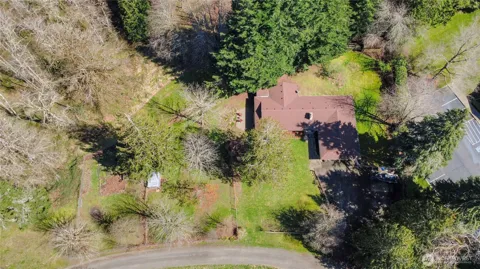
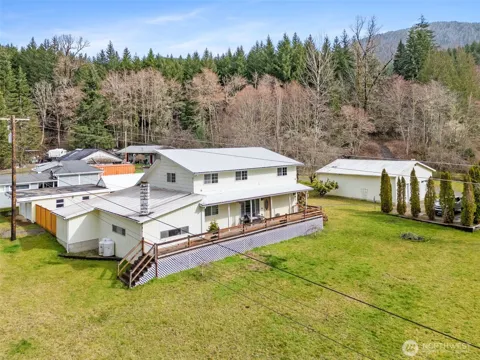
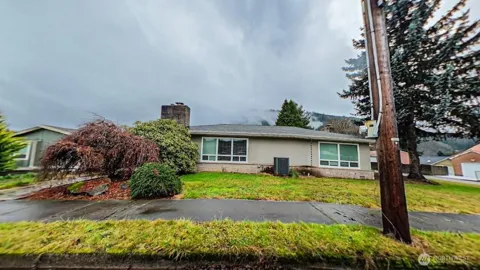
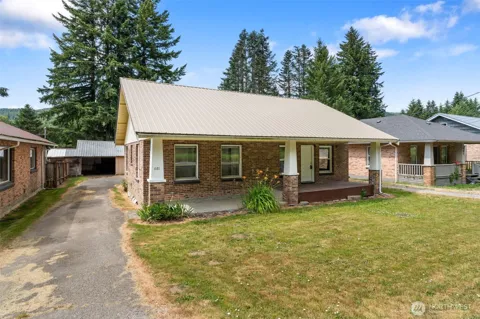
Morton's housing reflects its small-town, mountain setting. Modest single-family homes line the streets near the town center, with a mix of older houses from the community's logging-era boom and more recent construction. Larger lots and forested acreage are available on the edges of town, where the community blends into the surrounding Cascade foothills. The market is overwhelmingly owner-occupied and oriented toward detached single-family homes. For buyers seeking an affordable, mountain-adjacent home base within reach of national parks and forest recreation, Morton offers an unhurried market with the character of a historic timber town.
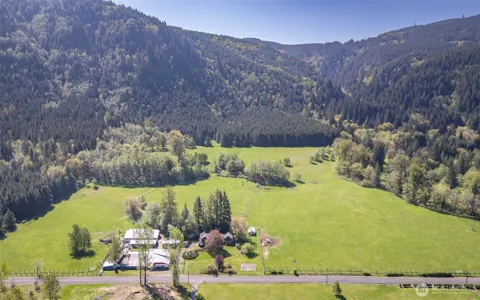
Morton is a compact town organized around a traditional main street and the residential blocks that surround it. The town center holds the community's businesses, school, and civic buildings, while residential streets extend outward into quiet, tree-lined neighborhoods. Beyond the city limits, the landscape opens into the forests and foothills of the Cascade Range, so town and timberland sit close together. This layout gives Morton the cohesive, small-town structure of a historic logging community, where the forested surroundings are never far from the center of town.
Life in Morton is shaped by the forests and mountains that surround it. The town's logging heritage lingers in its culture and character, while the surrounding Cascade foothills offer an outdoor-oriented way of life. Residents are within reach of Mount Rainier National Park, Mount St. Helens, and the vast Gifford Pinchot National Forest, making hiking, fishing, hunting, and snow sports part of the local rhythm. Riffe Lake and the town's parks provide closer-to-home recreation. The pace is unhurried and community-centered, with the town's small size fostering a close-knit feel. For those drawn to mountain living with a genuine timber-town history, Morton offers an authentic Pacific Northwest setting.
Morton is served by the Morton School District, which educates students from the city and the surrounding rural area of eastern Lewis County. The district provides the community's public schools from elementary through high school, keeping education local and closely tied to the town's identity. As in many small mountain communities, the school system functions as a central gathering point, with athletics and school events drawing residents together. For a town of roughly 1,000 people, the local schools provide both an educational foundation and a focal point of community life.
Morton is reached via the highway network of eastern Lewis County, positioned in the Cascade foothills within driving distance of the region's larger towns and the Interstate 5 corridor to the west. The town's location places it on the route toward the mountain recreation areas of the Gifford Pinchot National Forest and the Cascade passes. As in most small mountain communities, personal vehicles are the dominant mode of transportation, and the surrounding roads connect Morton to the broader southwest Washington region while the town itself remains quiet and low-traffic.
Recreation around Morton is defined by the surrounding Cascade landscape. Mount Rainier National Park, Mount St. Helens National Volcanic Monument, and the Gifford Pinchot National Forest put hiking, camping, fishing, hunting, and winter recreation within easy reach. Riffe Lake, a large reservoir nearby, offers boating and fishing, while the town's own parks—including Gust Backstrom Park and Jubilee Park—provide closer-to-home outdoor space. The region's forests and mountains make Morton a natural base for an outdoor-oriented lifestyle, from day hikes to backcountry excursions in one of Washington's most scenic corners.
MARKET SNAPSHOT
How homes have been selling here over the last 90 days.
Market data reflects closed sales over the last 90 days and is provided for informational purposes.
BROWSE BY ZIP
Browse listings by postal code in this area.