Grays Harbor Lumber Town
Welcome to Hoquiam, a Grays Harbor city on Washington's coast whose lumber-town roots still shape its waterfront and its annual Logger's PlayDay.
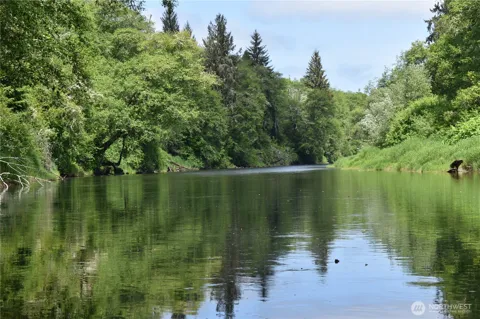
Hoquiam is a city in Grays Harbor County, Washington, at the western end of Grays Harbor, the broad, shallow estuary where the Chehalis River meets the Pacific Ocean. With a population of about 8,700, it sits immediately west of Aberdeen, its larger neighbor and longtime rival; the two cities share a common economic history in lumbering and exporting while maintaining separate identities. Hoquiam's name is the local rendering of a Native American term for the area, and the city has anchored the harbor's industrial and maritime life since the late 19th century. Timber built Hoquiam. From the early logging and sawmill era through the rise of plywood, pulp, and paper in the 1920s — when the Grays Harbor Pulp and Paper Company began production — the city grew as a center for turning the Olympic Peninsula's vast forests into lumber and finished wood products. That legacy is visible in the city's waterfront, its older neighborhoods of mill-era homes, and institutions such as the Polson Museum, housed in a lumber baron's mansion and holding one of the region's finest collections of logging history. The annual Logger's PlayDay each September keeps the heritage alive with logging competitions and community celebration. The economy has diversified beyond timber over the decades, but the harbor remains central to Hoquiam's identity, supporting shipping, seafood, and maritime services alongside public employment. The city's setting gives it access to the Olympic Peninsula's outdoor riches: the Olympic National Forest rises to the north, and the Pacific beaches and the Quinault and Hoh rainforests lie within reach to the west and northwest. For residents, Hoquiam offers the character of a historic harbor town — older homes, a real downtown, and a working waterfront — at a scale and cost far below the Puget Sound cities to the east. It is a place shaped by industry and weather, with the ocean, the forest, and the harbor all close at hand.
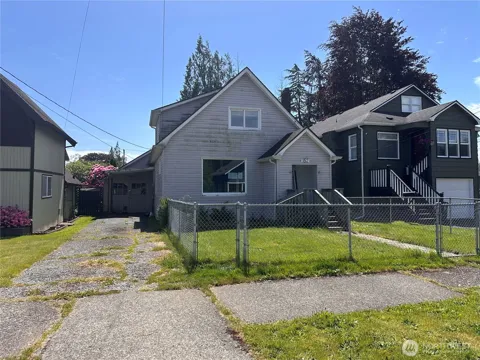
Hoquiam is in Grays Harbor County, Washington, on the Pacific coast. The city sits at the western end of Grays Harbor, immediately west of Aberdeen, and the two cities share a long history in lumbering and shipping.
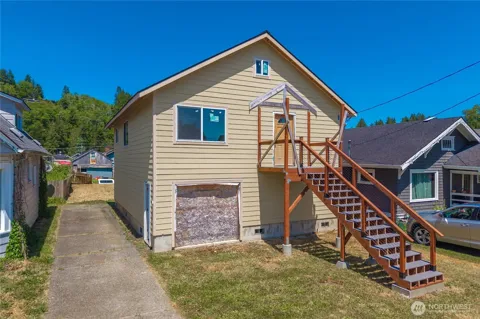
Hoquiam is pronounced roughly 'HO-kwee-əm,' sometimes remembered as rhyming with 'requiem.' The name derives from a Native American term for the area, reflecting the harbor setting that has defined the city since its settlement, and locals readily help newcomers with the pronunciation.
Hoquiam is known for its lumber and shipping history as a Grays Harbor mill town. The Polson Museum preserves that logging heritage, and the city celebrates it each September with Logger's PlayDay, featuring logging competitions and community events.
Hoquiam and Aberdeen are adjacent Grays Harbor cities that share a common economic history in lumbering and exporting. The two have maintained a long, friendly rivalry, with Hoquiam to the west and Aberdeen — its larger neighbor — to the east.
Hoquiam is close to the Olympic National Forest, the Pacific beaches, and Grays Harbor itself. Boating, fishing, and crabbing are popular on the harbor, while the Quinault and Hoh rainforests and Olympic National Park lie within reach to the north and west.
City Guide
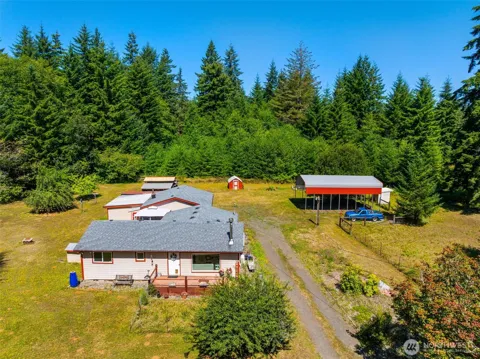
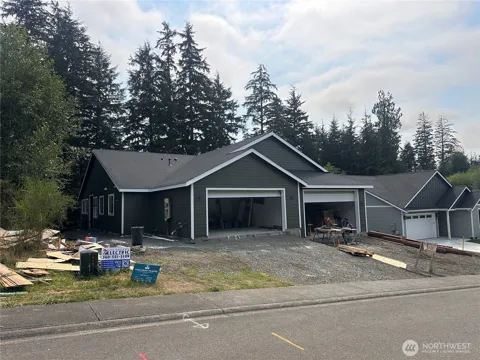
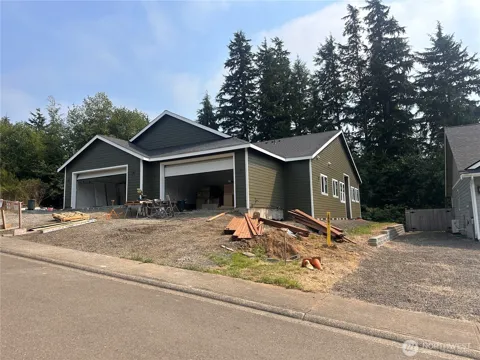
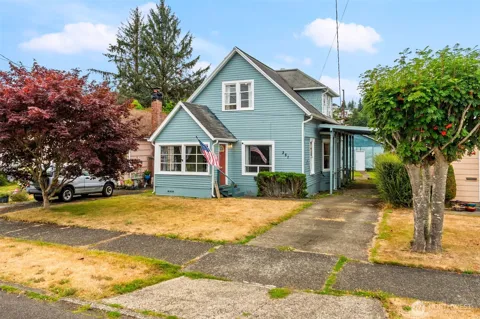
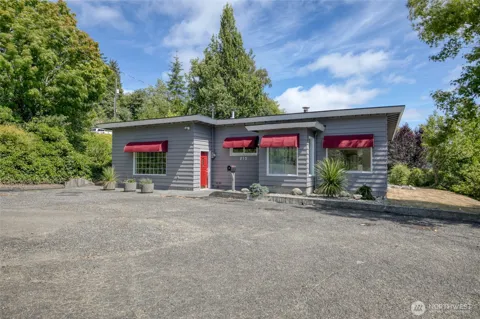
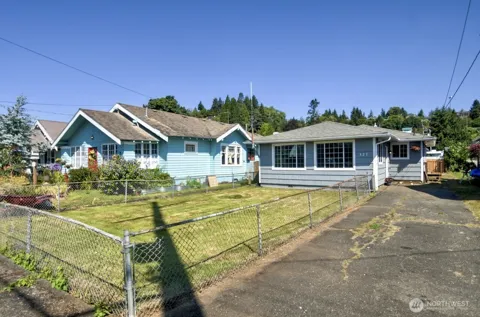
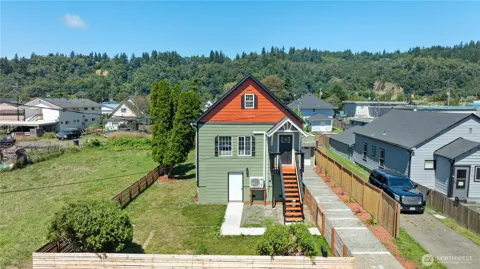
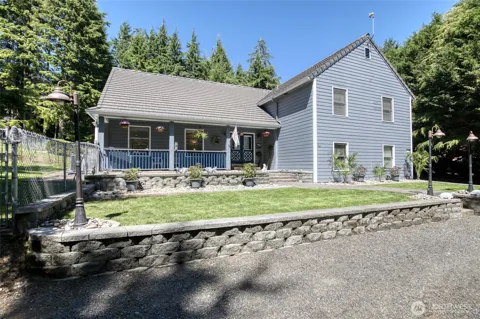
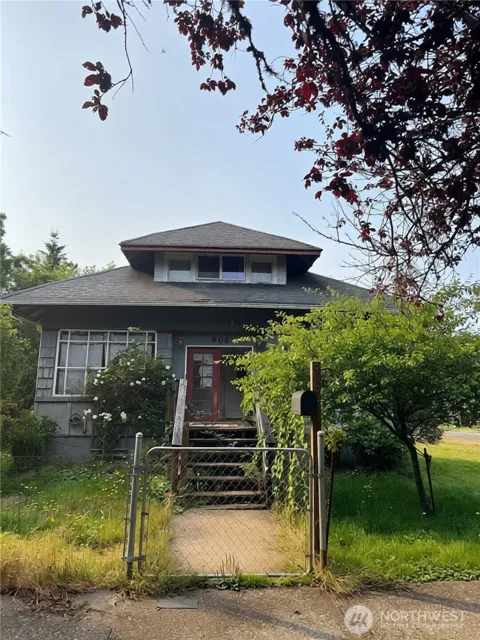
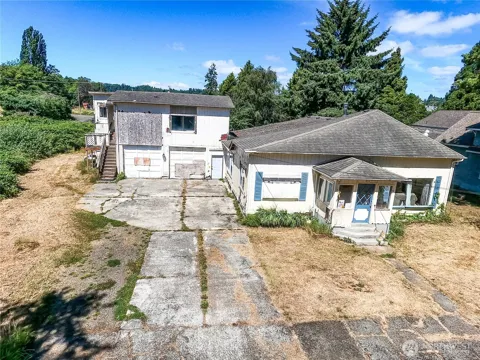
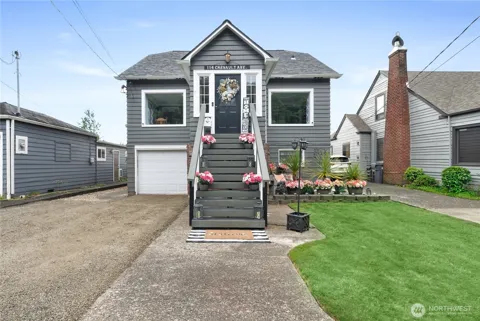
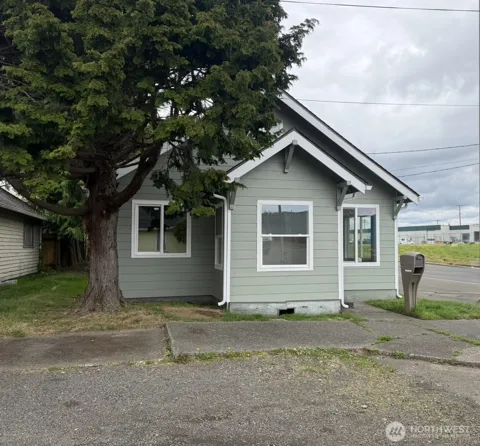
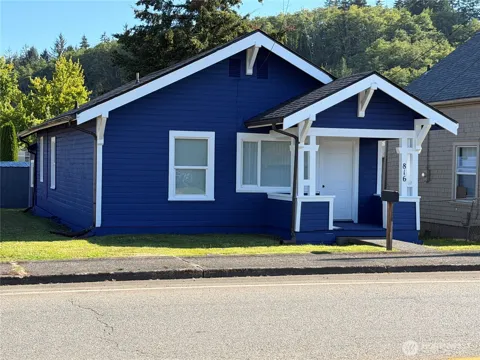
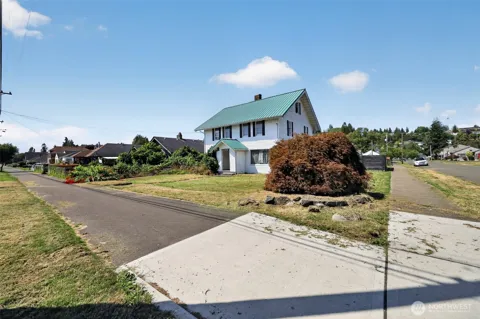
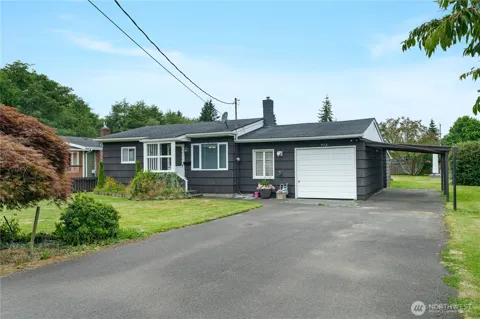
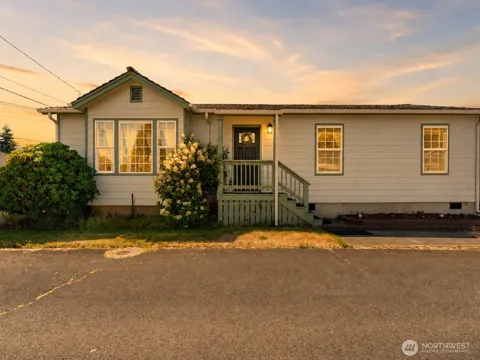
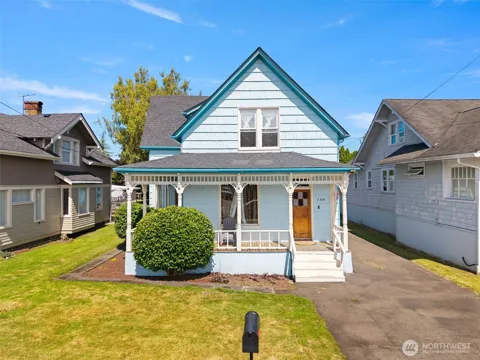
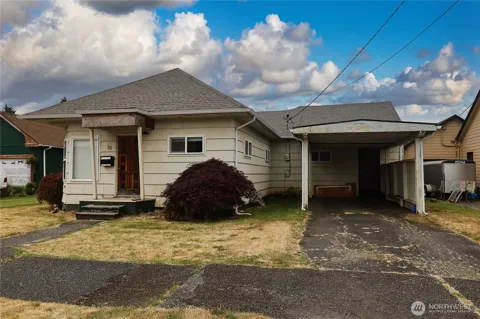
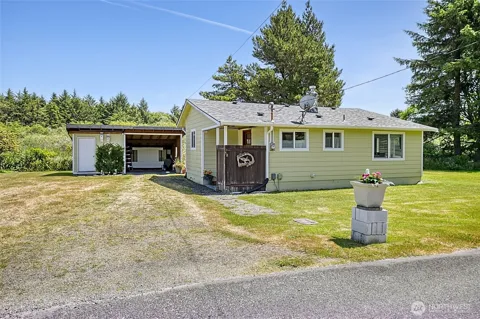
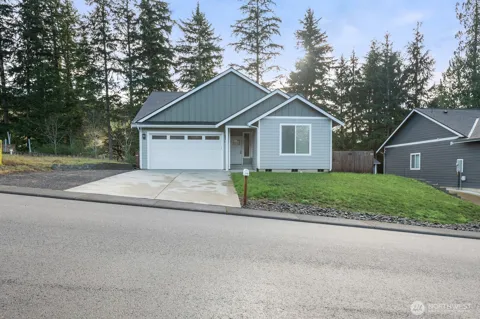
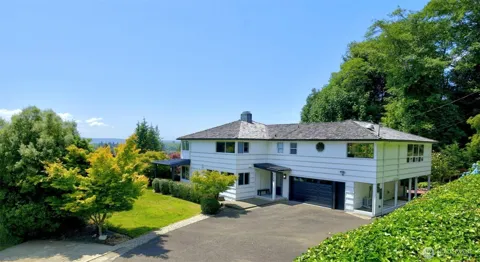
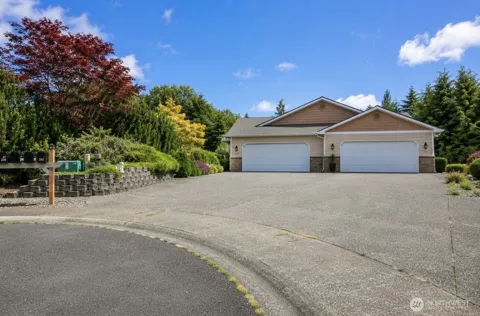
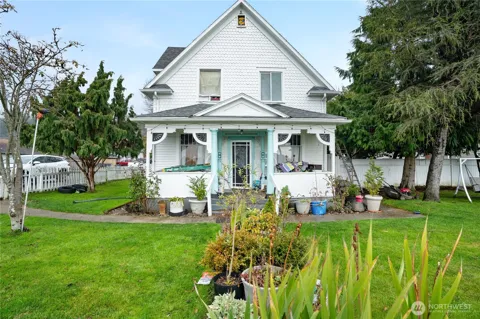
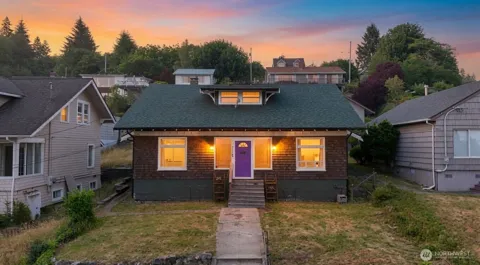
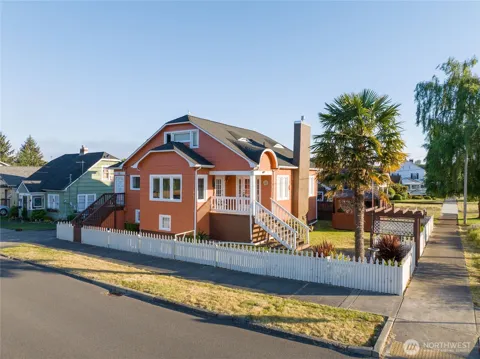
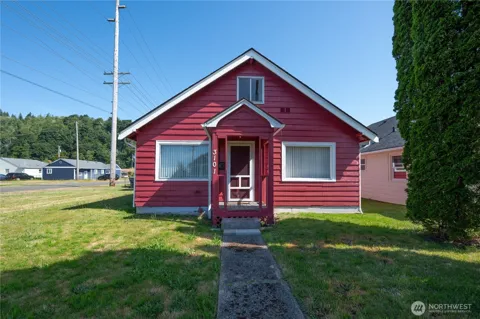
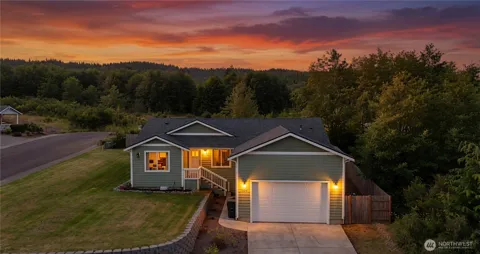
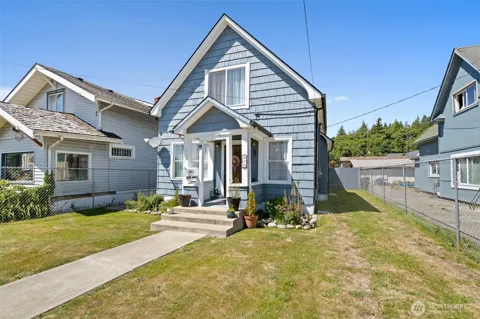
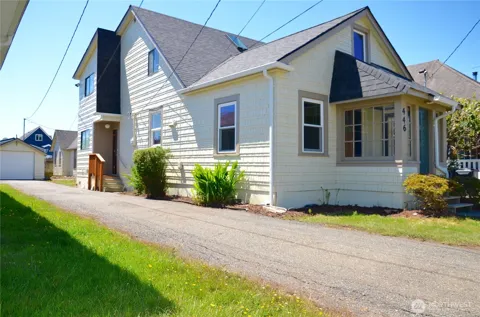
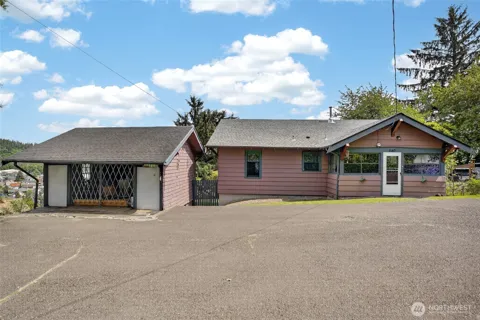
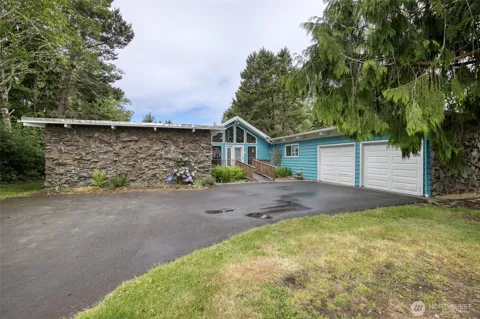
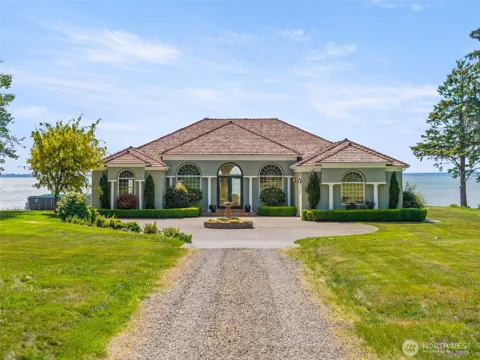
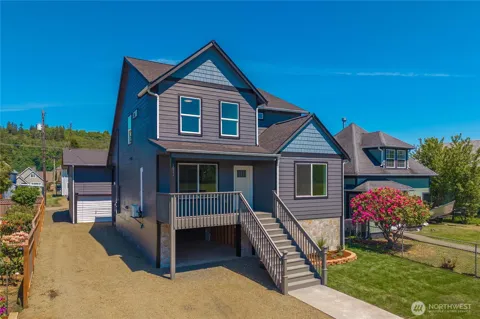
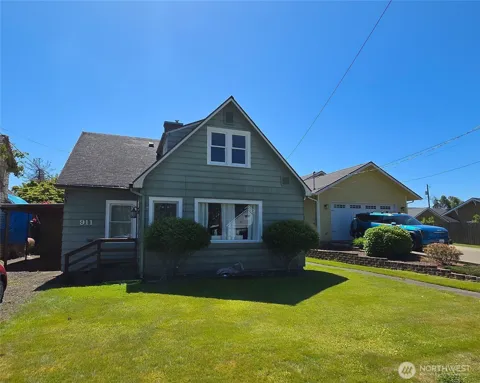
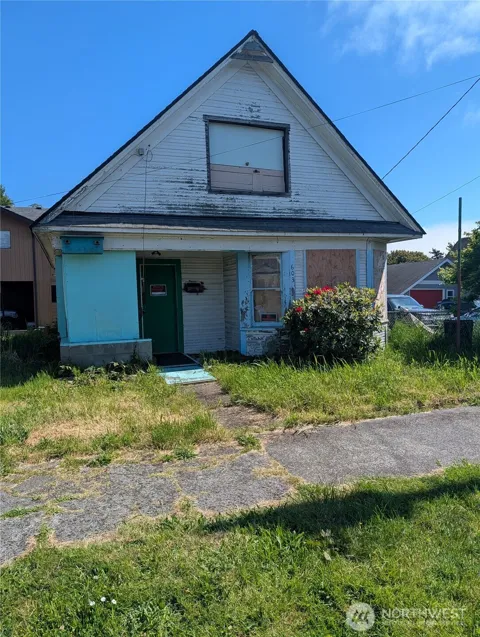
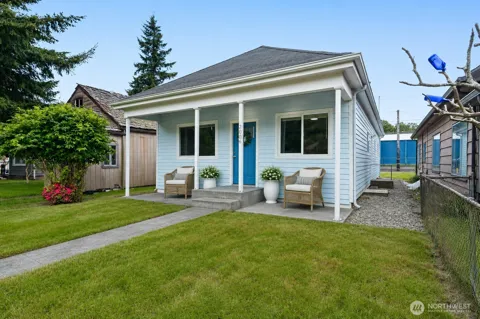
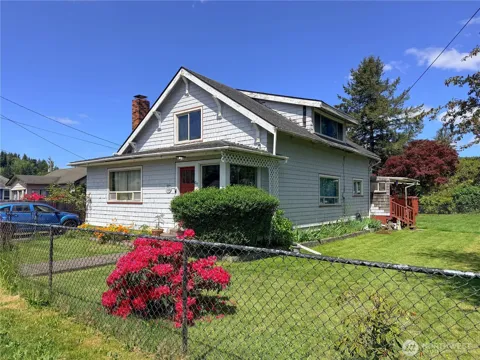
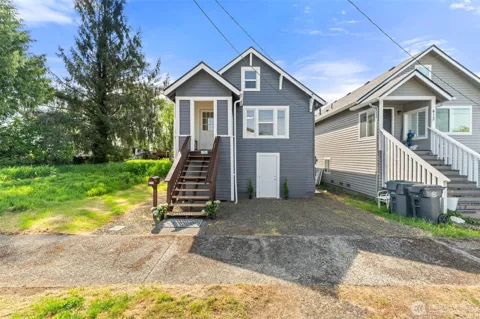
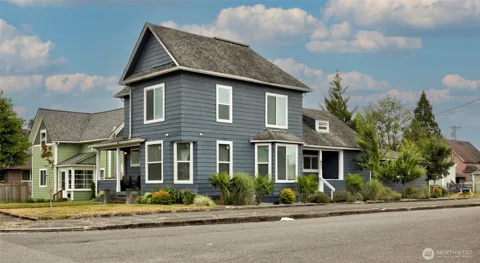
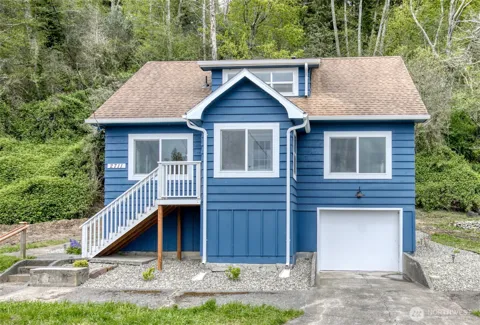
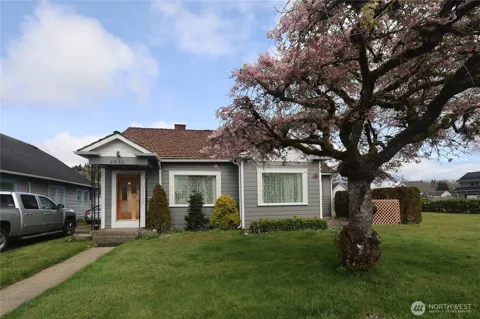
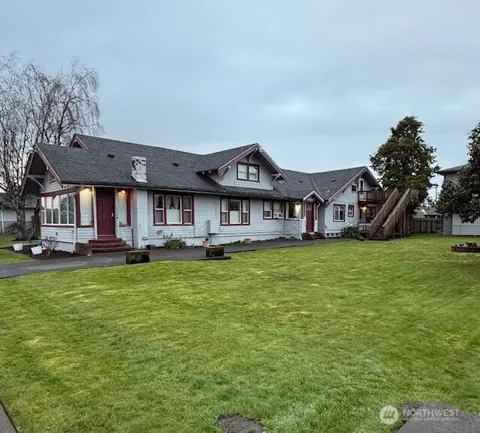
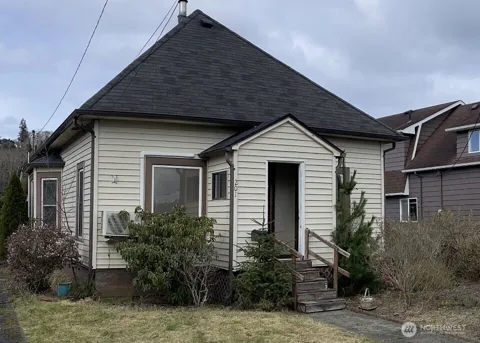
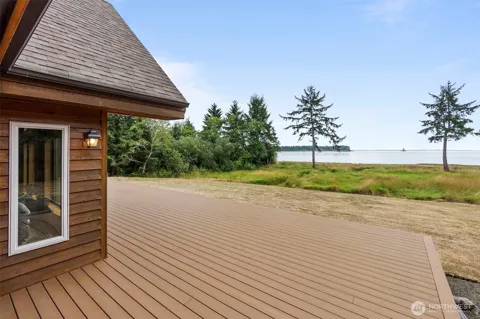
Hoquiam's housing stock reflects its mill-town past: dense, older neighborhoods of craftsman and vernacular homes from the early 20th century, many built for mill and harbor workers, set on small-to-modest lots near the waterfront and downtown. The city includes a significant share of century-old houses alongside mid-century infill, and prices remain well below those of the Puget Sound metro, giving buyers access to character homes and larger houses at relatively modest cost. Some properties offer views of the harbor or the surrounding hills. The market is dominated by established single-family homes, with fewer new subdivisions than in faster-growing parts of the state, lending Hoquiam a settled, historic residential feel.
Hoquiam's neighborhoods cluster along the harbor and the lower slopes of the hills that frame the city. The oldest residential streets lie near downtown and the waterfront, where mill-era homes line the grid laid out during the city's boom years. Farther up the hillsides, homes spread onto steeper streets with views over Grays Harbor and toward Aberdeen. The city's residential fabric is compact and walkable in its core, with commercial activity concentrated along the main thoroughfares. Distinct neighborhoods read more by era and elevation than by name, giving Hoquiam the layered feel of a long-established industrial town where the waterfront, the downtown, and the hillside homes are all part of one continuous community.
Life in Hoquiam is defined by its harbor-town character and its Pacific Northwest setting. The annual Logger's PlayDay brings the community together each September with logging competitions and celebration of the city's timber heritage, while the Polson Museum and the city's historic downtown anchor local culture. Daily life is unhurried and practical, with the working waterfront and seafood economy still visible around the harbor. The weather is famously wet and maritime, and residents are drawn to the area's authenticity and affordability rather than to rapid growth. The Olympic National Forest and the coast are close by, making outdoor life a natural extension of the town's routine.
Hoquiam's public schools are served by the Hoquiam School District, which operates the city's elementary, middle, and high schools and serves as a focal point of community life. As in many Grays Harbor communities, the schools anchor civic activity and youth programs, and the district's scale keeps students close to home throughout their K-12 years. The area's smaller, community-based districts stand in contrast to the larger systems of the Puget Sound metro, offering the familiarity of a hometown school system. For families, the district's presence and the city's strong local identity are part of the appeal of living in Hoquiam.
Hoquiam sits at the western terminus of the region's highway network, connected by U.S. Highway 101 and State Route 109, which serve the coast and the Olympic Peninsula. U.S. 101 links the city eastward through Aberdeen and Olympia toward the Puget Sound metro, while State Route 109 runs north along the coast toward Ocean Shores and the Pacific beaches. The city's port and rail connections reflect its industrial history, and the harbor remains a working maritime facility. Daily life is car-dependent, with the drive to the Puget Sound core a defining feature of the area's connection to the wider region. Hoquiam's location makes it a genuine coastal gateway rather than a suburb.
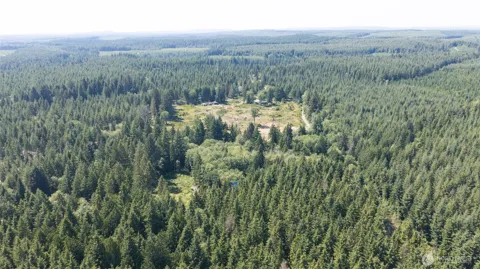
Hoquiam is a base for coastal and forest recreation. The Olympic National Forest lies just north of the city, and the beaches of the Washington coast are a short drive west, including Ocean Shores across the harbor. Grays Harbor itself supports boating, fishing, and crabbing, while the Quinault and Hoh rainforests and Olympic National Park lie within reach to the north and west. Within the city, parks and the waterfront provide everyday outdoor space. The annual Logger's PlayDay adds a signature community event tied to the outdoors. For residents, the combination of harbor access, coastal beaches, and Olympic Peninsula wilderness defines the area's recreational wealth.
MARKET SNAPSHOT
How homes have been selling here over the last 90 days.
Market data reflects closed sales over the last 90 days and is provided for informational purposes.
BROWSE BY ZIP
Browse listings by postal code in this area.